Organization · 1923 CE · World Wars Era
Turkey
- Also known as
- An Tuirc
- An Tuirc
- Buturuki
- Cumhuriyeta Tırkiya
- Cộng hòa Thổ Nhĩ Kỳ
- Dujwjgiz
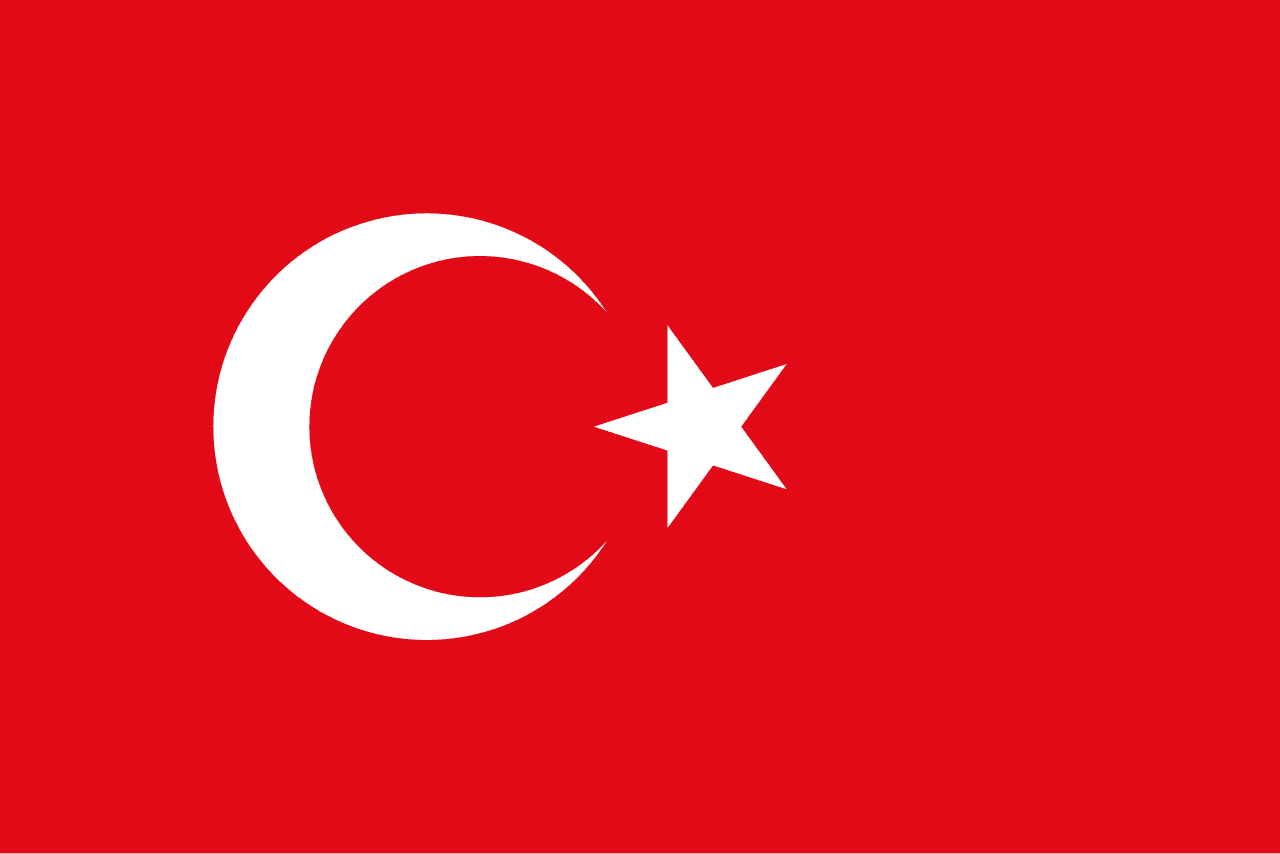
Out of the ashes of a collapsing empire and the devastating crucible of World War I, a new nation state emerged along the ancient suture line of Europe and Asia.
By the final decades of the nineteenth century, the vast territory of the Ottoman Empire had become a playground for European finance, a realm where sovereignty was increasingly treated as a polite formality. To the bankers of London, Paris, and Berlin, the rolling plateaus of Anatolia and the fertile river valleys of Mesopotamia were not merely lands inhabited by millions of subjects of the Sultan; they were prime territory for economic exploitation. For decades, the Ottoman state had been contracting, its borders receding in the face of rising nationalism in the Balkans and the aggressive expansion of the Russian Empire. This retreat was accompanied by immense human suffering, as waves of displaced Muslims fled the lost provinces of the Caucasus, Crimea, and the Balkans, seeking refuge in the Anatolian heartland. Yet, as the physical borders of the empire shrank, the reach of foreign capital expanded. European financiers held the strings of the Ottoman Public Debt Administration, effectively mortgaging the empire’s revenues to satisfy foreign creditors. In the halls of parliament and the boardrooms of merchant banks, Turkey was viewed less as a sovereign state and more as a magnificent, albeit decaying, estate waiting to be subdivided and modernized by Western enterprise.
At the center of this modern imperialist scramble was a grand technological vision: the revival of an ancient trade route through the construction of the Bagdad Railway. The project, which aimed to stretch iron rails from Constantinople across the rugged Taurus Mountains and down to the Persian Gulf, became one of the most contentious diplomatic battlegrounds of the early twentieth century. It was a laboratory of modern economic imperialism. German bankers, led by the Deutsche Bank and supported by the political ambitions of Berlin, drove the enterprise forward, viewing it as a gateway to the natural wealth of Asia Minor. The Anatolian plateau, once home to the ancient Hittites, Phrygians, and Lydians, and later Hellenized under Alexander the Great and Romanized under the Byzantines, was to be integrated into a global network of trade. The locomotive was to supplant the camel. Yet this peaceful penetration was anything but peaceful in its geopolitical consequences. To Great Britain, the prospect of a German-financed railway reaching the Persian Gulf was a direct threat to the defense of India and its established dominance in the Middle East. Russia watched with deep displeasure, fearing a rejuvenated Ottoman state on its southern flank, while France alternated between financial cooperation and imperial anxiety.
This intricate web of financial concessions, diplomatic bargaining, and imperial rivalry collapsed under the weight of the First World War. In 1914, under the control of the dictatorial triumvirate known as the Three Pashas, the Ottoman Empire entered the global conflagration on the side of the Central Powers. The war years brought unimaginable catastrophe to the land. Within its borders, the Ottoman government initiated systematic genocides against its Christian subjects, resulting in the mass destruction of its Armenian, Greek, and Assyrian populations. Militarily, the empire served as a vital asset for Germany, keeping Allied forces at bay along strategic fronts, but the strain was unsustainable. By 1918, the Ottoman state was utterly crushed. Its capital was occupied, its Arab provinces were partitioned among the victorious British and French empires under the guise of mandates, and the ambitious "Berlin to Bagdad" railway line was left fractured and incomplete, a physical monument to a shattered imperial dream.
Connected to
- containsConstantinople330 CE
- containsMitanni1650 BCE
- contains · ownsTopkapı Palace1460 CE
- in country · containsTurkey1923 CE
+ 12 further connections to entries not yet ingested