Place · 1567 CE · Colonial Americas
Caracas
- Also known as
- Caracae
- Caracae
- Caraques
- Caraques
- Carracas
- Caræca
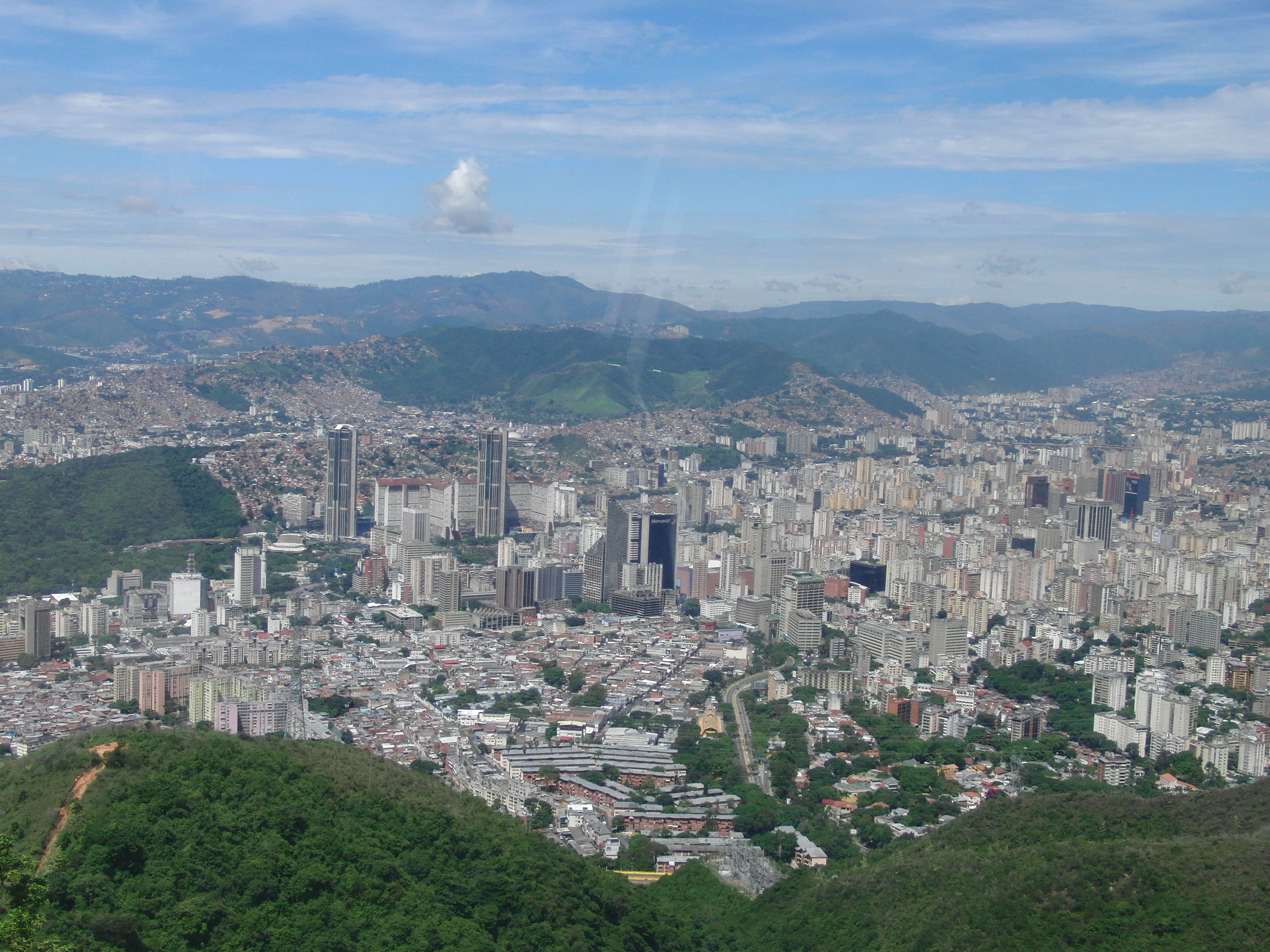
A wall of stone separates the Caracas Valley from the Caribbean Sea, where the steep, 2,200-meter peaks of Cerro El Ávila rise to isolate this high basin from the northern coast.
To stand in the high valley of Caracas is to inhabit a geological contradiction. Nine hundred meters above the Caribbean Sea, the air carries a persistent, unexpected coolness—an eternal spring where the evening temperature drops sharply, wrapped in the sudden, thick mountain mists that the locals call el Pacheco. Yet this temperate basin, carved from metamorphic rock during the Late Cretaceous period, is entirely enclosed by the steep, towering walls of the Coastal Range. Chief among these is the Cerro El Ávila, a massive green rampart rising over two thousand meters high, which stands as a colossal physical barrier between the valley and the sea. For centuries, this geography defined the destiny of Caracas: it was a sanctuary protected by the mountains, a fertile agricultural oasis of cacao and wheat, and yet a fortress whose very isolation made its eventual connection to the wider world both difficult and volatile.
Before the Spanish arrived, the valley was a contested ground populated by resilient indigenous societies who fiercely resisted European encroachment. In the mid-sixteenth century, Francisco Fajardo—the son of a Spanish captain and a Guaiquerí noblewoman—attempted to establish footholds in the region, including a ranch known as Hato de San Francisco. These early efforts, along with subsequent attempts to found a permanent settlement, were repeatedly dismantled and destroyed by the native confederations under the formidable leadership of chieftains like Terepaima and Guaicaipuro. The impasse was broken only when Captain Diego de Losada was commissioned to conquer the valley. Employing a strategy of fragmenting the indigenous alliances and defeating the smaller groups individually, Losada finally secured the basin. On July 25, 1567, he formally laid the foundations of the city, naming it Santiago de León de Caracas.
Though sparsely populated at its inception, the new settlement held a strategic advantage over older colonial hubs. It was closer to the coast than the inland towns founded by settlers who had migrated eastward from Coro, yet it remained safely shielded behind the formidable barrier of El Ávila. Leveraging an coerced indigenous workforce, the early Spanish colonists established a lucrative regional trade network. The inland towns offered cotton and beeswax, the island of Margarita provided pearls, and the Caracas valley itself proved ideal for arable farming. By 1577, the growing settlement was designated the capital of the Province of Venezuela under Governor Juan de Pimentel. Within a decade, Caracas found its first major cash crop: wheat. As grain prices soared in Europe, Caracas merchants began shipping their harvests down to the fortress port of Cartagena to supply Spanish soldiers, firmly integrating the mountain-ringed valley into the maritime trade networks of the Spanish Empire.
This burgeoning wealth, however, drew the attention of the ocean-going predators of the age. While the coastal mountains generally rendered Caracas immune to the pirate raids that plagued other Caribbean ports, the English privateers Amyas Preston and George Somers found a way to bypass the natural fortress in 1595. Landing on the coast, they avoided the heavily guarded main pass and led two hundred men across a treacherous, little-used mountain track. Finding the city’s defenders waiting at the wrong gate, the privateers occupied the town with little resistance, sacking and burning it to the ground when ransom negotiations fell through. The resilient citizens rebuilt their capital through immense sacrifice and the profits of their agricultural trade, which was about to undergo a radical transformation.
By the 1620s, Caracas farmers discovered that the native cacao bean had become a highly coveted commodity, first in Mexico and rapidly across the broader Caribbean. The cacao boom transformed the local economy, but it also altered the social fabric of the province; the city became the first Spanish colony to transition systematically from indigenous labor to the import of enslaved Africans. This era of prosperity lasted until the mid-seventeenth century, when a devastating agricultural blight, the persecution of Portuguese merchants by the Mexican Inquisition, and competition from Guayaquil crippled the Caracas cacao market. Combined with a catastrophic earthquake in 1641, the city fell into a prolonged decline. To survive, the local merchants turned to the shadows, developing a thriving illicit trade with the Dutch Empire through the nearby island of Curaçao—a relationship that fostered a distinct spirit of economic independence and self-reliance among the local caraqueños.
The eighteenth century brought renewed imperial interest and administrative consolidation. In 1728, the crown established the Guipuzcoan Company of Caracas, monopolizing and revitalizing the cacao trade. Structurally, the territory was repeatedly reorganized, culminating in 1777 when Luis de Unzaga established the Captaincy General of Venezuela, cementing Caracas as its uncontested administrative and military heart. Yet the very spirit of independence that had historically simmered in the valley soon boiled over. Caracas became a crucible of revolutionary thought, from the early conspiracy of Gual and España in 1797 to the historic Venezuelan Declaration of Independence in 1811. The war that followed was devastating. A catastrophic earthquake in 1812 laid the physical city in ruins, and the subsequent war of independence decimated the population, forcing a quarter of its citizens to flee in 1814. It was not until Simón Bolívar—whose ancestor of the same name had once petitioned the Spanish crown for the city’s coat of arms in 1591—secured a decisive victory at the Battle of Carabobo in 1821 that the royalist threat was permanently lifted.
For the remainder of the nineteenth century, Caracas remained a sleepy, distinctly provincial city, showing few signs of its turbulent history. It was only under the late-nineteenth-century presidency of Antonio Guzmán Blanco that the first major urban reforms and grand public landmarks began to reshape the colonial landscape. The true transformation, however, arrived with the twentieth-century oil boom. Fueled by petrodollars, Caracas underwent an aggressive, high-modernist metamorphosis. During the mid-twentieth century, the metropolitan area of Gran Caracas was designed, and the city became a canvas for architectural innovation. Modernist masterworks arose, most notably the University City of Caracas, designed by Carlos Raúl Villanueva, alongside monumental projects like the Caracas Metro, the Teresa Carreño Cultural Complex, and the towering skyscrapers of the Parque Central.
This rapid modernization, however, far outpaced the city’s physical capacity, drawing hundreds of thousands of rural migrants into the valley. Lacking space in the narrow basin, informal settlements—the vast, sprawling barrios—spread up the steep, unstable hillsides surrounding the glittering downtown. When the oil market collapsed in the 1980s, the fragile social contract fractured, triggering massive civil unrest, such as the Caracazo, and ushering in a prolonged period of political instability. By the early twenty-first century, the grand modernist institutions and infrastructure had fallen into severe disrepair, and the city became synonymous with the deep economic, social, and political crises griping Venezuela.
Caracas, which began as a secluded sanctuary in a mountain-rimmed valley, transformed over four and a half centuries into a sprawling metropolis of over five million people. It is a place where the colonial plaza, the modernist skyscraper, and the hillside barrio exist in a tense, vertical continuum, forever shaped by the towering presence of the mountains that both protect and confine them.
Connected to
- birthplace ofSimón Bolívar1783 CE
- in countryVenezuela1811 CE
+ 10 further connections to entries not yet ingested