Place · 1521 CE · Colonial Americas
Mexico City
- Also known as
- Ard-valley Veksico
- A̱gba̱ndang A̱keang Mikziko
- A̱keang Mikziko
- Banda Meksiko
- Bandar Raya Mexico
- Belt tal-Messiku
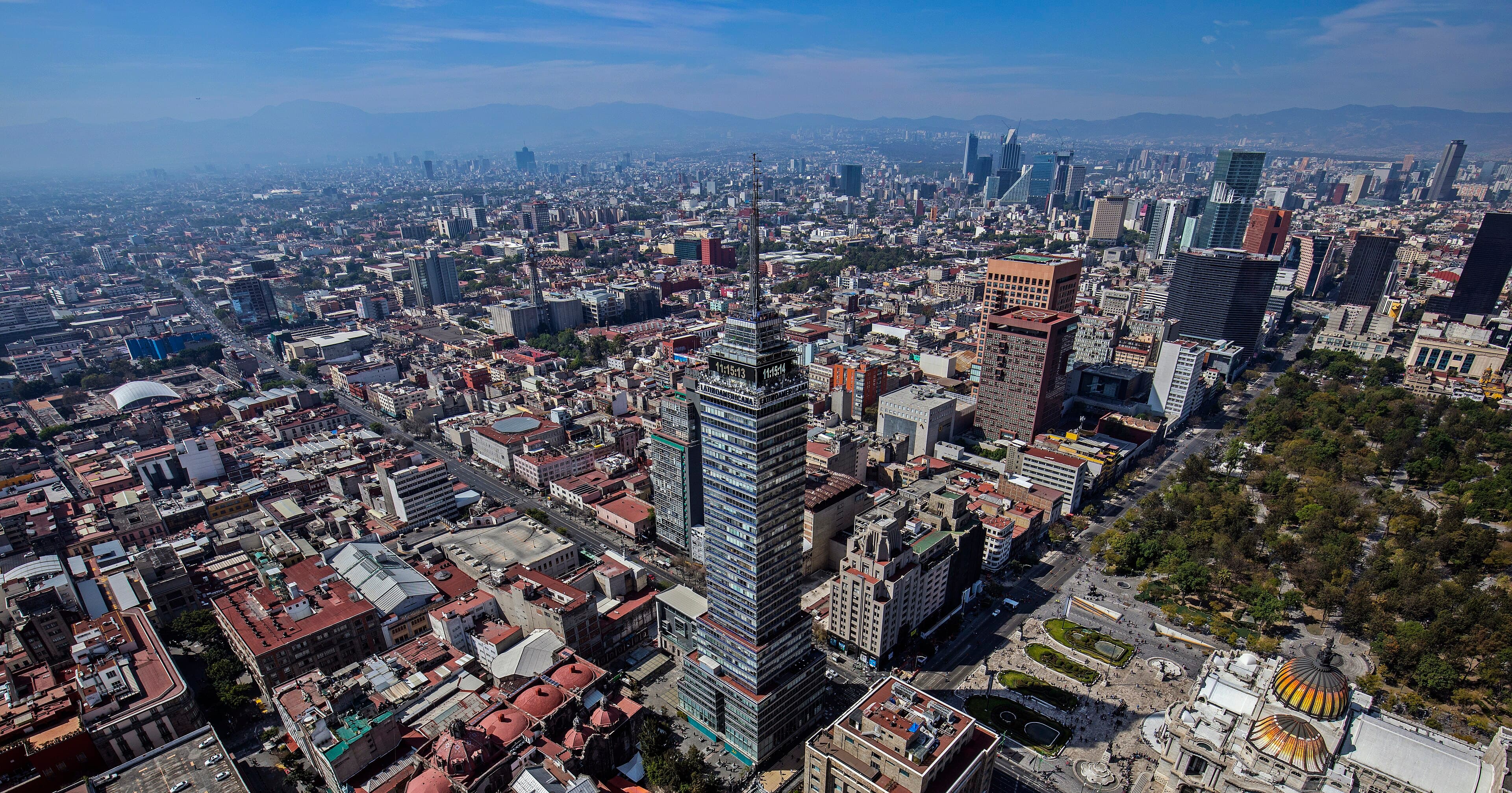
High in the central plateau’s Valley of Mexico, at an altitude of 2,240 meters, sits the oldest capital city in the Americas.
In May 1521, a flotilla of thirteen custom-built Spanish brigantines, propelled by sails and oars, launched into the shallow, brackish waters of Lake Texcoco. They were heading toward a metropolis that, to the European eyes of Hernán Cortés and his men, looked like an impossible mirage. Built upon a cluster of natural and artificial islands at an altitude of 2,240 meters, the Mexica capital of Tenochtitlan was a city of wide causeways, complex aqueducts, and thousands of canoes darting between whitewashed stone palaces. At its center rose the towering twin pyramids of the teocalli, the great temple dedicated to the gods of war and rain. For three months, this alpine aquatic stronghold was subjected to a brutal siege. Cut off from food and fresh water, ravaged by a smallpox epidemic carried by the invaders, and assaulted by Spanish artillery alongside tens of thousands of indigenous Tlaxcalan allies, the city was systematically dismantled. When the last Aztec ruler, Cuauhtémoc, finally surrendered in August 1521, the jewel of the Valley of Mexico had been reduced to a smoldering, bone-strewn wasteland of clay and rubble.
Cortés initially retreated to the mainland shore at Coyoacán, but he soon made a decision that would dictate the next five centuries of Mesoamerican geography: he would rebuild his new capital directly on top of the ruined Aztec island. Rather than starting fresh on the secure mainland, the Spanish crown sought to physically and symbolically superimpose its authority over the old order. To accomplish this, they utilized a vast, compulsory labor force of the surviving indigenous population, a massive mobilization of human sweat that the Franciscan friar Toribio de Benavente Motolinia likened to the biblical plagues, noting that the crowds of builders were so dense one could barely move along the causeways, and many perished crushed by heavy beams or falling from the heights of the half-demolished temples. The grand central plaza of the Aztecs was cleared and reshaped into the Zócalo, the civic heart of New Spain. At its edges, the Spanish built the Cathedral of Mexico City—laying its foundations in 1573 on the very site of the destroyed Aztec temple—and erected the viceregal palace over the ruins of Moctezuma’s imperial residence.
This act of imperial translation created a city that was fundamentally at war with its own geography. Preconquest Tenochtitlan had coexisted with the lake system, relying on canoes for transport and managing water levels through a sophisticated network of dikes and sluices. The Spanish, however, sought to remake the city in the image of Castile. They reconstructed the old causeways into permanent roads and laid out a rigid, European-style grid pattern, the , where Spanish elites lived in orderly stone houses near the central plaza, while the indigenous population was relegated to haphazard settlements on the swampy periphery. Without the delicate Aztec water management systems, the new colonial capital found itself perpetually vulnerable to drowning. As the city grew, the fluctuating depths of Lake Texcoco repeatedly flooded the streets, turning the urban center into a stagnant health hazard where human waste polluted the drinking supply. To combat this, the Spanish administration initiated the , a monumental, centuries-long drainage project that forced thousands of indigenous laborers to dig canals and tunnels to divert the valley’s water.
Connected to
- birthplace of · place of death ofFrida Kahlo1907 CE
+ 12 further connections to entries not yet ingested