Organization · 1822 CE · Colonial Americas
Brazil
- Also known as
- Amérique lusophone
- An Bhrasaíl
- Auriverde
- Ba Tây
- Bahsih
- Barasiil
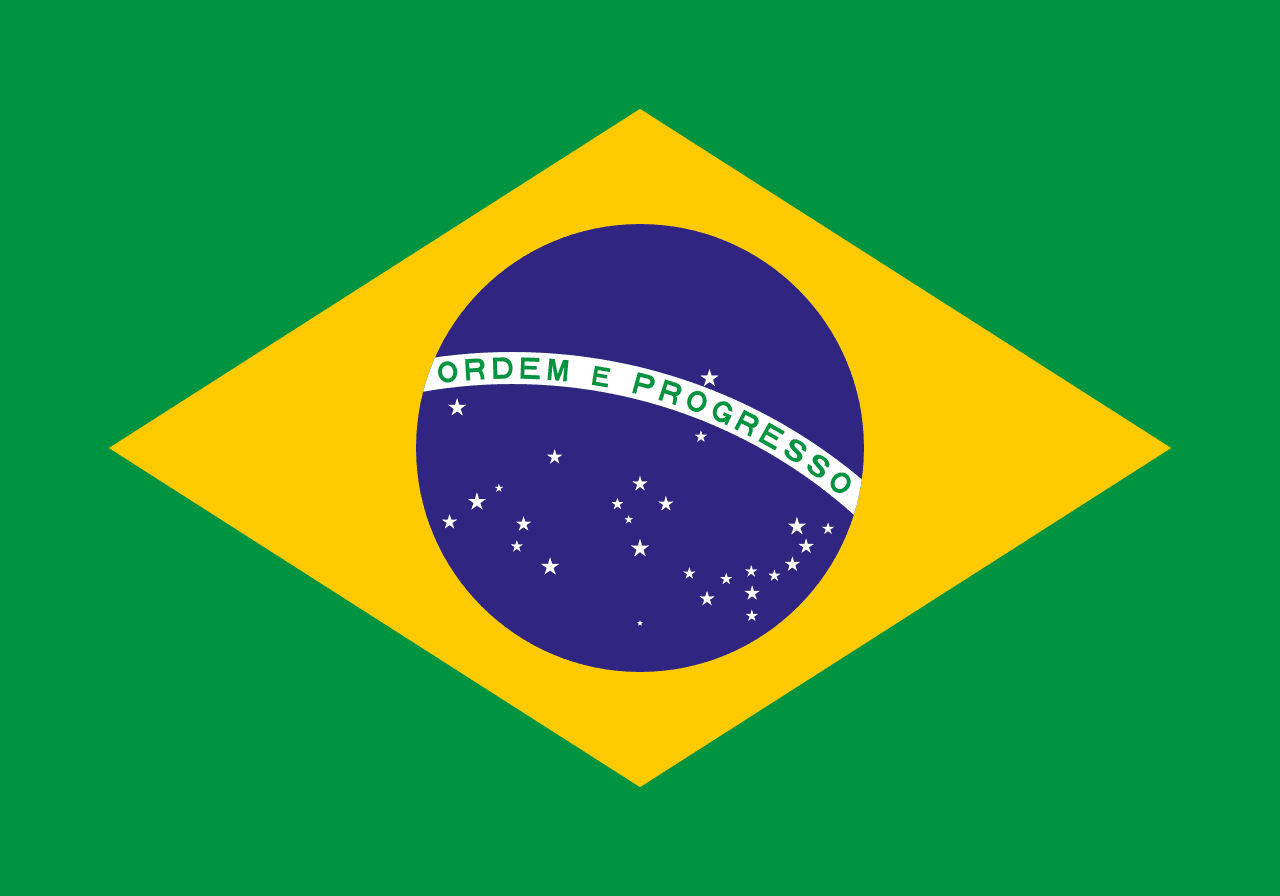
The arrival of the Portuguese explorer Pedro Álvares Cabral in 1500 initiated a transformation of the South American continent, leading to the founding of its first city, São Vicente, in 1532 and the establishment of a colonial economy fueled by the labor of enslaved Africans.
On an afternoon in early September 1822, Prince Pedro of Braganza, heir to the Portuguese throne and Regent of the Kingdom of Brazil, stood on the banks of the Ipiranga River, near the provincial town of São Paulo. He was reading letters from Lisbon. The Portuguese Cortes—the revolutionary assembly that had seized power in the mother country—demanded his immediate return to Europe and decreed the dismantling of the administrative autonomy Brazil had enjoyed for over a decade. The message was clear: the colony was to be put back in its place, stripped of its institutions and returned to a state of metropolitan subservience. Enraged by this ultimatum, and surrounded by his guard, the young prince reportedly drew his sword, tore the Portuguese blue-and-white insignia from his uniform, and declared, "Independence or Death!" On that day, the 7th of September, the colony of Brazil ceased to exist, and the Empire of Brazil was born. Unlike the bloody, republican revolutions that fractured Spanish America into a dozen warring states, Brazil’s path to nationhood was marked by a rare and striking paradox: a European prince declaring independence from his own father’s kingdom, preserving a vast, continental territory under a single monarchical crown.
To understand how a Braganza prince came to divide his own house, one must look to the winter of 1807, when French and Spanish armies poured across the Pyrenees to crush Portugal. In a desperate move to preserve the monarchy, Prince Regent John, acting on behalf of his mentally ill mother Queen Maria I, packed the entire royal court, its archives, and its treasury onto a fleet of ships and fled across the Atlantic under British escort. When they landed in Rio de Janeiro in early 1808, it was the first, and only, time in history that a European monarch set foot in an American colony, let alone moved the seat of empire there. The arrival of the court transformed Rio overnight. The Prince Regent swept away the old colonial restrictions, ended the Portuguese monopoly on trade, opened the ports to friendly nations, and established the country’s first stock exchanges and its National Bank. Brazil was no longer a mere repository of agricultural wealth to be drained for Lisbon's benefit; it was now the beating heart of a transatlantic empire. In 1815, to formalize this shift and justify remaining in the tropical capital he had grown to love, John elevated Brazil to a kingdom, co-equal with the mother country, forming the United Kingdom of Portugal, Brazil, and the Algarves.
Yet, this golden age of imperial integration could not survive the peace of Europe. Following the end of the Peninsular War, European powers grew increasingly impatient with a monarch residing in the South American tropics, deeming it unfit for the head of an ancient dynasty to rule from a former colony. Back in Portugal, a devastating economic and political crisis fueled the Liberal Revolution of 1820, with the Cortes demanding the immediate return of King John VI to Lisbon. Cornered, the King departed in 1821, leaving his headstrong twenty-two-year-old son, Pedro, behind as regent. The Portuguese assembly, eager to restore their homeland’s lost commercial advantages, immediately began dismantling the Brazilian ministries, courts, and trade privileges. But the Brazilian elite—the plantation owners, merchants, and lawyers who had thrived under the new order—refused to yield. They found an unlikely champion in Prince Pedro, who chose to link his destiny to the land he governed rather than return to a diminished role in Europe.
Connected to
- in country · containsBrazil1822 CE
+ 8 further connections to entries not yet ingested