Event · 1139 CE – 1910 CE · Age of Sail and Empire
Kingdom of Portugal
- Also known as
- Corona de Portugal
- Corona Portuguesa
- Kerajaan Beraja Portugal
- Kerajaan Portugal
- Kerajaan Portugal
- Kerajaan Portugis
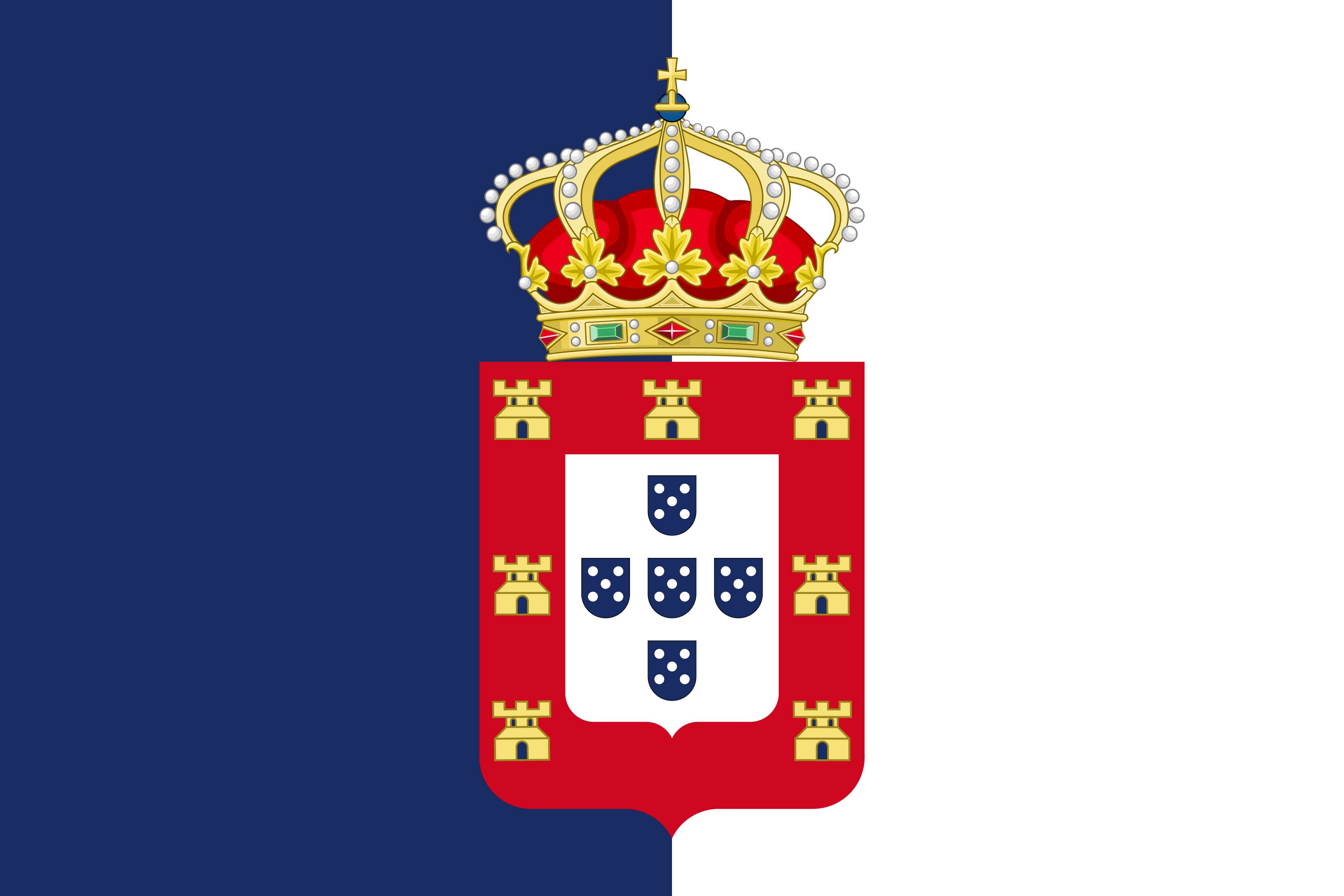
The transformation of Portugal from a semi-autonomous county of the Kingdom of León into a global maritime powerhouse began on the battlefield.
On a hot July day in 1139, on a battlefield near Ourique, a body of soldiers did something that would irrevocably alter the political map of the western Iberian Peninsula. They raised their commander, Afonso Henriques, on their shields and acclaimed him King of the Portuguese. Until that moment, the land he ruled was merely the County of Portugal, a semi-autonomous, rainy northern fiefdom of the Kingdom of León, first carved out in the ninth century by the warlord Vímara Peres during the early centuries of the Reconquista. Afonso’s bold assumption of the royal title was not an isolated act of battlefield bravado, but the start of a calculated, three-stage diplomatic dance to secure sovereign legitimacy. Four years later, on 5 October 1143, his cousin Alfonso VII of León and Castile formally conceded to the reality of the situation, signing the Treaty of Zamora and recognizing Afonso as an equal monarch. The final, crucial seal of permanence arrived in 1179, when Pope Alexander III issued the papal bull Manifestis Probatum, formally placing the new kingdom under the protection of the Holy See. From these medieval maneuvers emerged Europe’s oldest nation-state with stable borders, a kingdom that would eventually project its language, faith, and administrative machinery across four continents.
For its first two centuries, the young kingdom was defined by the grueling southern push of the Reconquista, under the stewardship of the Portuguese House of Burgundy. When this founding dynasty faltered during the succession crisis of 1383–1385, the crown transitioned to the House of Aviz. It was under this new dynasty, during the fifteenth and sixteenth centuries, that the small kingdom underwent a spectacular, disproportional transformation. Hemmed in by the powerful Spanish kingdoms to the east and the vast Atlantic Ocean to the west, Portuguese mariners turned the geography of their isolation into an empire. They charted the coast of Africa, rounded the Cape of Good Hope, and established a maritime network that stretched to India, Malacca, and Japan, while claiming the immense territory of Brazil. Portugal was no longer just a strip of Iberian coast; it was the metropole of a global trade empire. Yet, this golden age was structurally fragile. In 1580, a dynastic crisis forced the kingdom into a sixty-year personal union with Habsburg Spain. Though Portugal retained its legal identity, it found its resources drained by Spain’s European conflicts. It was not until the Portuguese Restoration War of 1640–1668 that the country regained its independence under the House of Braganza, beginning a long era of slow domestic decline where the kingdom's geopolitical relevance was kept afloat primarily by the immense wealth of Brazil.
Connected to
- had as participantHundred Years' War1337 CE
- in country · containsKingdom of Portugal1139 CE
- had as participantReconquista733 CE
+ 8 further connections to entries not yet ingested