Thread · 5 entries
Cities founded as ideas
Five capitals that did not grow up where they sit — they were placed there, on purpose, as arguments about what their state should be.
Most cities are accidents of geography. A few are arguments. Each entry here is a capital that was decided into existence — a deliberate political act, situated to project a new identity for a state that wanted to be read a particular way. Constantine's new Rome on the Bosphorus; the Abbasids' round city on the Tigris; a Mexica capital rising out of a lake; a Spanish refoundation of that capital on the ruins; a Thai king building a new river-city after the old one fell. Five thousand kilometres apart, but the moves rhyme.
- 01
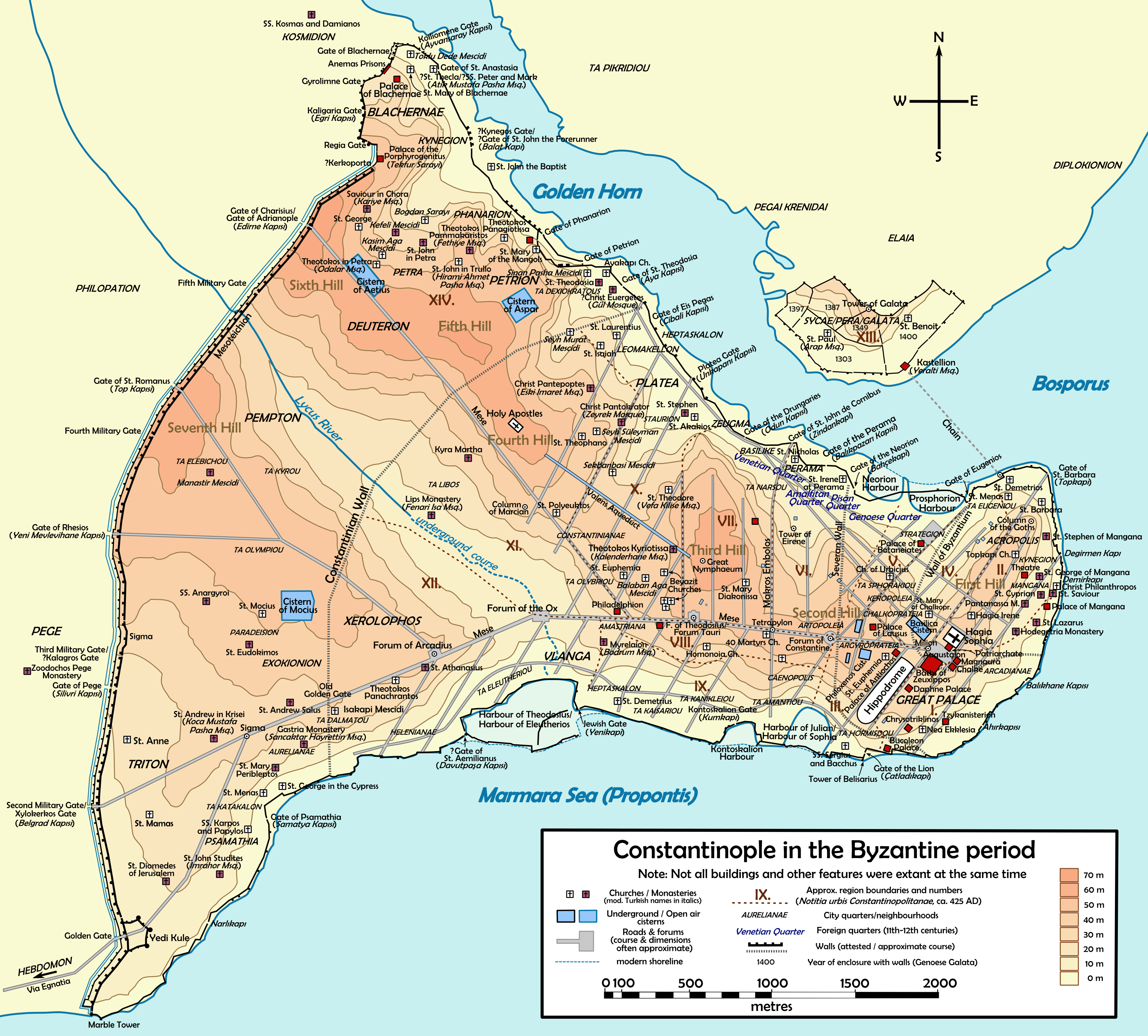
330 CE. Constantine moves the empire's centre of gravity to a Greek city on the Bosphorus and renames it after himself. For a thousand years, the political and theological pole of the eastern Mediterranean.
Constantinople
place · 330 CETo understand the history of power in the medieval world, one must look to the tip of the Thracian peninsula, where a single city commanded the watery threshold between Europe and Asia.
- 02
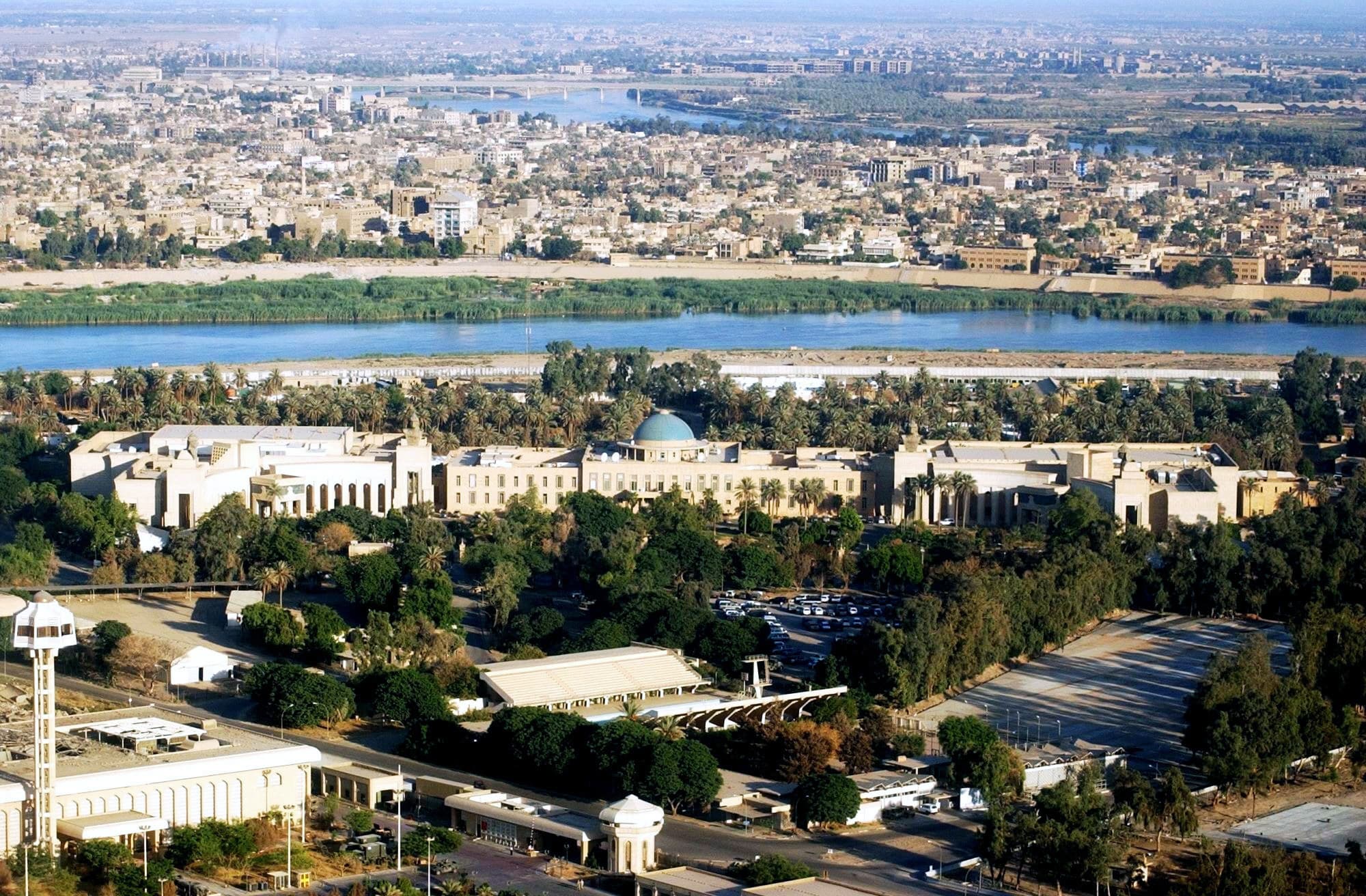
762 CE. Caliph al-Mansur lays out a perfectly circular city on the Tigris as the Abbasid capital. Round, axial, double-walled — a diagram of an Islamic universe made into urban form.
Baghdad
place · 762 CEWhen the Abbasid caliph Al-Mansur founded a new capital on the banks of the Tigris in 762 CE, he chose a site with roots stretching back to the Neo-Babylonian period.
- 03
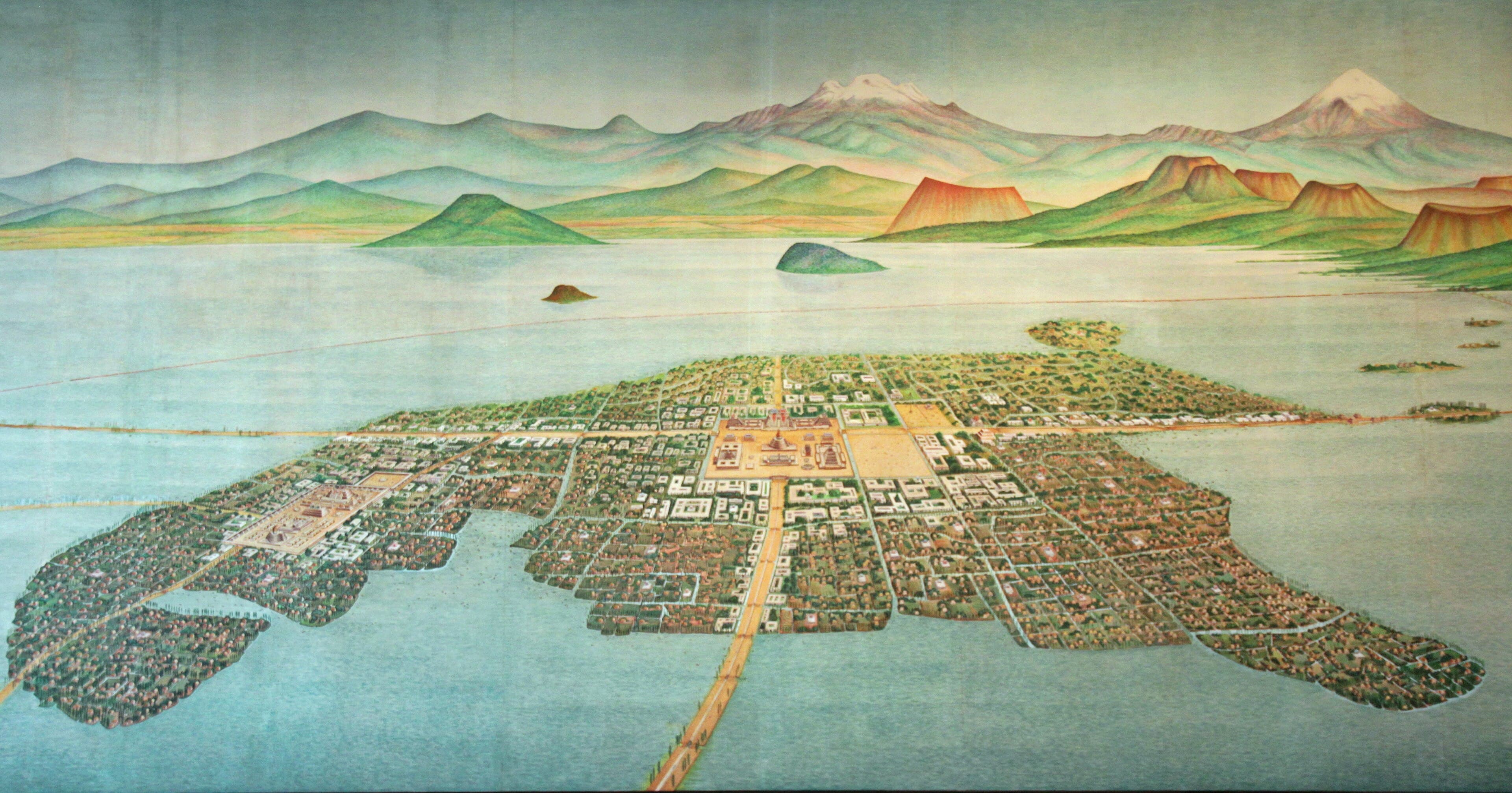
1325. The Mexica settle a series of islets in Lake Texcoco and start expanding outward on chinampas. Two centuries later it is among the largest cities on Earth.
Tenochtitlan
place · 1325 CEOn a shallow, brackish lake in the Valley of Mexico, an extraordinary metropolis rose from the waters, constructed upon an island where the Mexica people established their home.
- 04
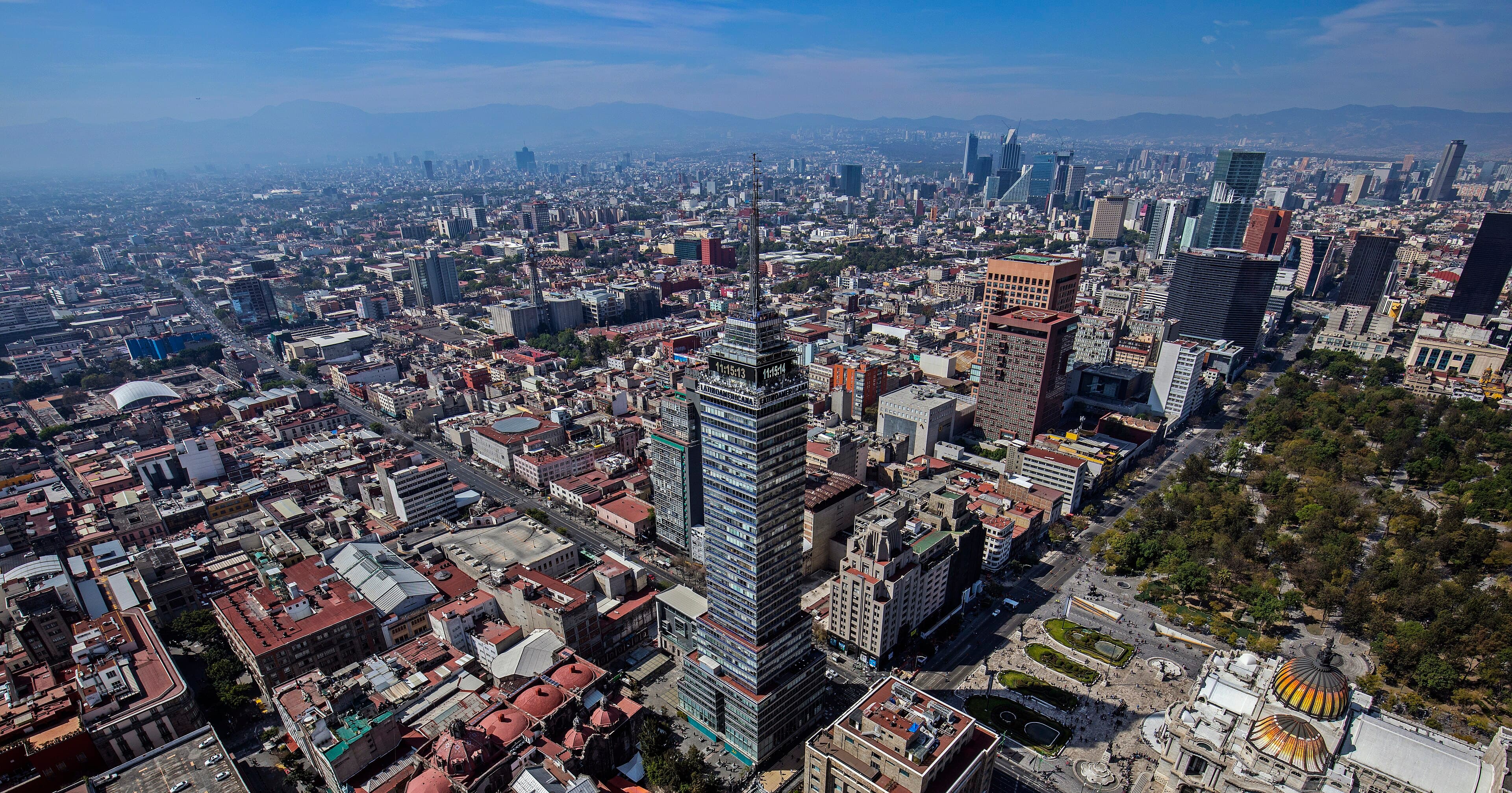
1521. The Spanish raze Tenochtitlan after a long siege and refound it on the same plaza, deliberately overlaying their cathedral on the great teocalli. A city placed twice, in conscious dialogue with what it replaced.
Mexico City
place · 1521 CEHigh in the central plateau’s Valley of Mexico, at an altitude of 2,240 meters, sits the oldest capital city in the Americas.
- 05
1782. After Ayutthaya falls to the Burmese, Rama I founds a new capital across the Chao Phraya from the old garrison town, surveyed and walled and laid out in conscious imitation of the lost city. The Thai state begins again.

Bangkok
place · 1782 CEA quiet fifteenth-century trading post on the west bank of the Chao Phraya River, under the rule of Ayutthaya, would eventually grow to dominate the entire kingdom of Siam.