Thread · 4 entries
Women who governed
Four rulers across three continents and three thousand years — and the rooms they had to walk into to claim the title.
The historical record is uneven about female sovereigns. Some are over-mythologised; many were quietly written out by chroniclers who came later. The four here are not exceptions to their times so much as a reading of what governance actually involved when the symbols and the bureaucracy were both held to belong to men. Each had to govern in a borrowed grammar — pharaonic regalia, an emperor's title, a sultan's name, a queen's army — and each used it to make decisions whose consequences outlived them.
- 01
Eighteenth-dynasty Egypt, c. 1479-1458 BCE. Took the full pharaonic title — false beard included in the statuary — and ran one of the most prosperous reigns of the New Kingdom before her successor tried, and largely failed, to erase her from the monuments.
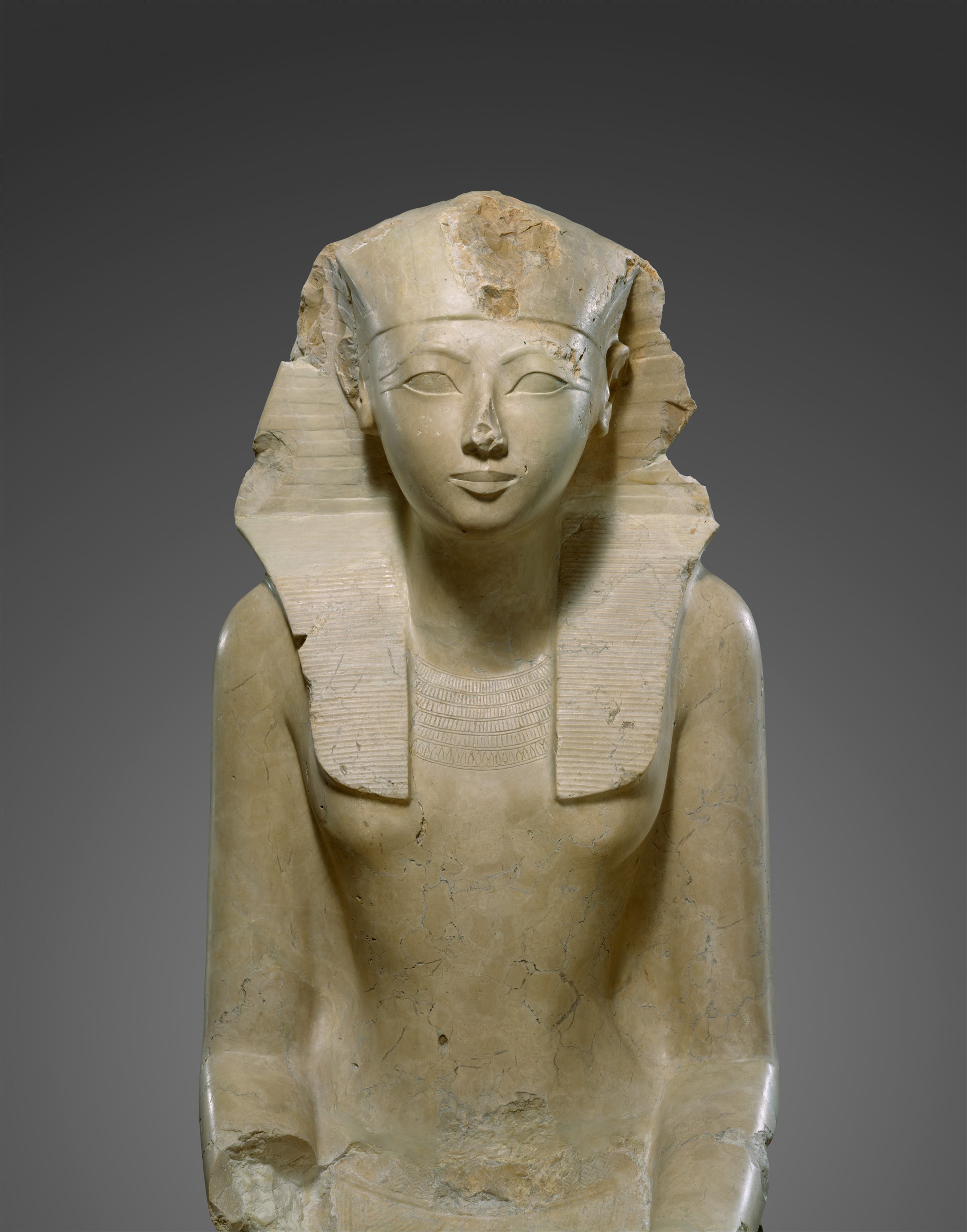
Hatshepsut
person · 1507 BCEWhen the young pharaoh Thutmose II died, the Egyptian crown passed to a toddler, Thutmose III.
- 02
Tang China, 690-705. The only woman in Chinese history to take the title of emperor in her own name. Founded her own dynasty (Zhou) inside the Tang, reformed the civil-service exams, and was condemned by later Confucian historians in language they reserved for almost no one else.
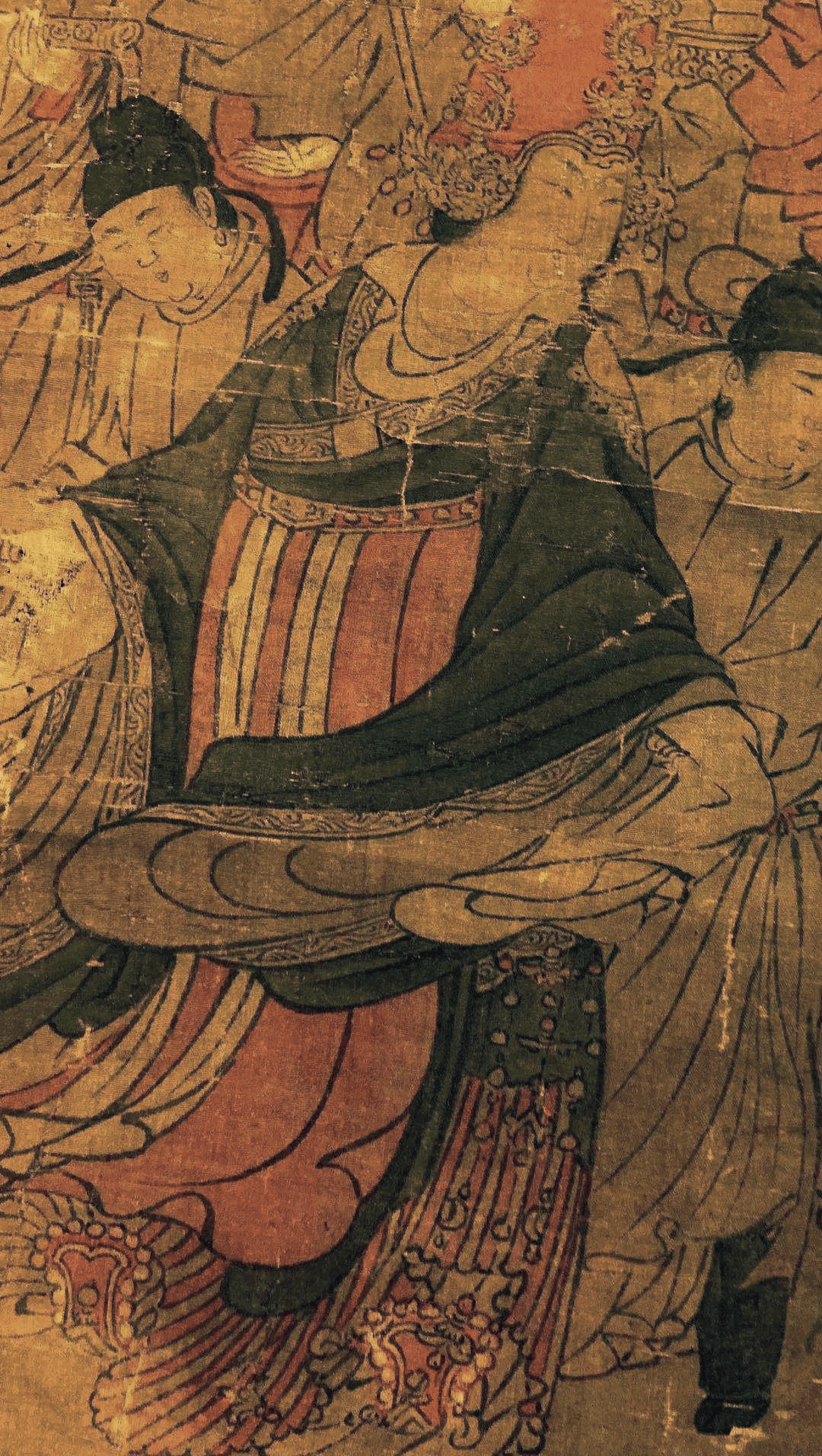
Wu Zetian
person · 624 CEFor more than four decades, the entire machinery of the Chinese empire turned on the ambition of a single woman who began her rise as a teenage imperial concubine.
- 03
Delhi Sultanate, 1236-1240. Her father Iltutmish named her successor over her brothers because, as he put it on the record, none of them were fit. The Turkic nobility removed her four years later. Most of what survives of her reign comes through hostile chroniclers.
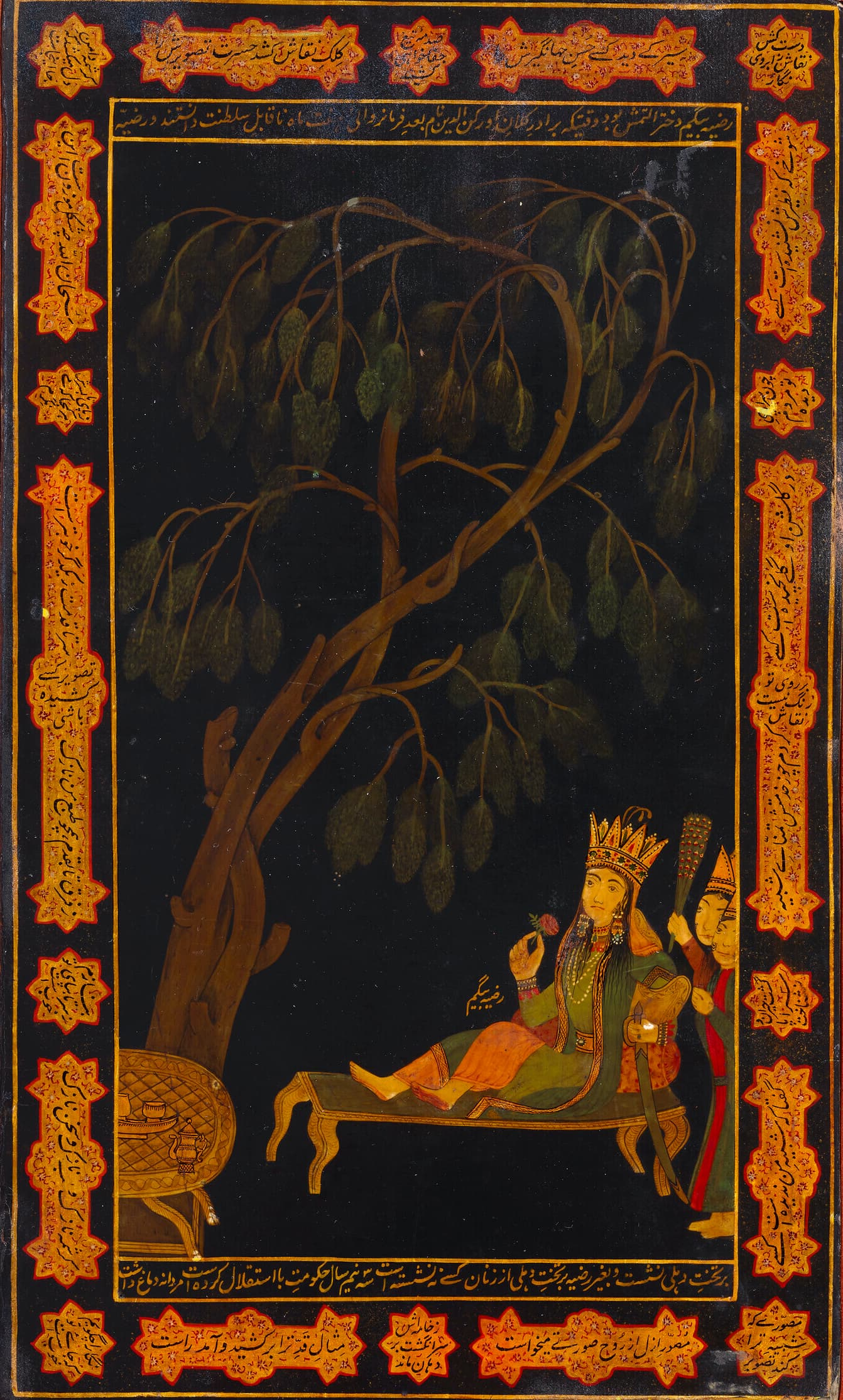
Razia Sultana
person · 1205 CEWhen Shamsuddin Iltutmish marched his armies out of Delhi in 1231, he bypassed his surviving sons and left his daughter, Raziyyat-Ud-Dunya Wa Ud-Din, in charge of the imperial capital.
- 04
Angola, 1624-1663. Negotiated with the Portuguese as her brother's envoy, then ruled in her own name through four decades of war and diplomacy against the slave trade. The chair-on-a-courtier story may be apocryphal; the forty years of resistance is not.
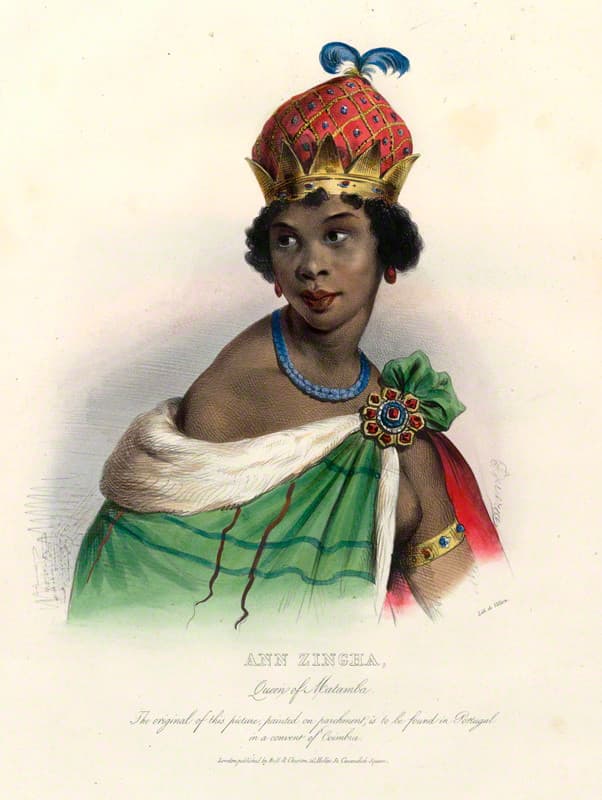
Nzinga of Ndongo and Matamba
person · 1582 CELegend has it that she was born with her umbilical cord twisted around her neck—a sign to the Mbundu people of central West Africa that the newborn girl would grow to possess spiritual gifts, pride, and immense power.