Thread · 5 entries
The fall of Rome isn't the fall of Rome
What actually ended in 476 — and what kept going for another thousand years, in a different city, speaking Greek.
School books mark 476 CE as the year Rome fell. Historians have spent the two centuries since arguing this was the wrong year, the wrong city, and the wrong empire. The western half ended slowly; the eastern half continued — sometimes brilliantly — for another millennium, with its own languages, theological controversies, and political crises. To follow the actual story you have to leave Italy.
- 01
Refounds the empire's centre of gravity at Byzantium in 330. Everything after is in some sense reaction to this move.
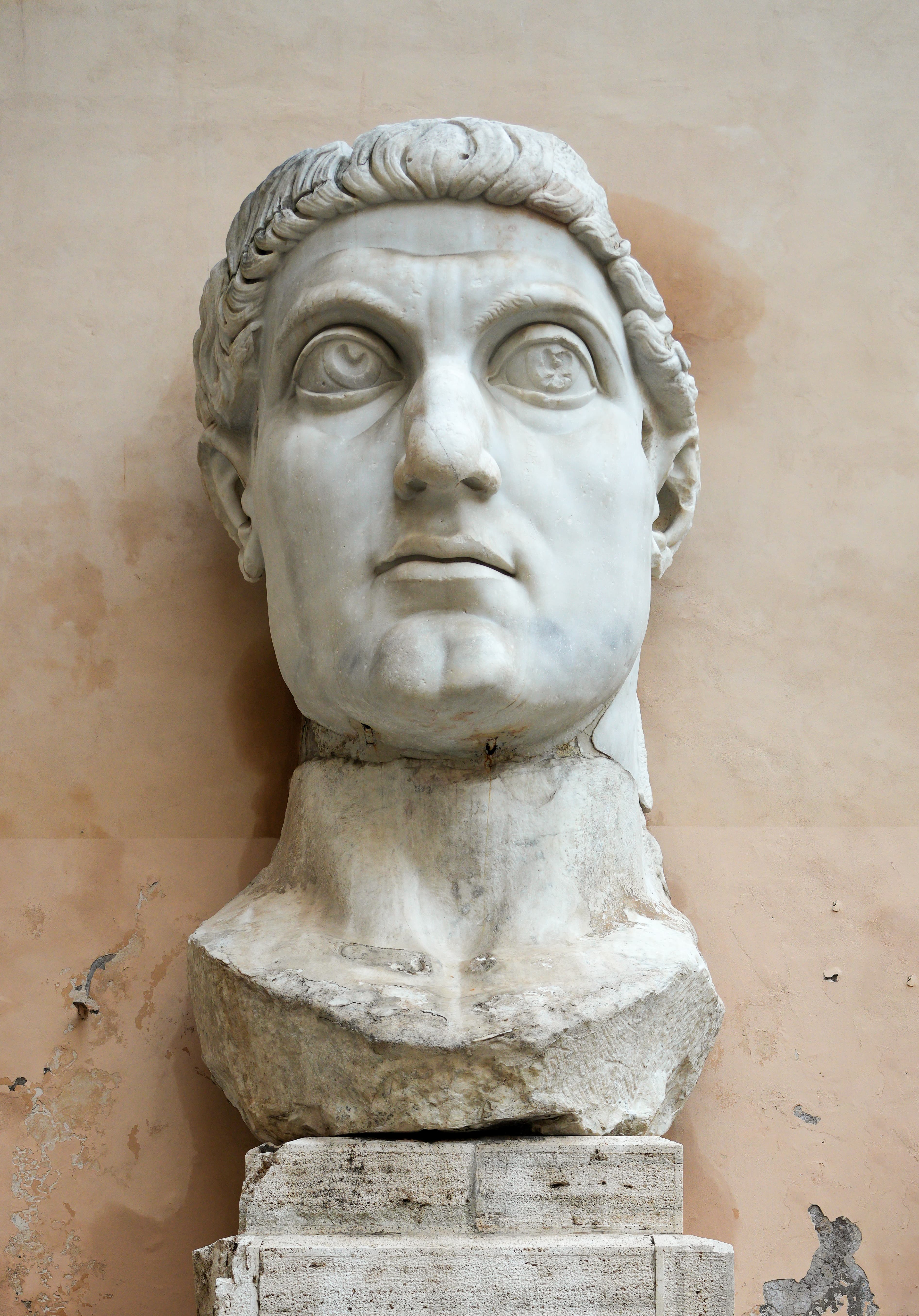
Constantine the Great
person · 272 CEOn 25 July 306 CE, in the remote Roman outpost of Eboracum—modern-day York—the soldiers of the Western Empire proclaimed Constantine I their emperor.
- 02
Sixth-century emperor who briefly retakes Italy, codifies Roman law for the next thousand years, and builds Hagia Sophia.
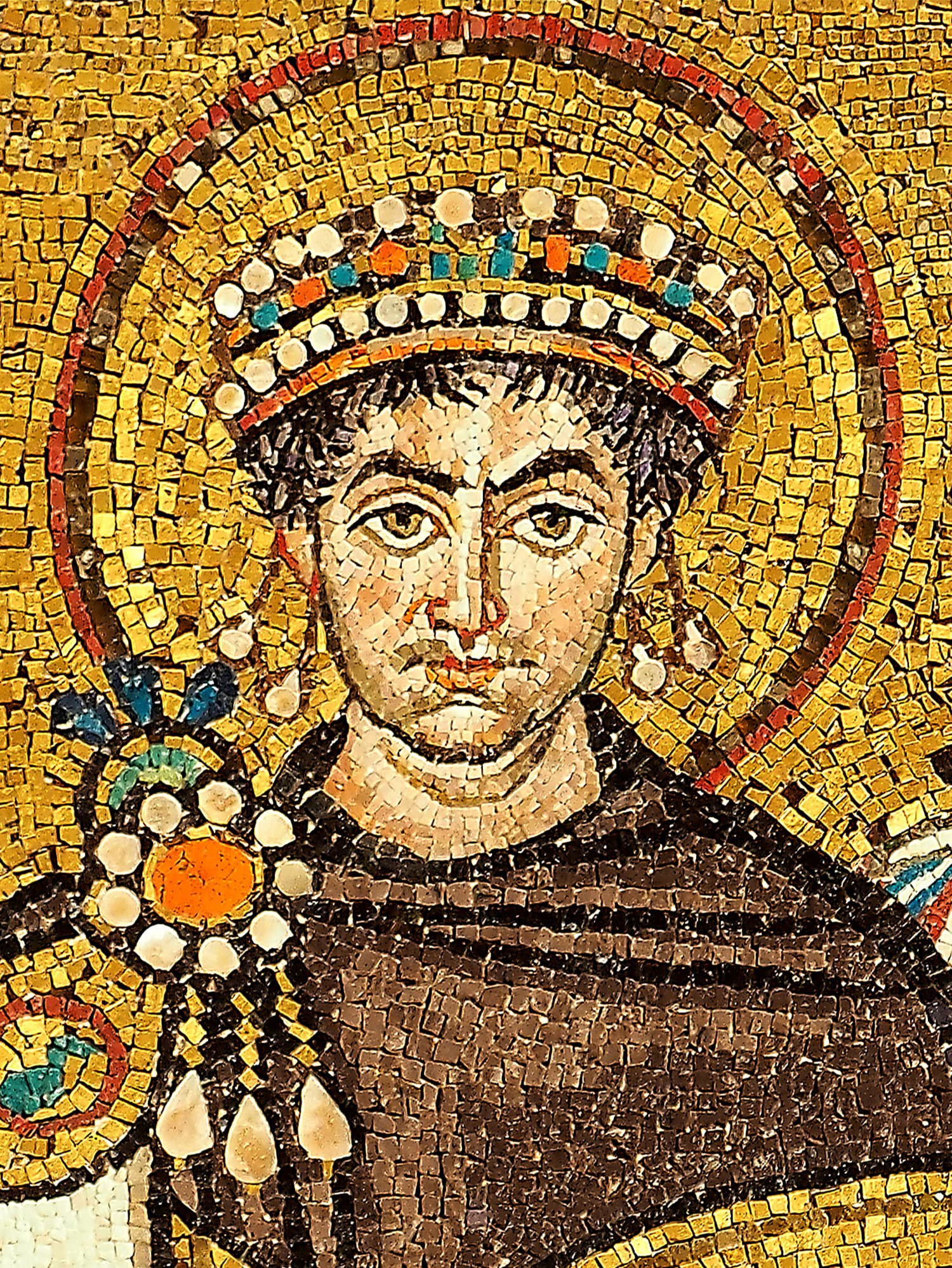
Justinian I
person · 482 CEThe dream of a restored Roman Empire found its ultimate champion in a Latin-speaking peasant from Tauresium.
- 03
What the eastern Romans called themselves was 'Romaioi' — Romans. The 'Byzantine' label is a later invention.
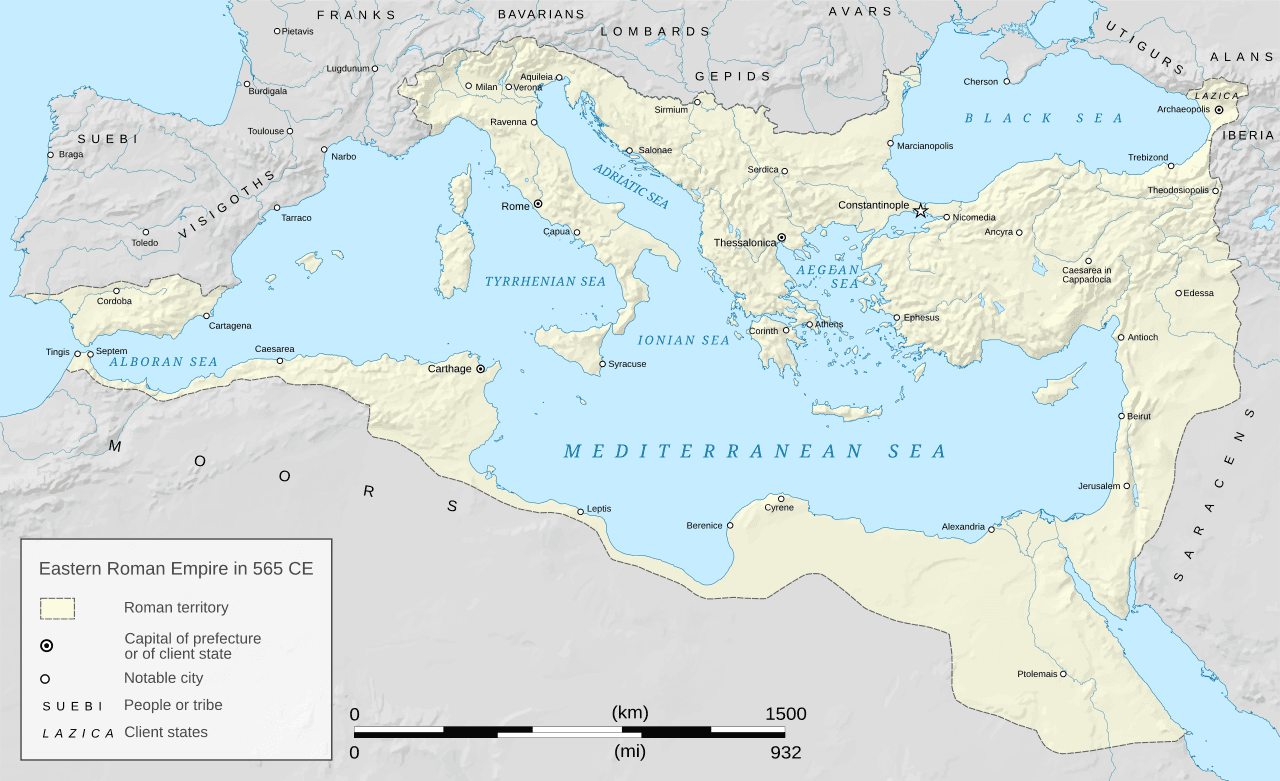
Byzantine Empire
event · 395 CEFor more than a thousand years, the citizens of the state we now call the Byzantine Empire lived and died under the conviction that they were, simply and indisputably, Romans.
- 04
1453. An Ottoman cannon breaches the Theodosian walls. The longer story finally ends — but its religious, legal, and political DNA persists.
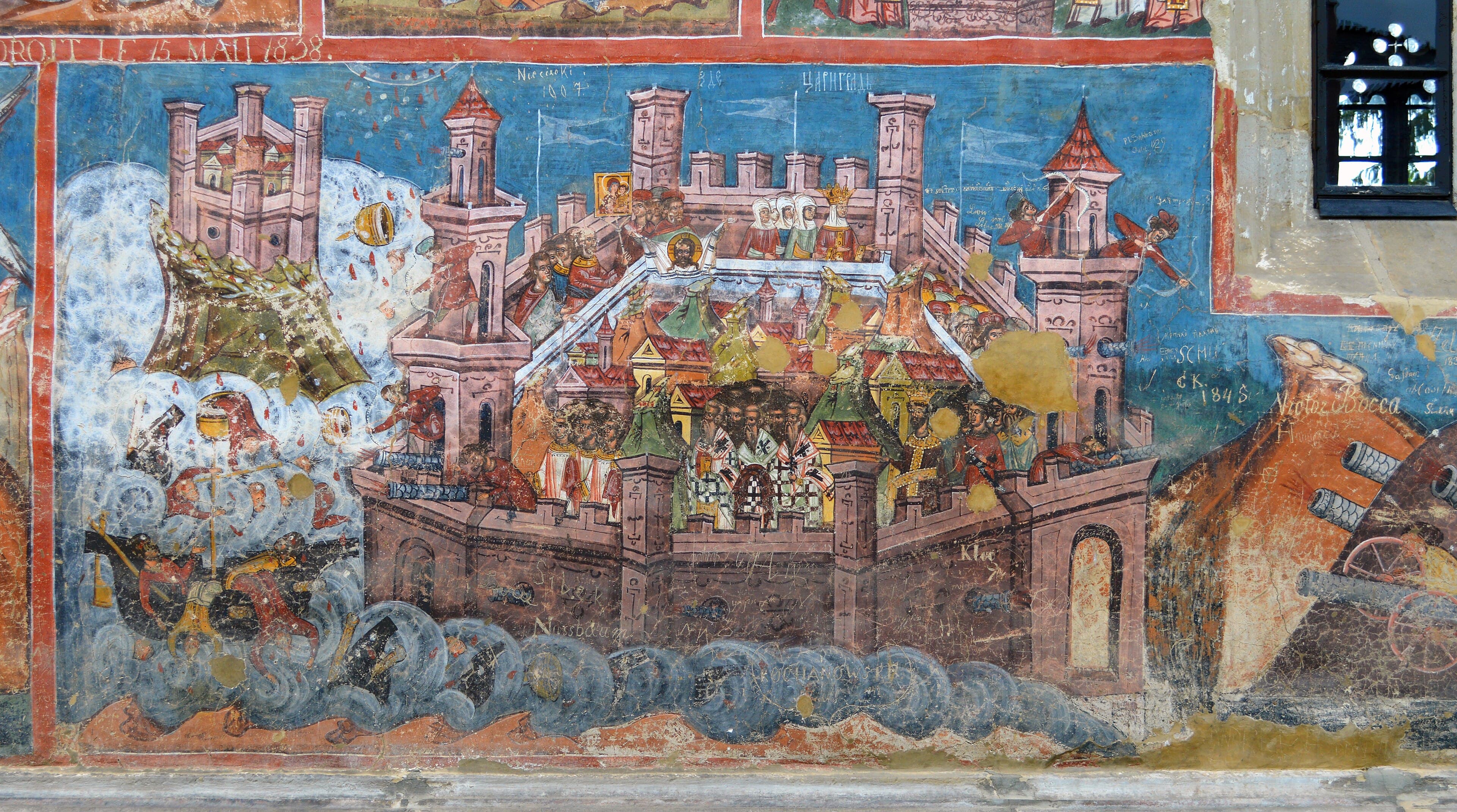
Fall of Constantinople
event · 1453 CEFor eleven centuries, the massive stone ramparts of Constantinople stood as the ultimate symbol of imperial permanence, shielding the heirs of Rome from generations of invaders.
- 05
The sultan who takes the city at twenty-one. Declares himself Kayser-i Rûm — Caesar of Rome — and means it. The capital that survived the empire becomes the seat of a new one that, in its own way, continues the project.
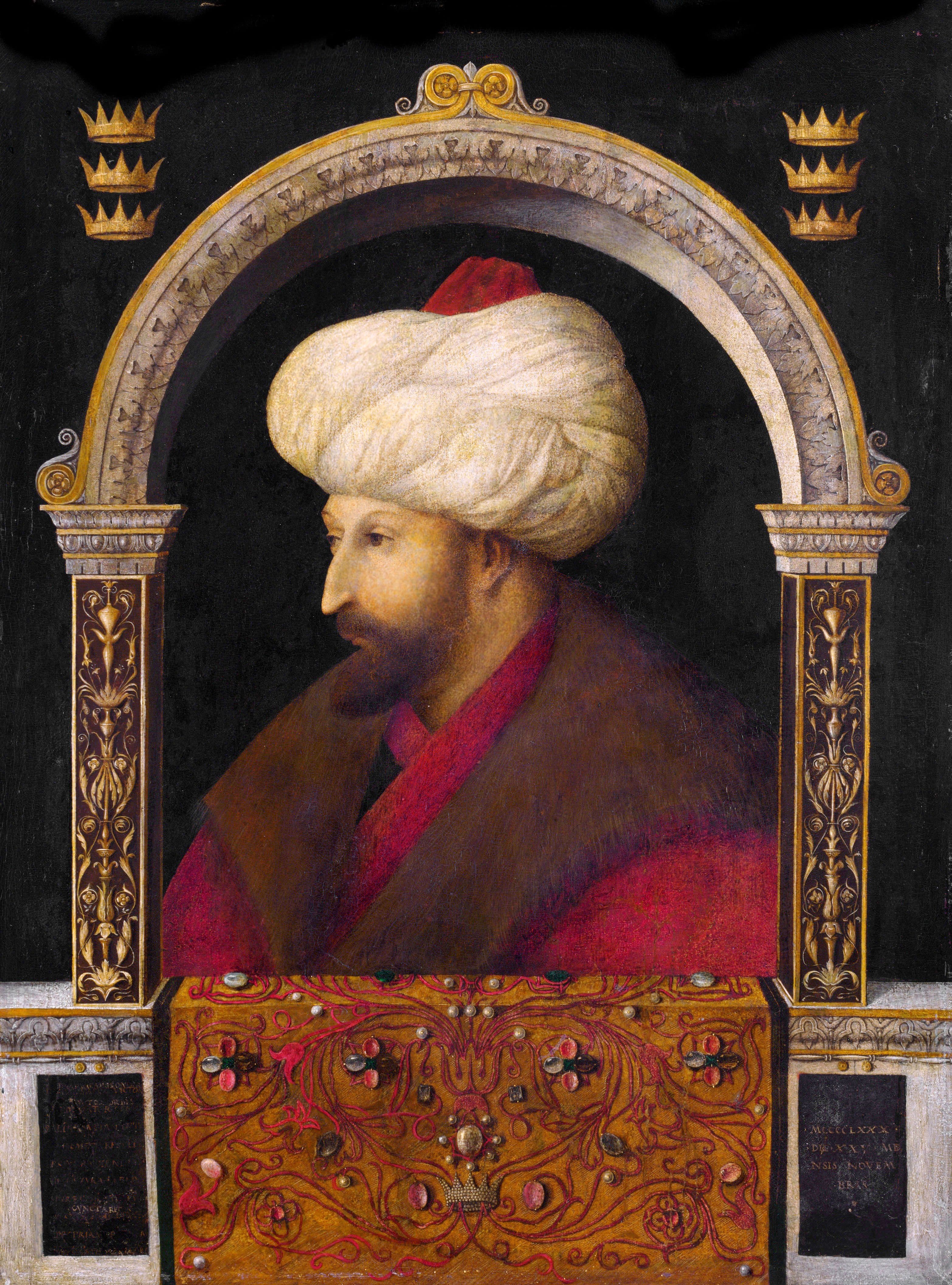
Mehmed II
person · 1432 CEThe young sovereign who took the Ottoman throne for a brief first reign in 1444 was only twelve years old, yet he quickly found himself commanding armies to turn back a European crusade led by John Hunyadi.