Thread · 6 entries
The axial age
Six teachers, all alive within a few generations of each other on three different continents — and the shape of moral thought ever since.
Karl Jaspers gave the period its name. From roughly 800 to 200 BCE, on the Yellow River, the Ganges plain, the Iranian plateau and the Greek peninsula, six teachers (give or take) articulated the moral and metaphysical frameworks the rest of human history has since been arguing with. They did not know about each other. The synchrony is the interesting part.
- 01
Lu state, fifth century BCE. The ethical posture of restraint, study, and ritual fidelity that would become the spine of East Asian civilisation.
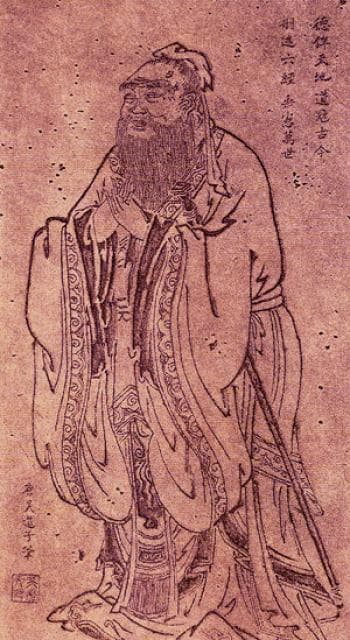
Confucius
person · 551 BCEThe master who would shape the moral architecture of East Asia did not see himself as an innovator, but as a preservationist.
- 02
Probably contemporary or slightly later. The complementary tradition: withdrawal, paradox, the path that cannot be named.
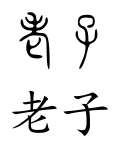
Laozi
person · 6th c. BCESomewhere in the sixth century BCE, in the southern state of Chu, an archivist of the royal Zhou court named Li Er is said to have grown weary of the declining dynasty and departed for the western wilderness.
- 03
Ganges plain, also fifth century. The teaching that liberation lies in seeing the dependent arising of every condition.
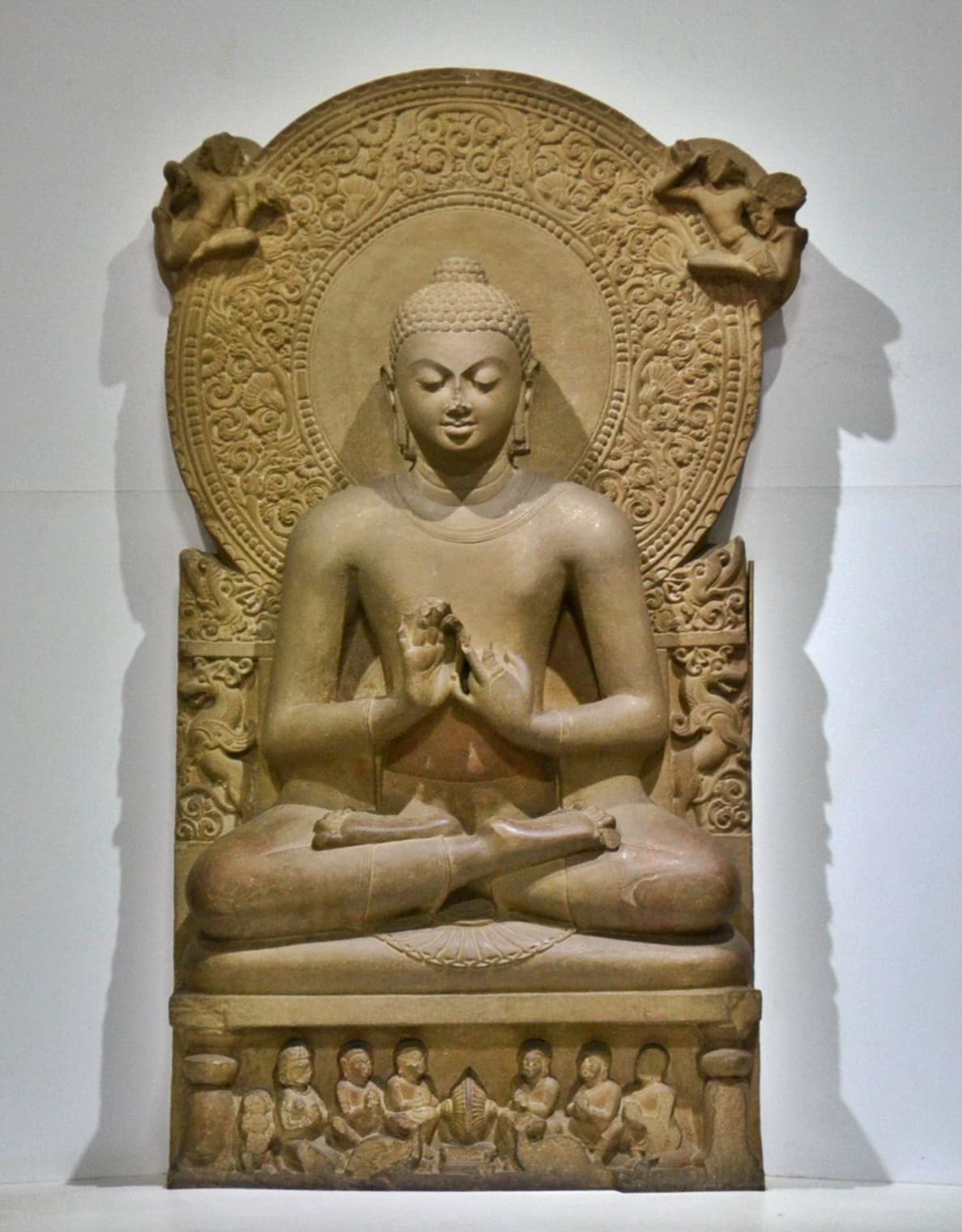
The Buddha
person · 1k BCETo understand the transformation of Siddhartha Gautama is to trace a path of deliberate renunciation.
- 04
Older, but reaching its mature form in this same window. Cosmic dualism, the ethical responsibility of free choice, the eschatology that will feed into Judaism, Christianity, and Islam.
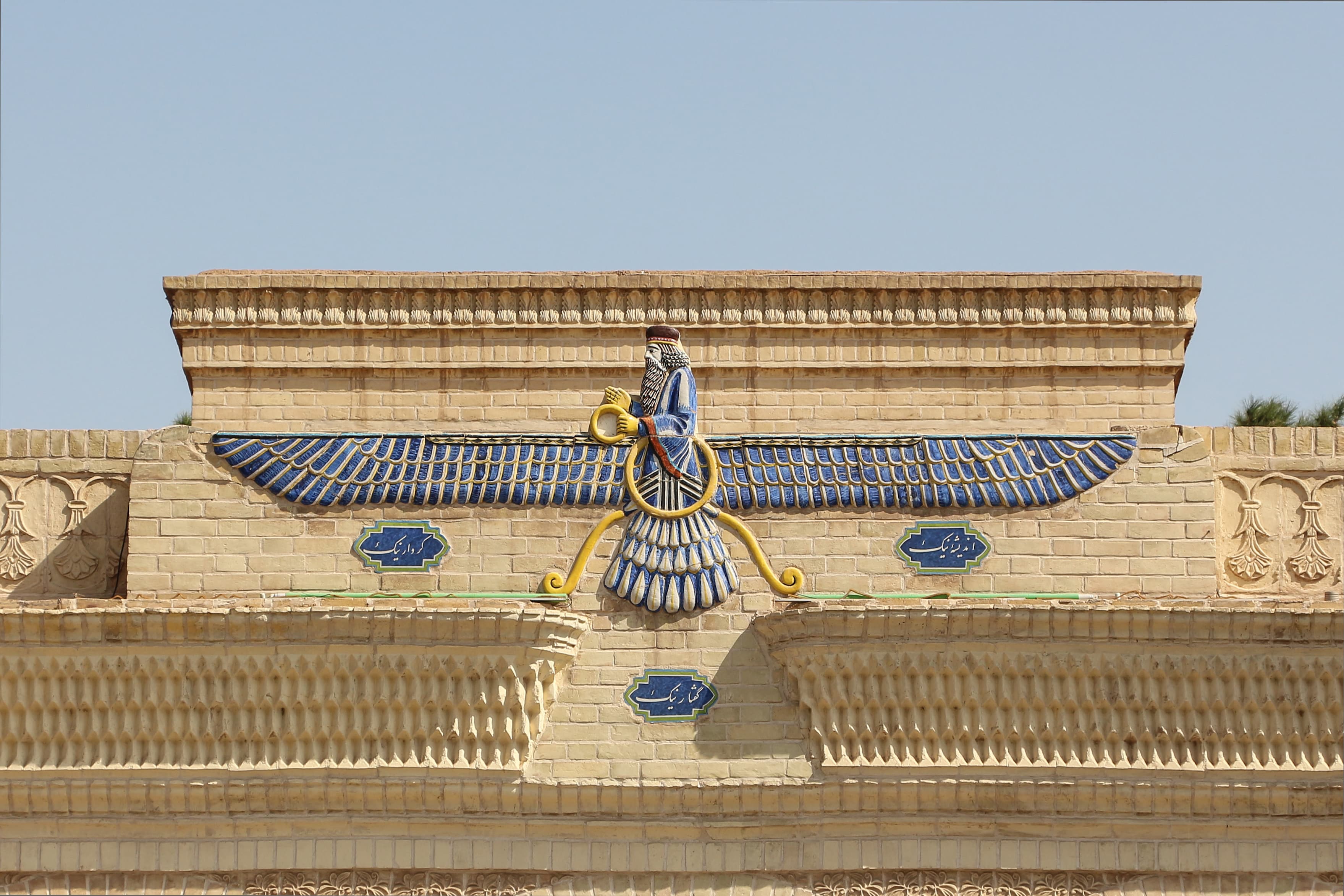
Zoroastrianism
organization · 1500 BCELong before the rise of the global faiths that dominate the modern mind, a transformative moral vision emerged from the Iranian plateau, dividing the cosmos into an eternal struggle between light and chaos.
- 05
Athens, late fifth century. The conviction that the unexamined life is not worth living, pursued to the end at trial.
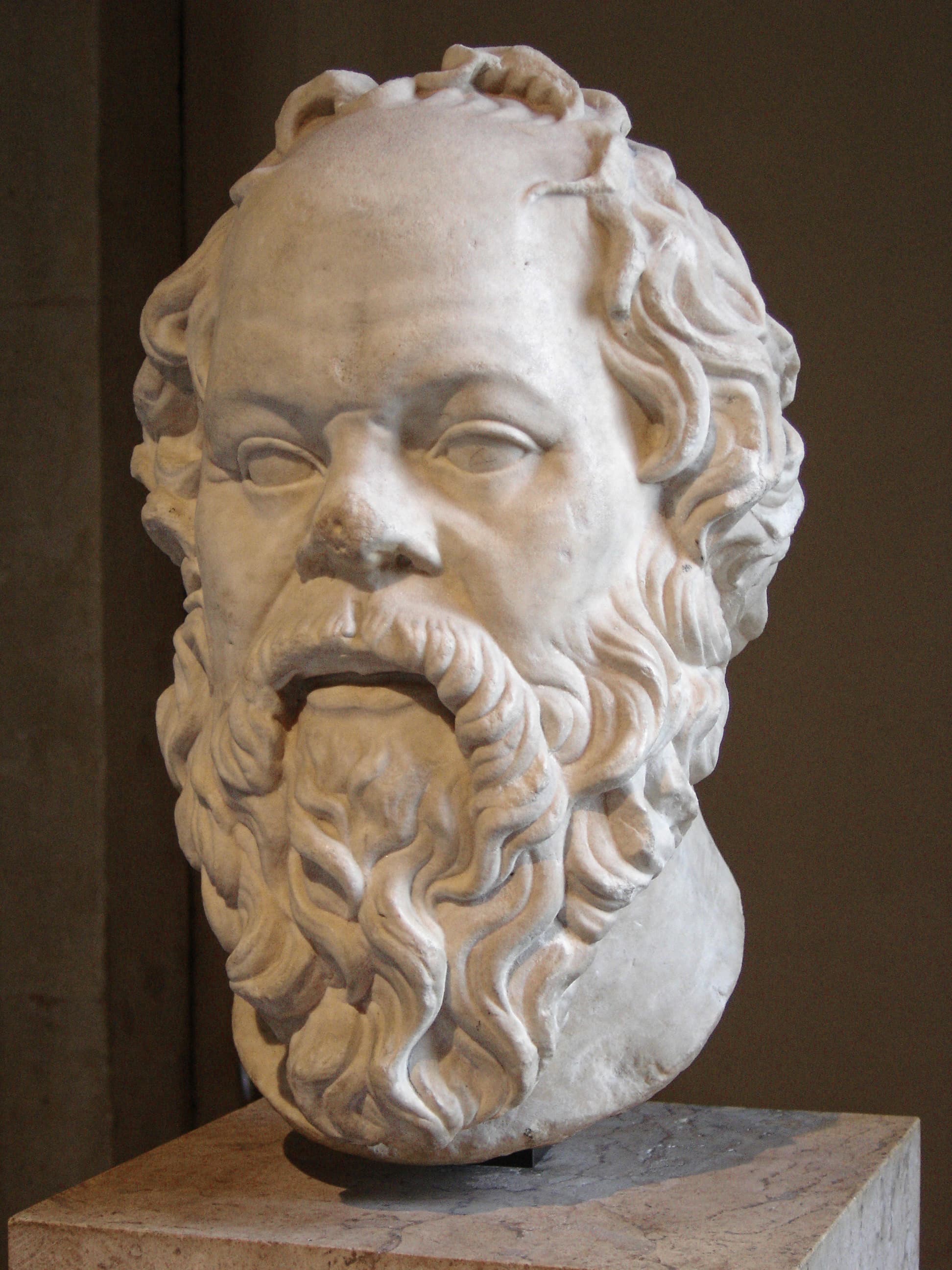
Socrates
person · 470 BCEIn ancient Athens, a man who wrote absolutely nothing managed to permanently reshape the trajectory of human thought.
- 06
Athens, fourth century. The student who wrote down the master — and then built the philosophical architecture that the western tradition has been borrowing pieces from ever since.
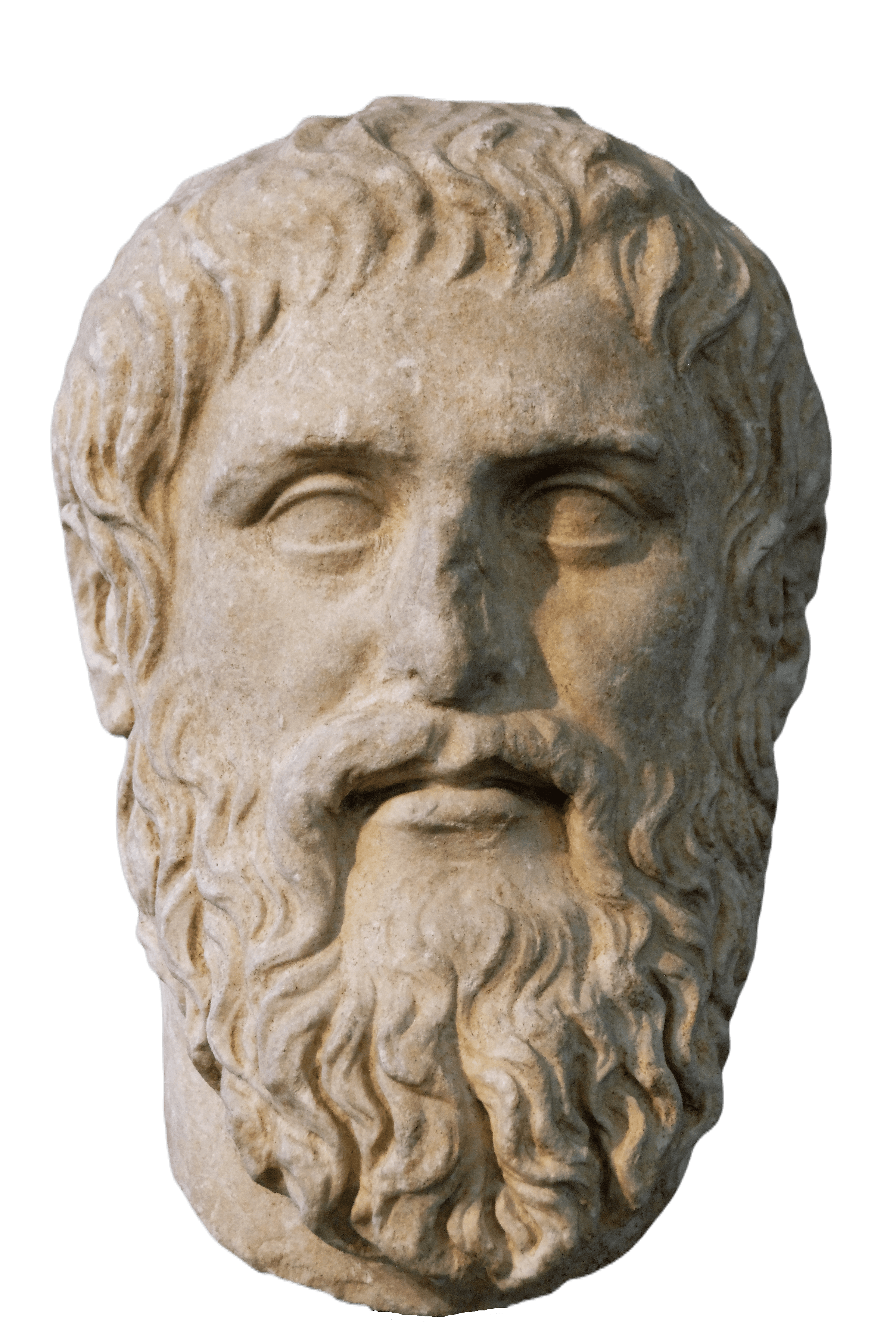
Plato
person · 430s BCETo burn one’s own tragedies and lyric poems after a single encounter with a teacher is the act of a young man experiencing a quiet intellectual revolution.