Alexandria
  • Search
  • Timeline
  • Map
  • Graph
  • Threads
  • Civilizations
  • Eras
  • Random
Alexandria

A living digital encyclopedia of human civilization. Begin anywhere; follow the threads.

Browse

  • Threads
  • Civilizations
  • Eras
  • Timeline
  • Map
  • Graph
  • Random entry
  • About

Sources & licensing

  • Adapted prose from Wikipedia under CC BY-SA 4.0.
  • 1911 Encyclopædia Britannica entries used as a second source where available — public domain in the United States.
  • Imagery via Wikimedia Commons; individual attribution shown on each entry.
  • Source code at github.com/chloeilabs/alexandria.
Alexandria · 2026Begin anywhere; follow the threads.
Era · 1000 BCE – 500 CE · 75 entries

The Classical era

Roman Republic and Empire
  • Carthage

    place · 9th c. BCE

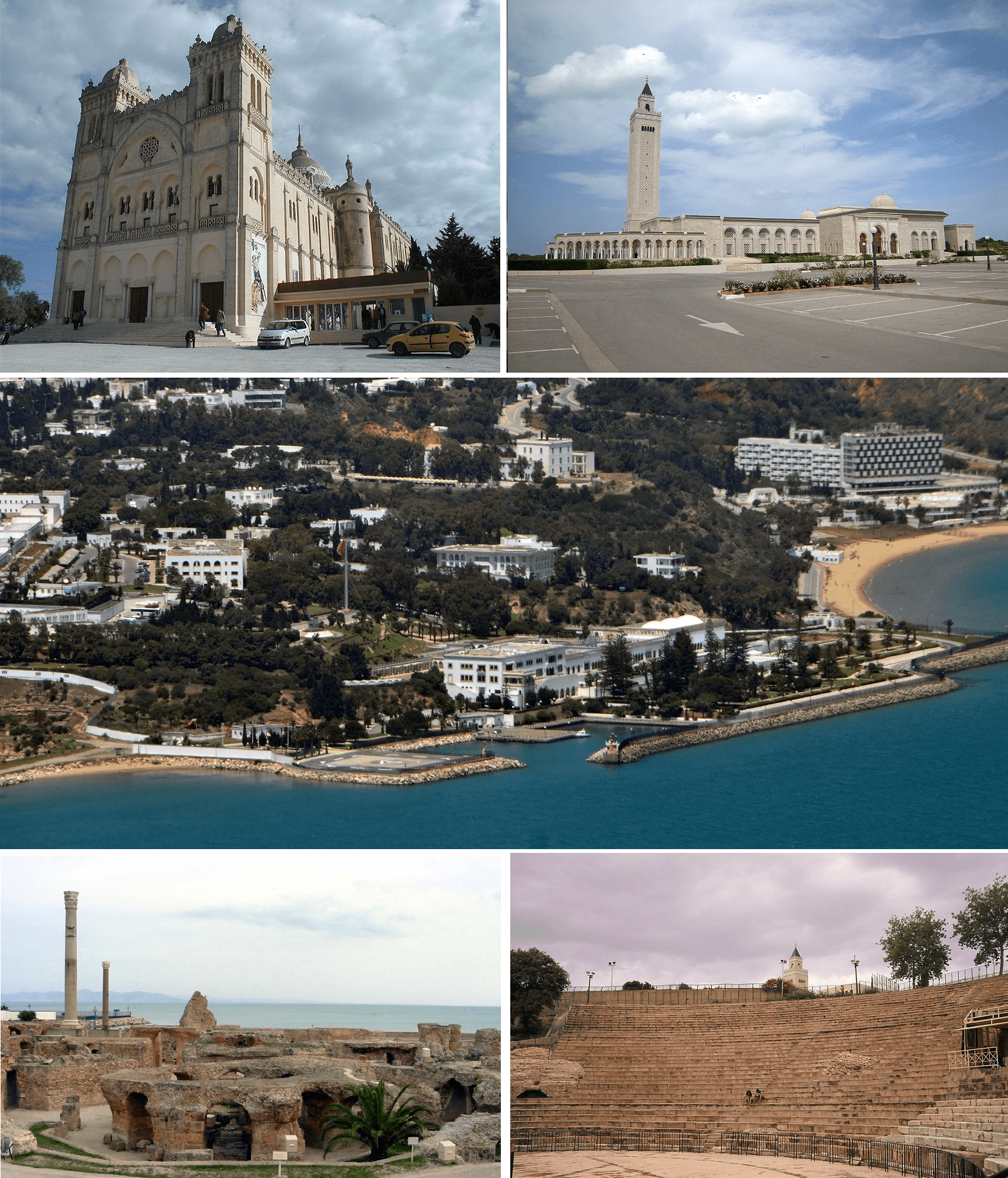
    A city born of myth on the eastern edge of the Lake of Tunis, Carthage began as a Phoenician colony founded by the legendary Queen Dido, who secured her territory by the clever slicing of a single oxhide.
  • Roman Republic

    event · 509 BCE

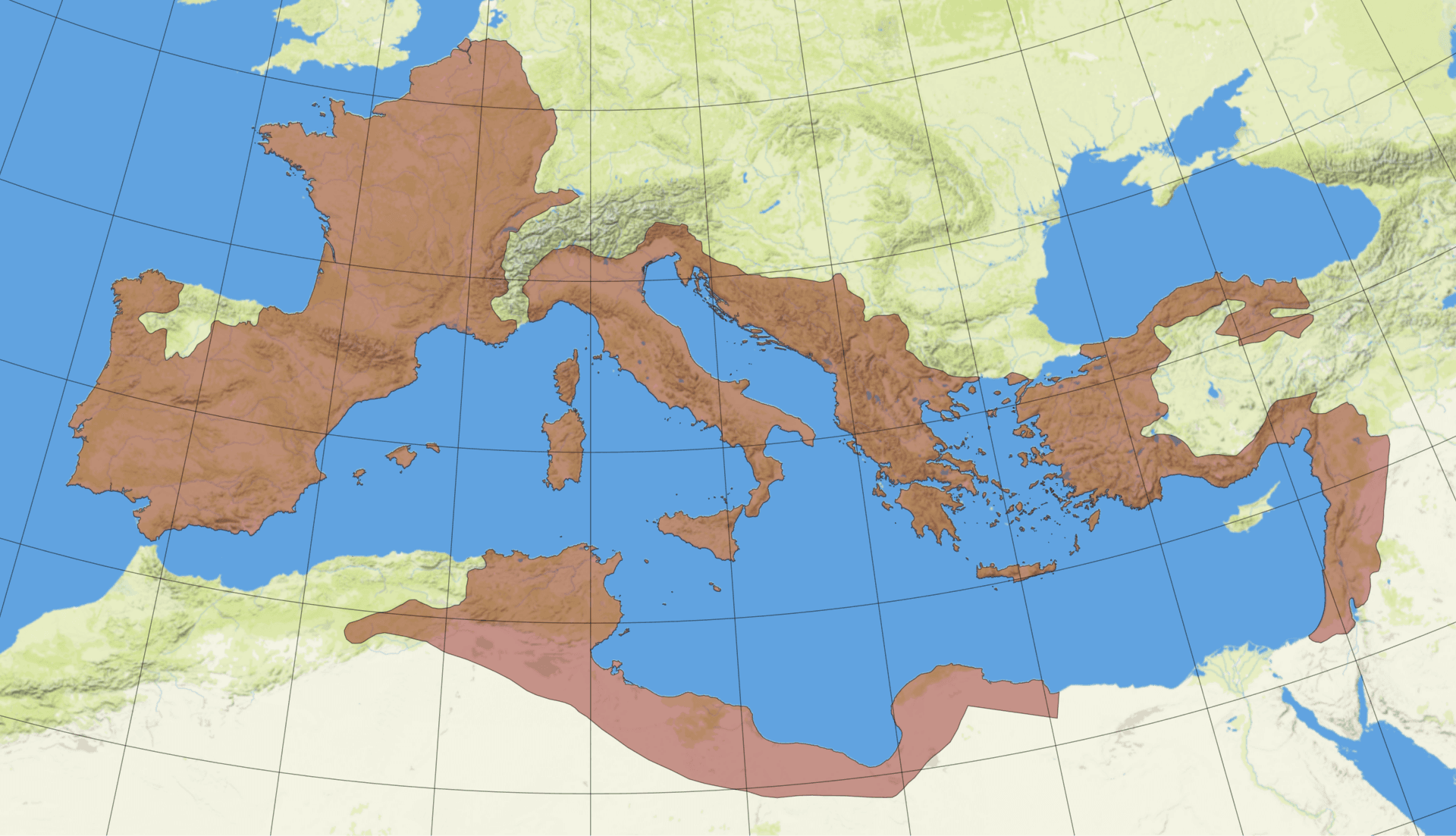
    To understand the Roman Republic is to look upon a society in a state of near-perpetual warfare, a state that forged itself through relentless expansion.
  • Hannibal
person · 247 BCE

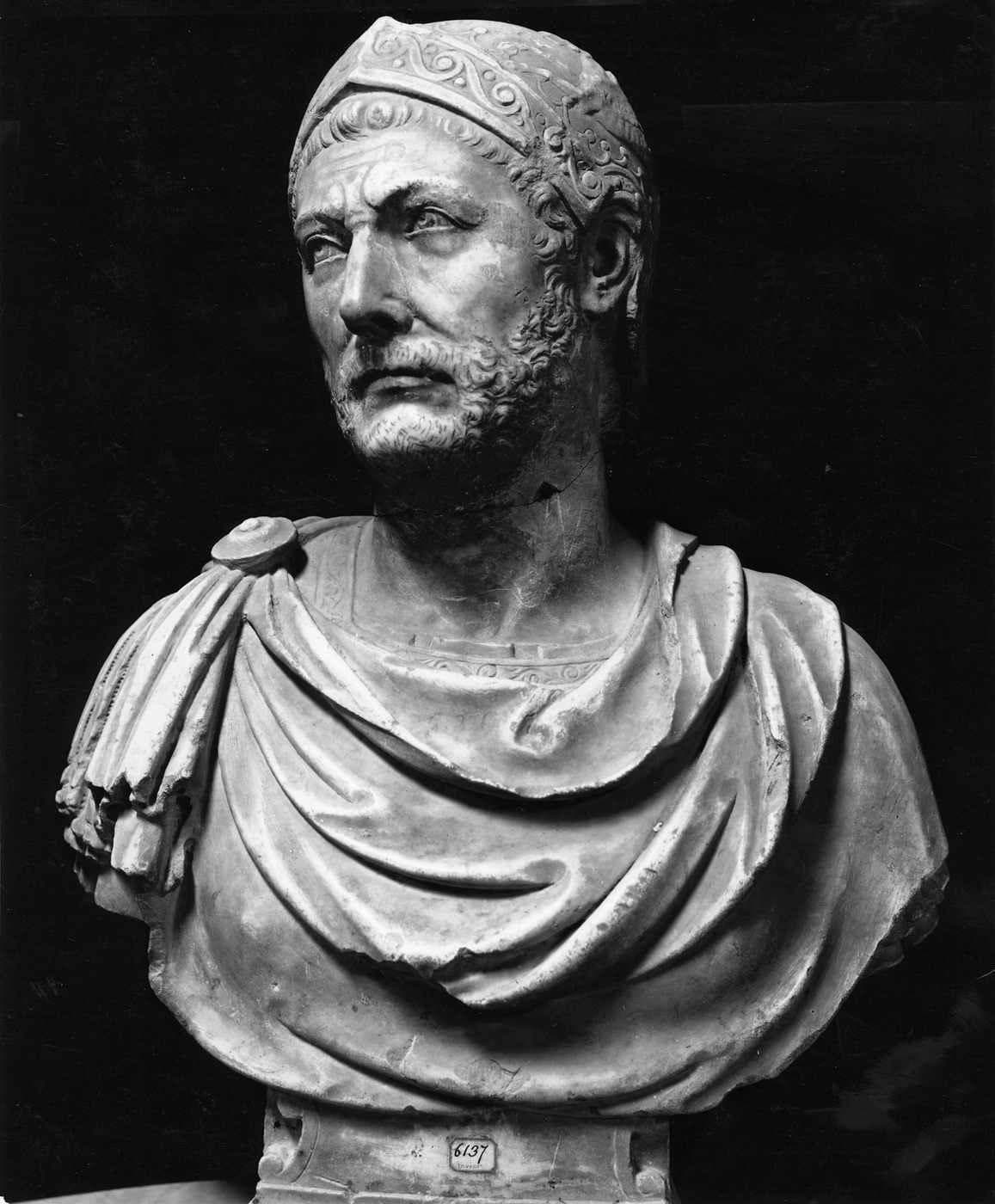
The boy who would nearly dismantle the Roman Republic began his mission with a childhood oath, swearing to his father that he would never be a friend to Rome.

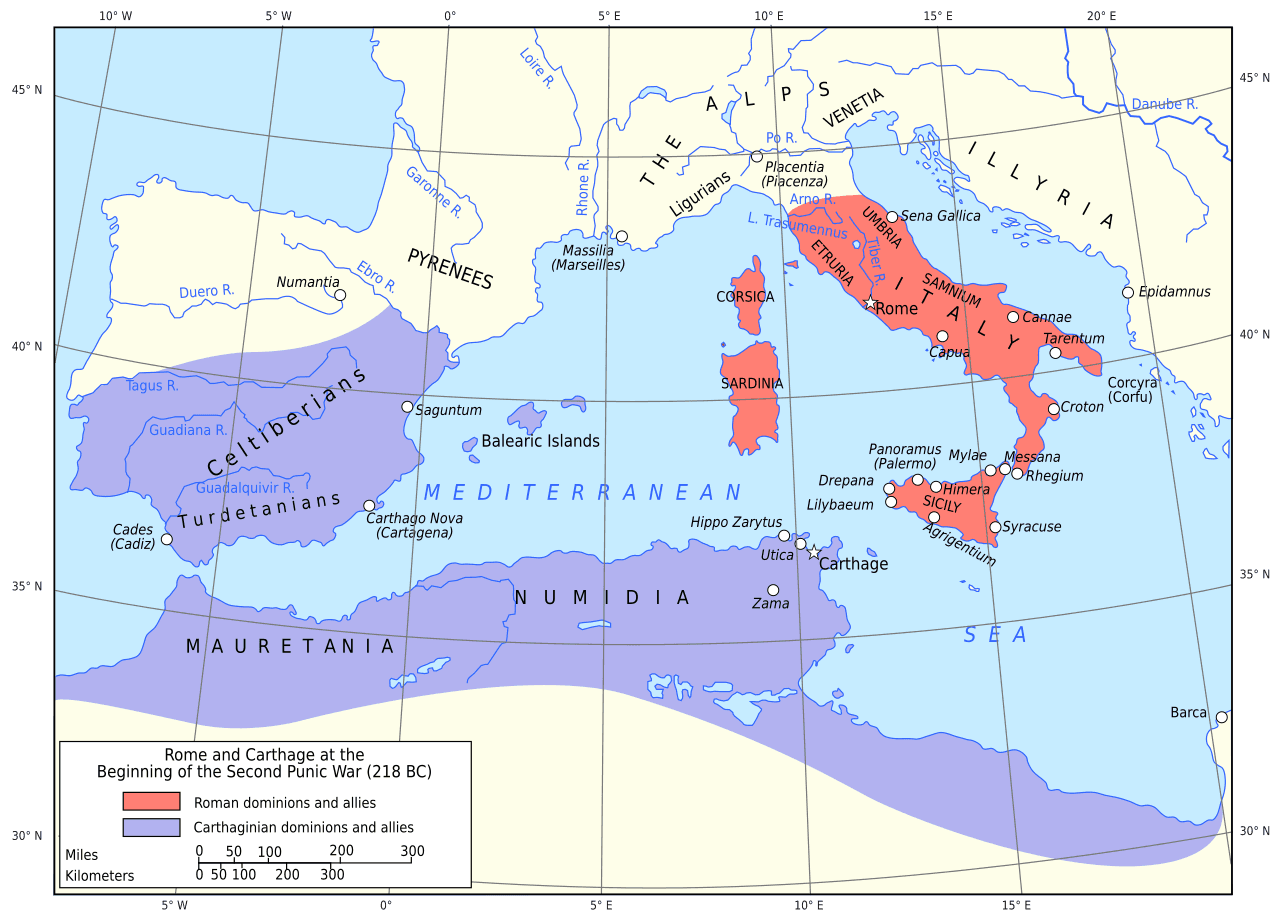
  • Second Punic War

    event · 218 BCE

    For seventeen years, the western Mediterranean was consumed by a struggle for absolute supremacy between Rome and Carthage, a conflict that escalated into a global conflagration drawing in Macedonia, Syracuse, and the…

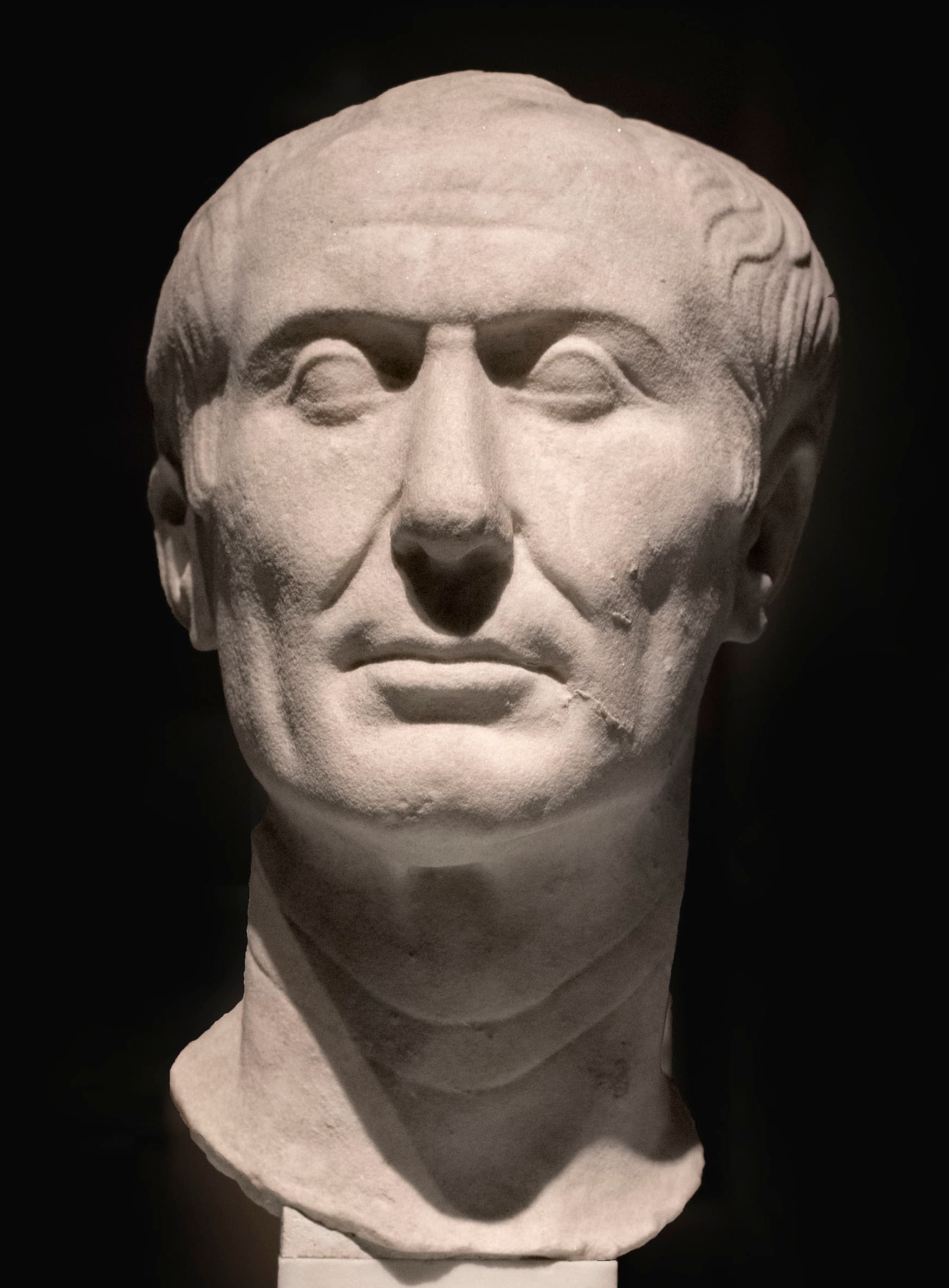
  • Julius Caesar

    person · 100 BCE

    When Gaius Julius Caesar crossed the Rubicon in January of 49 BCE, he did more than launch an army toward Rome; he set in motion the unraveling of the Roman Republic itself.

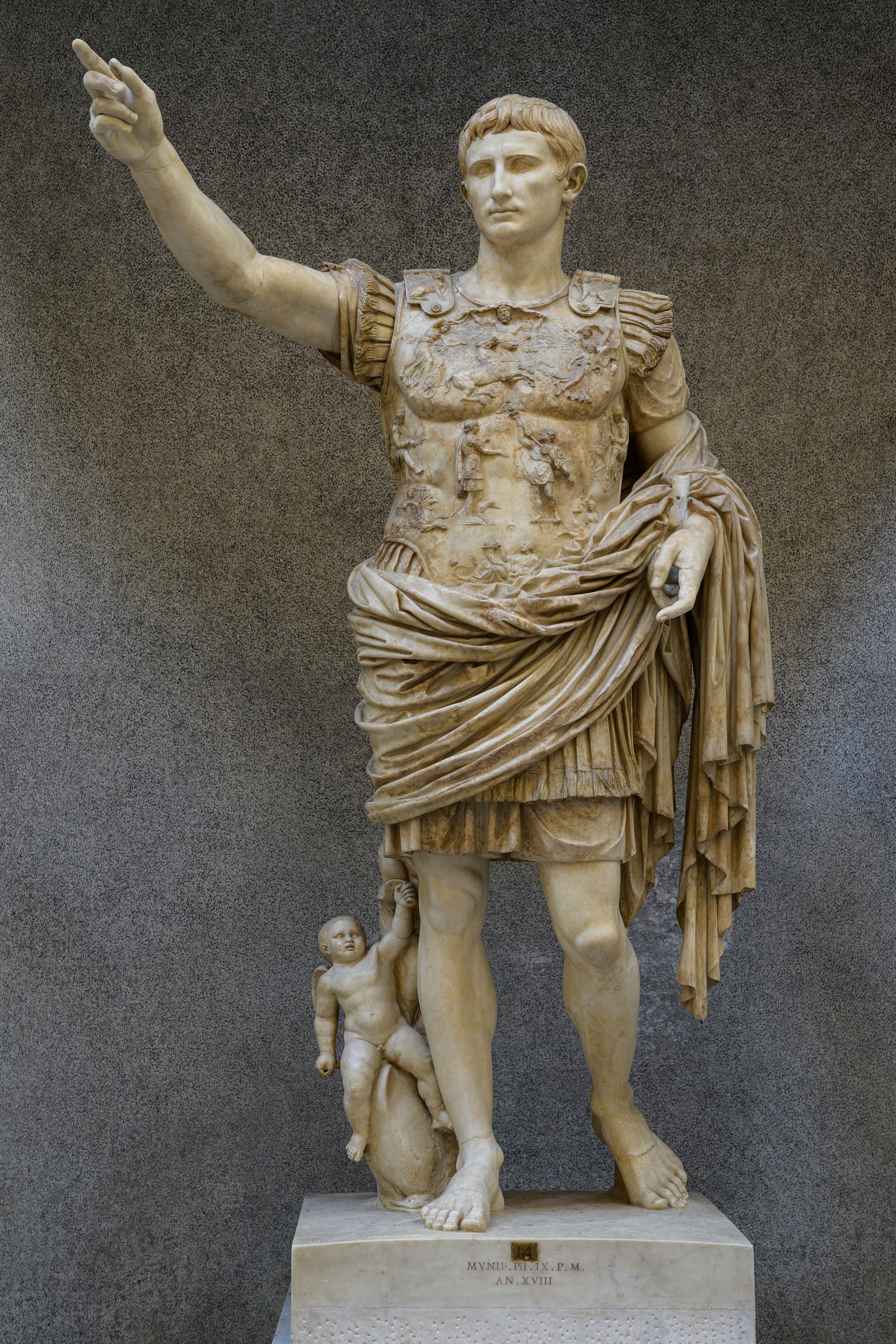
  • Augustus

    person · 63 BCE

    To understand the birth of the Roman Empire, one must look to a young man born Gaius Octavius, who inherited a name and a bloodline that would rewrite the destiny of the Mediterranean.

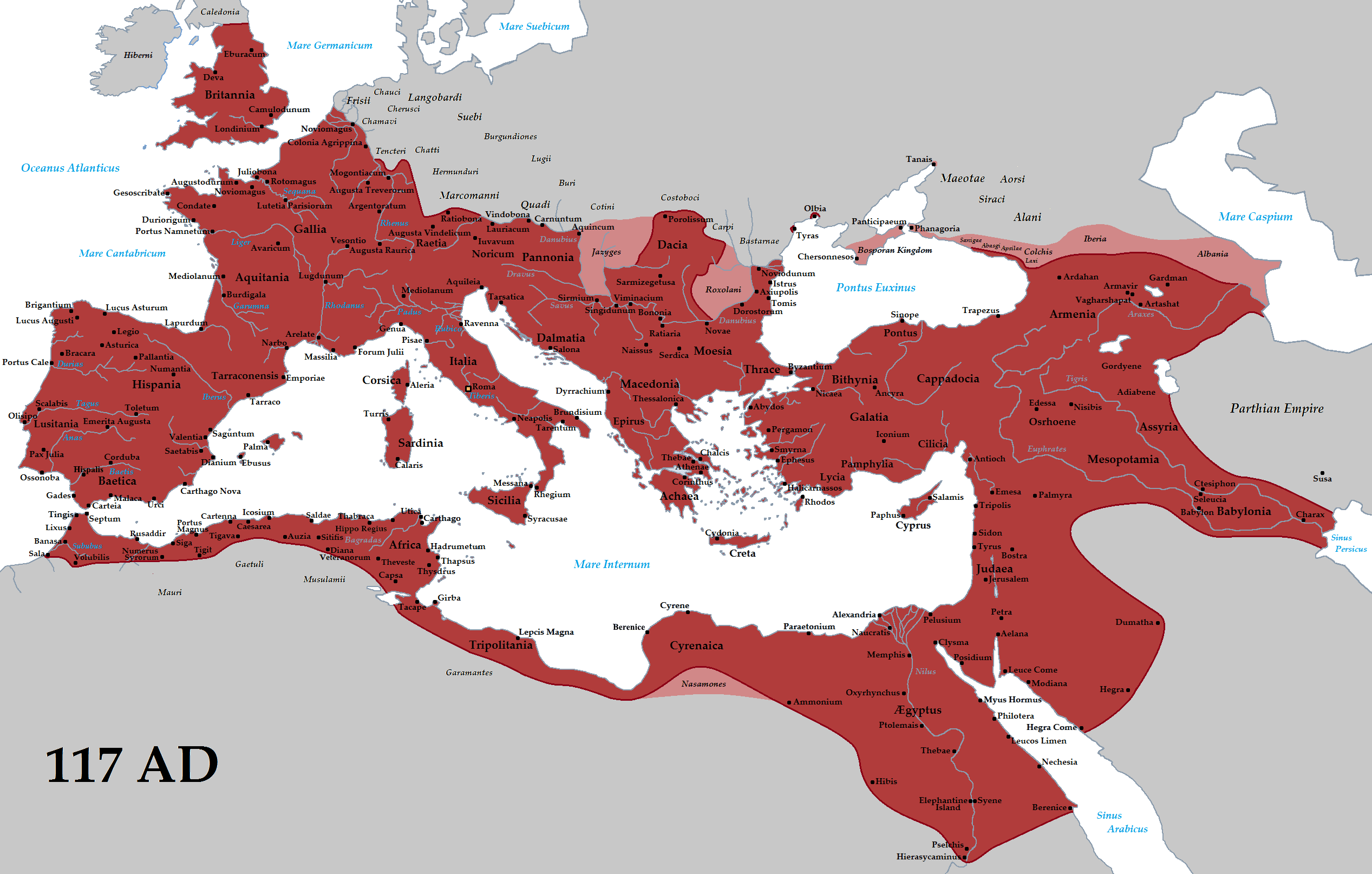
  • Roman Empire

    event · 27 BCE

    When Octavian defeated Mark Antony and Cleopatra at the Battle of Actium in 31 BCE, he did more than claim Egypt; he cleared the path to dismantle a fractured republic and replace it with a system of permanent…

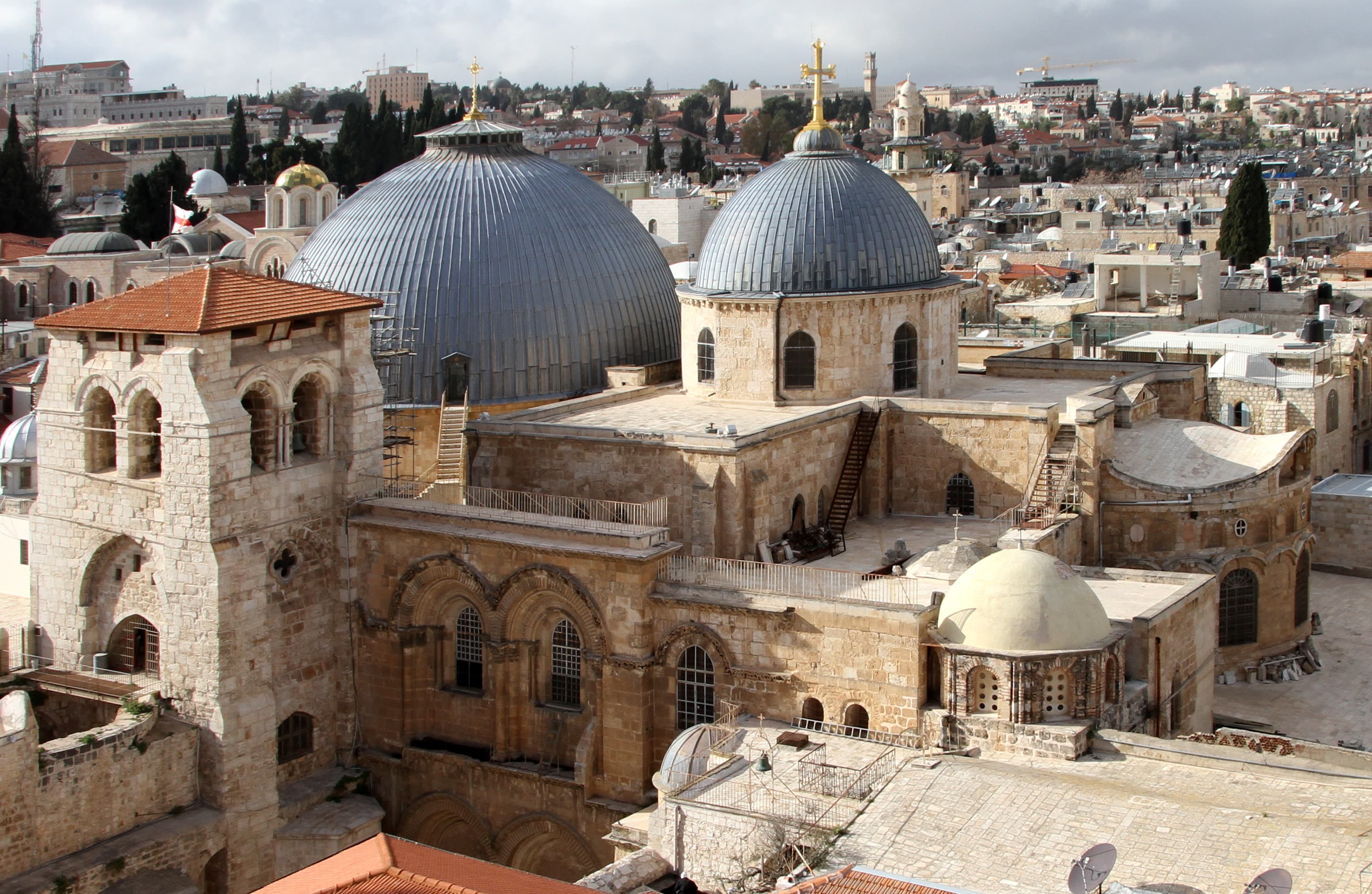
  • Christianity

    concept · 33 CE

    A minor Judaic sect with Hellenistic influences, emerging from the Roman province of Judaea in the first century, would go on to shape the course of global history.

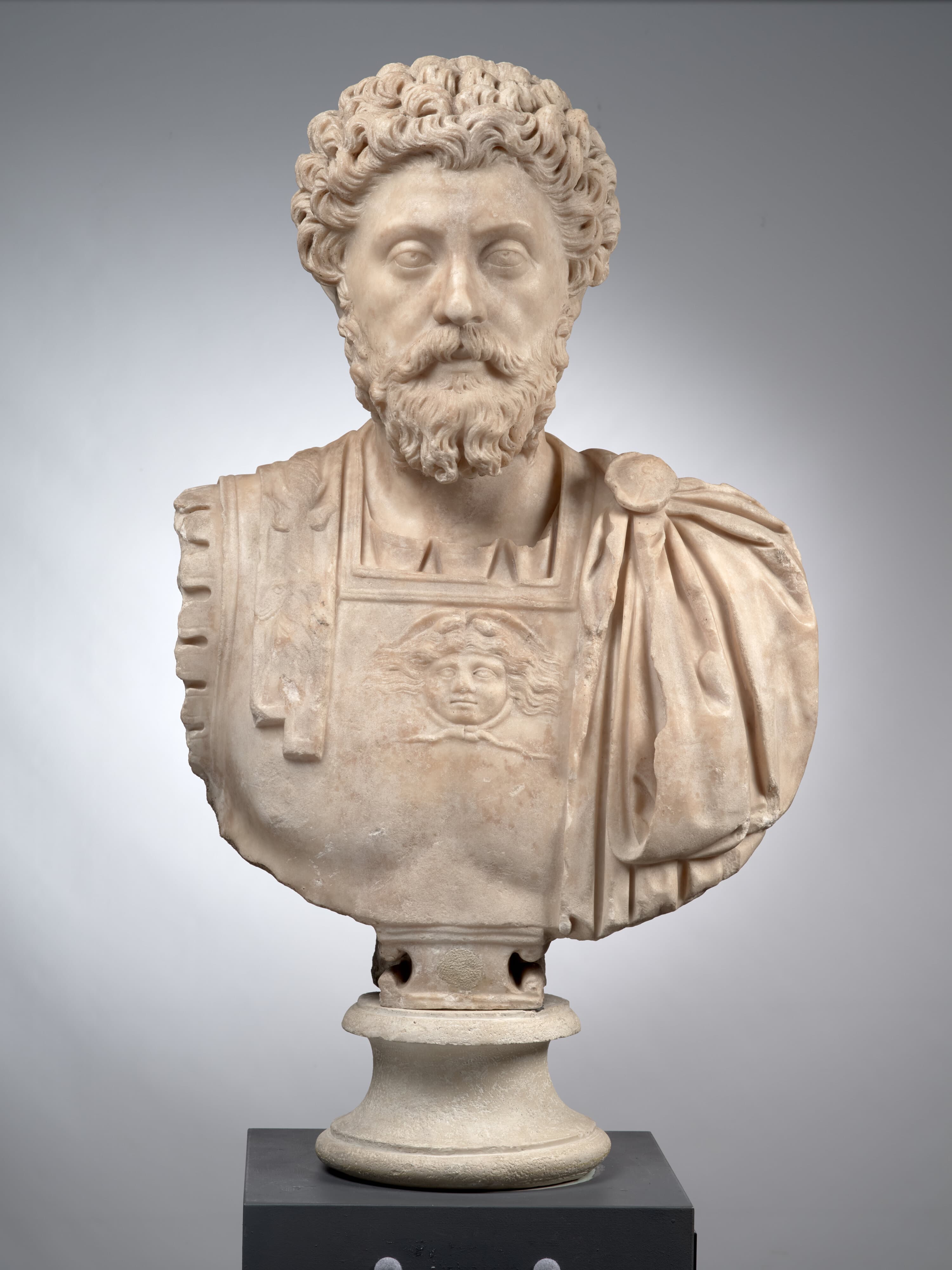
  • Marcus Aurelius

    person · 121 CE

    The closing chapter of the Pax Romana—a two-century epoch of relative stability for the Roman Empire—was shepherded by a man who divided his life between the violence of the imperial frontier and the quietude of Stoic…

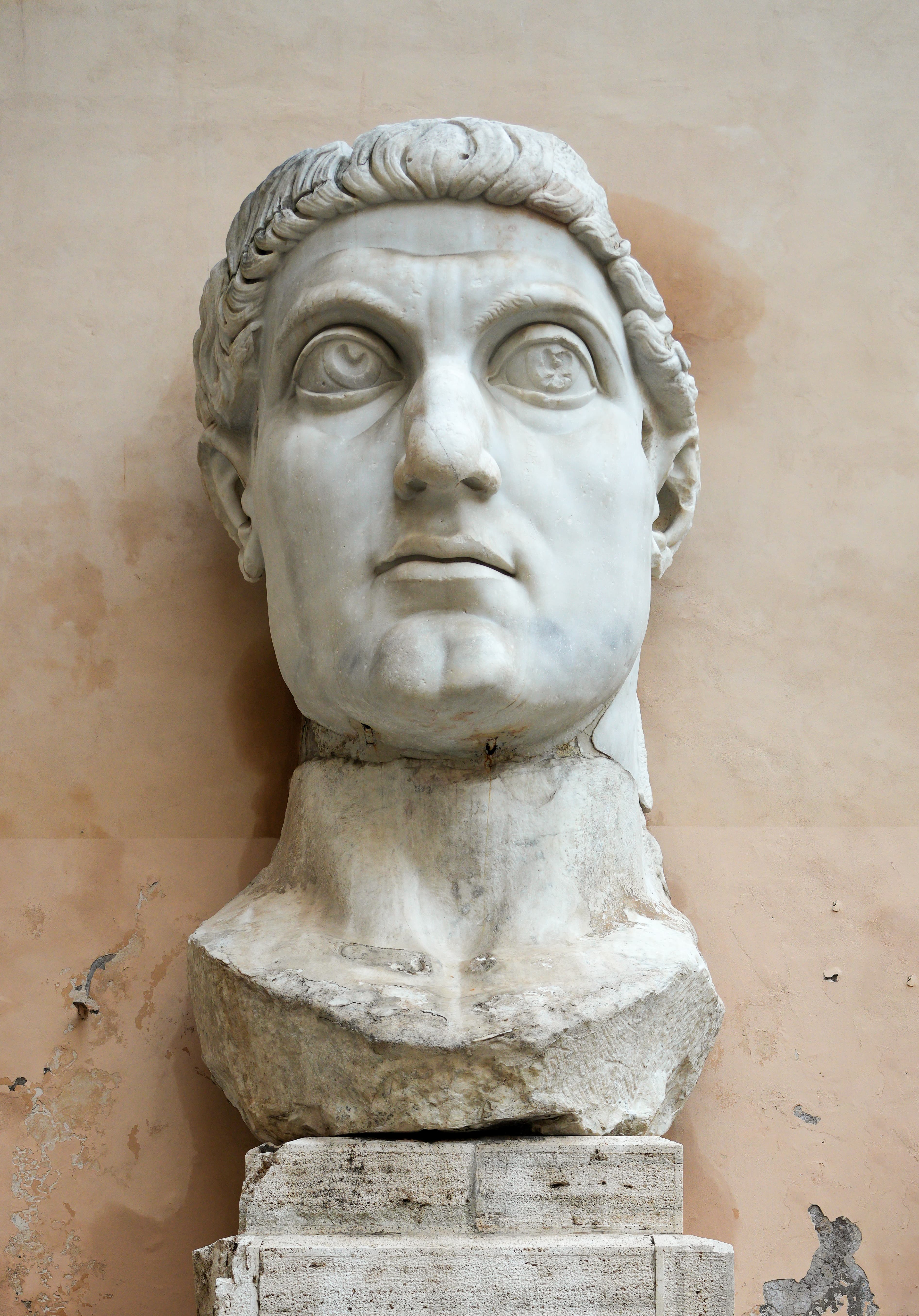
  • Constantine the Great

    person · 272 CE

    On 25 July 306 CE, in the remote Roman outpost of Eboracum—modern-day York—the soldiers of the Western Empire proclaimed Constantine I their emperor.

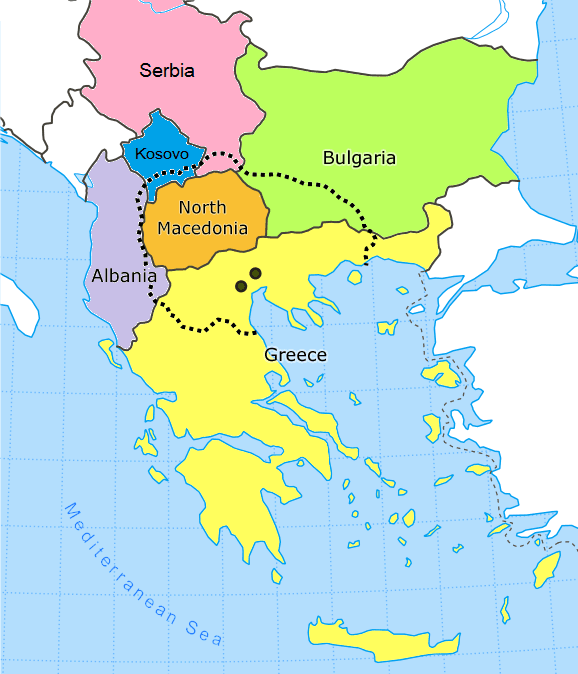
  • Classical Greece

    • Macedonia

      event · 808 BCE

      The story of ancient Macedonia is one of dramatic expansion and sudden contraction, a kingdom of Greek antiquity that briefly became the center of the known world before collapsing under the weight of foreign conquest.

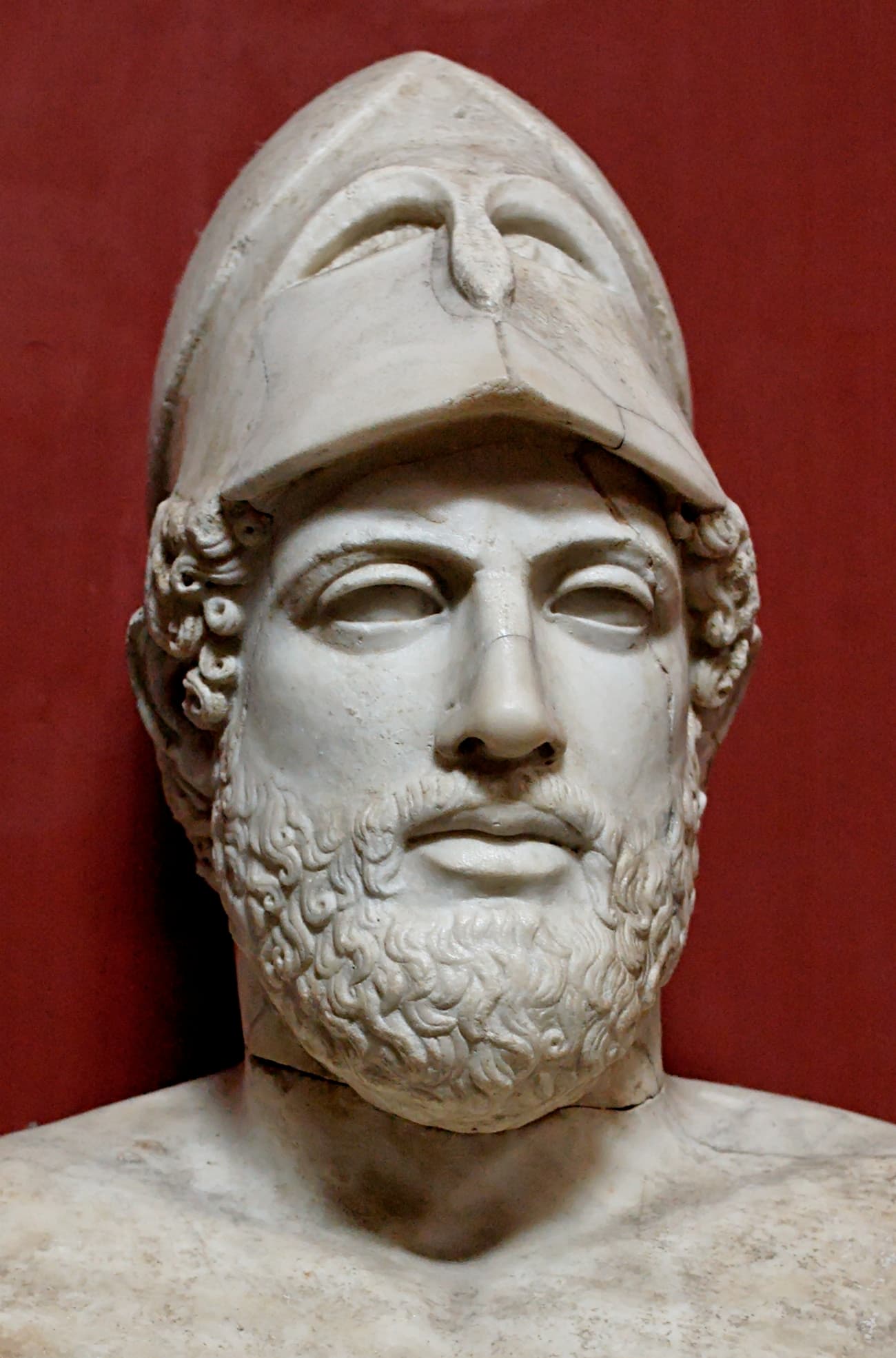
    • Pericles

      person · 494 BCE

      A few nights before giving birth, Agariste dreamed she had delivered a lion—an omen of greatness that foreshadowed the formidable figure her son would become.

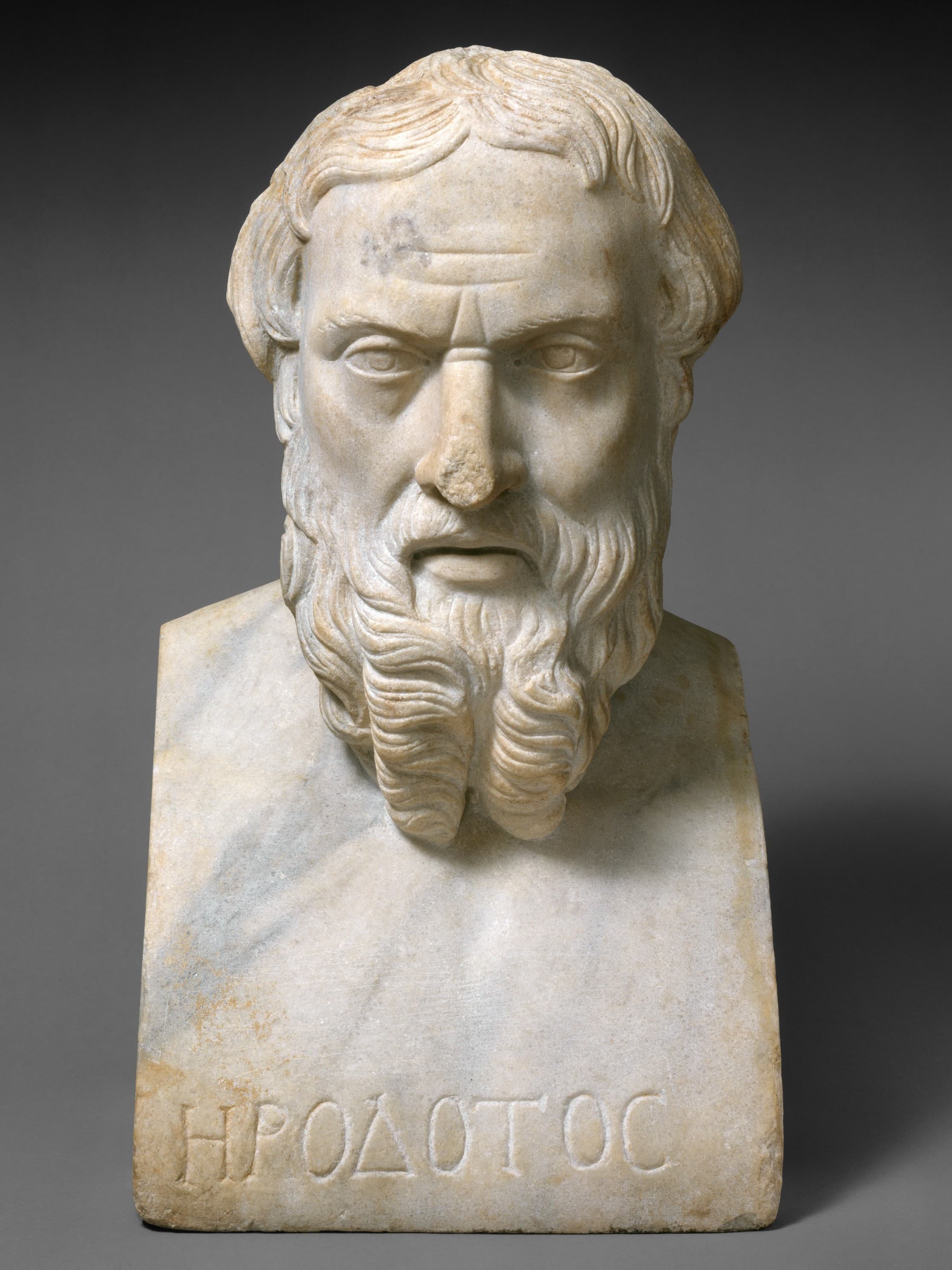
    • Herodotus

      person · 484 BCE

      To write the history of a world-shaping clash, one must first learn to listen to the world itself.

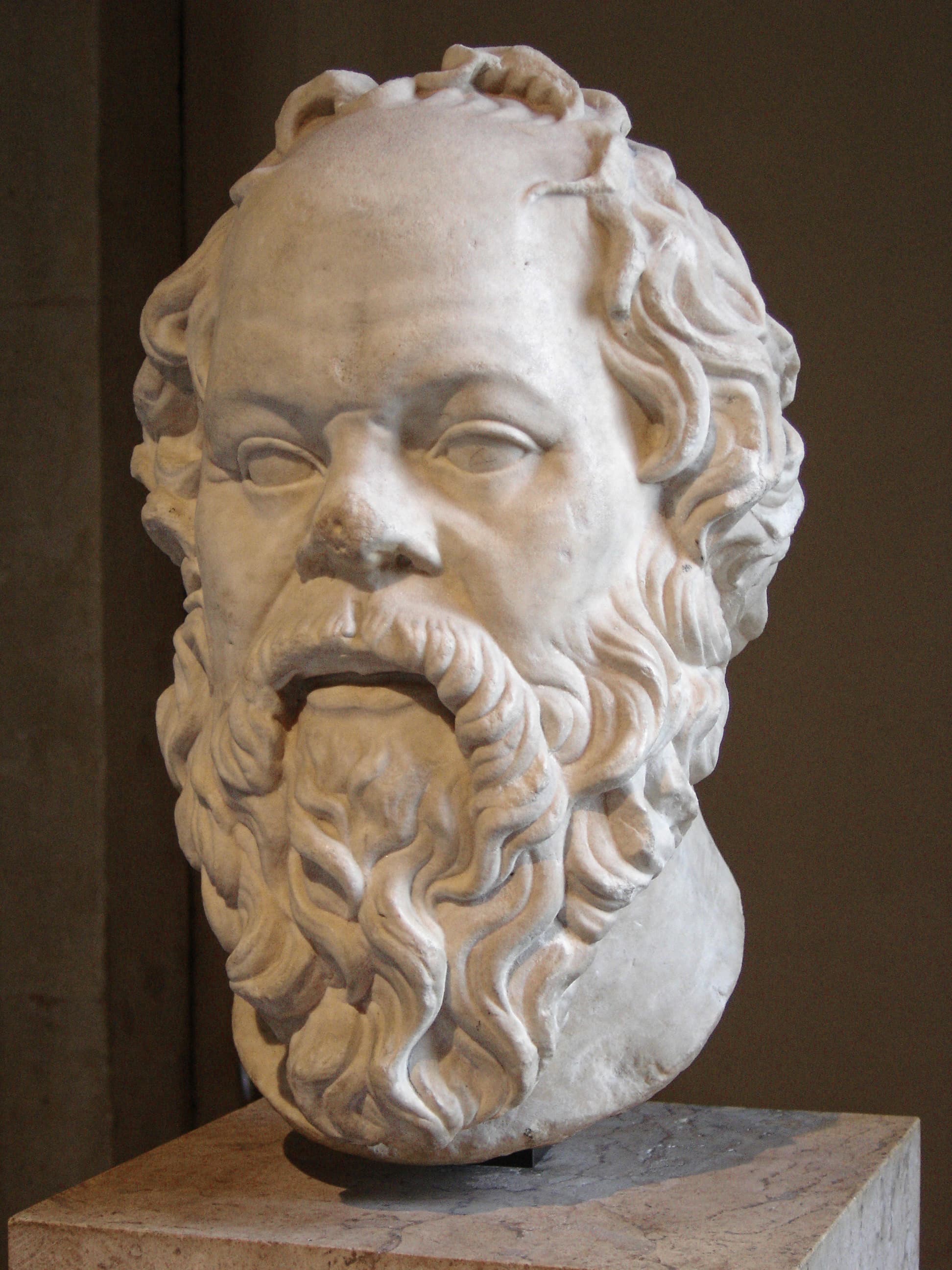
    • Socrates

      person · 470 BCE

      In ancient Athens, a man who wrote absolutely nothing managed to permanently reshape the trajectory of human thought.

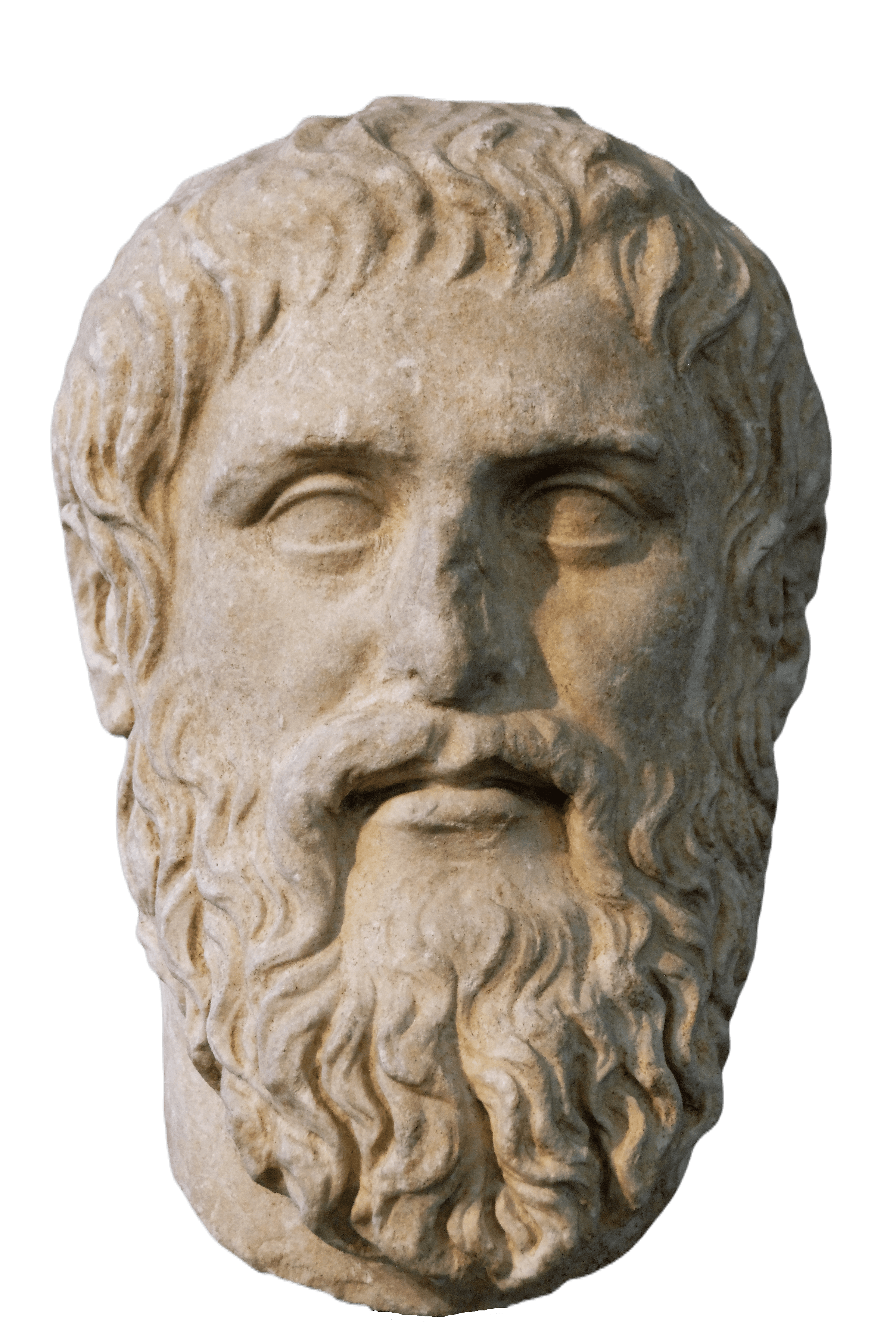
    • Plato

      person · 430s BCE

      To burn one’s own tragedies and lyric poems after a single encounter with a teacher is the act of a young man experiencing a quiet intellectual revolution.

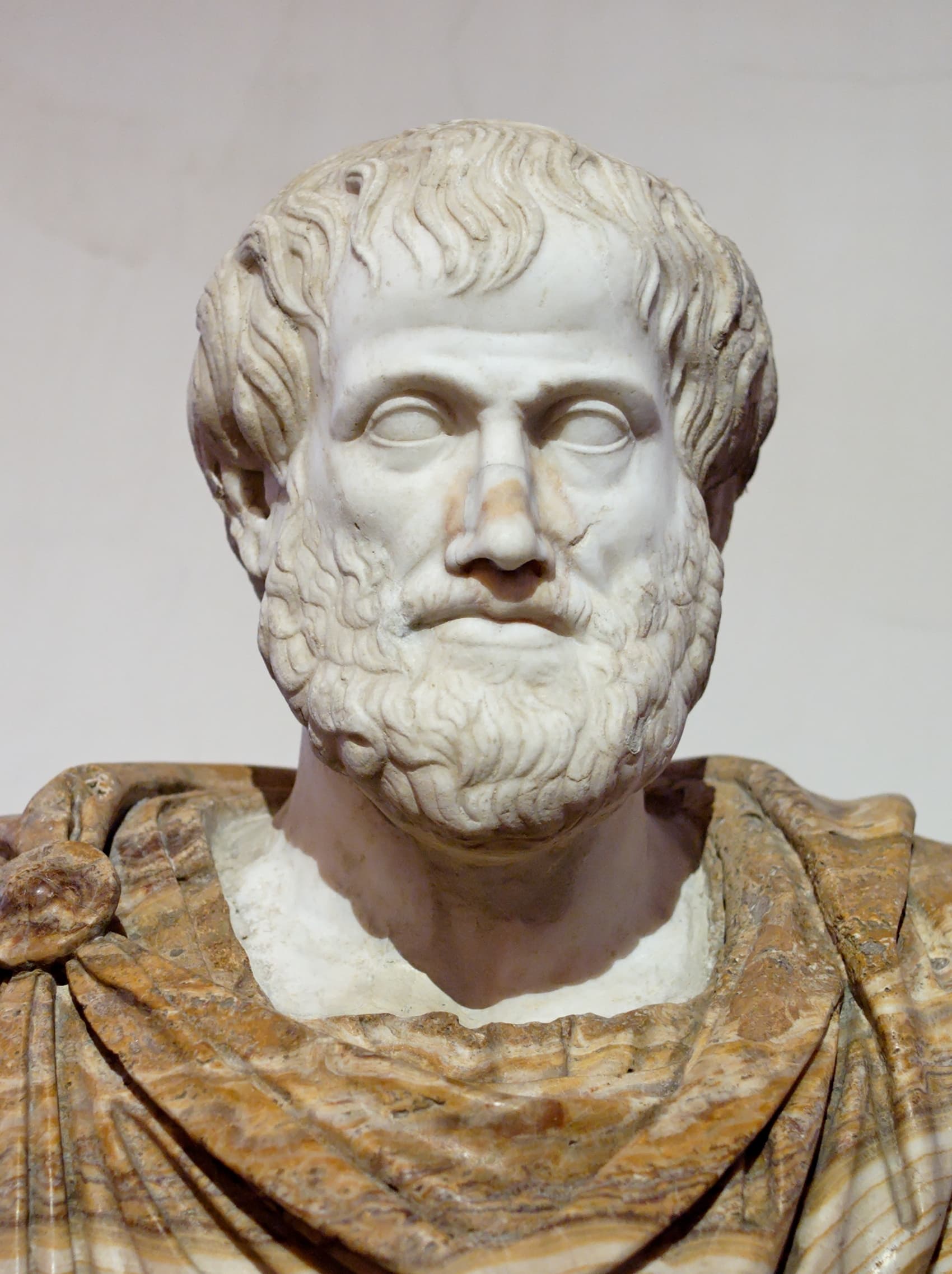
    • Aristotle

      person · 384 BCE

      We possess only a fraction of the words written by the man medieval scholars called simply "The Philosopher," and none of what survived was ever meant for the public eye.

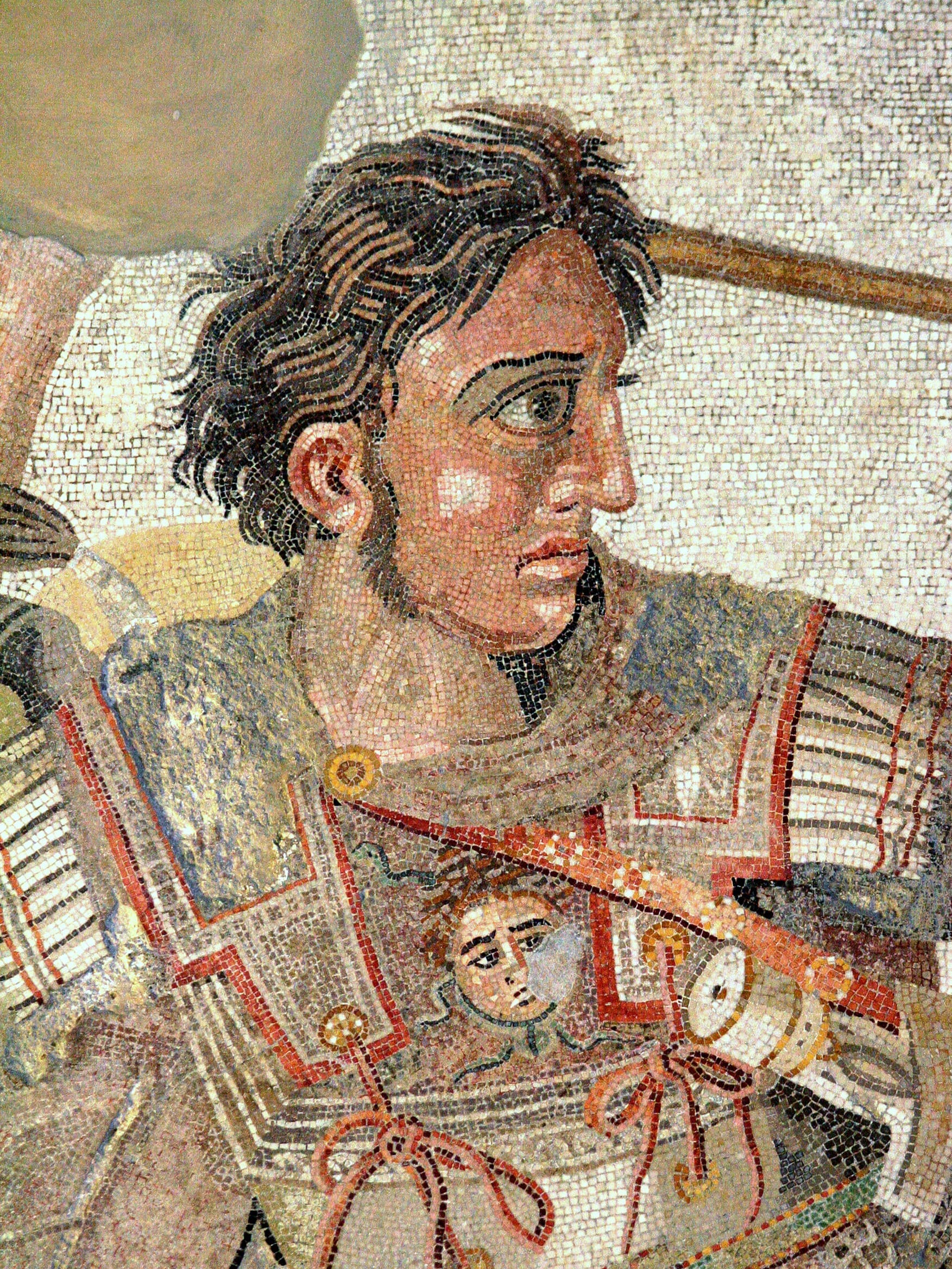
    • Alexander the Great

      person · 356 BCE

      By the time he was thirty years old, Alexander III of Macedon had carved an empire out of the ancient world that stretched from the Adriatic Sea to the waters of the Indus River.

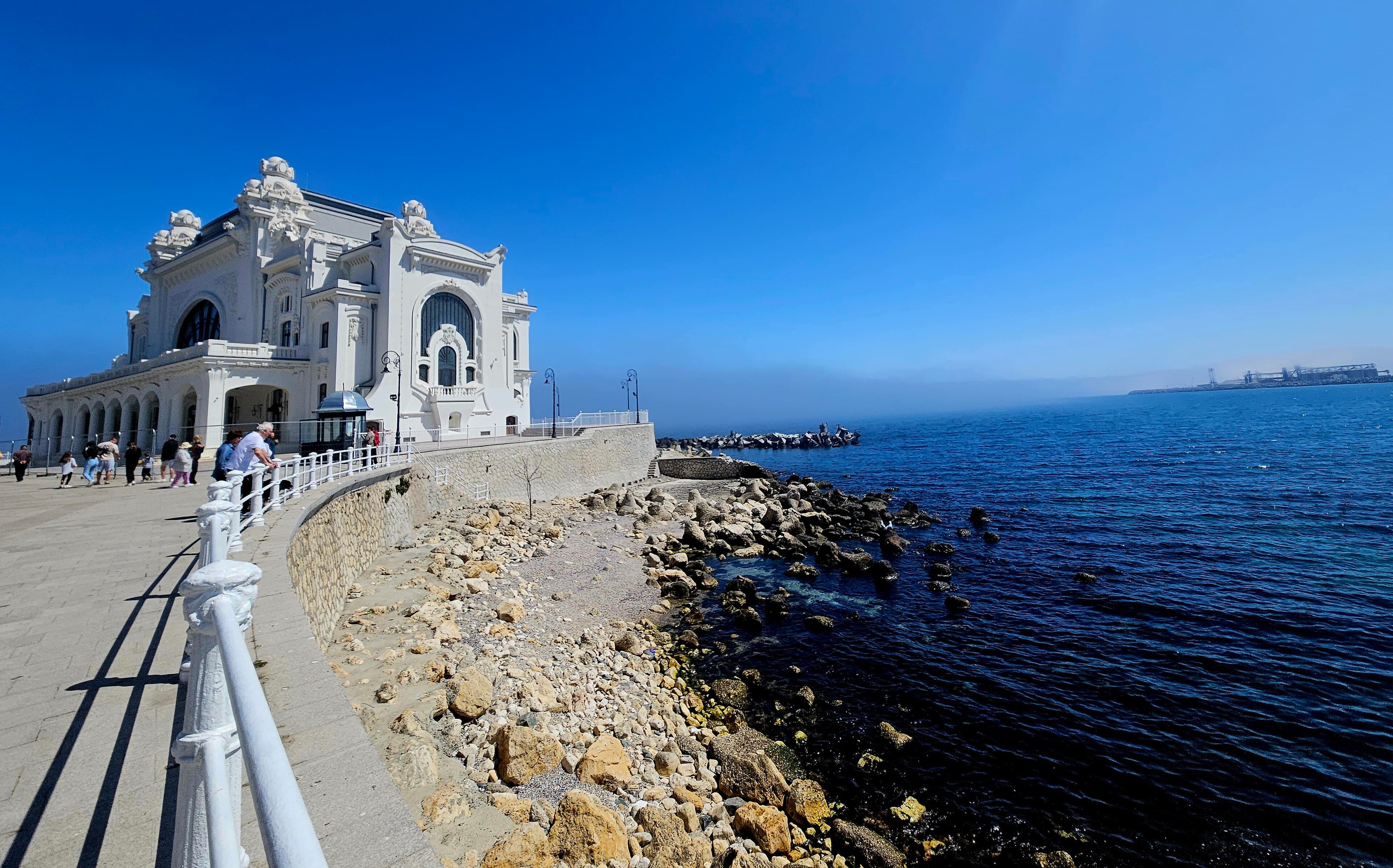
    • Constanța

      place · 3rd c. BCE

      Centuries before it bore its current name, the Romanian port of Constanța was known to the Greek world as Tomis, a colony anchored to a high-cliffed peninsula on the edge of the Black Sea.

    Early China

    • Laozi

      person · 6th c. BCE

      Somewhere in the sixth century BCE, in the southern state of Chu, an archivist of the royal Zhou court named Li Er is said to have grown weary of the declining dynasty and departed for the western wilderness.

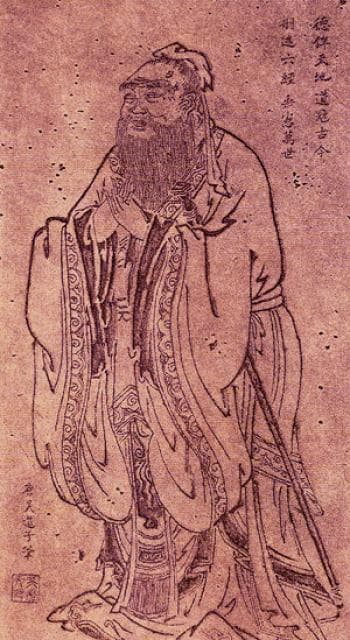
    • Confucius

      person · 551 BCE

      The master who would shape the moral architecture of East Asia did not see himself as an innovator, but as a preservationist.

    • Sun Tzu

      person · 544 BCE

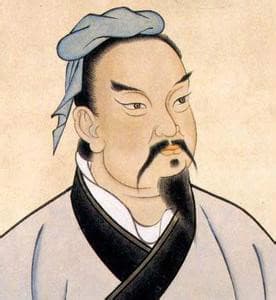
      To command an army, one must first be able to command the court.

    • Mencius

      person · 372 BCE

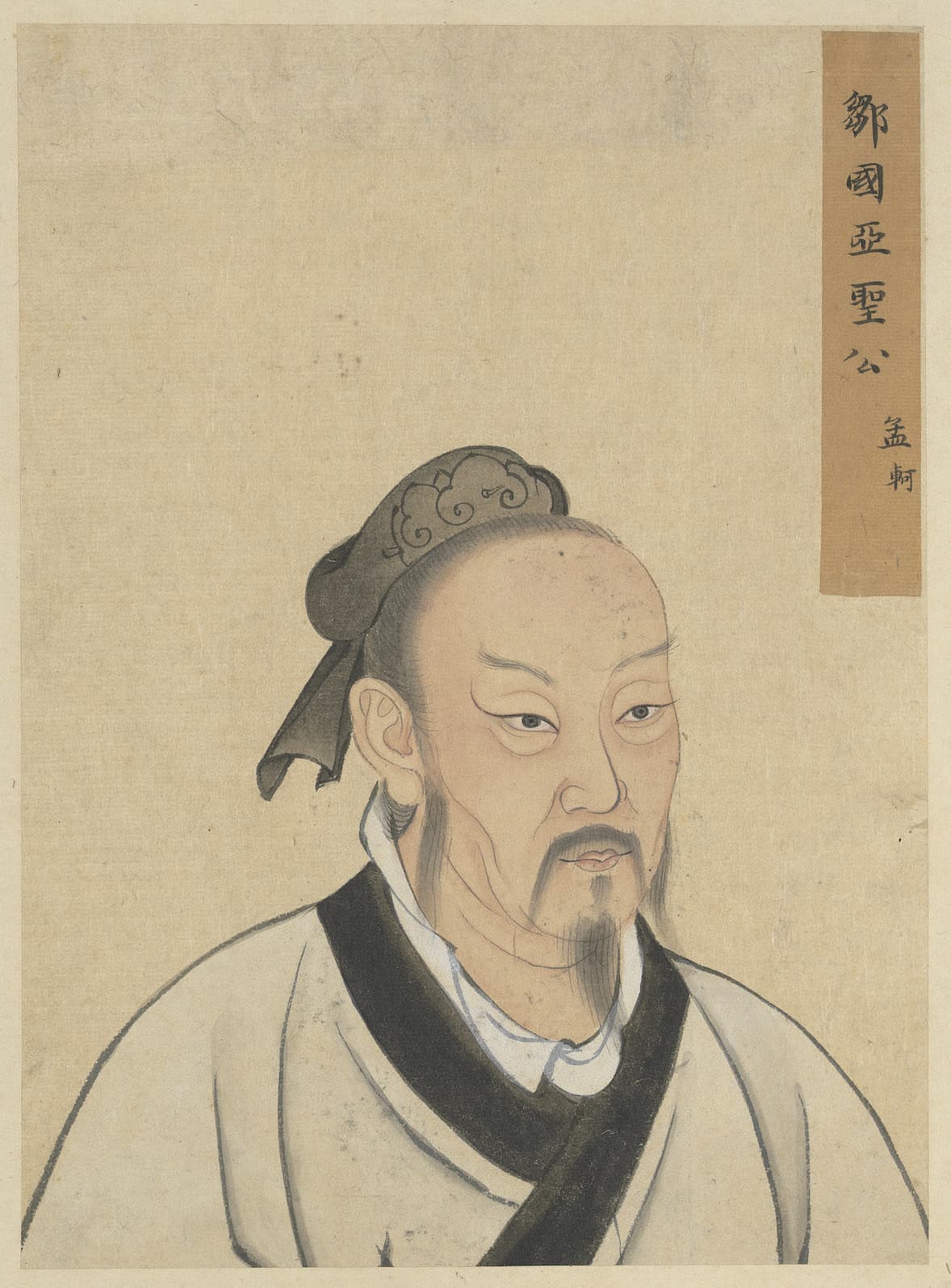
      To believe that human beings are fundamentally good, even while watching the Chinese world fracture into the bloody chaos of the Warring States period, required a singular kind of intellectual courage.

    • Qin Shi Huang

      person · 259 BCE

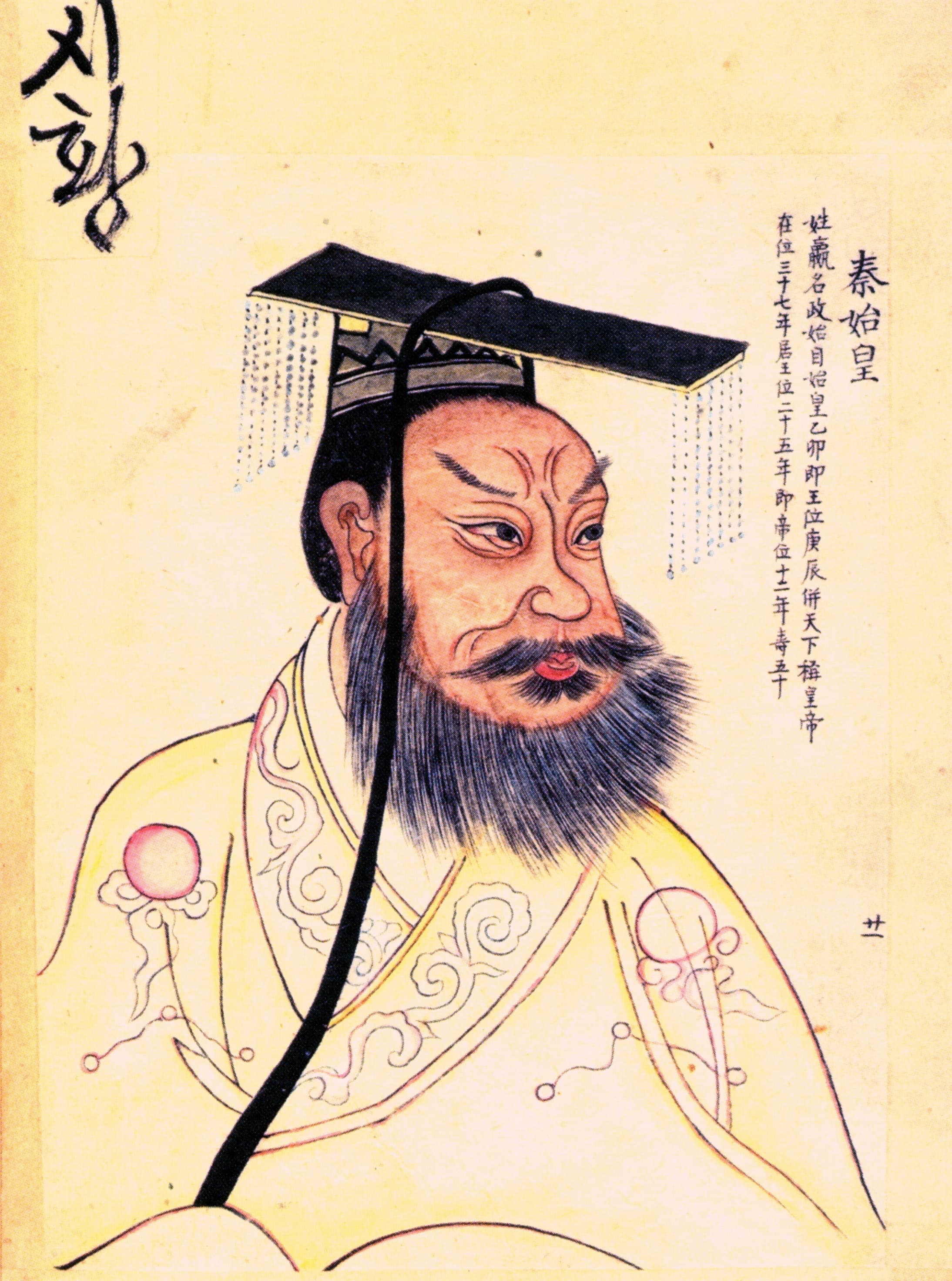
      In the third century BCE, a single ruler dismantled the fragmented world of the Warring States to forge a unified empire, discarding the traditional title of king to fashion himself as Huangdi—the first emperor of China.

    • Emperor Gaozu of Han

      person · 256 BCE

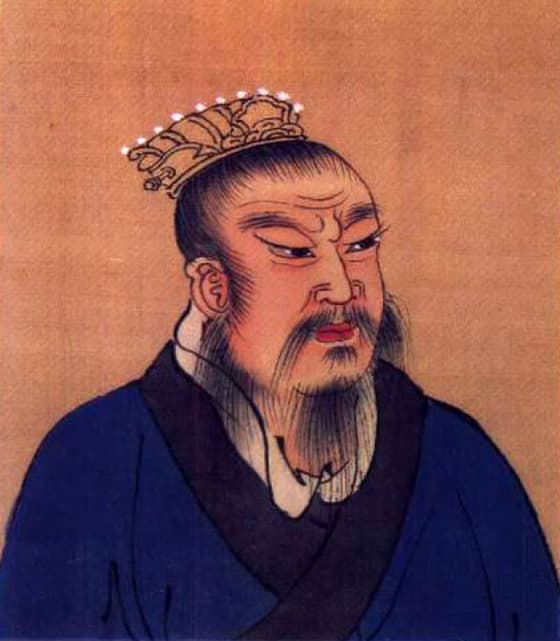
      Before he founded one of the most enduring dynasties in Chinese history, Liu Bang was known to his father as a little rascal who showed little interest in education, work, or the law.

    • Han dynasty

      event · 206 BCE

      When the peasant rebel Liu Bang established the Han dynasty in 202 BCE, he initiated a four-century epoch that permanently forged the identity of a civilization.

    • Cao Cao

      person · 155 CE

      To understand the fractures that shattered the Han dynasty, one must look to Cao Cao, a man who built an empire in the shadow of a captive emperor.

    Persian Empires

    • Cyrus the Great

      person · 600 BCE

      When the armies of Cyrus II of Persia swept out of the homeland of Persis in the sixth century BCE, they did not merely conquer; they assembled the largest empire the world had yet seen.

    • Cambyses II

      person · 559 BCE

      The shadow of a legendary father is a difficult landscape to navigate, yet Cambyses II expanded the borders of the Achaemenid Empire farther than Cyrus the Great ever managed.

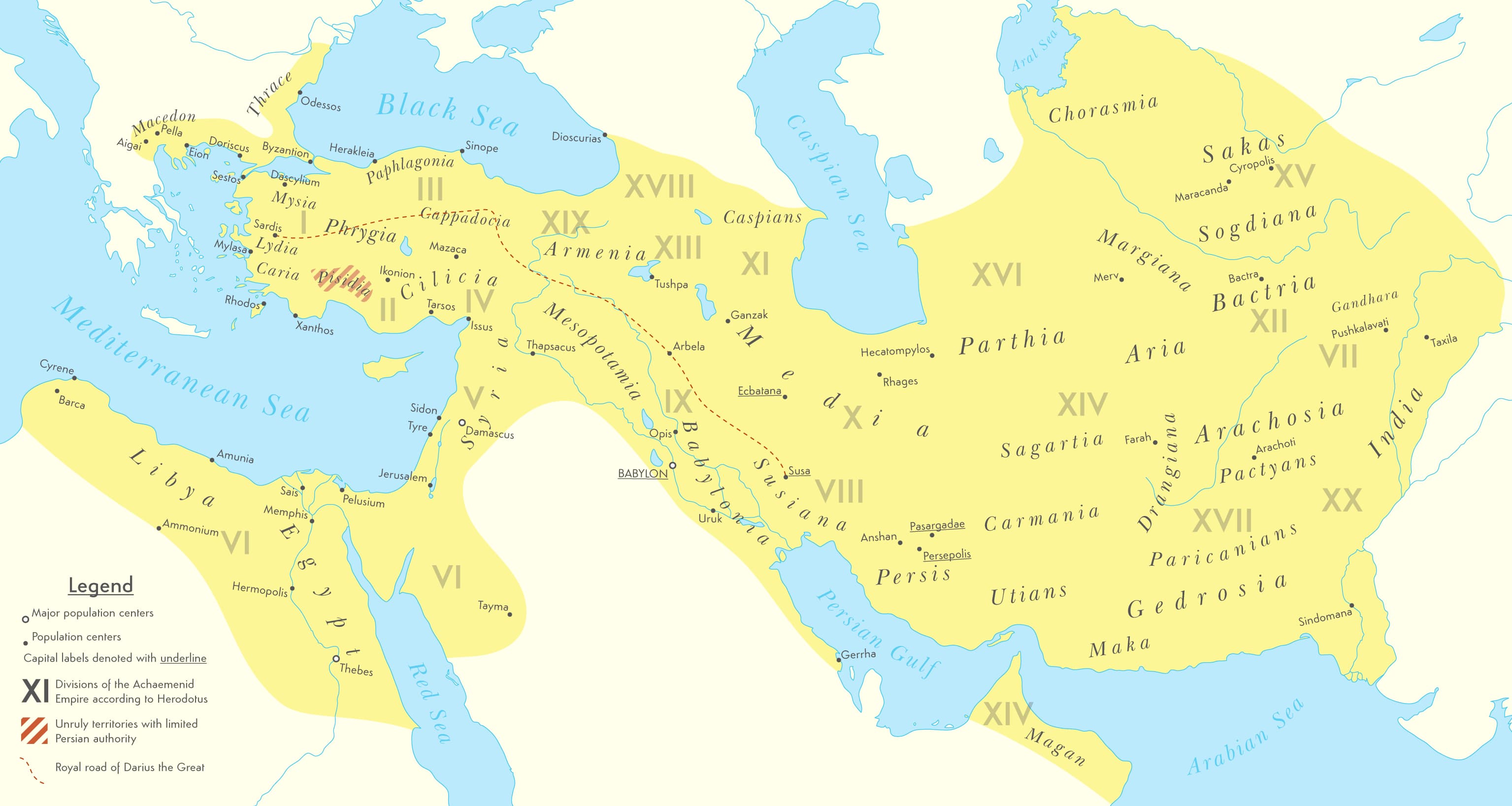
    • Achaemenid Empire

      event · 550 BCE

      Before it was a colossus, the realm that would become the Achaemenid Empire began with the Parsa, a nomadic people of the seventh century BCE moving through the southwestern highlands of the Iranian plateau.

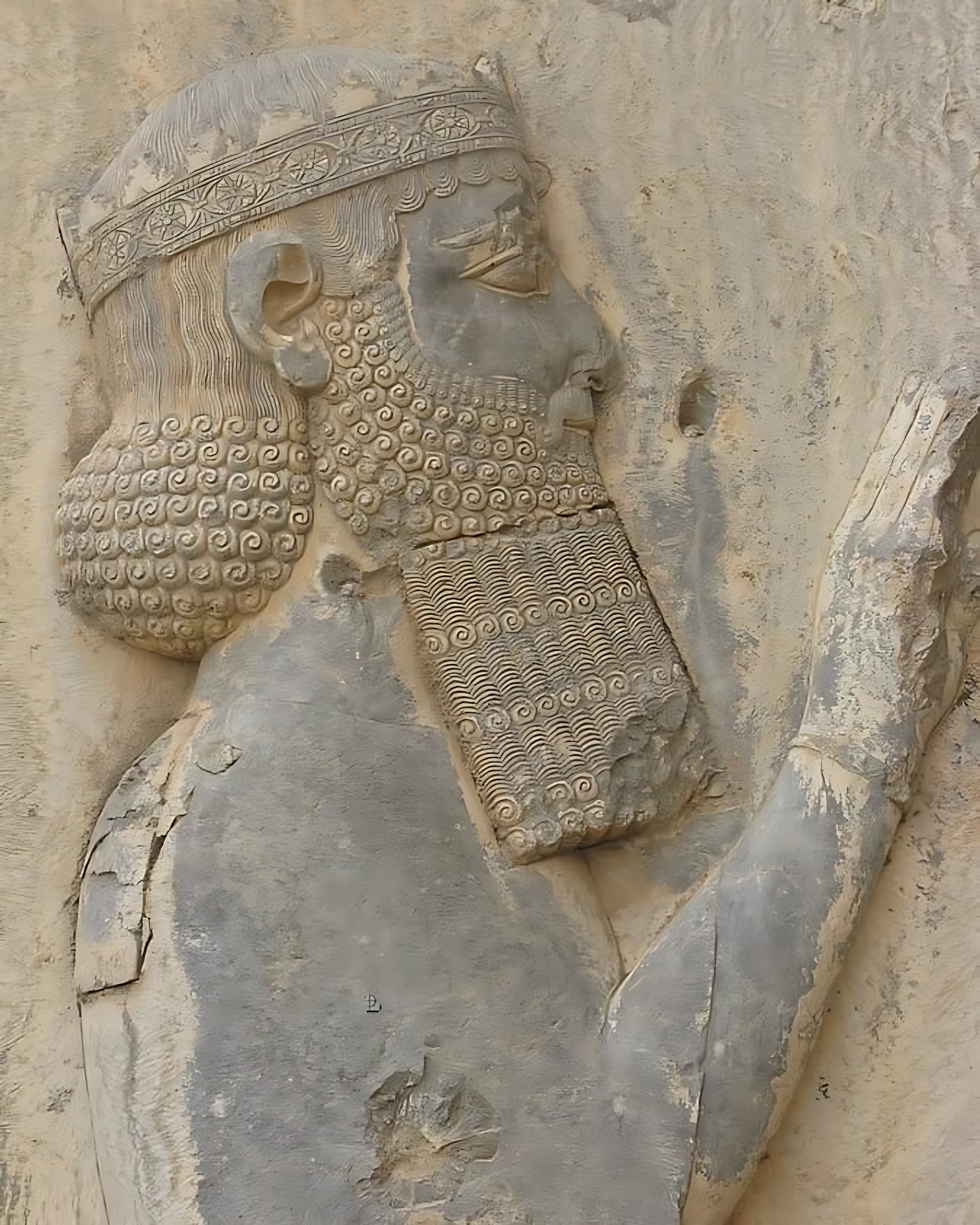
    • Darius I

      person · 550 BCE

      The climb to the throne of the Achaemenid Empire required a grand redirection of history, one that began with a dead king and a claim of imposture.

    • Xerxes I

      person · 519 BCE

      The name Khshayarsha translated to ruling over heroes, a fitting title for a prince born around 518 BCE into the very heart of Persian royalty.

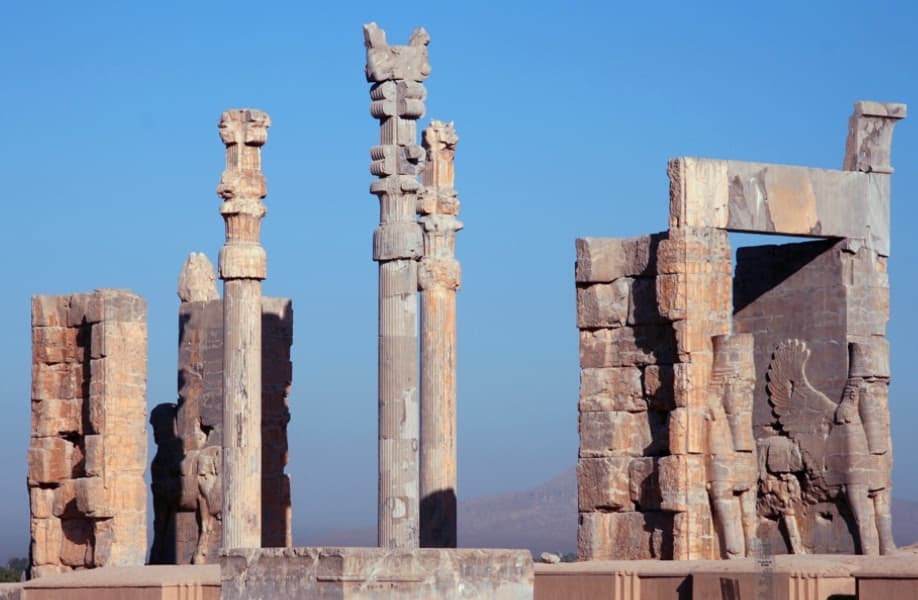
    • Persepolis

      place · 510s BCE

      High on a walled platform in the plains of Marvdasht, encircled by the southern Zagros Mountains, the kings of the Achaemenid Empire raised a grand ceremonial complex that defied the typical definition of a city.

    • Sasanian Empire

      event · 224 CE

      In 224 CE, Ardashir I overthrew the Parthian king Artabanus IV at the Battle of Hormozdgan, initiating a four-century reign that would elevate Eranshahr—the Empire of the Iranians—to the height of its power in late…

    Vedic and Mauryan

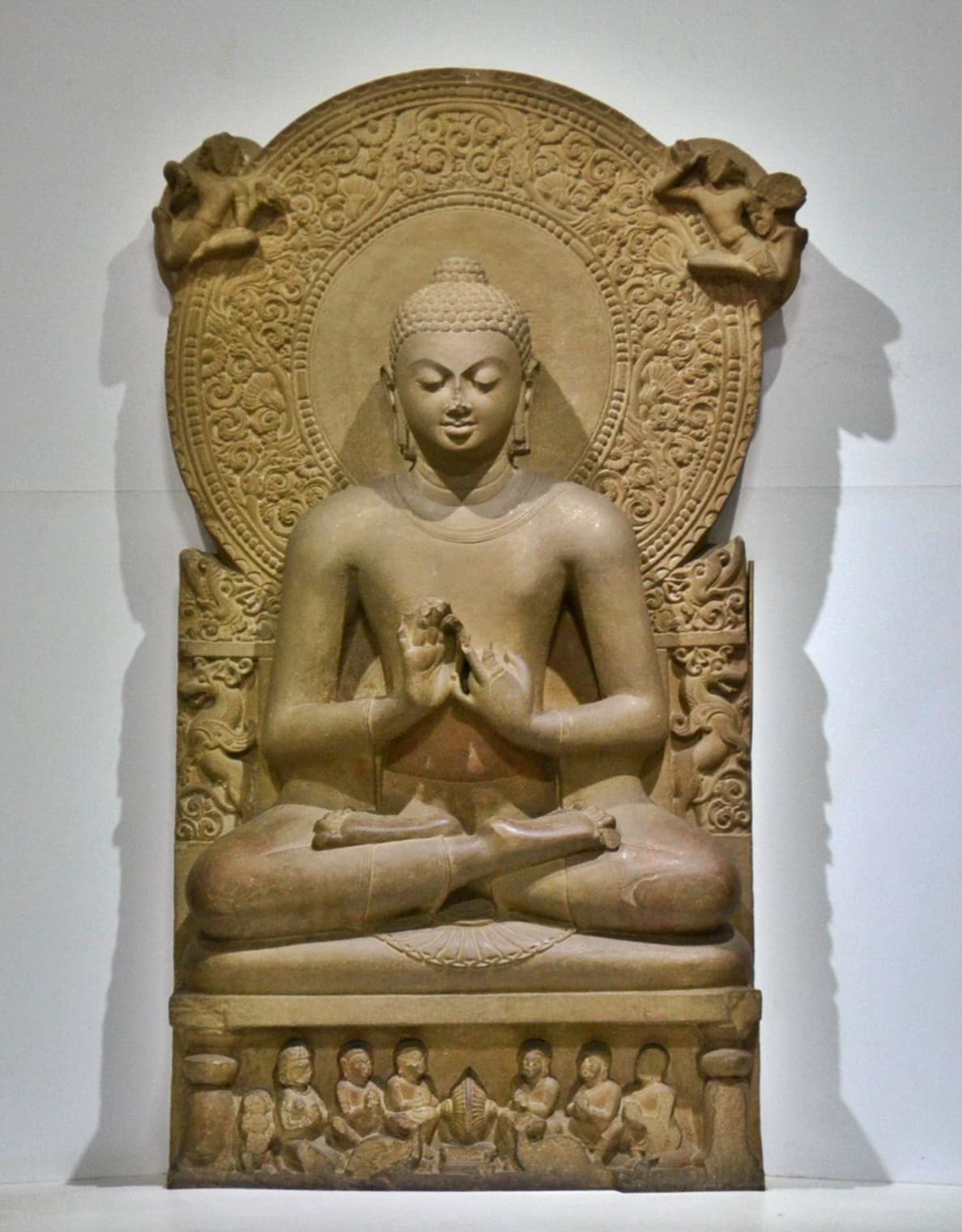
    • The Buddha

      person · 1k BCE

      To understand the transformation of Siddhartha Gautama is to trace a path of deliberate renunciation.

    • Mahajanapadas

      event · 600 BCE

      When the second urbanization of ancient India took root between 600 BCE and 345 BCE, it shattered the old pastoral rhythms of the subcontinent, raising India’s first large cities since the fall of the Indus Valley…

    • Jainism

      organization · 5th c. BCE

      To conquer is not to subdue others, but to defeat the passions within.

    • Chandragupta Maurya

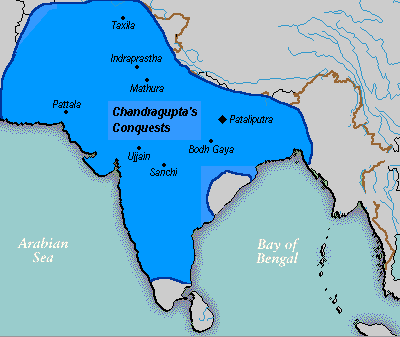
      person · 340 BCE

      Before the dust of Alexander the Great’s aborted Indian campaign had even settled, a new empire began to coalesce in the fertile basin of the Ganges Valley.

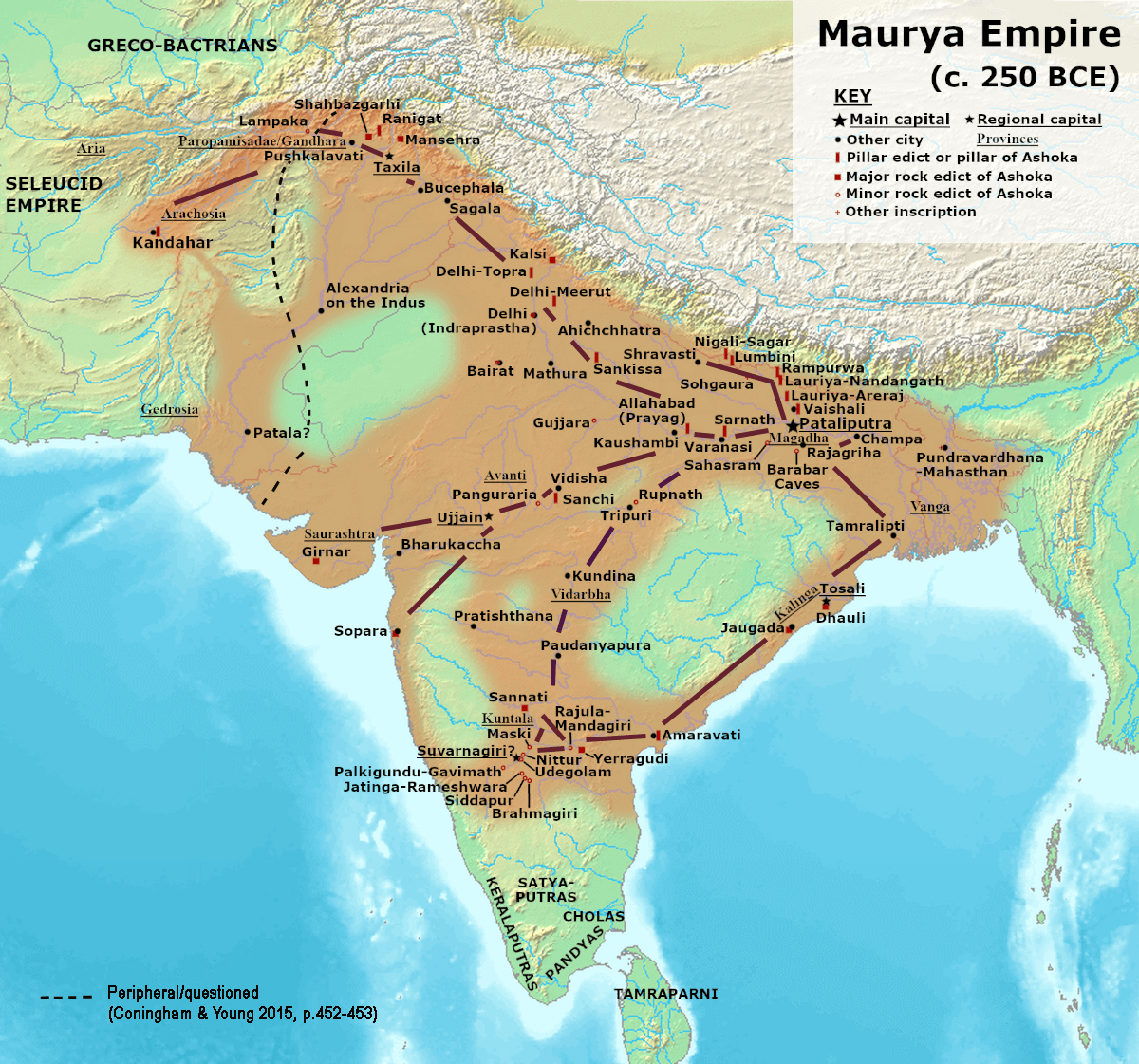
    • Maurya empire

      event · 322 BCE

      The rise of a vast, interconnected power across the South Asian subcontinent began around 322 BCE with the overthrow of the Nanda dynasty by Chandragupta Maurya.

    • Ashoka

      person · 304 BCE

      The blood spilled during the conquest of Kalinga in approximately 260 BCE did not merely expand the borders of the Mauryan Empire; it fundamentally altered the course of its ruler's mind.

    • Kalinga War

      event · 262 BCE

      The banks of the Daya River, where the Dhauli hills overlook the eastern coast of India, became the setting for one of the deadliest conflicts in antiquity.

    Pre Islamic Arabia

    • Sheba

      event · 1000 BCE

      Long before the rise of modern states, a kingdom of merchants and builders flourished in the arid southern reaches of the Arabian Peninsula, its wealth carried across the ancient world on the scent of frankincense and…

    • Medina

      place · 9th c. BCE

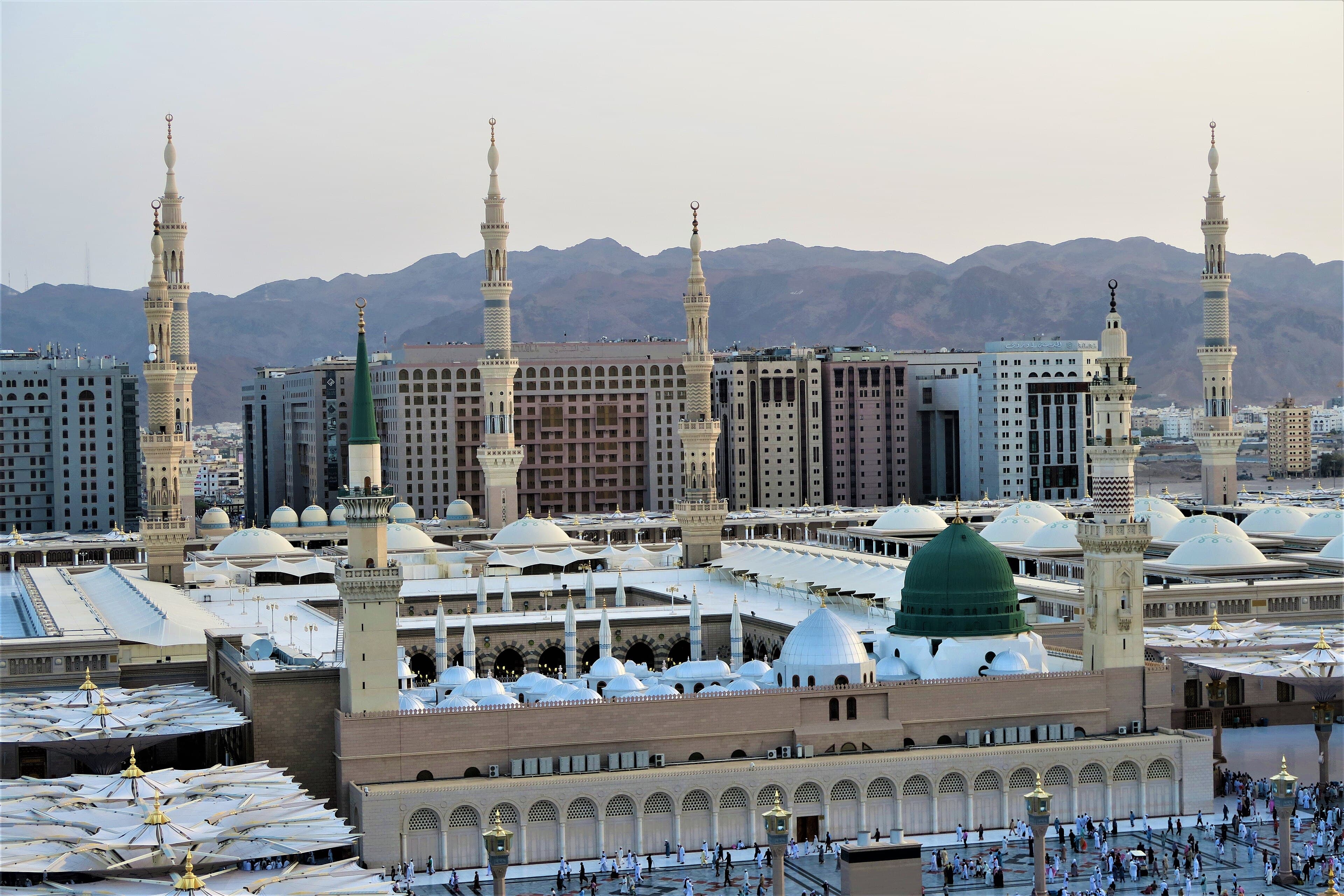
      Before it was ever called the City of the Prophet, the oasis in the Hejaz highlands of western Saudi Arabia was known as Yathrib.

    • Petra

      place · 800 BCE

      Carved directly into the rose-colored sandstone cliffs of southern Jordan, the ancient city of Raqmu—known to the Greek world as Petra—began as a fortress of geography.

    • Nabataean kingdom

      event · 4th c. BCE

      Long before their stone-carved capital became a wonder of the ancient world, the Nabataeans survived on the margins of the Arabian Desert by mastering the seasonal rhythms of an unforgiving landscape.

    • Himyarite kingdom

      event · 110 BCE

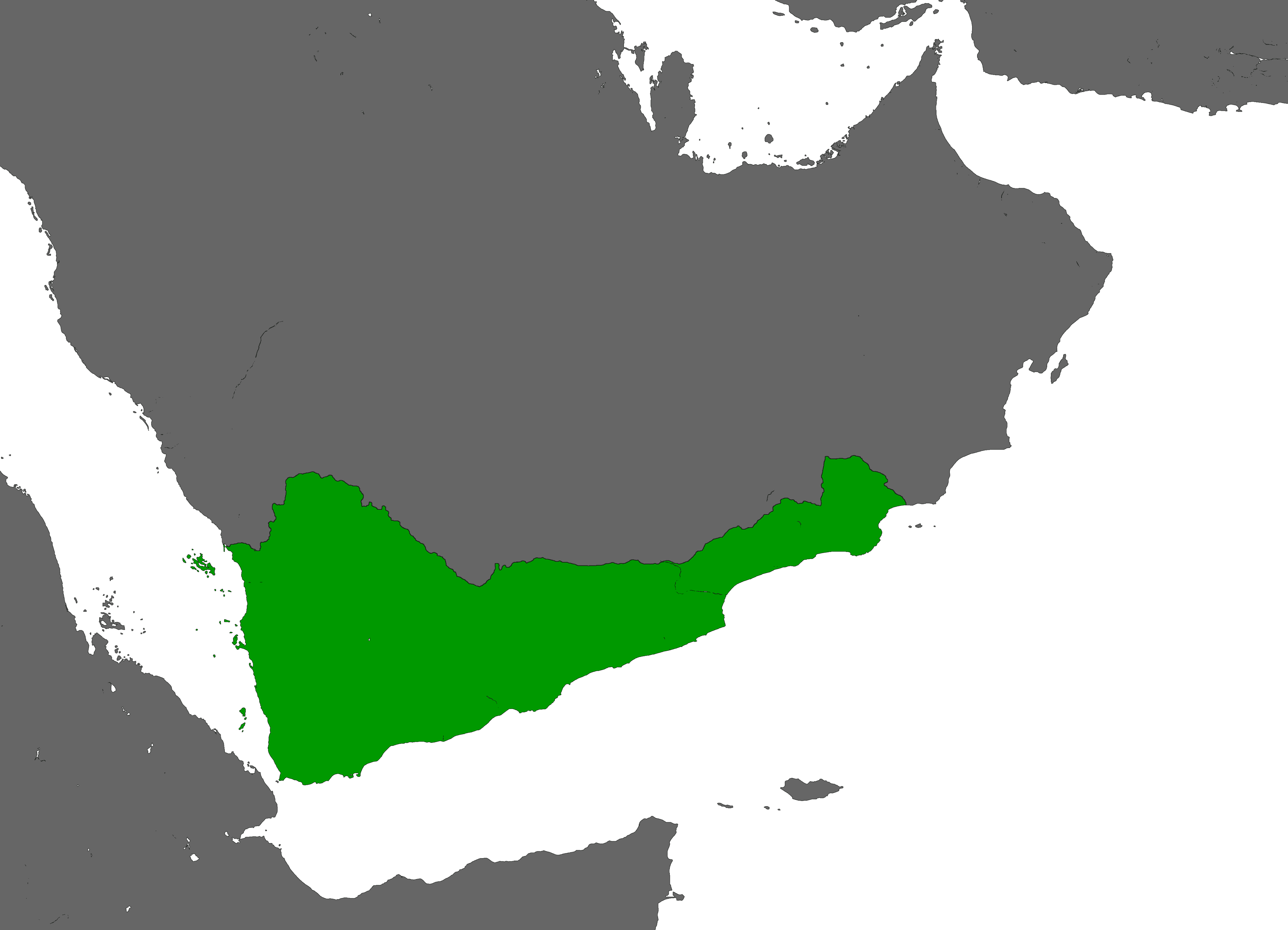
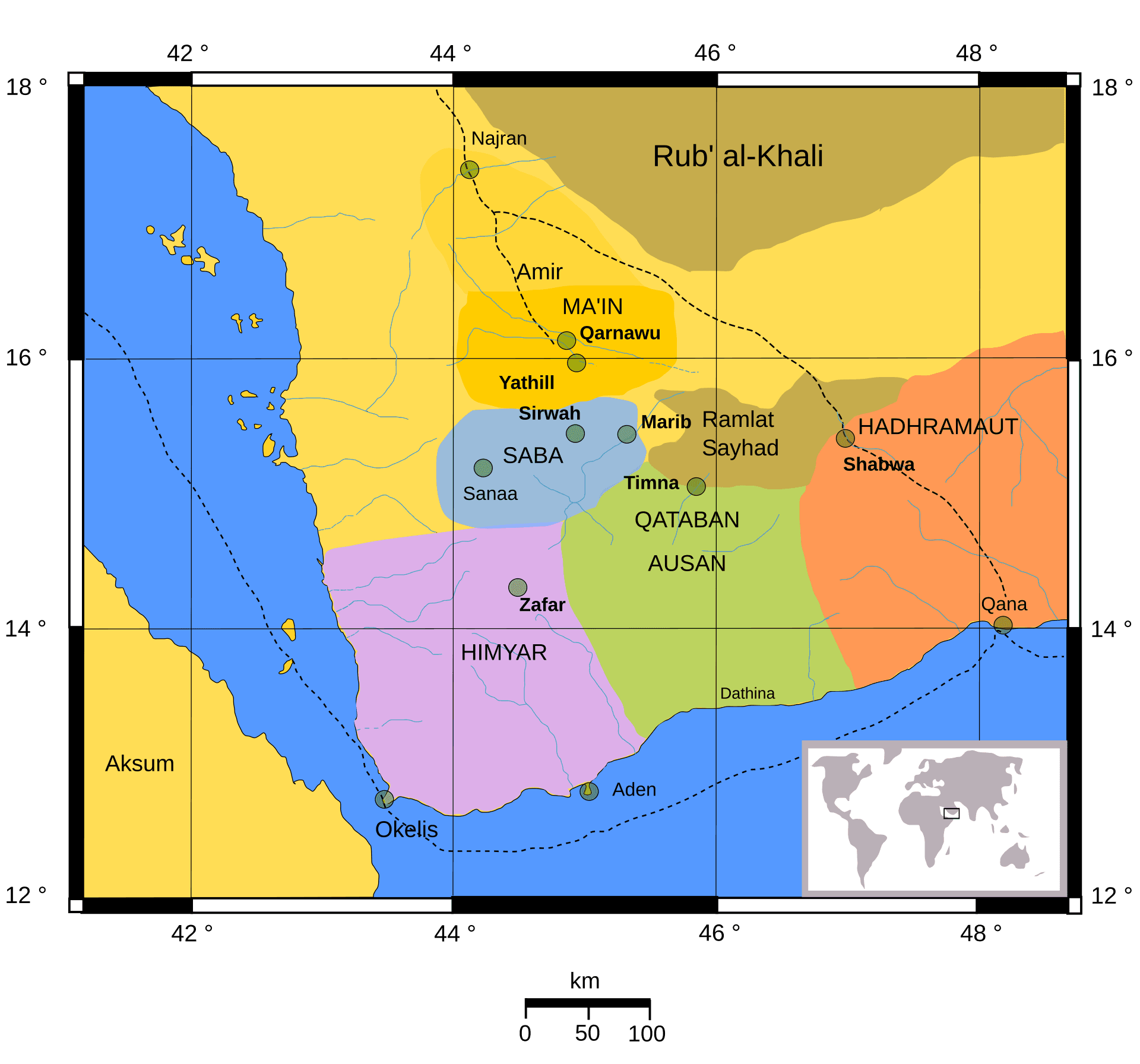
      High in the southern highlands of Yemen, a wealthy tribal confederation known as the Himyarite kingdom carved an empire out of the lucrative trade in frankincense and myrrh.
    Korean Kingdoms

    • Silla

      event · 57 BCE

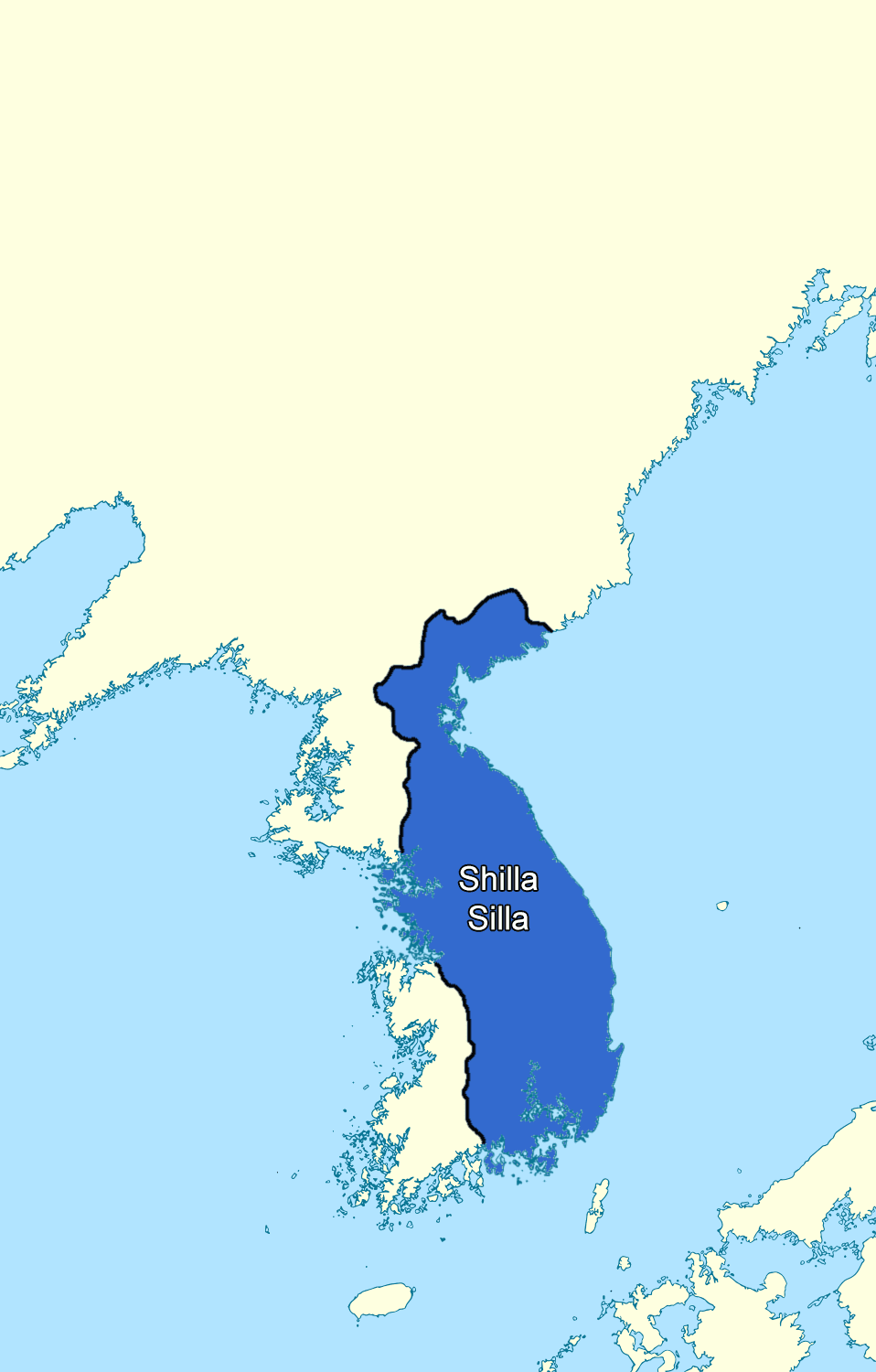
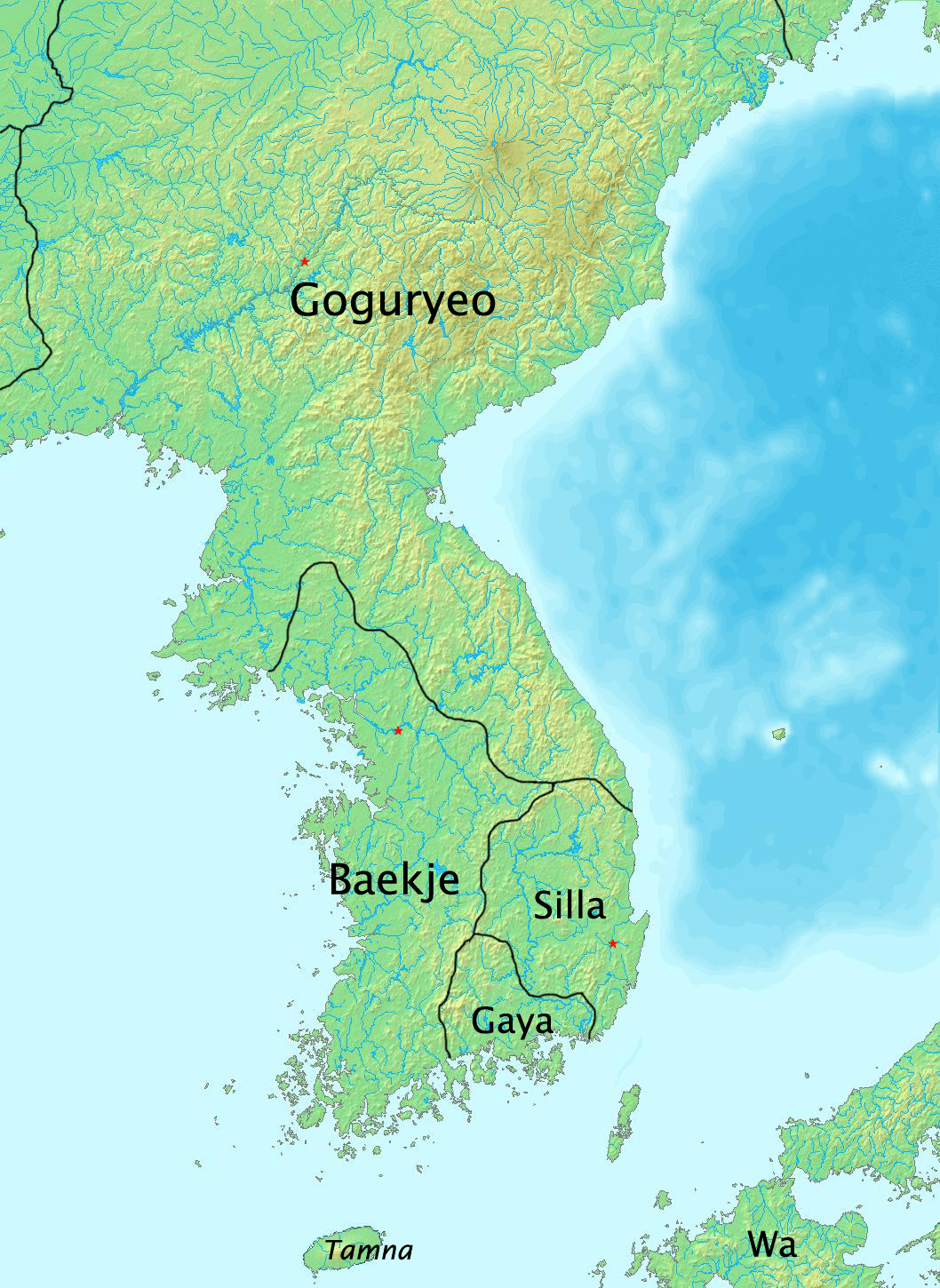
      For centuries, the small state of Silla on the southern and central Korean peninsula was considered the weakest and least developed of its neighbors.

    • Goguryeo

      event · 37 BCE

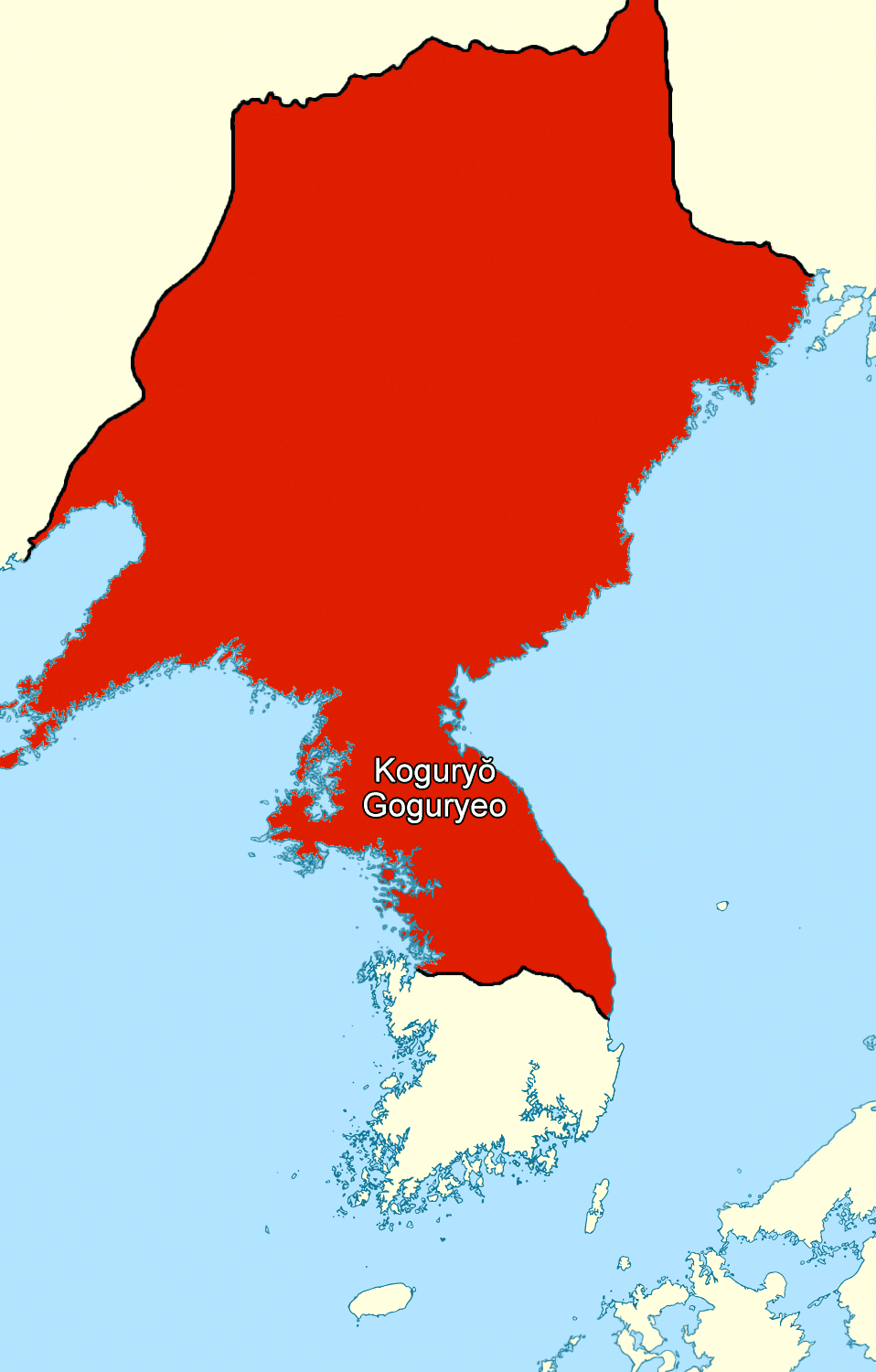
      High upon the northern reaches of the Korean peninsula and stretching across the vast, forested expanses of Manchuria, a power emerged that would define the geopolitics of East Asia for over seven centuries.

    • Baekje

      event · 18 BCE

      In 18 BCE, a queen named Soseono left the northern kingdom of Goguryeo, taking her sons Biryu and Onjo south to the Han River basin to carve out a new destiny.

    • Gwanggaeto the Great

      person · 374 CE

      To understand the scale of what King Gwanggaeto achieved, one must look at the state of Goguryeo when he was born in 374 CE.

    Mesopotamian Civilizations

    • Neo-Assyrian Empire

      event · 911 BCE

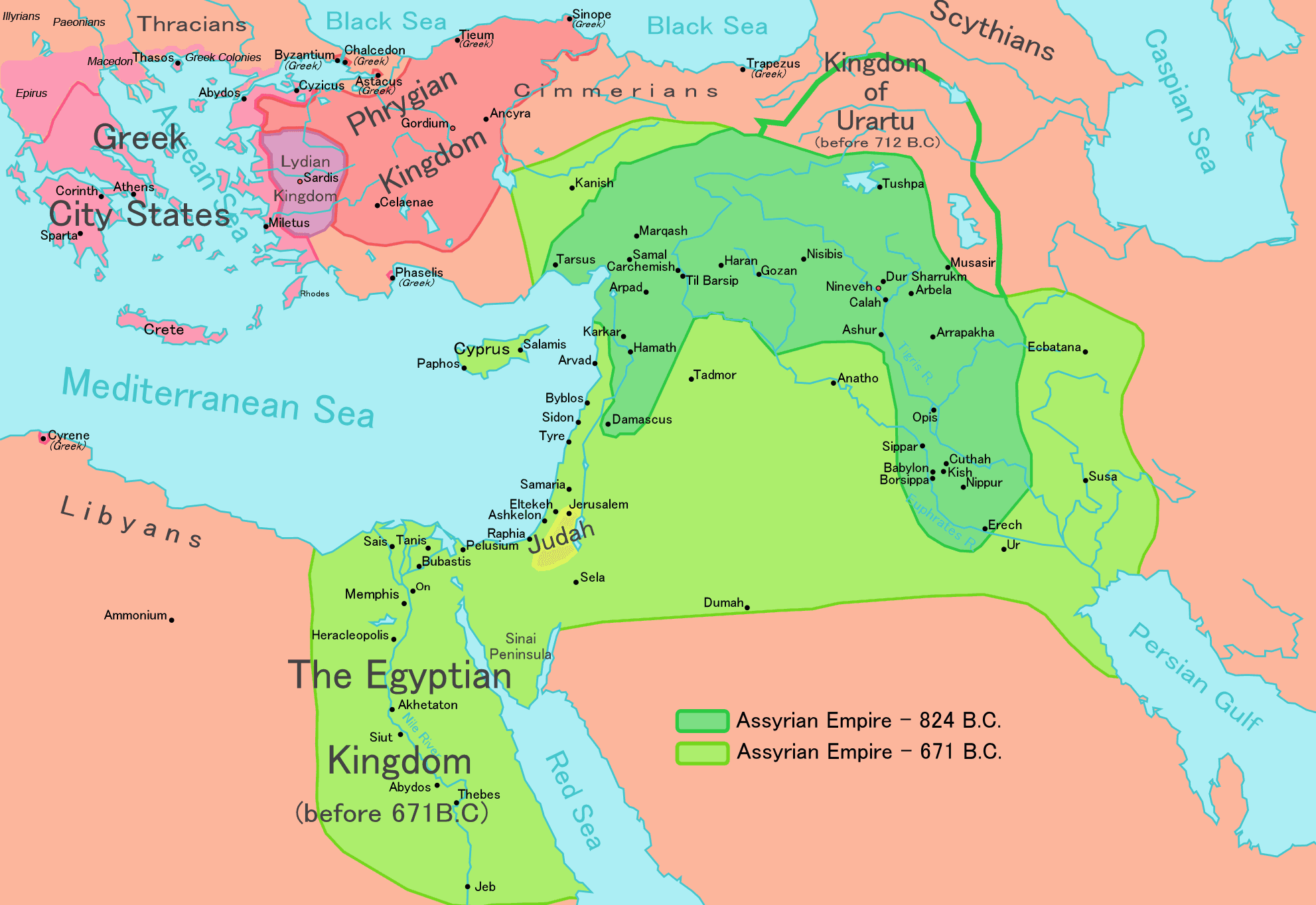
      No state before had ever claimed the entire known world as its birthright, nor possessed the administrative machinery to actually govern it.

    • Ashurbanipal

      person · 685 BCE

      In the final, brilliant decades of the Neo-Assyrian Empire, dominion was maintained through a deliberate policy of terror and an unprecedented obsession with the written word.

    • Nebuchadnezzar II

      person · 642 BCE

      Before he ever sat upon the throne of Babylon, the young prince Nebuchadnezzar II secured his place in history on the battlefield of Carchemish.

    • Neo-Babylonian Empire

      event · 626 BCE

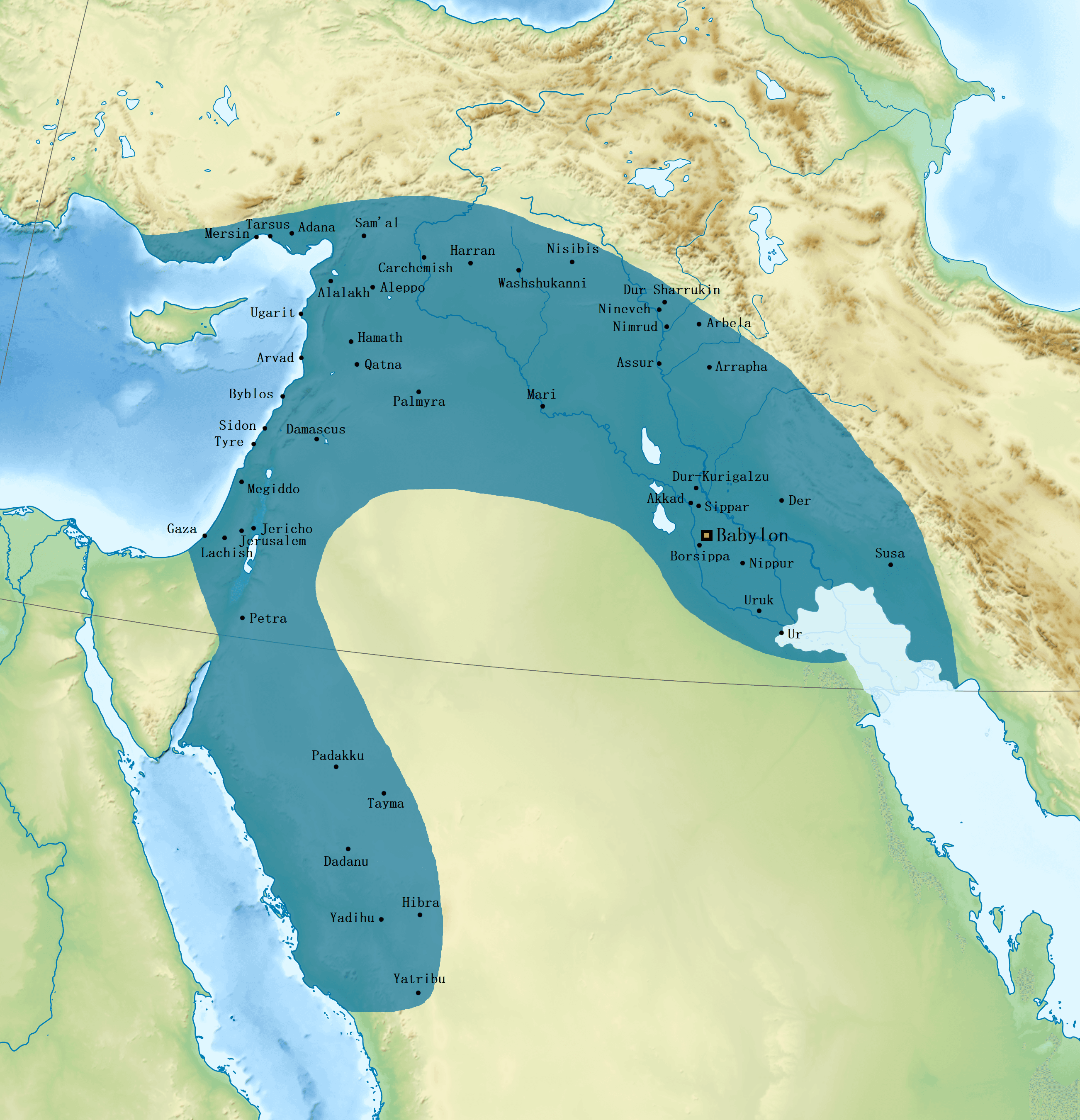
      When Nabopolassar claimed the throne of Babylon in 626 BCE, he initiated a spectacular, century-long resurrection.

    Gupta and Medieval India

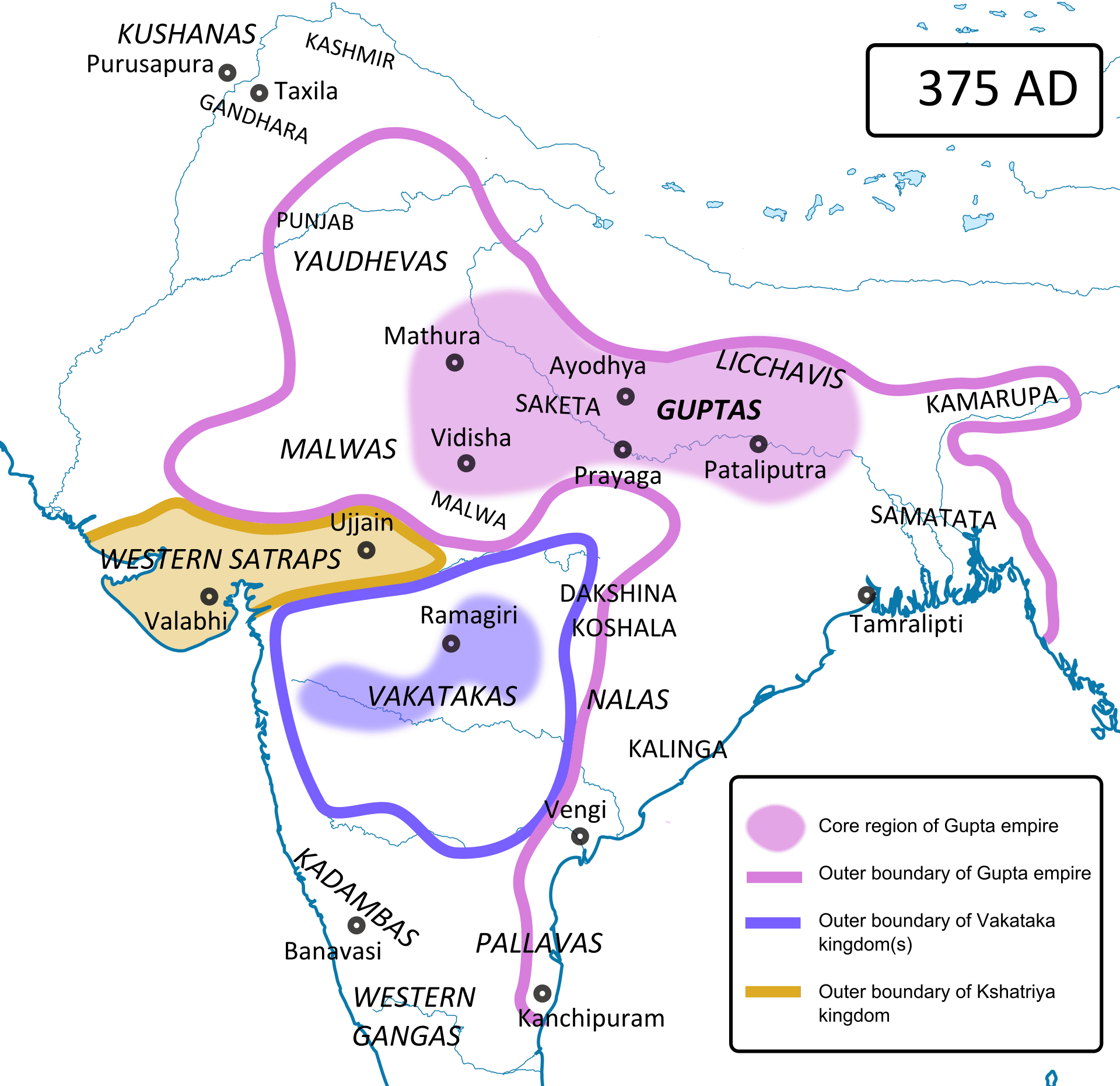
    • Gupta Empire

      event · 320 CE

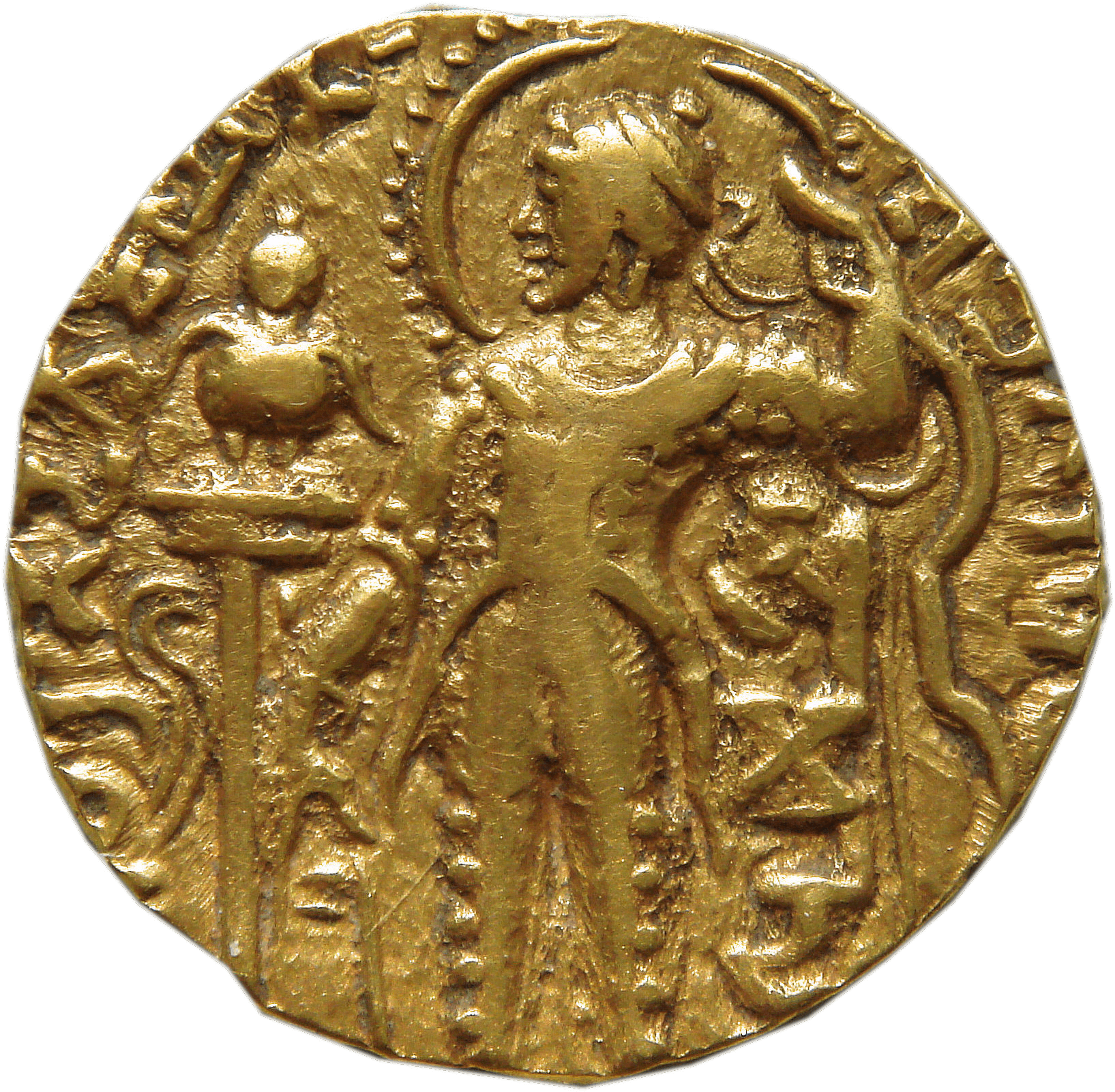
      Long before its grandest courts took shape, the foundations of the Gupta Empire were quietly laid in the ancient region of Magadha, where the monarch Sri Gupta issued silver coins stamped with his own portrait bust in…

    • Samudragupta

      person · 335 CE

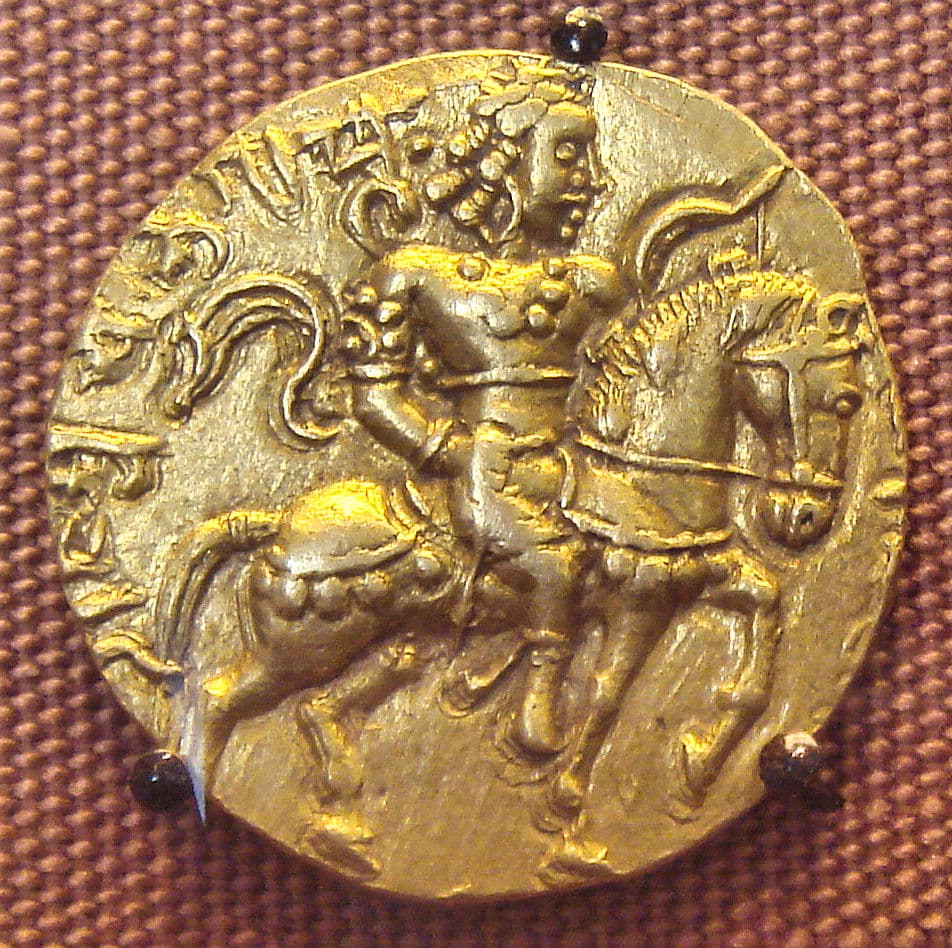
      An emperor's legacy is rarely preserved in both the clang of iron and the pluck of a string, yet Samudragupta commanded both with equal mastery.

    • Chandragupta II

      person · 4th c. CE

      To understand the height of India’s classical age, one must look to the reign of Chandragupta II, the emperor who steered the Gupta Empire to its absolute zenith between roughly 375 and 415 CE.

    Late Antique and Byzantine

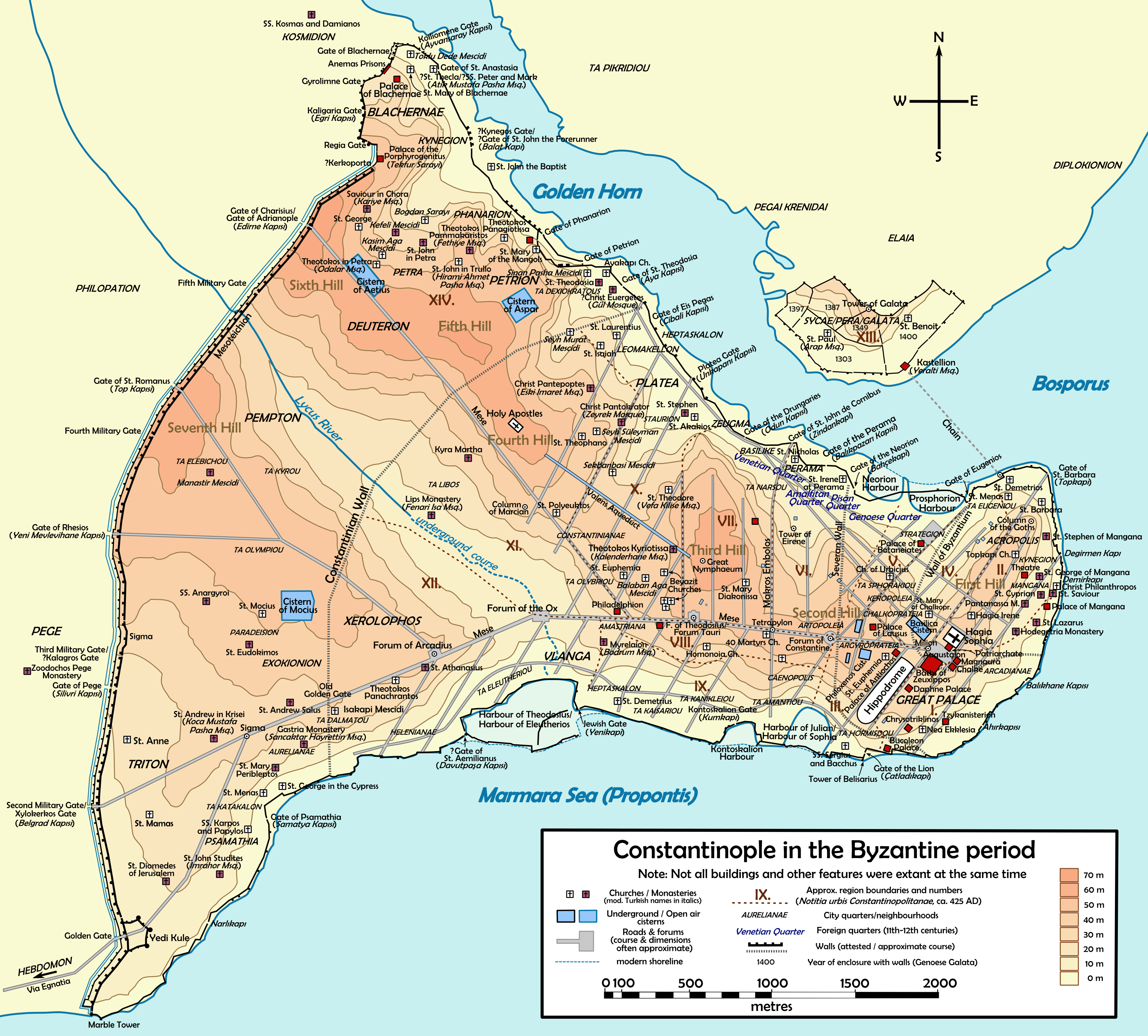
    • Constantinople

      place · 330 CE

      To understand the history of power in the medieval world, one must look to the tip of the Thracian peninsula, where a single city commanded the watery threshold between Europe and Asia.

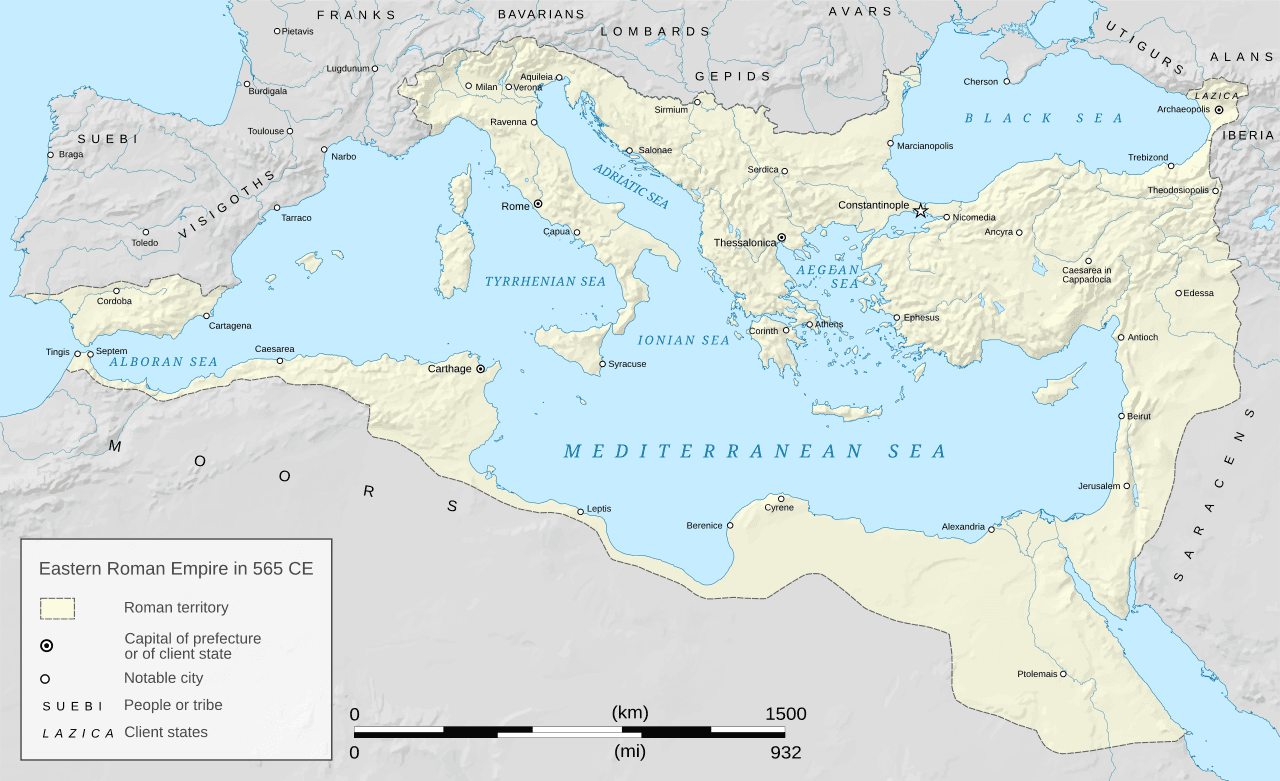
    • Byzantine Empire

      event · 395 CE

      For more than a thousand years, the citizens of the state we now call the Byzantine Empire lived and died under the conviction that they were, simply and indisputably, Romans.

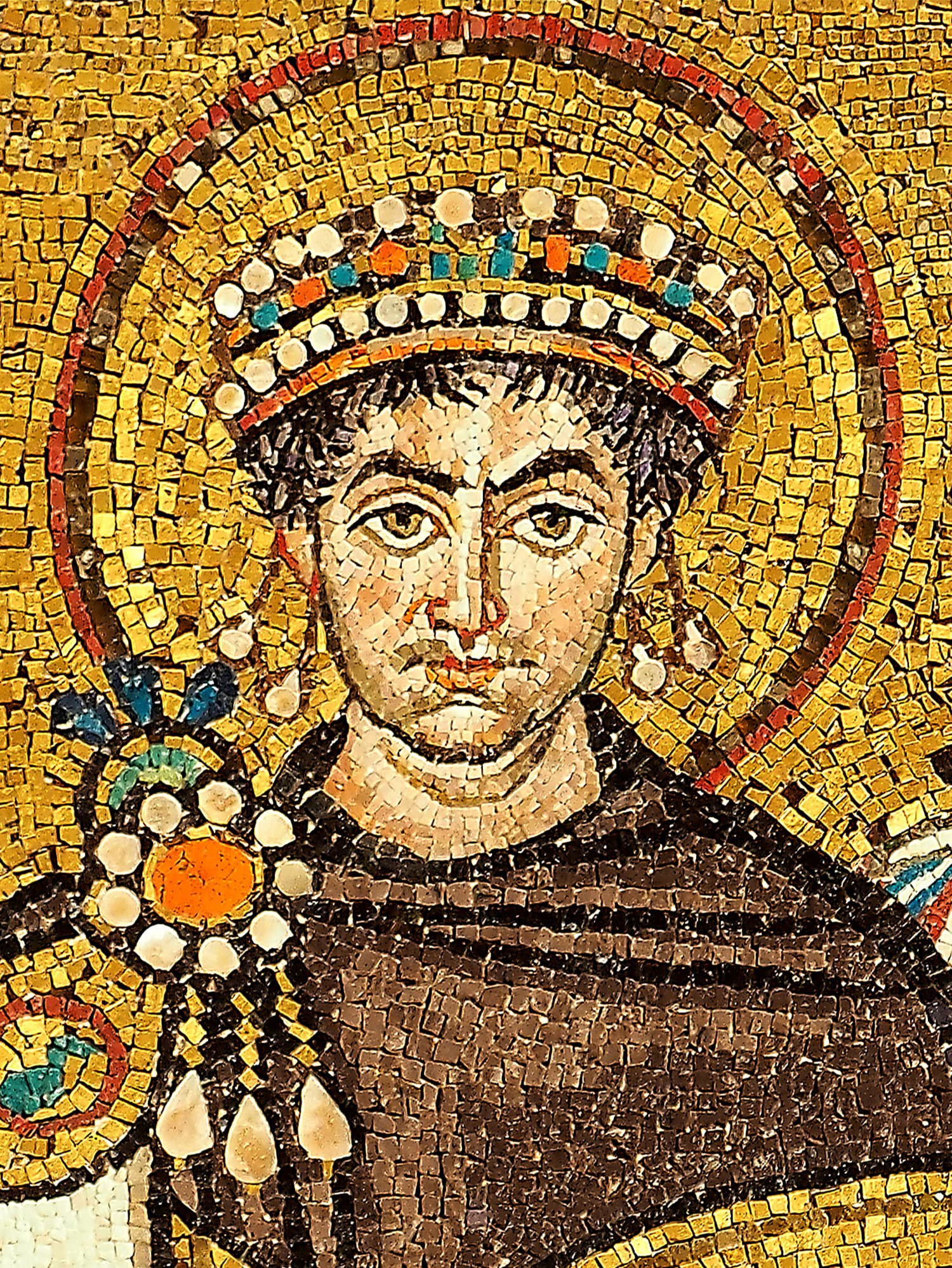
    • Justinian I

      person · 482 CE

      The dream of a restored Roman Empire found its ultimate champion in a Latin-speaking peasant from Tauresium.

    Southern Indian Empires

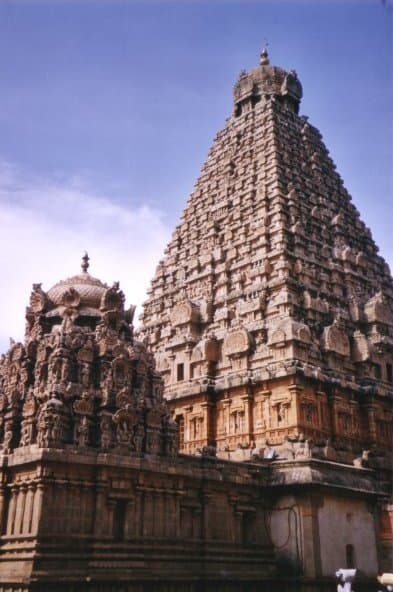
    • Chola dynasty

      event · 300 BCE

      Long before they built one of the world's most formidable maritime empires, the Cholas were recognized by the Mauryan emperor Ashoka in the third century BCE as independent, friendly neighbors to his south.

    • Pandya dynasty

      event · 300 BCE

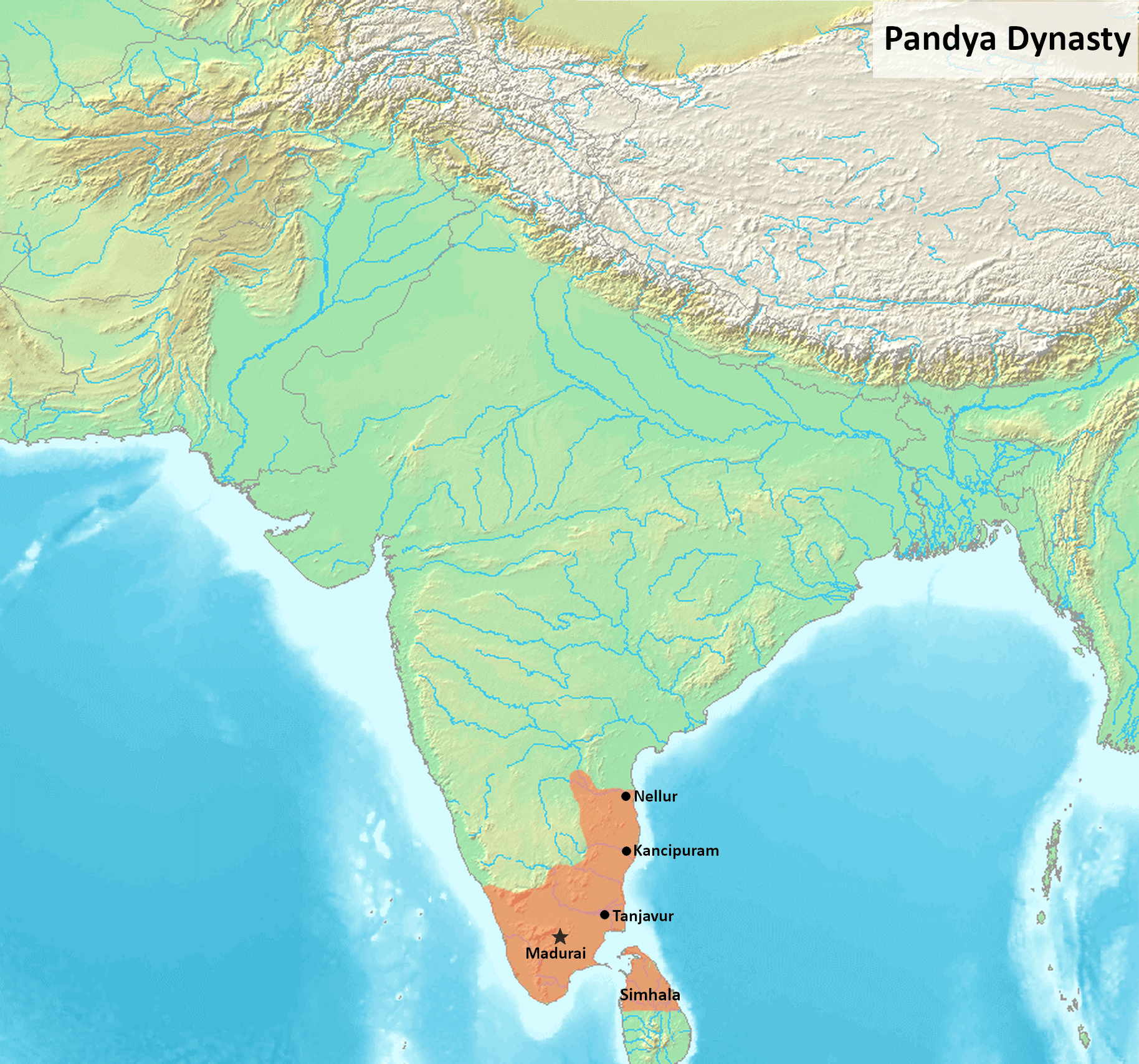
      Few ruling houses in global history have matched the sheer longevity of the Pandya dynasty, which steered the fortunes of the southern Tamil region from at least the fourth century BCE until well into the seventeenth…
    • Pallava dynasty

      event · 275 CE

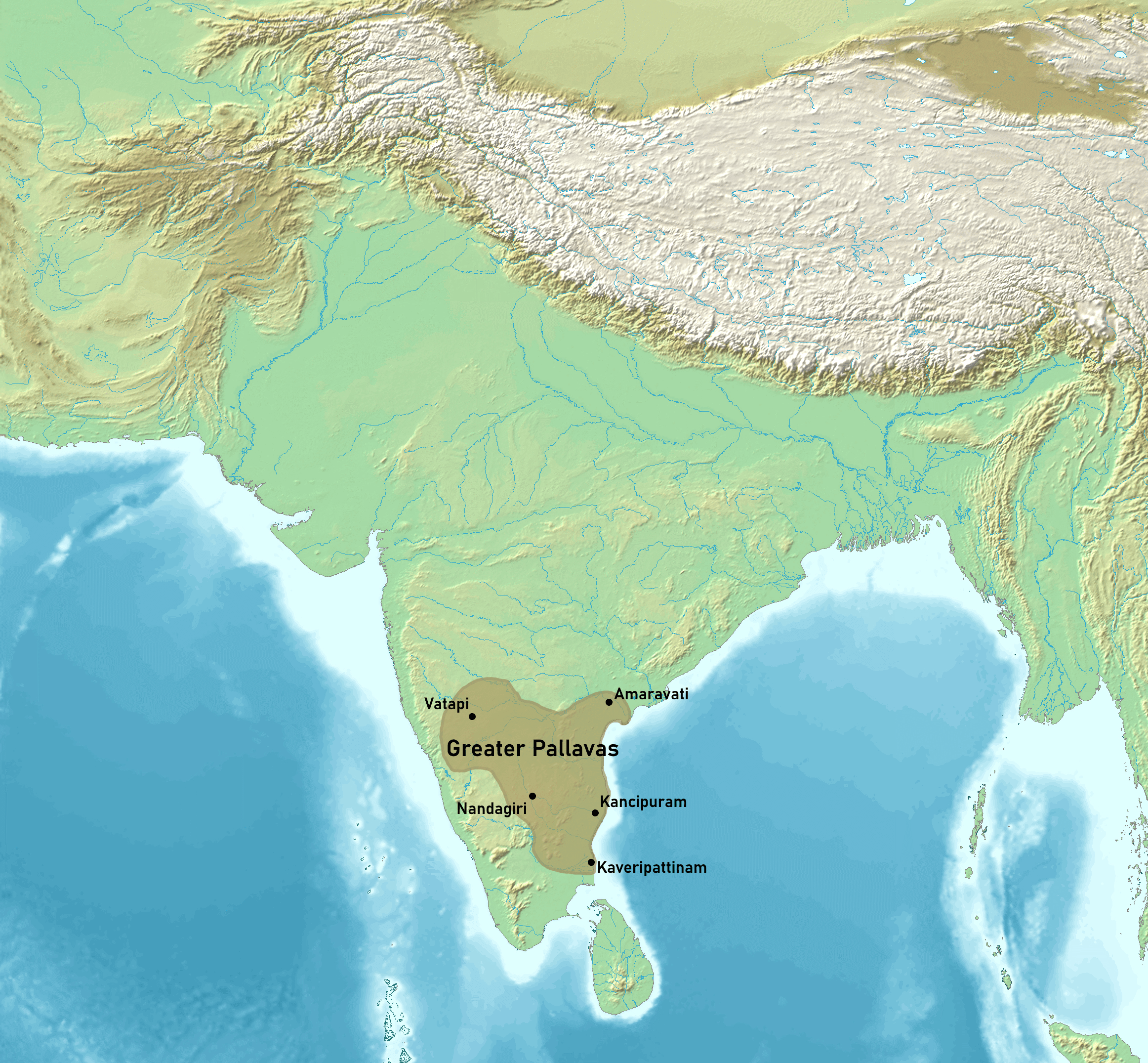
      The rise of the Pallava dynasty began in the shadow of a fallen empire, emerging from the collapse of the Satavahanas whom they had once served as subordinates.

    Steppe Empires

    • Xiongnu

      organization · 3rd c. BCE

      Long before they were written into Chinese history as the Xiongnu—a name meaning fierce slave—the nomadic peoples of the eastern Eurasian Steppe lived in a world defined by the horizon and the horse.

    • Attila

      person · 0k CE

      The collapse of the Hunnic Empire came swiftly in the spring of 453 CE, precipitated by the sudden death of a ruler whose very name struck terror into the hearts of two Roman capitals.

    • Hephthalites

      event · 408 CE

      In the fifth century CE, a formidable power emerged from the shadow of the Pamir Mountains to dominate the vast landscapes of Central Asia.

    Ancient Egypt

    • Alexandria

      place · 331 BCE

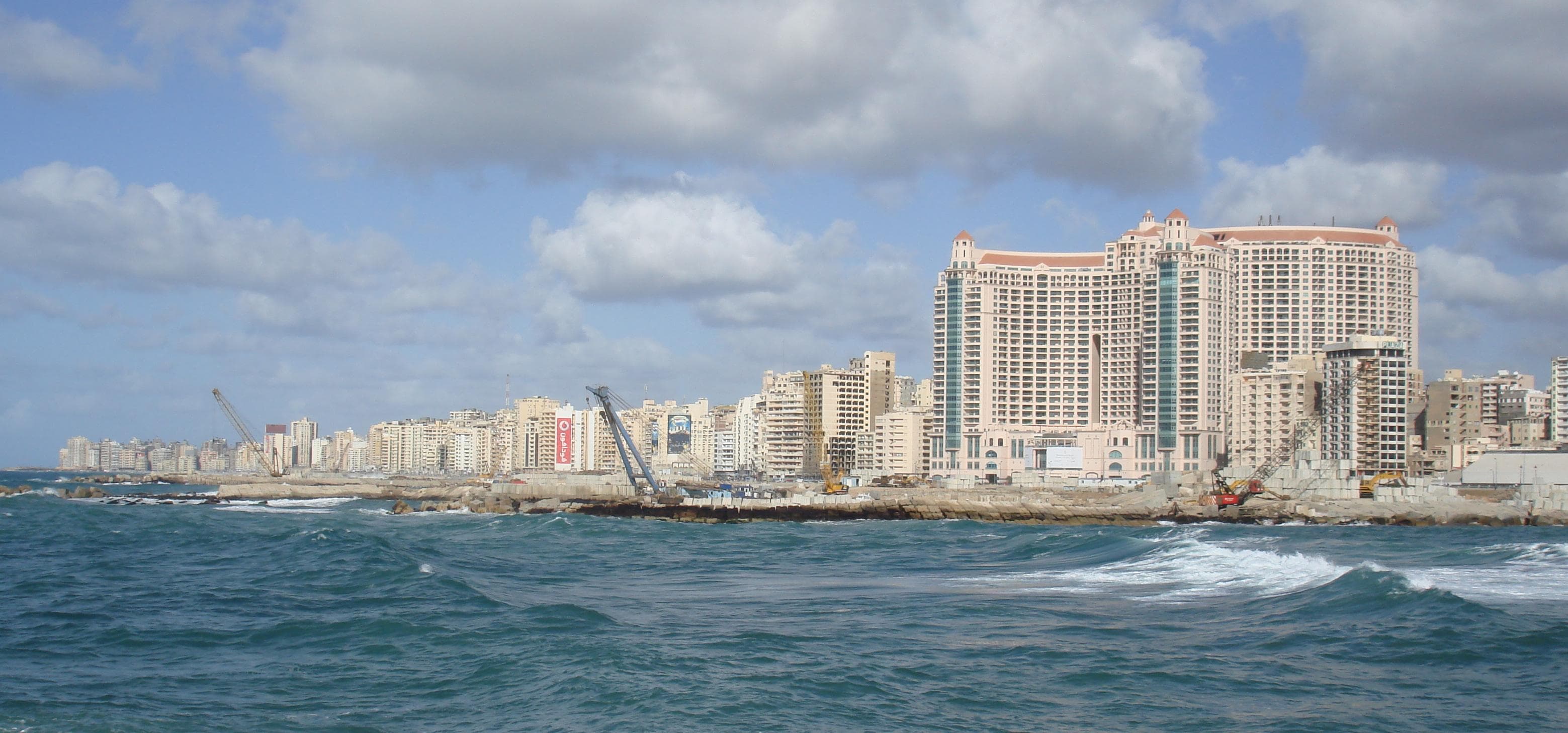
      To understand the ancient Mediterranean is to understand the city that rose from the western edge of the Nile River Delta, near an Egyptian settlement named Rhacotis.

    • Cleopatra

      person · 69 BCE

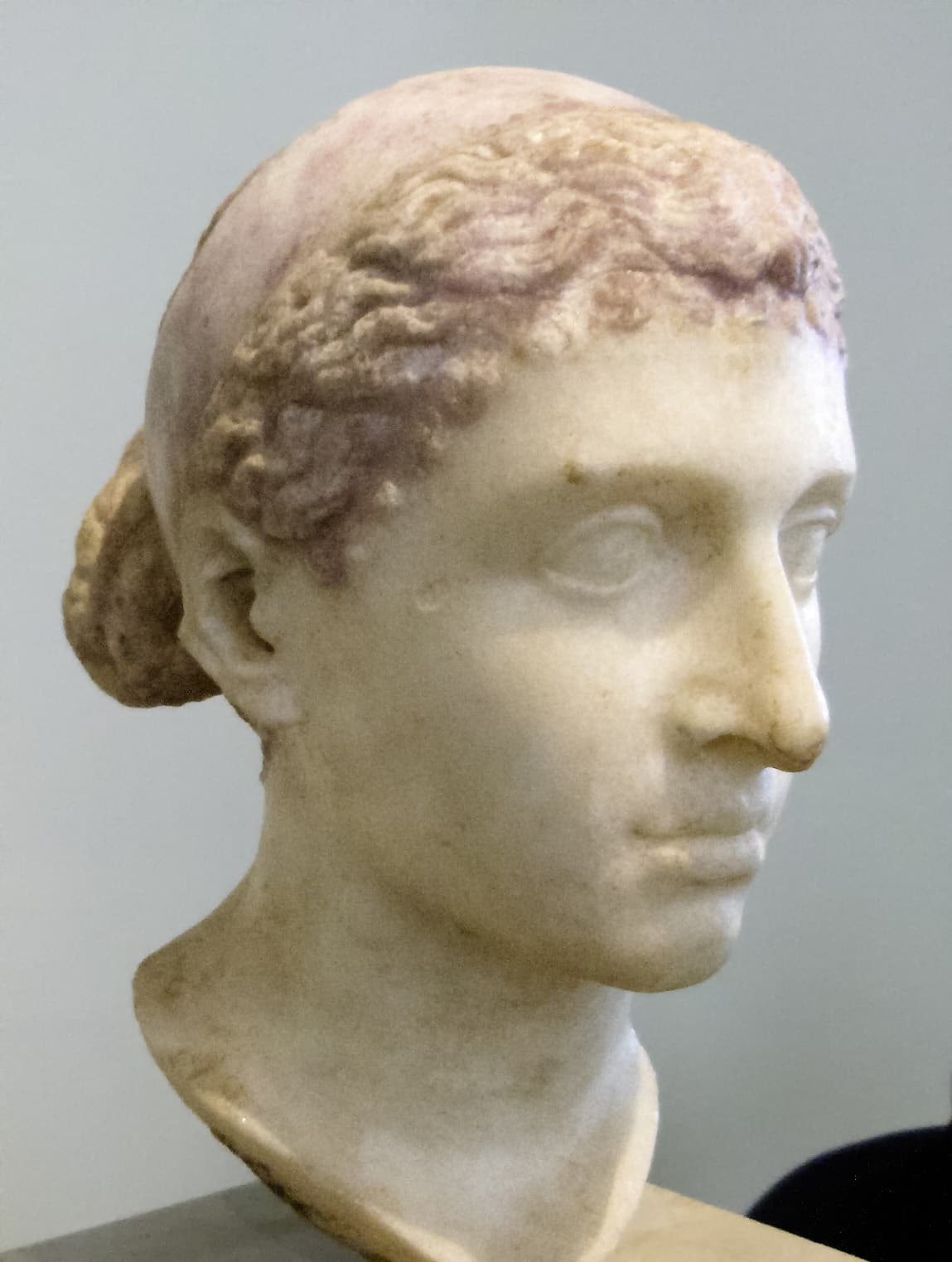
      The Ptolemaic rulers of Egypt had governed from Alexandria for nearly three centuries, yet not one of them bothered to learn the language of the people they ruled—until Cleopatra VII Thea Philopator.
    Andean Civilizations

    • Moche culture

      concept · 1 CE

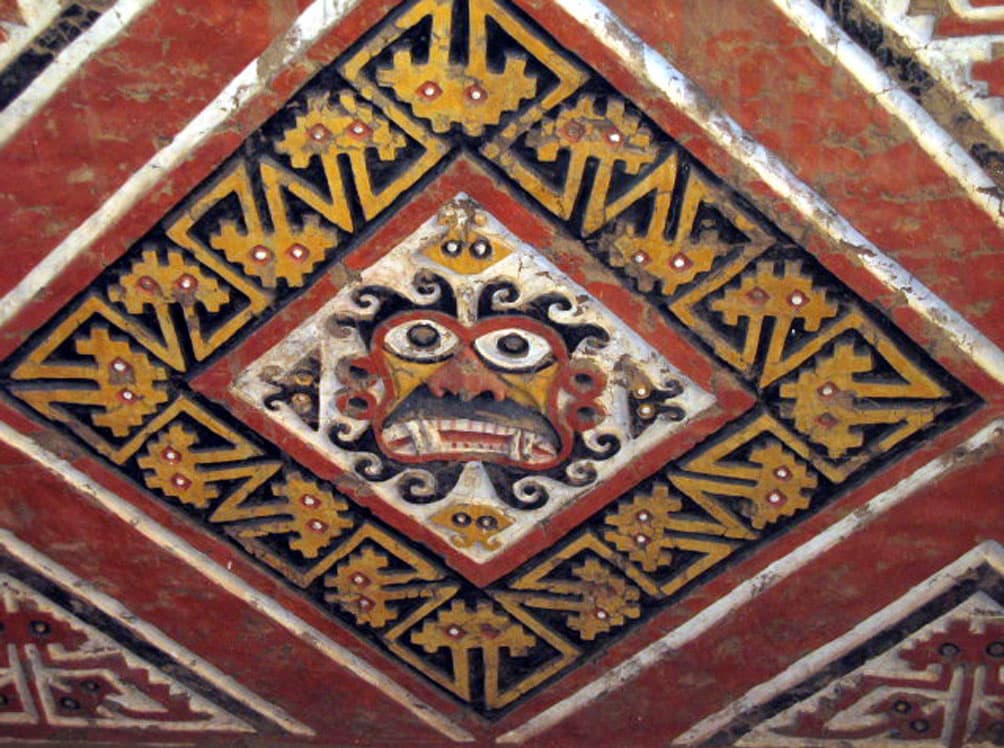
      Along two hundred and fifty miles of Peru’s arid northern coastline, a network of river valleys nurtured a civilization bound not by a single crown, but by a shared and vivid imagination.

    • Tiwanaku

      place · 400 CE

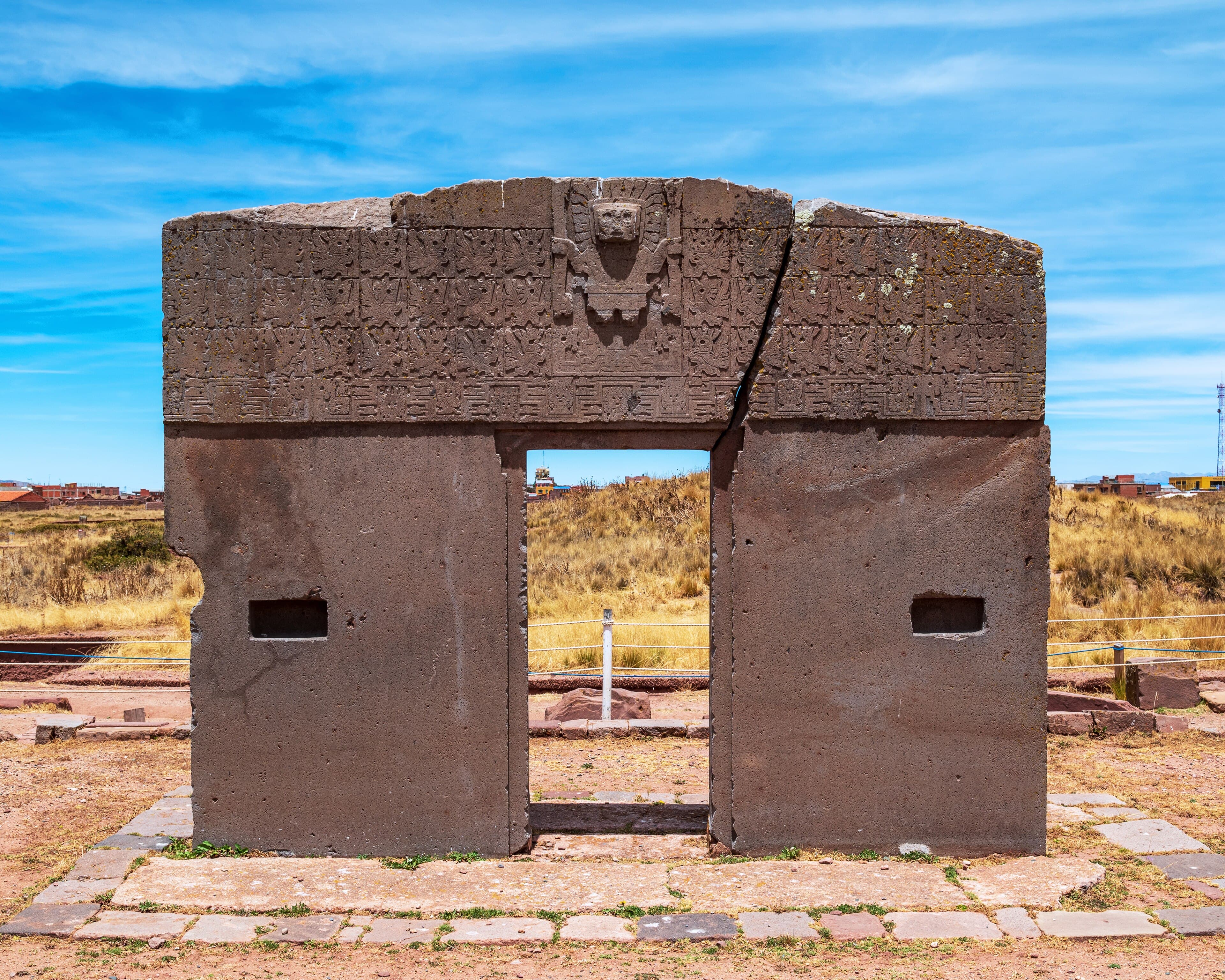
      High in the Andean altiplano of western Bolivia, near the shores of Lake Titicaca, lie the megalithic blocks and monumental structures of an ancient city that once considered itself the literal midpoint of existence.

    Silk Roads

    • Samarkand

      place · 8th c. BCE

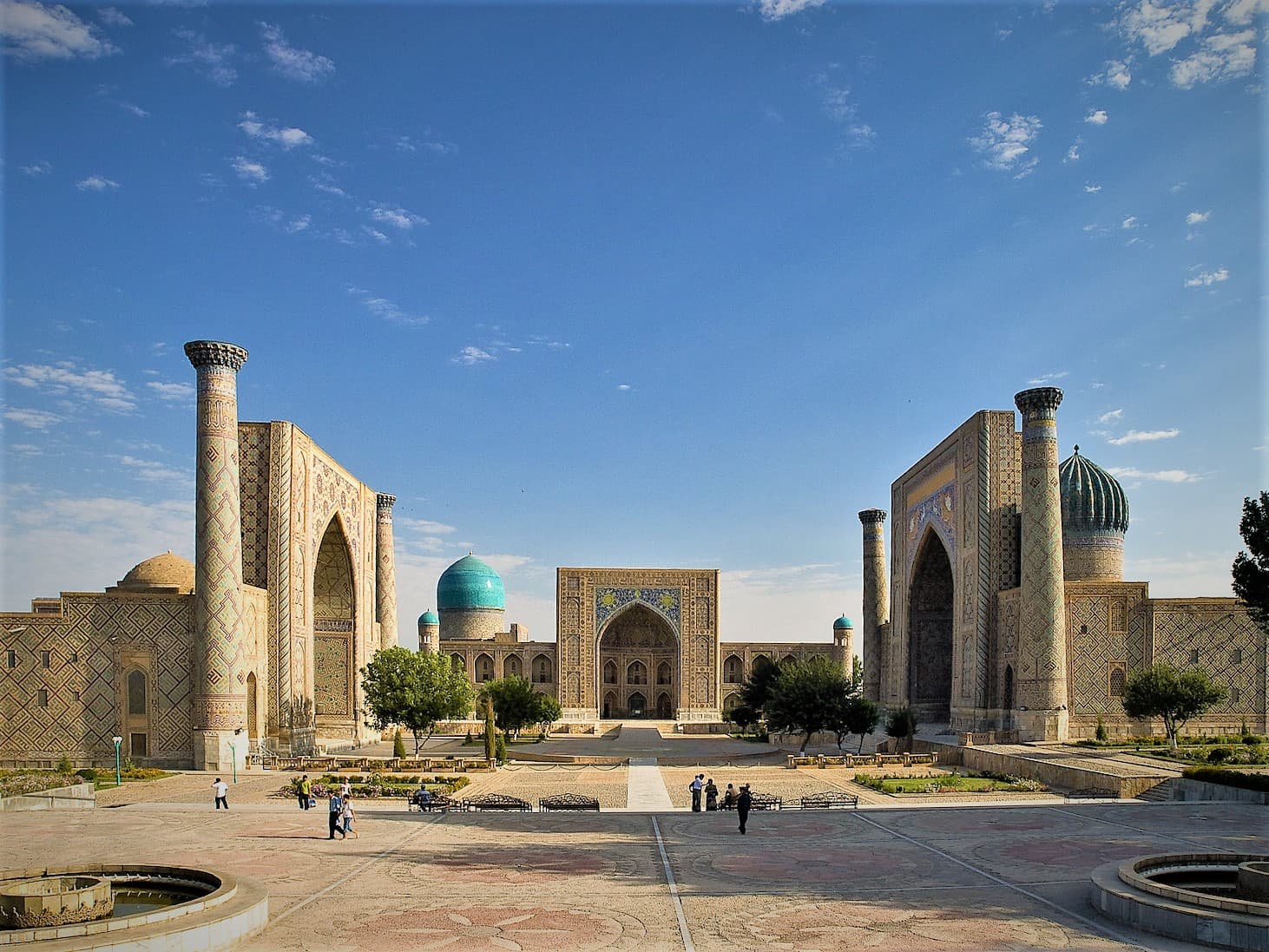
      To understand the vast, shifting networks of the Silk Road is to understand Samarkand.

    • Kanishka

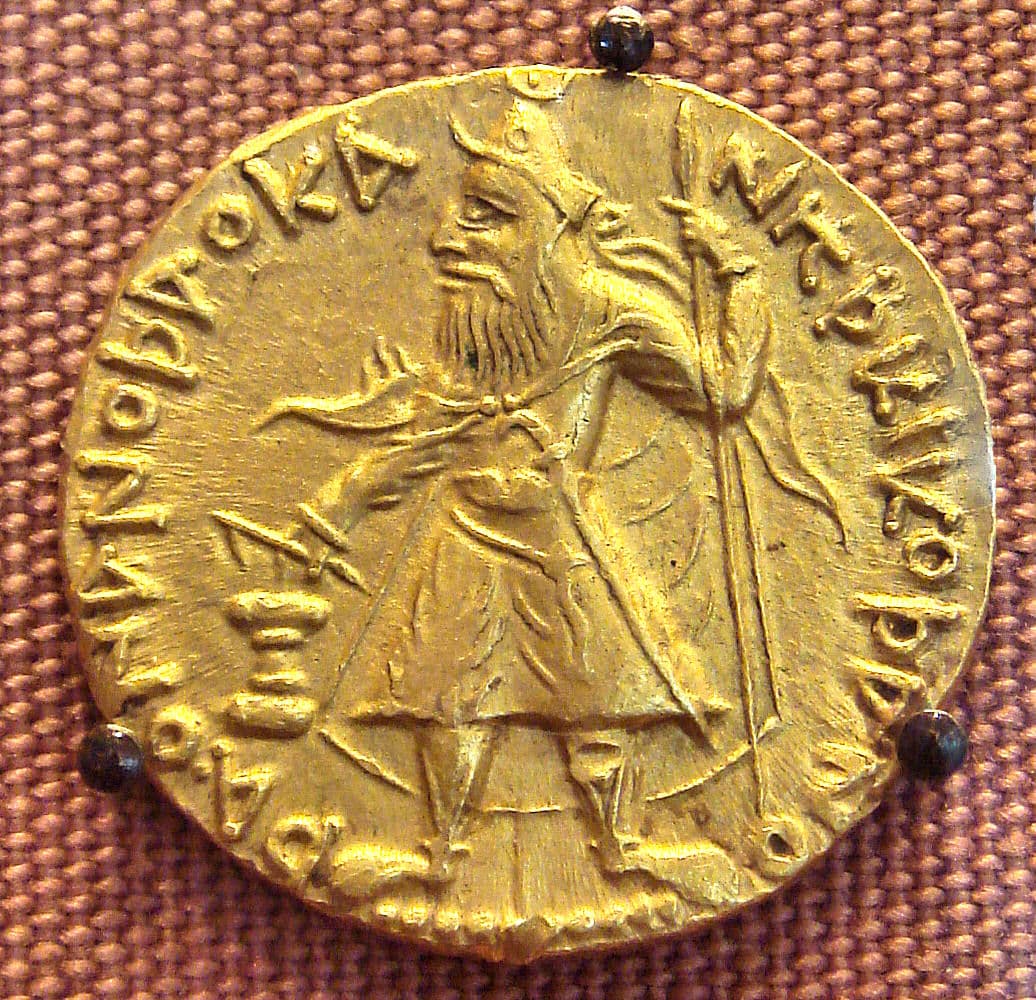
      person · 78 CE

      The Yuezhi emperor Kanishka I ruled an empire that stretched from the windswept tracks of Central Asia and Gandhara all the way to Pataliputra on the Gangetic plain, marking the absolute zenith of Kushan power.

    East African Civilizations

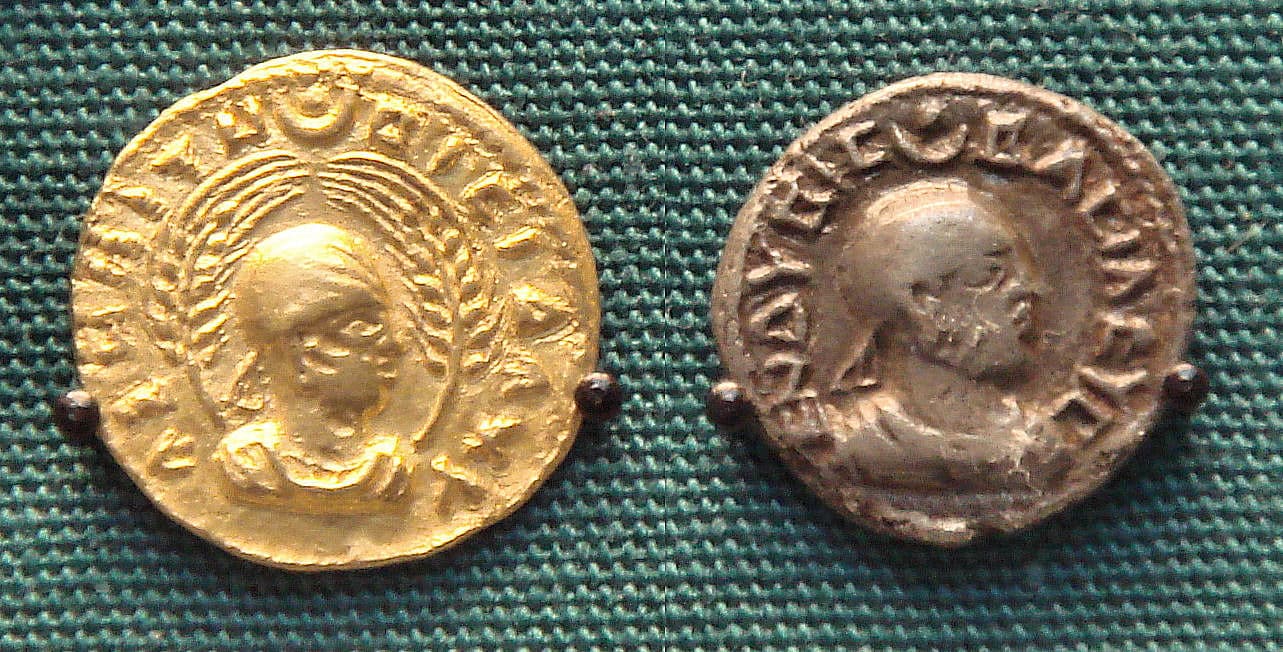
    • Kingdom of Aksum

      event · 4th c. BCE

      Long before the medieval world shrank into isolated pockets of power, a single merchant empire commanded the critical maritime arteries linking Rome to India.

    Southeast Asian Empires

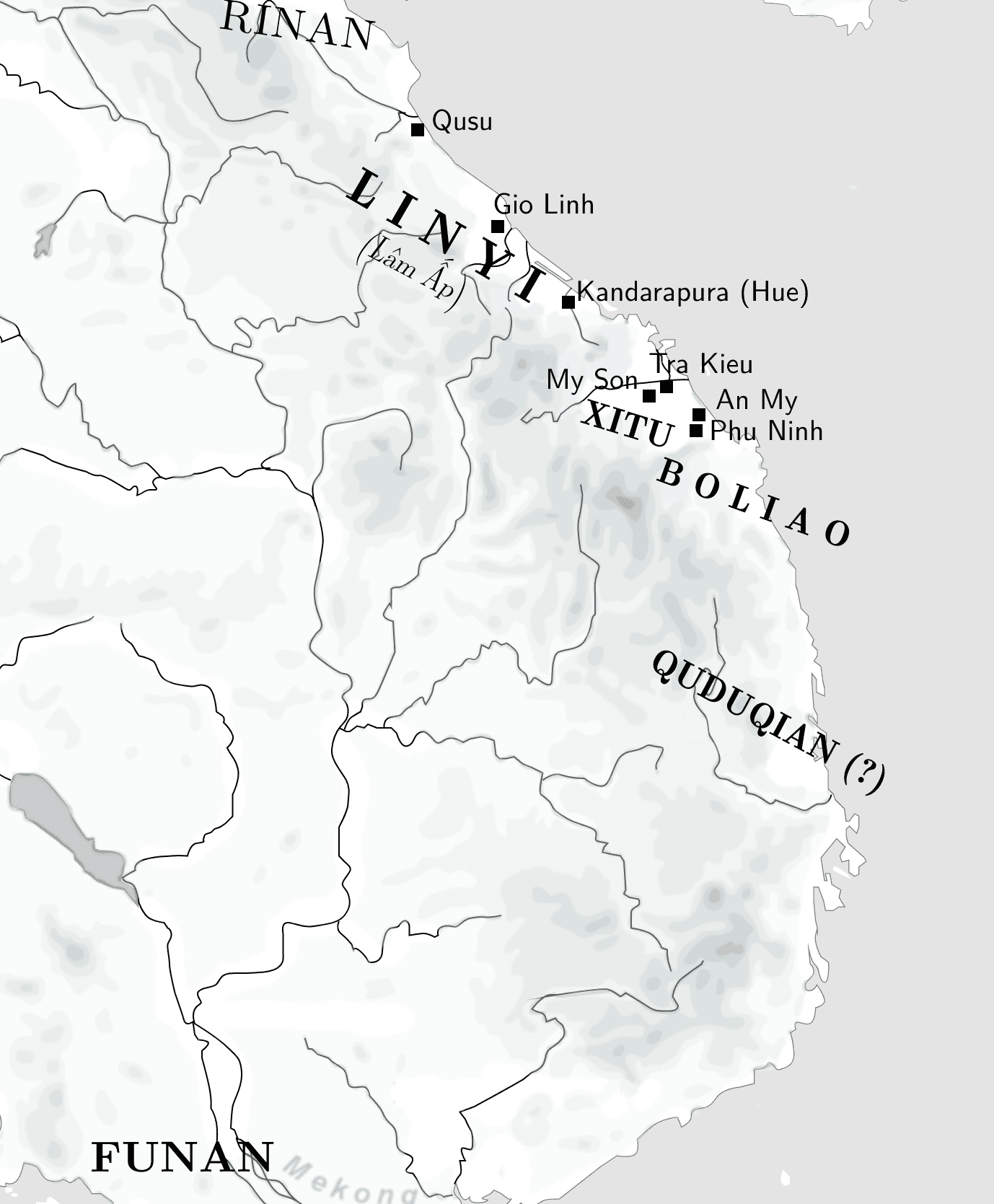
    • Champa

      event · 192 CE

      The origins of Champa are etched in a rebellion against Chinese rule.

    West African Empires

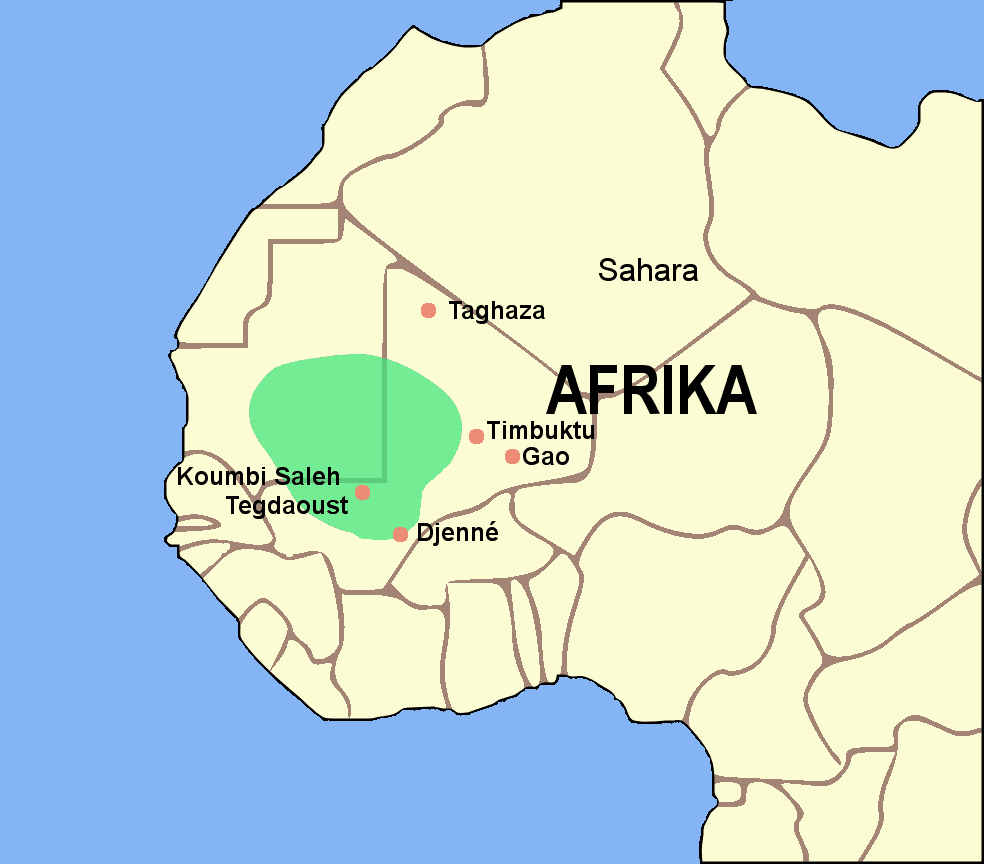
    • Ghana Empire

      event · 100 CE

      Long before the name was claimed by a modern West African nation in 1957, Ghana was the title of a warrior king who ruled a vast western-Sahelian empire.

    Without a civilization

    • Judaism

      organization · 5th c. BCE

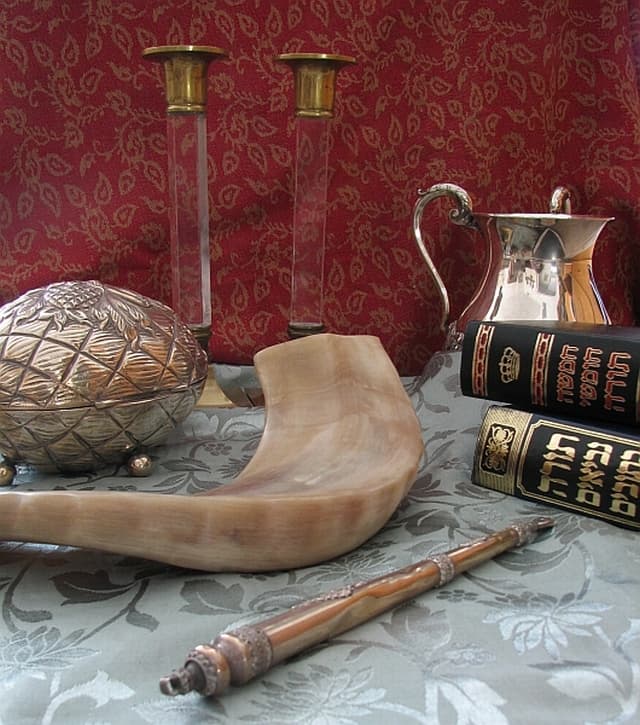
      To find seventy, and potentially infinite, facets of meaning in a single text is to understand the restless, literary heart of Judaism.

    ← EarlierAncient
    Later →Medieval