Era · 10000 BCE – 1000 BCE · 30 entries
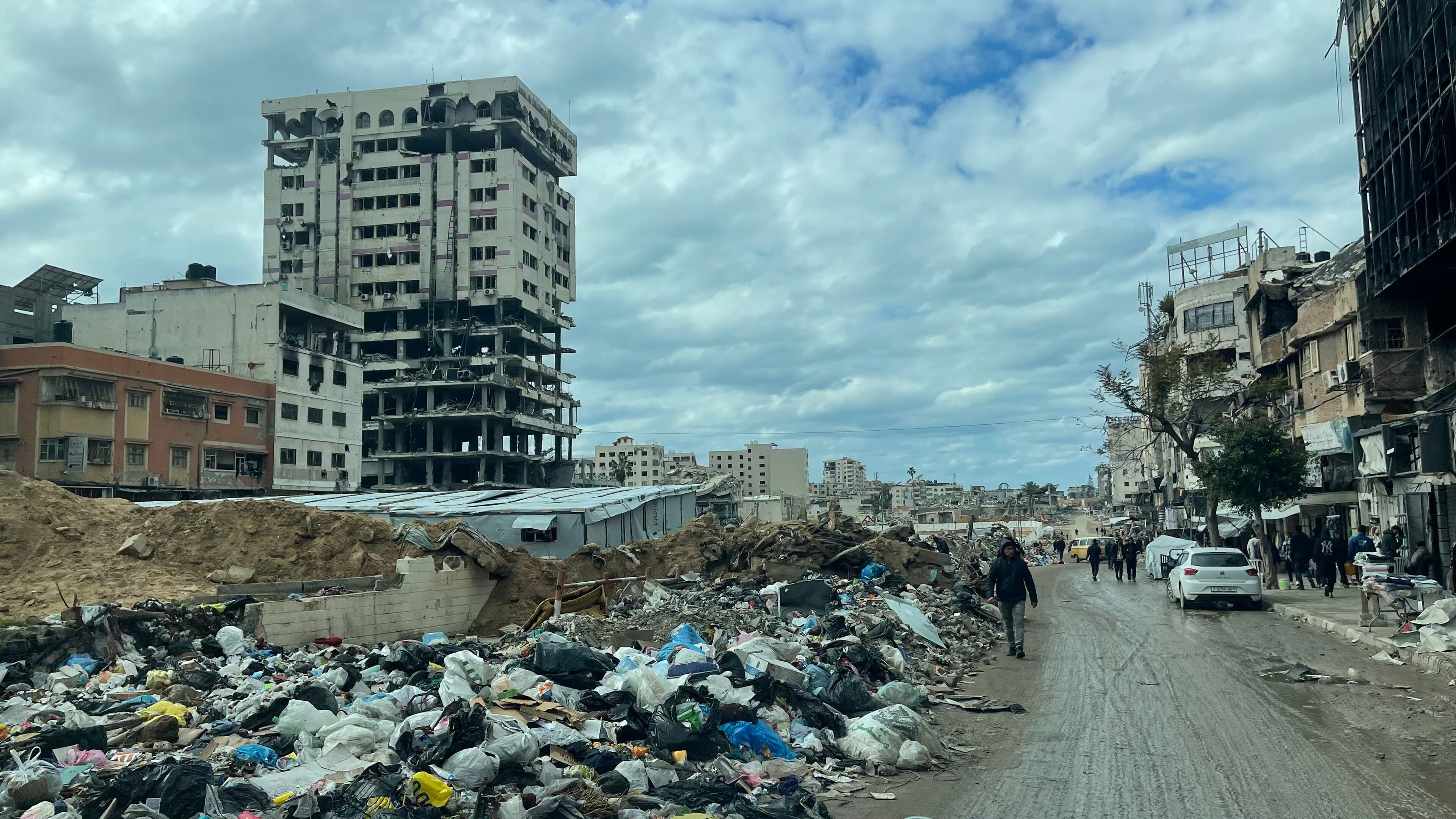
Few places on the Mediterranean have been so relentlessly claimed, rebuilt, and shattered as Gaza City.
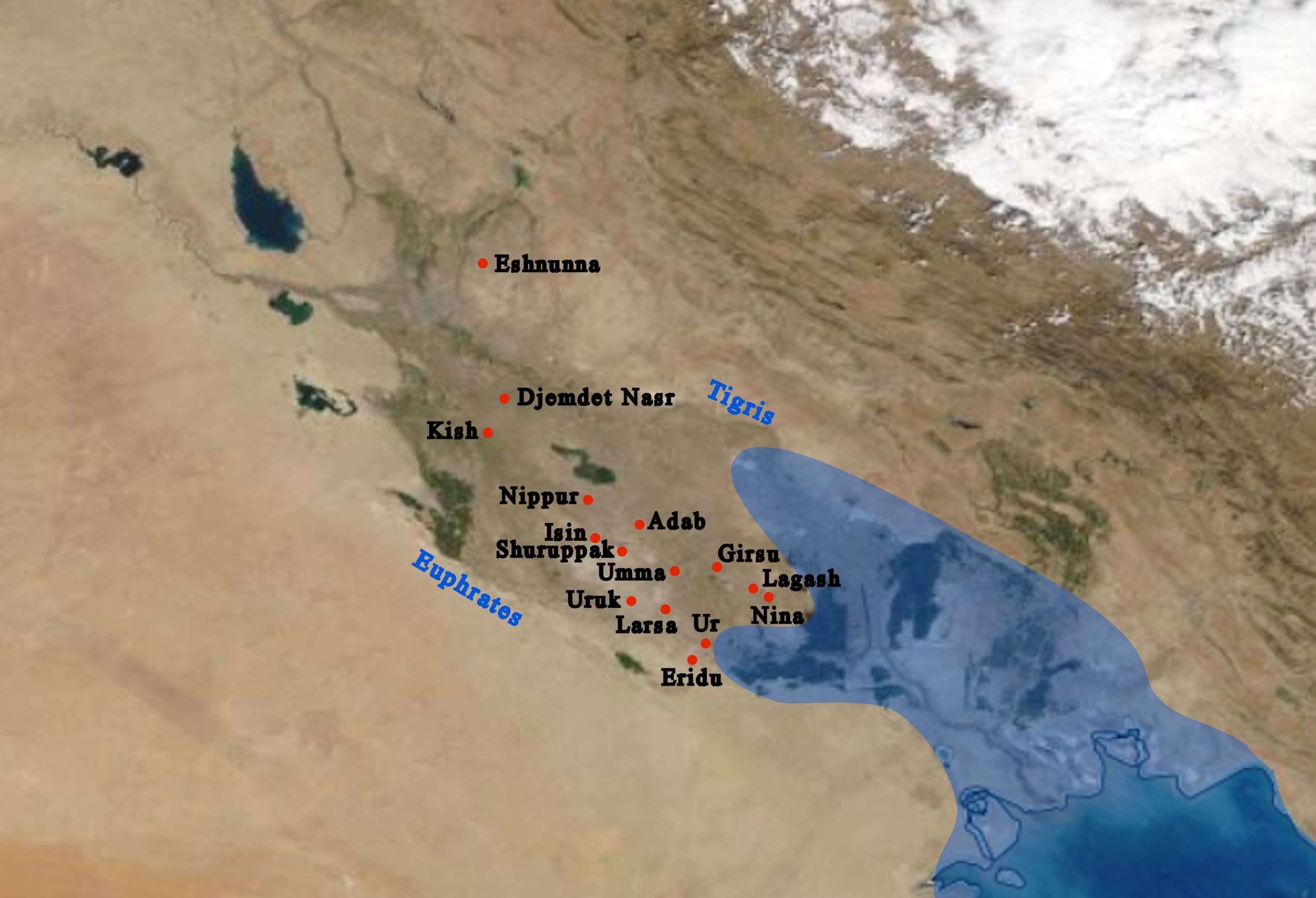
Long before the rise of the Mediterranean empires, the marshy floodplains between the Tigris and Euphrates rivers gave rise to a transformation in how humans lived together.
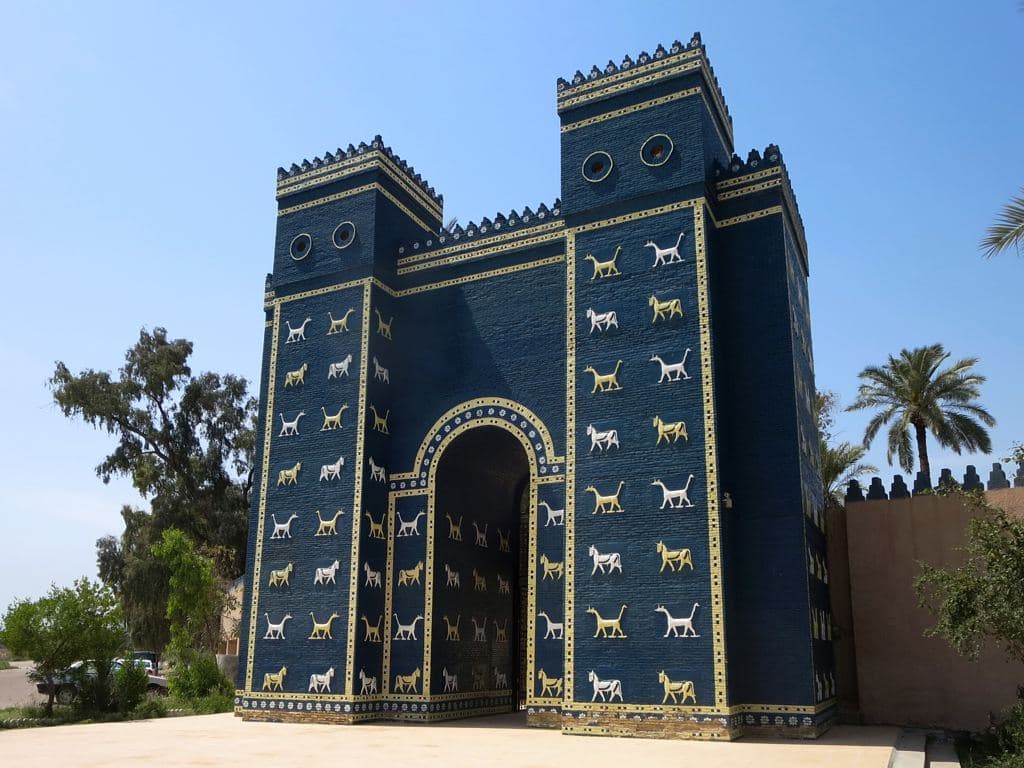
Long before it became a synonym for imperial grandeur, Babylon was merely a quiet religious outpost on the lower Euphrates River, subject to the whims of the Akkadian Empire.
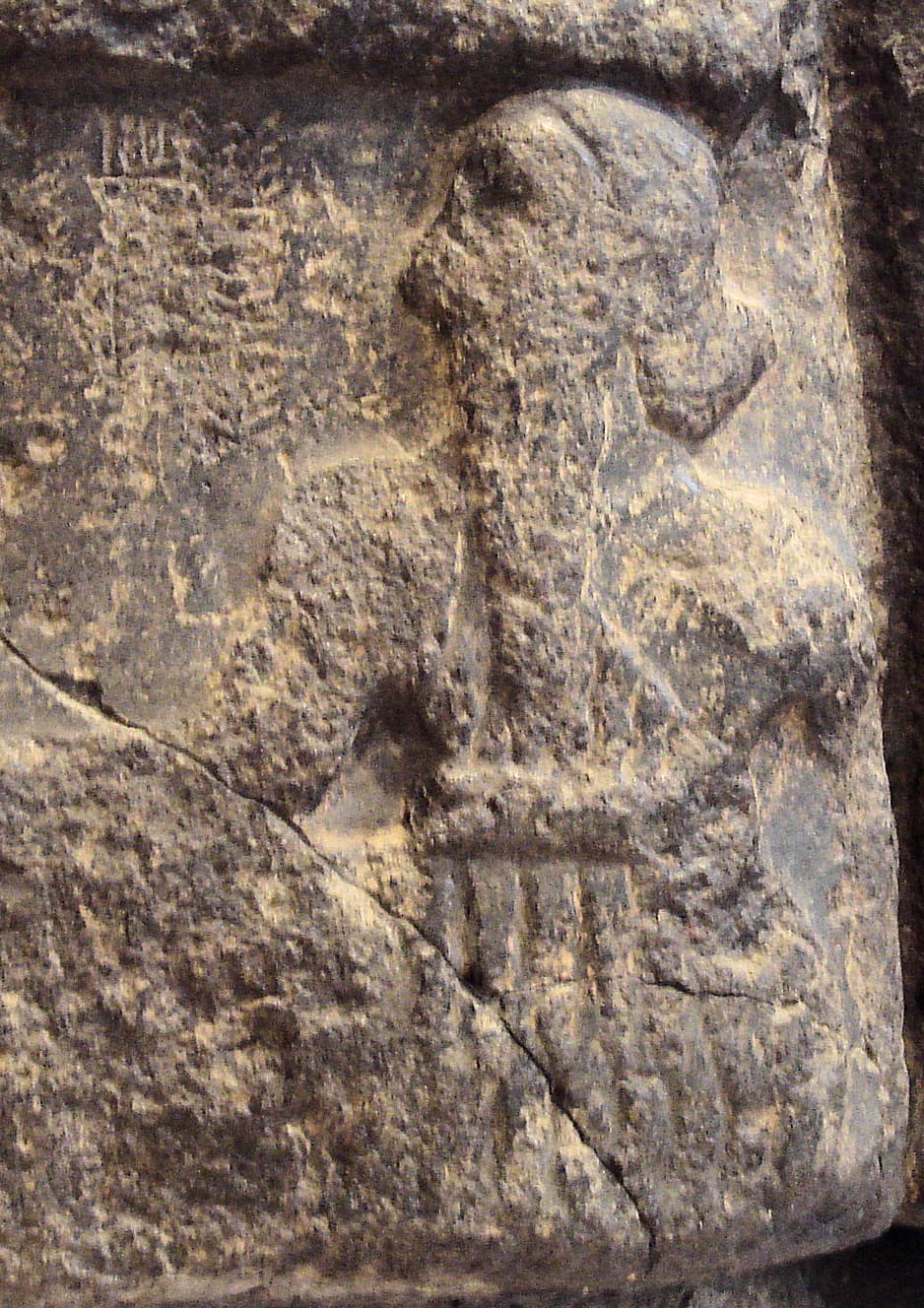
Before he became the first person in recorded history to rule over an empire, the man we know as Sargon of Akkad served as a cup-bearer to King Ur-Zababa in the city-state of Kish.
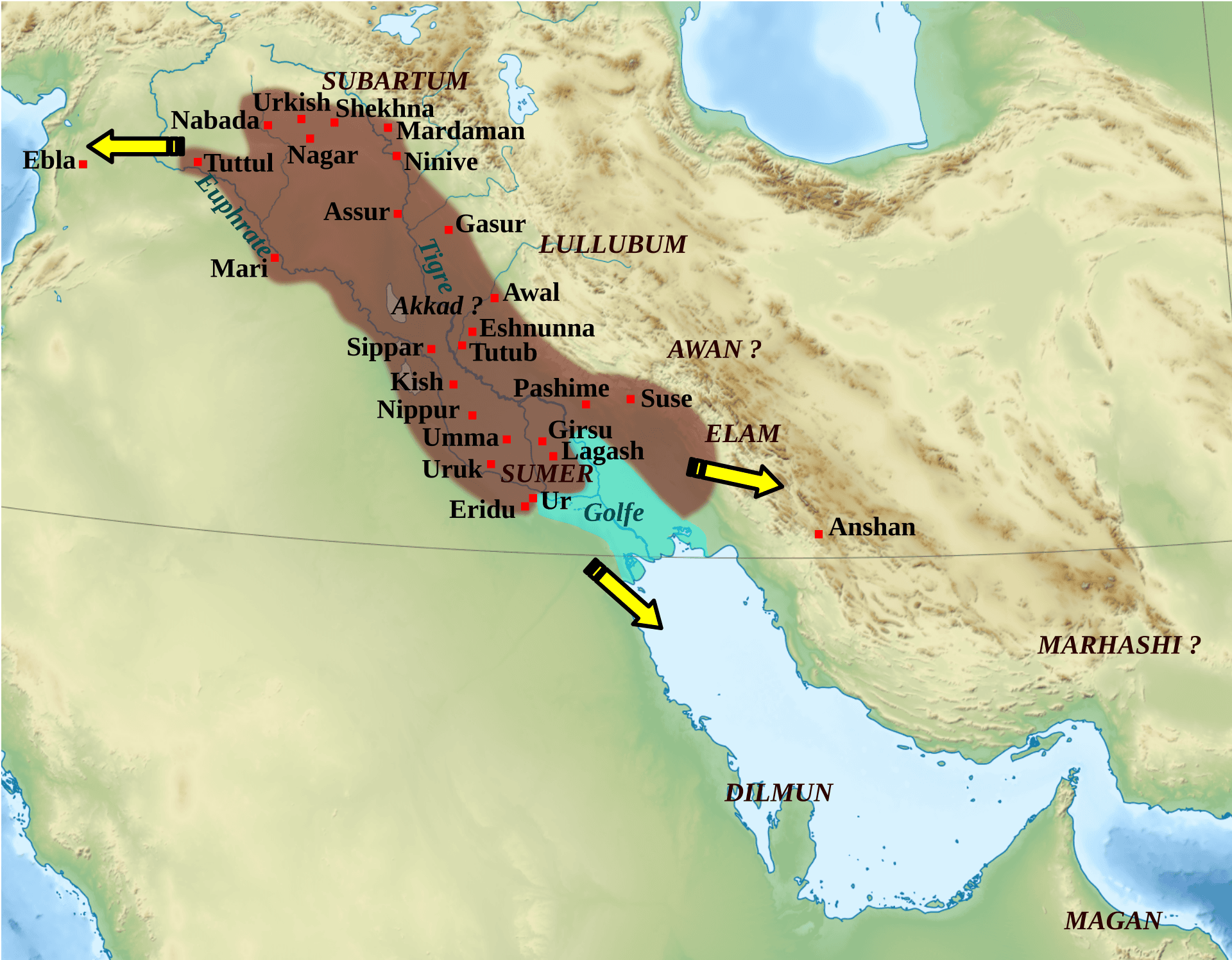
Before the twenty-fourth century BCE, the Mesopotamian world was a fractured mosaic of rival city-states, each guarding its own temples and sovereignty.
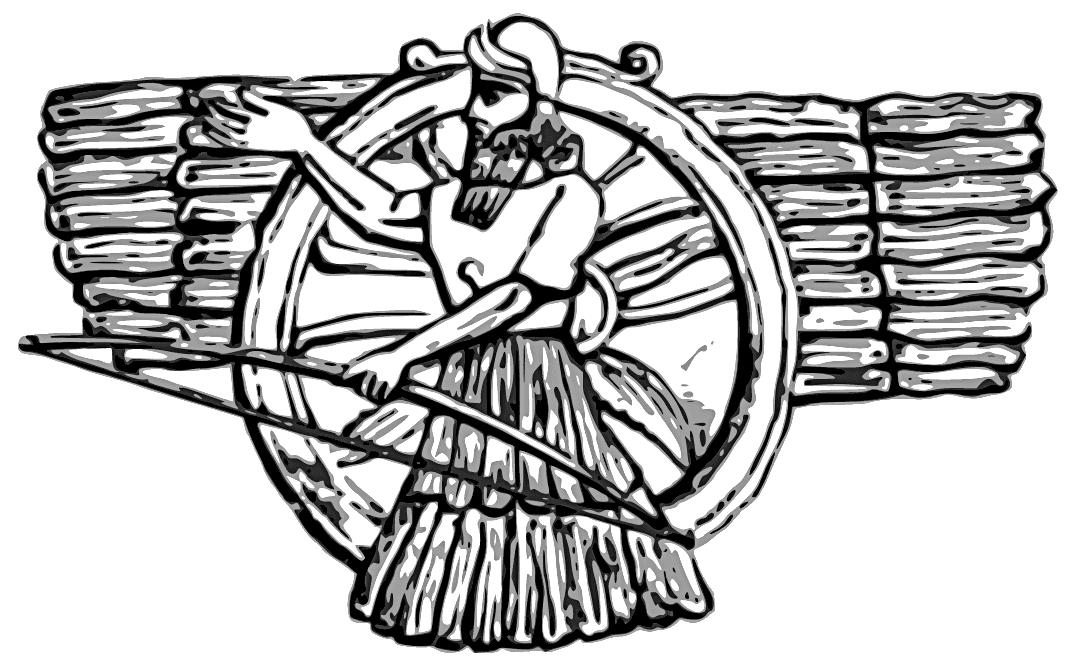
Long before it became the largest empire the world had yet seen, Assyria was a single city-state named Assur, clinging to independence in the 21st century BCE following the collapse of the Third Dynasty of Ur.
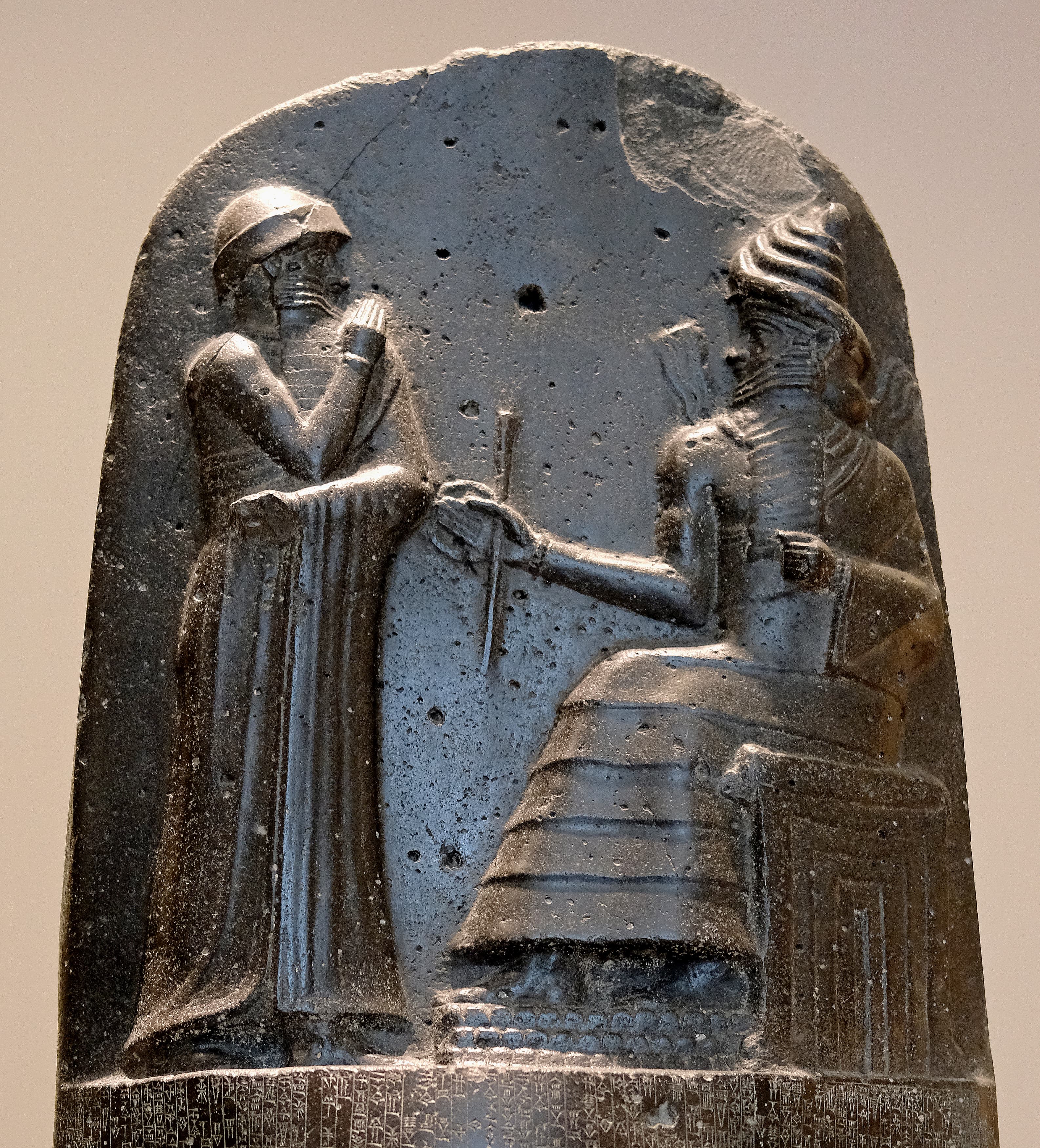
When Hammurabi ascended the throne around 1792 BCE, Babylon was merely a minor city-state, overshadowed by older, grander kingdoms and surrounded by rivals vying for the fertile plains of Mesopotamia.
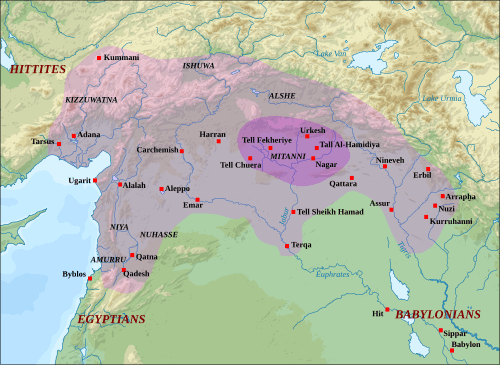
For centuries, a great empire in northern Syria and southeast Anatolia commanded the respect of the ancient world's most formidable dynasties, yet left behind no royal annals, chronicles, or histories of its own.
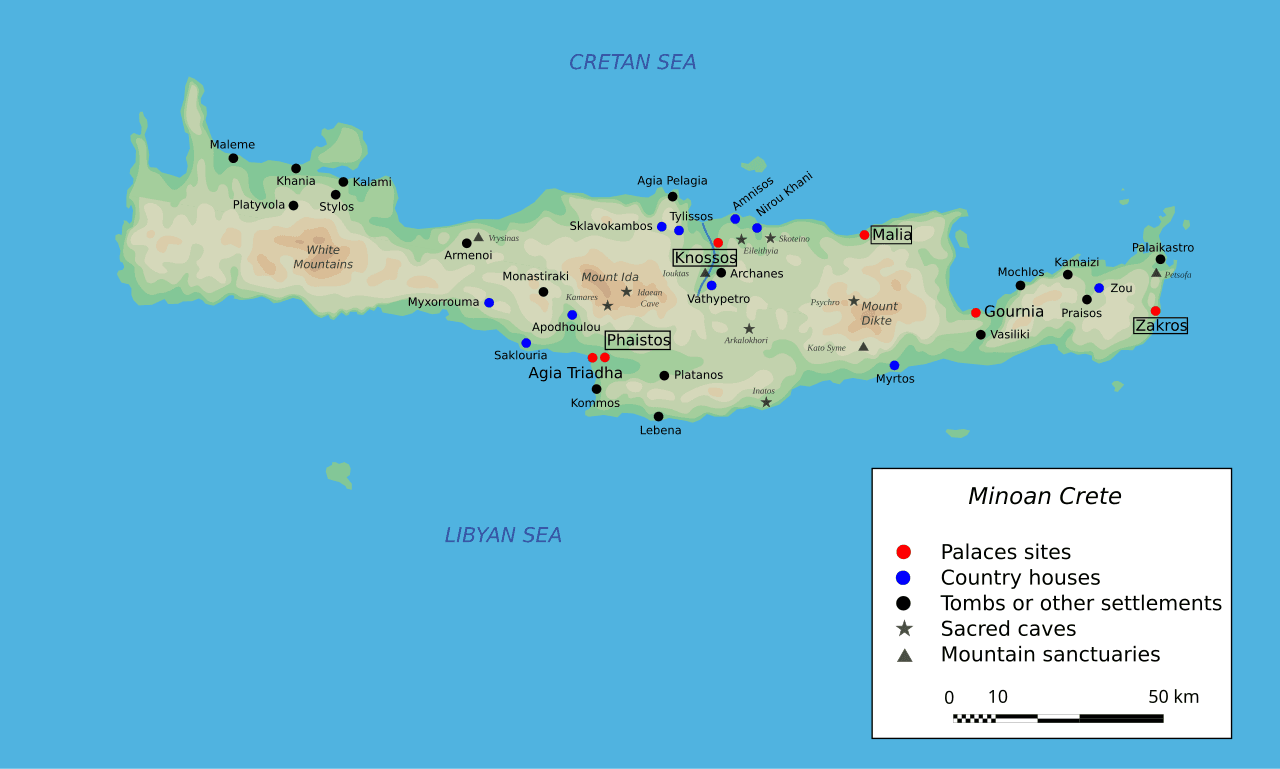
Europe’s first civilization did not announce itself with statues of conquering kings or monuments to dynastic power.
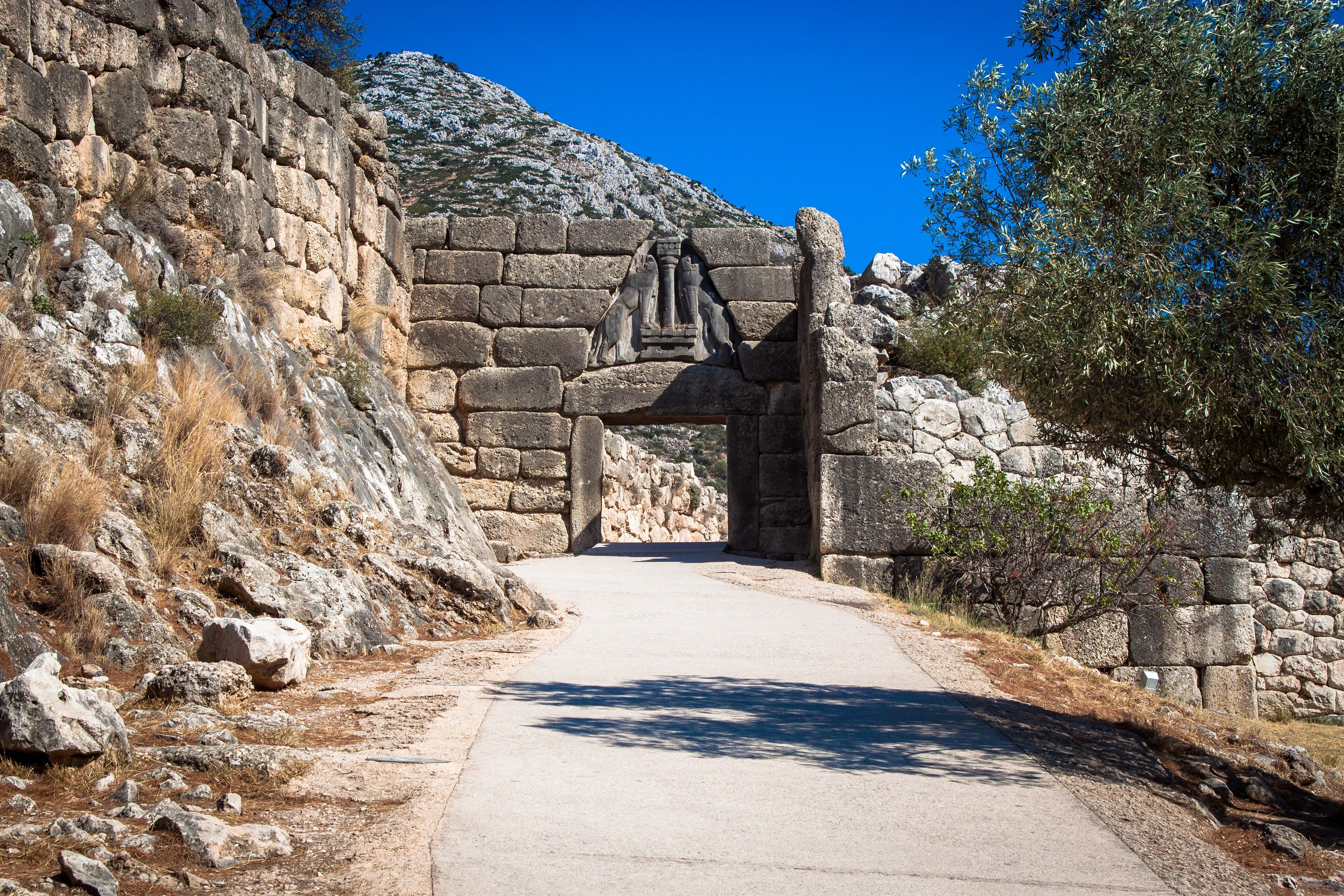
High on a hill rising 274 meters above the Argive plain, the ruins of Mycenae command the strategic routes leading to the Isthmus of Corinth.
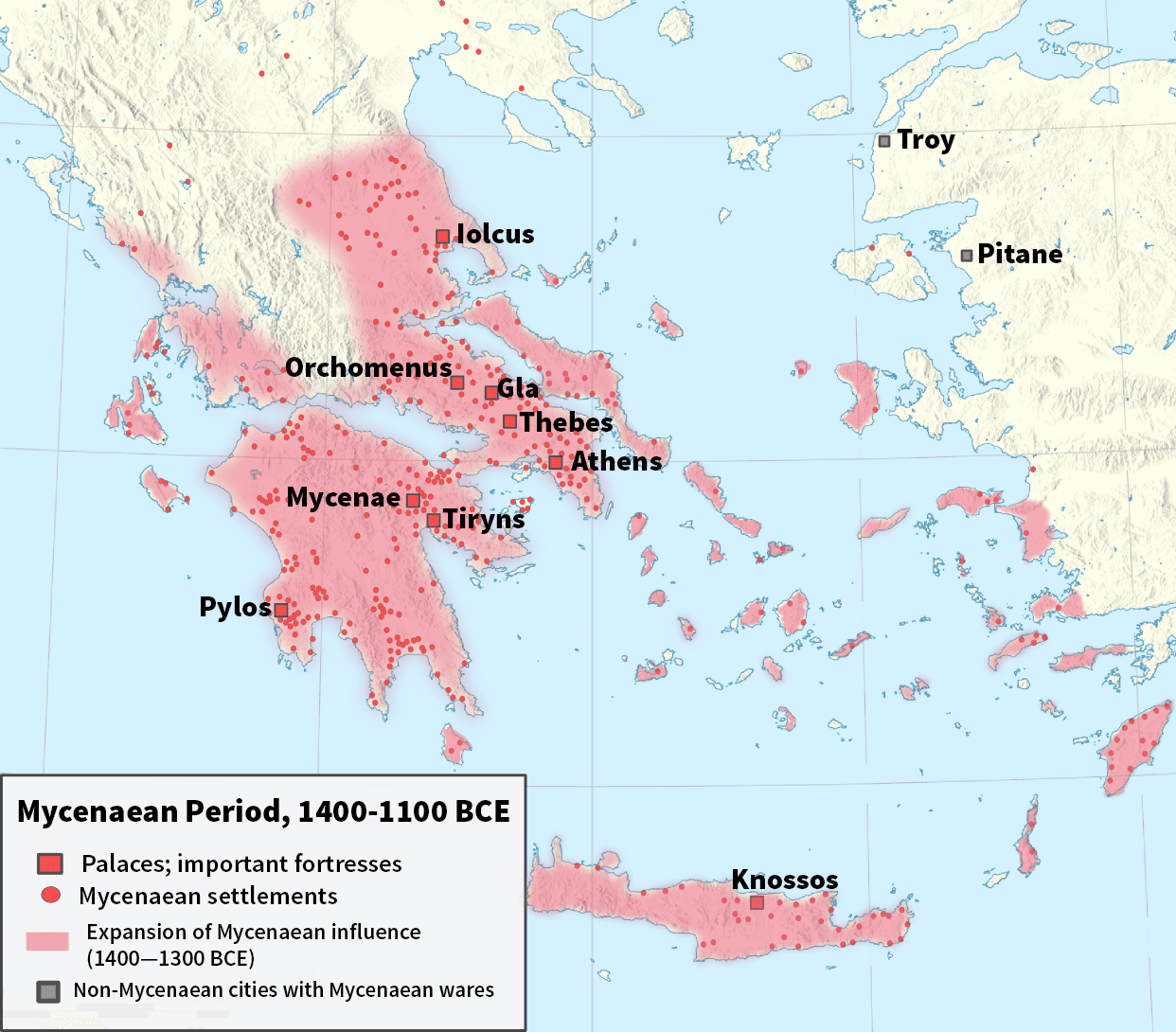
Centuries before the philosophers of Athens debated in the agora, a warrior elite ruled the Greek mainland from monumental palace-states like Pylos, Tiryns, and Mycenae itself.
Beneath the coastal soil of northern Syria, ten kilometers north of modern Latakia, lies the accumulated debris of some seven thousand years of continuous human habitation.
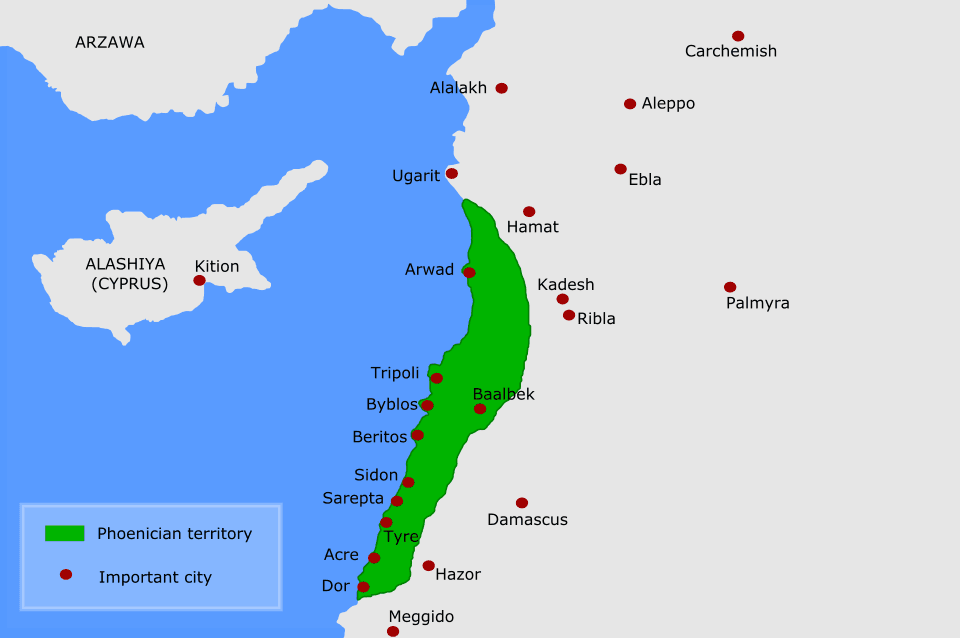
Before the Greeks named them, the people of the eastern Mediterranean coast called themselves Canaanites.
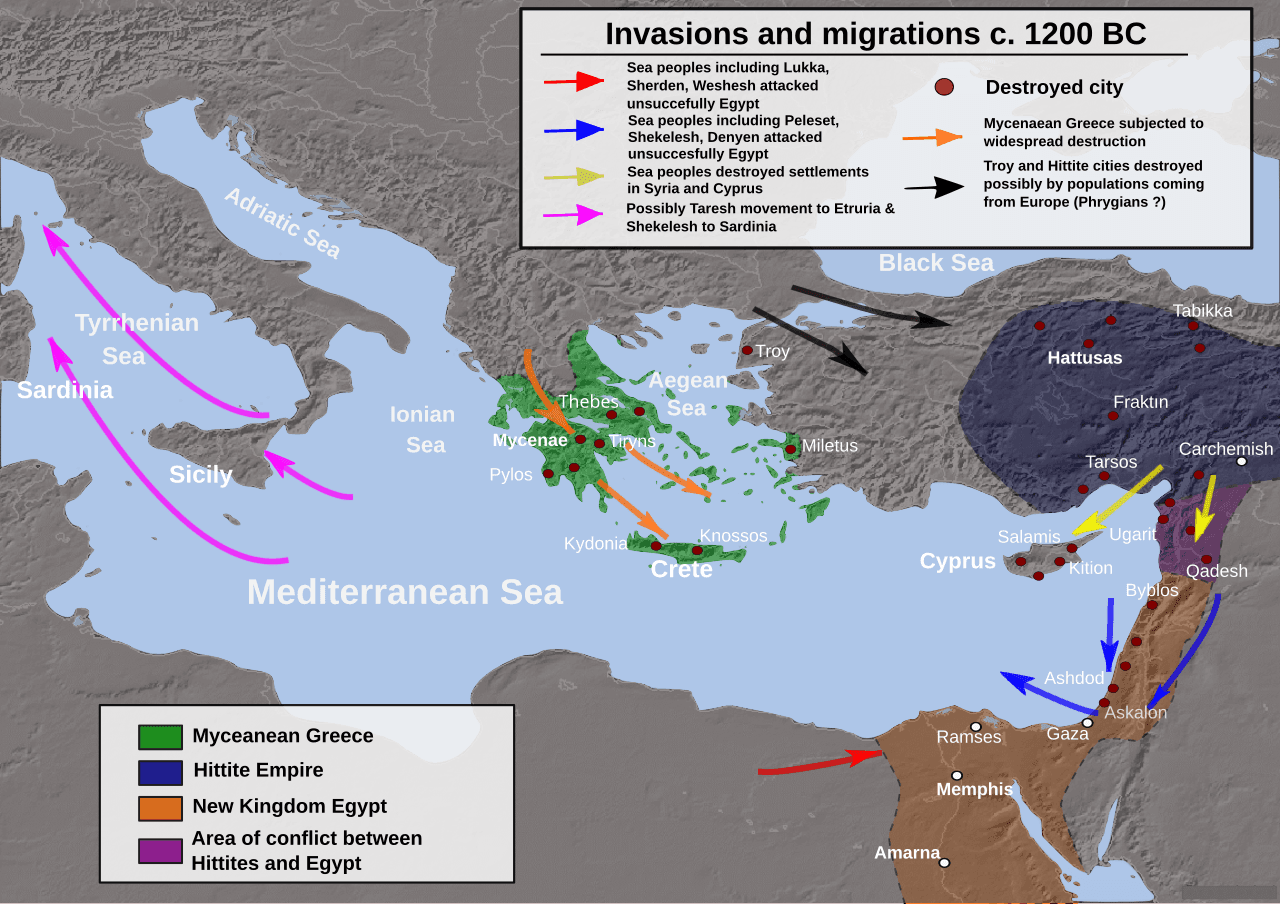
Between 1200 and 1150 BCE, a sudden and violent rupture fractured the ancient world, shattering the great, interconnected powers of the Eastern Mediterranean and the Near East.
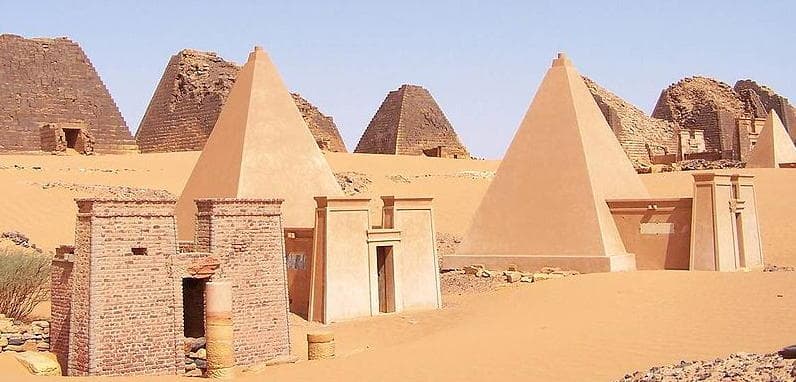
Rising from the dry scrub of the Sudanese desert, some two hundred kilometers northeast of modern Khartoum, more than two hundred steep-sided, slender pyramids mark the site of Meroë.
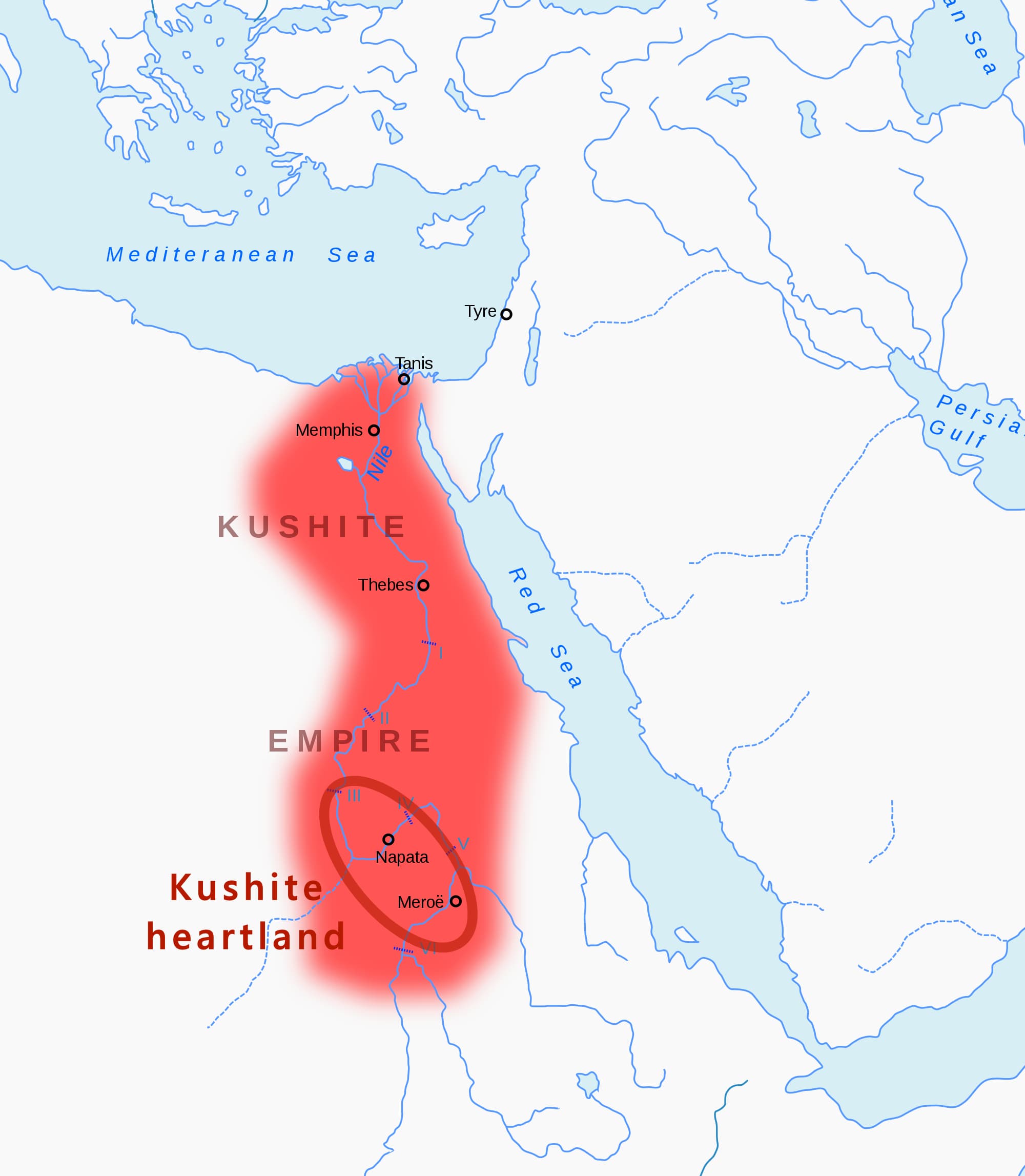
To the ancient Egyptians, the lands south of the Nile’s first cataract were known as Kush, a distinct world of sophisticated trade, industry, and power that repeatedly challenged and reshaped the destiny of the Nile…
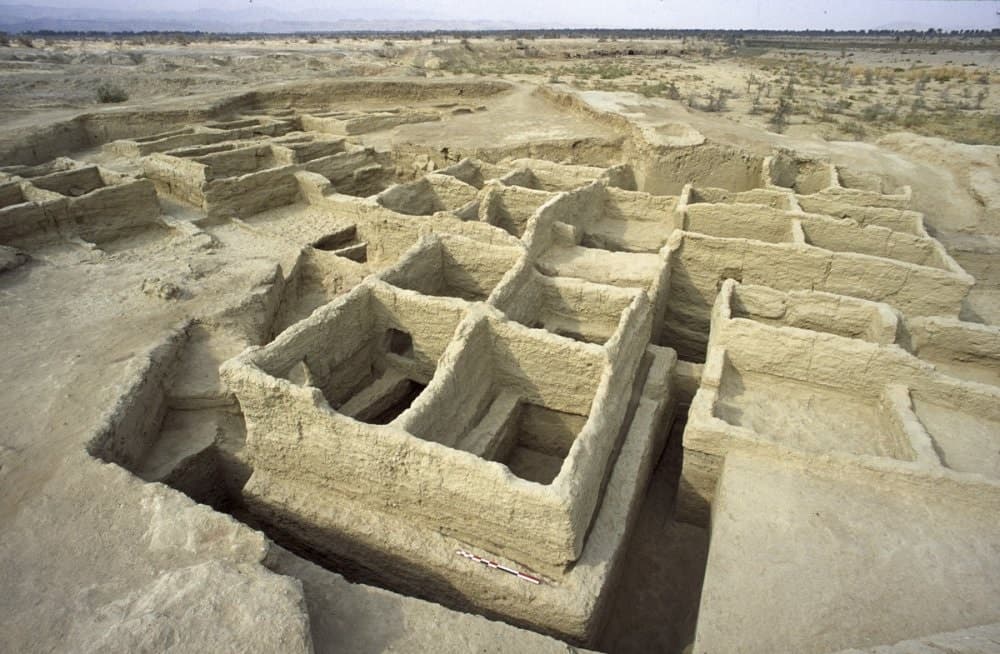
Long before the grand brick cities of the Indus Valley Civilisation rose to prominence, a small farming village took root on the Kacchi Plain of Balochistan.

When British India was partitioned in 1947, the newly drawn borders left the legendary ruins of Harappa and Mohenjo-daro inside Pakistan, prompting Indian archaeologists to scour their own northwestern landscape for the…
The roots of the Zapotec trace back deep into the soil of central Mexico, beginning around 6700 BCE and flourishing until approximately 1200 CE.
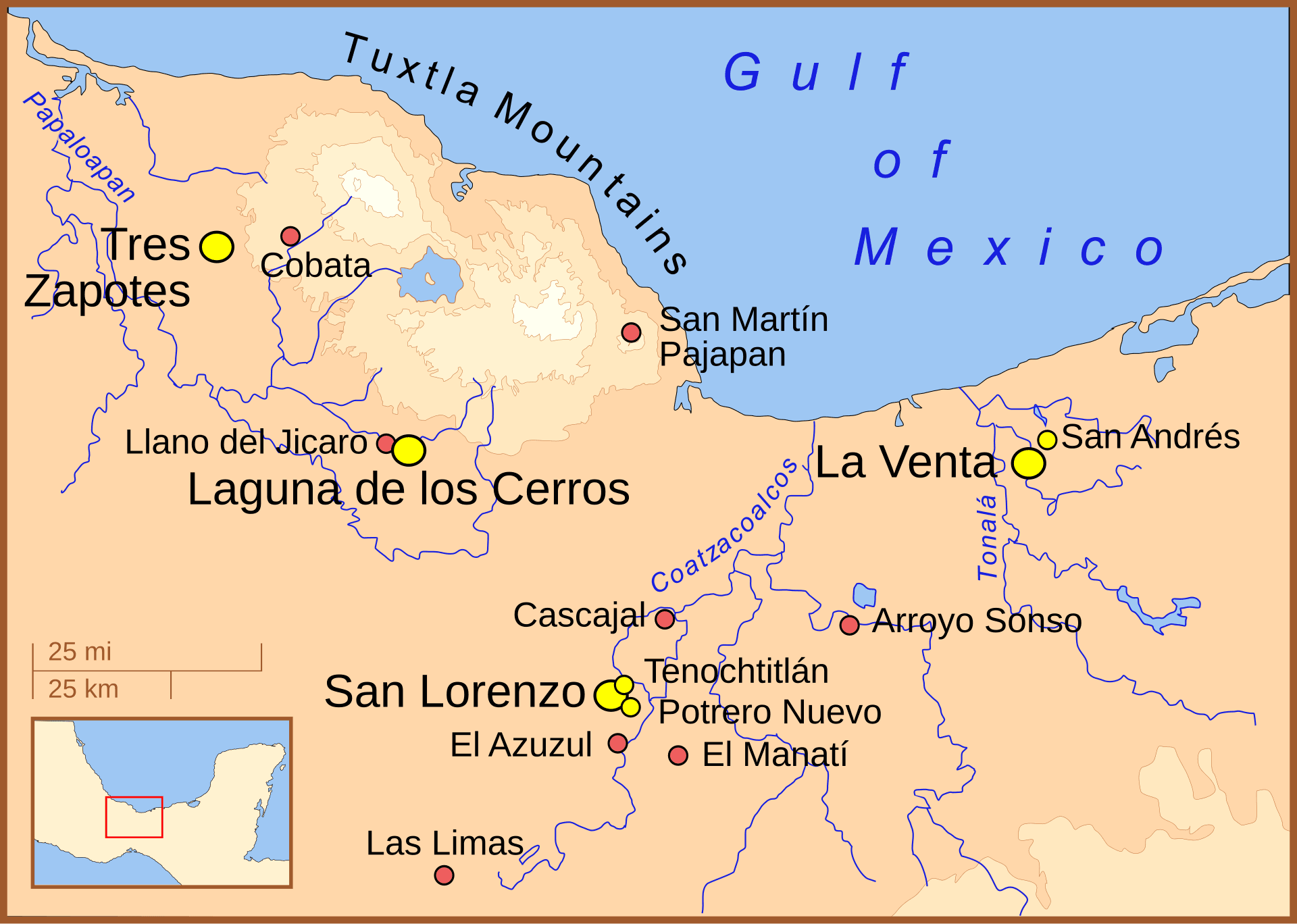
Deep in the swampy lowlands of modern-day Veracruz and Tabasco, a people emerged around 1200 BCE whose true name has been lost to time.