Organization · 1569 CE – 1795 CE · Early Modern Europe
Polish–Lithuanian Commonwealth
- Also known as
- Abidvėju Tautū Respoblėka
- Abiejų Tautų Respublika
- ATR
- Bi Nazioen Errepublika
- Co-fhlaitheas na Pòlainn - Liotuàinia
- Co-unnaneys y Pholynn as y Litaan
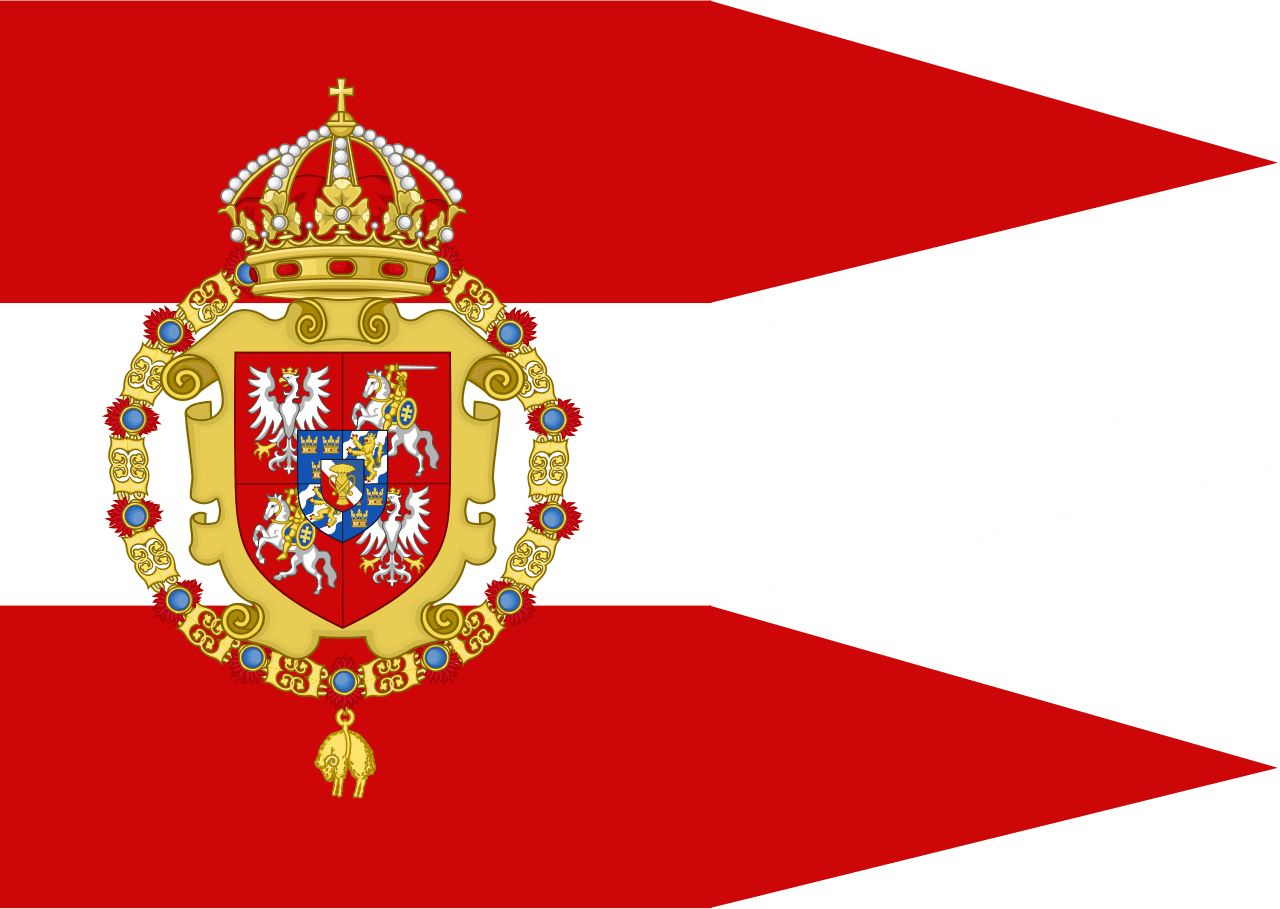
For over two centuries, a sprawling, multi-ethnic colossus stretched across the heart of Europe, defying the continent’s drift toward absolute royal power.
On the first day of July in 1569, inside the crowded chambers of a joint parliament in Lublin, a new colossus was born in Europe. It was not forged by conquest, but by the ink of a constitutional treaty and the anxiety of an ailing, childless king. Sigismund II Augustus, the last male heir of the venerable Jagiellonian dynasty, watched his health fail while his frontiers grew increasingly vulnerable. To his east, the rising, aggressive power of Muscovy pressed hard against the Grand Duchy of Lithuania. To secure his domains in perpetuity, Sigismund enforced a legislative merger of his two crowns. It was a shotgun wedding of necessity. Many Lithuanian magnates, fearing the erasure of their sovereignty, walked out of the negotiations in protest. Yet, facing the threat of losing their lands and pressured by the king’s uncompromising use of his grand ducal authority, they returned to sign. The resulting Union of Lublin bound the Kingdom of Poland and the Grand Duchy of Lithuania into a single, federative real union. At its peak in the early seventeenth century, this vast, dualistic state—officially the Kingdom of Poland and the Grand Duchy of Lithuania, but known to history as the Polish–Lithuanian Commonwealth—spanned nearly one million square kilometers. It was a sprawling, multi-ethnic mosaic of twelve million souls, bridging the Baltic and the steppes of Eastern Europe under a single, radical political experiment.
This experiment was defined by an unprecedented constitutional system known as the "Golden Liberty." While the rest of Europe marched steadily toward royal absolutism, the Commonwealth moved in the opposite direction, systematically dismantling the autocratic power of the Crown. Following the death of Sigismund II in 1572, which ended the hereditary Jagiellonian line, the nation established a truly elective monarchy. The crown was no longer passed down by bloodline; instead, any member of the domestic nobility or external European dynasties could be elected to the throne for life. In May 1573, approximately forty thousand nobles gathered on the plains outside Warsaw to cast their votes in the first of these grand elections, choosing Henry de Valois, the son of the French king, over a Habsburg archduke. To ascend the throne, Henry was forced to sign the Henrician Articles and a personalized contract called the Pacta conventa. These statutes permanently circumscribed royal authority, binding the king to a bicameral parliament, the General Sejm, and ensuring that legislative power remained firmly in the hands of the szlachta—the noble class.
What made this system particularly remarkable was the sheer scale of the enfranchised class. While other European kingdoms reserved political power for a tiny fraction of one percent of the population, the Commonwealth’s comprised roughly ten percent of its citizens. Any noble, whether a wealthy magnate owning vast Ukrainian estates or a landless squire who tilled his own fields, possessed equal rights under the law and a vote in the local diets. This "Republic of Nobles" was built on the premise of absolute equality among its ruling class, where the king was merely the first among peers. Along with political liberty came an extraordinary degree of religious and cultural pluralism. In 1573, as Western Europe was torn apart by the Wars of Religion, the Commonwealth passed the Warsaw Confederation Act, which guaranteed religious tolerance and peace among the country’s diverse Christian denominations. Within this vast federation, Polish and Latin served as official languages, and Roman Catholicism remained the state religion, yet millions of Orthodox, Protestant, Jewish, and Muslim subjects coexisted within its borders.
Connected to
- had as participantBattle of Vienna
- in country · containsPolish–Lithuanian Commonwealth1569 CE
+ 7 further connections to entries not yet ingested