Event · 1303 CE – 1850 CE · Medieval Europe
Little Ice Age
- Also known as
- an oighearaois bheag
- Chicota Edat de Chelo
- Den lille istid
- Den lille istid
- Den lille istiden
- Den vesle istida
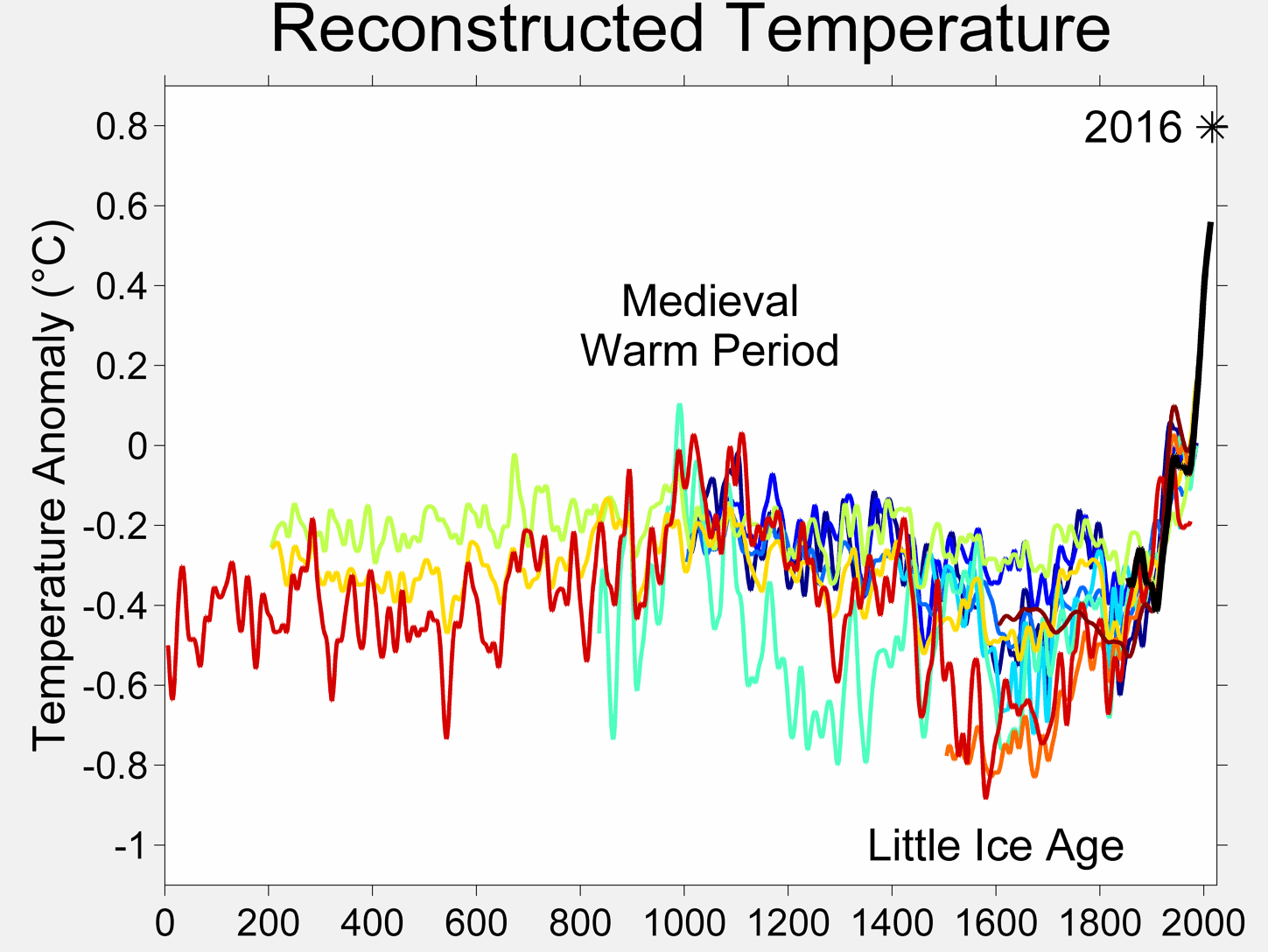
Sometime around 1300 CE, a subtle but persistent chill began to settle over the Northern Hemisphere, initiating a centuries-long epoch of erratic cooling known as the Little Ice Age.
In the final decades of the thirteenth century, the summers of Northern Europe began to lose their dependability. For generations, a mild and relatively stable climate had permitted agriculture to flourish far to the north, coaxing grain from the soil of Iceland and allowing Norse settlers in Greenland to pasture cattle on coastal scrub. But between 1275 and 1300, a sudden, quiet violence took hold of the North Atlantic. On Baffin Island and across Iceland, summer warmth failed to arrive with enough strength to melt the winter snows; mosses and small tundra plants were suddenly entombed by advancing ice caps, preserved with their roots still intact. By the time the Baltic Sea froze over entirely in the winter of 1303, and again in the bitter months of 1306 and 1307, it was clear that the atmospheric rhythm of the hemisphere had broken. What followed was not a monolithic, global plunge into ice, but rather a long, erratic, and deeply disruptive epoch of regional cooling and climate instability that would shape human history until the middle of the nineteenth century: the Little Ice Age.
This five-hundred-year span was characterized less by permanent winter than by a profound and volatile unpredictability. The term itself, coined by geologist François E. Matthes in 1939, describes a period marked by several distinct cold intervals separated by brief pockets of relative warmth. Scientists point to three primary troughs of deep cold: one beginning around 1650, a second around 1770, and a final gasp in the mid-nineteenth century. The cooling was modest on a hemispheric scale—amounting to less than one degree Celsius below late twentieth-century levels in the Northern Hemisphere—and its manifestations were highly regional. While mountain glaciers advanced in Alaska, New Zealand, and Patagonia, they did so at widely differing times, suggesting a mosaic of independent regional climate shifts rather than a synchronized global glaciation. In Europe, where the historical record is richest, the transition was felt as a relentless succession of unseasonable rains, biting storms, and winters that refused to yield to spring.
The catalyst for this shift was not a single, catastrophic event, but a conspiracy of natural forces. Scientists have identified a combination of orbital forcing—subtle variations in the Earth's orbit and axial tilt—and cyclical lows in solar radiation as foundational drivers. This weakened solar energy was punctuated by intense volcanic activity. The massive eruption of Indonesia’s Samalas volcano in 1257, followed centuries later by the eruption of Kuwae in the 1450s and Laki in 1783, injected colossal plumes of sulfur dioxide into the stratosphere. These aerosol veils reflected sunlight back into space, triggering "volcanic winters" that accelerated the growth of pack ice. Once the ice expanded, it reflected more solar radiation back into the atmosphere, creating a feedback loop that altered ocean circulation patterns. Some historians even suggest that human demographic catastrophes—such as the massive depopulations caused by the conquests of Genghis Khan, the Black Death in the fourteenth century, and the devastating epidemics that swept the Americas following European contact—led to a massive regrowth of forests, drawing carbon dioxide out of the atmosphere and compounding the cooling trend.
Connected to
4 links to entries not yet ingested in the Library.