Organization · 1795 CE – 1895 CE · Polynesian Civilizations
Kingdom of Hawaiʻi
- Also known as
- Aupuni Mōʻī o Hawaiʻi
- Havaiji
- Havaijin kuningaskunta
- Havajsko kraljestvo
- Havajské království
- Havajské kráľovstvo
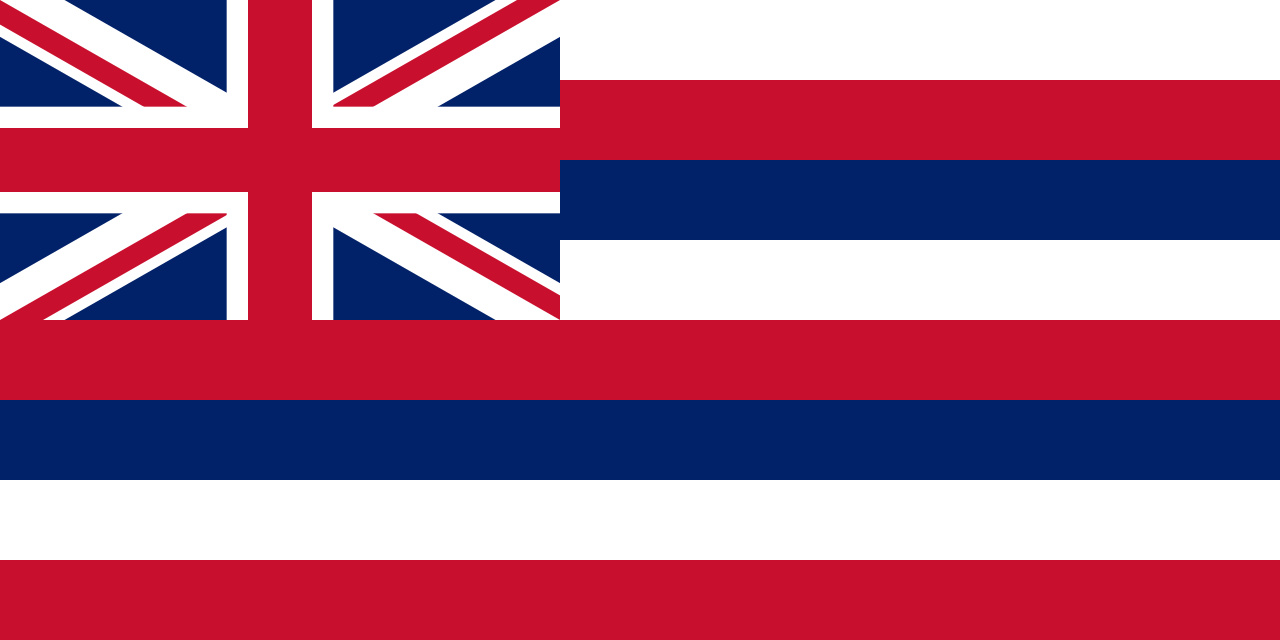
By the close of the eighteenth century, a series of independent Pacific chiefdoms underwent a rapid, historic consolidation.
In the closing years of the eighteenth century, the Hawaiian archipelago was a constellation of fiercely independent chiefdoms, bound by a shared culture but divided by deep-seated dynastic rivalries. This fractured world was shattered and then remade by Kamehameha, a towering warrior chief from the island of Hawaiʻi. Armed with British and American firearms and guided by the tactical counsel of Western advisors like John Young and Isaac Davis, Kamehameha launched a relentless fifteen-year campaign of conquest starting in 1782. By 1795, his forces had subdued Oʻahu, Maui, Molokaʻi, and Lānaʻi, forging a unified government. The final piece of the puzzle fell into place in 1810, when the ruler of Kauaʻi and Niʻihau voluntarily pledged allegiance to Kamehameha to avoid further bloodshed. This unification brought an end to ancient Hawaiian society, replacing a system of localized chiefdoms with a centralized constitutional monarchy modeled after European states. In doing so, Hawaiʻi became one of the earliest Pacific societies to adapt Western political forms to preserve its sovereignty, a transition mirrored in Tonga, Tahiti, and Fiji as European contact intensified.
Yet the same global currents that facilitated the kingdom's rise brought the engines of its demographic collapse. The arrival of European and American explorers, traders, and whalers—initiated by Captain James Cook’s arrival in 1778—opened the islands to the global economy but introduced a devastating battery of foreign diseases. Syphilis, tuberculosis, smallpox, and measles tore through a native population that possessed no immunity. While the kingdom’s rulers fought to establish their country on the global stage, earning diplomatic recognition from the United States and the major powers of Europe, their subjects died in catastrophic numbers. Amid this demographic crisis, the kingdom underwent profound cultural and structural revolutions. During the reign of Kamehameha II, Christian missionaries arrived, fundamentally altering the spiritual landscape, while his successor, Kamehameha III, navigated a thirty-year rule that saw the promulgation of the kingdom’s first written constitutions in 1840 and 1852. He also enacted the Great Mahele of 1848, which radically redistributed land, introducing Western concepts of private property to an island society that had historically held land in collective trust.
The stability of the Kamehameha dynasty, which had guided the kingdom through nearly eight decades of rapid modernization, collapsed in 1872 with the death of the bachelor King Kamehameha V. On his deathbed, the king implored High Chiefess Bernice Pauahi Bishop to accept the crown, but she refused, leaving the kingdom without a designated heir. This political vacuum forced the legislature to elect a monarch, thrusting the kingdom into a volatile era of competitive politics. The grandnephew of the founder, William C. Lunalilo, won the first election with overwhelming popular and legislative support, but his reign was cut short by tuberculosis after just one year. The subsequent election of 1874 was a bitter, mud-spattered contest between Queen Emma, the popular widow of Kamehameha IV, and David Kalākaua. When Kalākaua emerged victorious, rioting by Emma’s passionate supporters became so severe that British and American troops had to be landed to restore order, signaling a dangerous precedent of foreign military intervention in Hawaiian domestic affairs.
Connected to
- had as citizenKamehameha I18th c. CE
- had as citizenKamehameha II1797 CE
- in country · containsKingdom of Hawaiʻi1795 CE
+ 5 further connections to entries not yet ingested