Event · 110 BCE – 525 CE · Pre Islamic Arabia
Himyarite kingdom
- Also known as
- himiarites
- Himjar
- Himjaras
- Himjariterne
- Himjaro
- Himjarsko kraljestvo
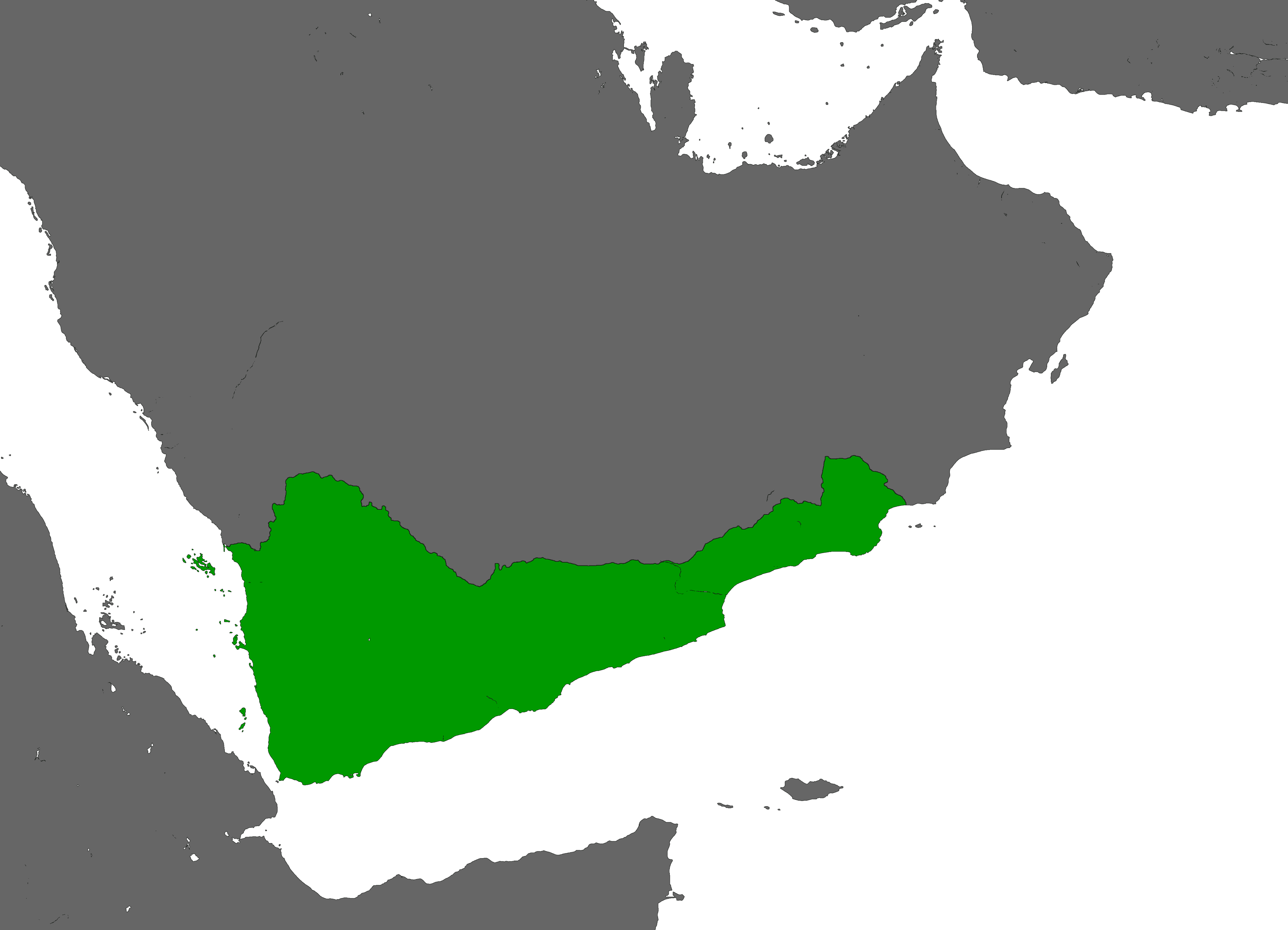
High in the southern highlands of Yemen, a wealthy tribal confederation known as the Himyarite kingdom carved an empire out of the lucrative trade in frankincense and myrrh.
In the late first century CE, the Roman naturalist Pliny the Elder paused in his cataloging of the known world to note a kingdom of astonishing opulence at the southwestern edge of the Arabian Peninsula. It was, he wrote, one of "the richest nations in the world." For centuries, the Mediterranean’s insatiable appetite for the sacred and the sensory—specifically the thick, aromatic smoke of frankincense and myrrh—had fueled a vast, lucrative trade network. At the southern terminus of these routes, emerging from the highlands of modern-day Yemen, was the kingdom of Himyar. Originally a subordinate territory integrated into the Qatabanian kingdom until declaring its independence around 110 BCE, Himyar systematically absorbed its rivals. Operating from their high-altitude capital of Zafar, a sprawling metropolis of stone and terrace agriculture clinging to the slopes of Mudawwar Mountain, the Himyarite kings of the dhu-Raydan tribe fashioned a commercial empire. Their ships plied the East African coast, exporting African ivory to the Roman world, while their generals marched as far south as Rhapta in modern-day Mozambique and secured eastern ports in the Horn of Africa. Yet the true genius of Himyar lay not merely in merchant shipping, but in its ability to navigate, and eventually dominate, the shifting geopolitical currents of the Red Sea corridor.
By the late third century, Himyar had achieved what no southern Arabian power had done before: the total unification of the region. It conquered neighboring Saba’ in 280 CE, swallowed Qataban, and finally subdued the Hadramaut kingdom around 300 CE. This consolidation of power, however, coincided with a quiet but devastating economic crisis. In the fourth century, the Roman Empire embraced Christianity, an ideological shift that drastically reduced the public demand for pagan incense offerings. As the market for frankincense and myrrh withered, the Himyarite economy faced ruin. To survive, the kingdom had to reinvent itself, not just economically, but culturally and spiritually. It was during this period of transition that the Himyarite court made one of the most remarkable religious pivots in ancient history. Rather than succumbing to the soft power of Christian Rome or its local proxy, the Kingdom of Aksum across the Red Sea, Himyar turned to Judaism.
The adoption of Judaism as the de facto state religion, initiating around the reign of King Malkikarib Yuhamin in the late fourth century, was a calculated act of theological defiance. By rejecting both the old South Arabian pantheon—which had honored gods like Wadd, ʿAthtar, and Almaqah—and the aggressive missionary Christianity of the Romans and Aksumites, the Himyarite rulers carved out a sovereign intellectual space. Almost overnight, the epigraphic landscape of southern Arabia transformed. Inscriptions invoking the ancient, polytheistic deities ceased, replaced by dedications to a singular high god: Rahmanan, "the Lord of Heaven" or "Lord of Heaven and Earth." At archaeological sites, ancient temples like those dedicated to Almaqah were dismantled and replaced by the , an early local form of the synagogue. Royal inscriptions began featuring Jewish and Aramaic loanwords—such as (world), (bless), and (meeting hall)—alongside Hebrew personal names like Isaac, Judah, and Joseph.
Connected to
- religionJudaism5th c. BCE
+ 2 further connections to entries not yet ingested