Person · 590 CE – 647 CE · Gupta and Medieval India
Harsha
- Also known as
- Harsa
- Harsa
- Harsavardhana
- Harscha
- Harsha (keizer)
- Harsha vardhan
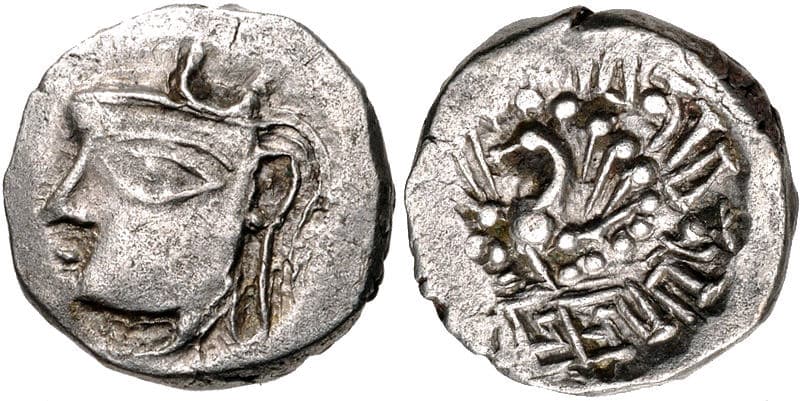
Northern India in the wake of the Gupta Empire’s sixth-century collapse was a fractured landscape of competing feudatory states, but out of this chaos emerged a ruler who would stitch the north back together.
In the early summer of 606 CE, a sixteen-year-old prince named Harshavardhana ascended a throne made vacant by treachery and grief. The Gupta Empire, which had long held the splintered territories of Northern India in a grand, sophisticated embrace, had collapsed some fifty years prior. In its wake, the subcontinent had dissolved into a restless mosaic of rival kingdoms, shifting fiefdoms, and predatory border states. Harsha’s family, the Vardhanas of Thanesar, had risen to prominence on the edge of this chaos, largely by holding the line against the devastating incursions of the Alchon Huns. But security in this fractured landscape was a fragile illusion. Within a brief span, Harsha’s brother-in-law, the Maukhari monarch Grahavarman, was murdered by the king of Malwa; his sister, Rajyashri, was thrown into chains; and his elder brother, Rajyavardhana, who had marched out to avenge the insult, was lured into a false peace and assassinated by Shashanka, the ruler of Gauda. At sixteen, Harsha inherited not just a crown, but a multi-front war, a shattered family, and the immediate task of plunging into the central Indian forests to rescue his sister just as she was preparing to immolate herself on a funeral pyre.
From this desperate, blood-soaked threshold, Harsha began a transformation that would reshape the geography of Northern India for nearly half a century. United by urgency, a coalition of small republics and states spanning from the Punjab to central India crowned him emperor in April 606, granting him the title of Maharajadhiraja—King of Great Kings. Over the next several decades, Harsha embarked on a series of campaigns to subjugate what the historical record calls the "Five Indias." He moved his imperial capital to the strategic city of Kanyakubja, modern-day Kannauj, turning it into a heavily fortified metropolis. The Sanskrit poet Banabhatta, Harsha’s court biographer, described the imperial seat as a place of towering white mansions, defensive walls, and deep moats, from which the young king projected an increasingly undisputed authority across the vast basin of the Ganges, from the snows of the Himalayas to the banks of the Narmada River.
Yet, there were limits to his reach, and the defining boundary of Harsha's empire was drawn not by his own choice, but by the sword of an equal rival. In the winter of 618–619 CE, Harsha marched his army southward, aiming to bring the southern peninsula of India under his sway. There, on the banks of the Narmada River, he collided with the forces of Pulakeshin II, the formidable sovereign of the Chalukya dynasty. Pulakeshin, who styled himself the lord of the south just as Harsha was lord of the north, repelled the imperial invasion. The two titans eventually entered into a treaty that established the Narmada River as their permanent, inviolable border. Blocked from southern expansion, Harsha turned his energies inward, transforming his court into a glittering center of cosmopolitanism, diplomacy, and intellectual exchange.
Connected to
- religionHinduism
+ 10 further connections to entries not yet ingested