Person · 600 BCE – 530 BCE · Persian Empires
Cyrus the Great
- Also known as
- Büyük Kir
- Büyük Kiros
- Ci-lu-se ese
- Cir II el Gran
- Cir II lo Gran
- Ciro ang Bantogan
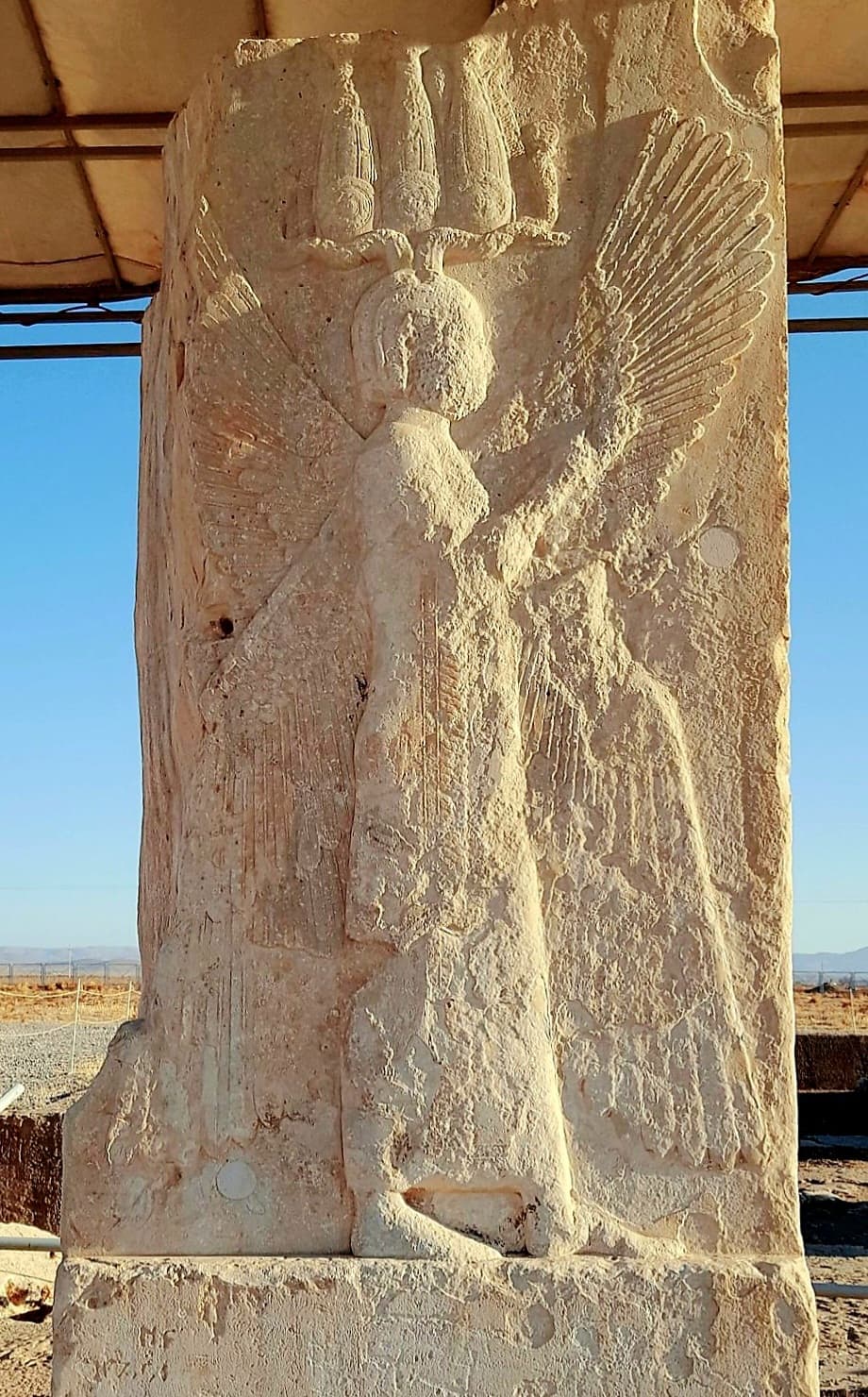
When the armies of Cyrus II of Persia swept out of the homeland of Persis in the sixth century BCE, they did not merely conquer; they assembled the largest empire the world had yet seen.
In the sixth century BCE, the geopolitical center of gravity in Western Asia did not reside in the rugged, sun-scorched highlands of Parsa, but in Ecbatana, the grand mountain capital of the Median Empire. To the great powers of the day—the Medes, the Lydians, and the wealthy, ancient dynasties of Babylon—the Persians of the south were a peripheral people, pastoralists and mountain dwellers whose chieftains ruled from the city of Anshan as mere vassals. It was into this world of subjugation that Cyrus II was born, around the year 600 BCE, to the Persian king Cambyses I and his Median queen Mandane, the daughter of the Median king Astyages. The boy’s very name, likely derived from the Elamite Kuraš, meaning "he who bestows care," carried a quiet irony; to his grandfather Astyages, he represented not a savior, but a mortal threat. According to the mythological memory recorded by Herodotus, Astyages was haunted by prophetic dreams of vines growing from his daughter’s womb to smother his empire, a vision that prompted him to order the infant’s death. Saved by a shepherd’s pity and raised in secret, the young prince eventually returned to his biological parents, his survival foreshadowing the total rearrangement of the ancient world.
When Cyrus succeeded his father in 559 BCE, inheriting the throne of Anshan, he was still bound to the sovereignty of his Median grandfather. Yet, the young king possessed a calculated ambition that soon shattered the old order. Within a decade of his accession, the political landscape shifted irrevocably. Around 550 BCE, Cyrus rose in open rebellion against Astyages. The transition of power was swift and telling; the Babylonian scribe who penned the Nabonidus Chronicle observed that when the Median king marched against his vassal, the rebellion concluded with Cyrus’s triumph, marking his transformation in contemporary accounts from the provincial "King of Anshan" to the grander "King of Persia." Having absorbed the Median administrative heartland, Cyrus did not merely sack his grandfather's empire; he integrated it, combining the Medes and Persians into a dual pillar of a new imperial state. This first conquest set a pattern of rapid expansion. Turning his armies westward into Anatolia, Cyrus confronted and defeated the fabulously wealthy Kingdom of Lydia, bringing the Greek cities of the coast under his sway and claiming the vast Anatolian peninsula for his growing domain.
The crown jewel of Cyrus’s conquests, however, lay in the fertile plains of Mesopotamia. In 539 BCE, the Persian forces advanced upon Babylon, the cultural and economic superpower of the Near East. The Neo-Babylonian Empire, weakened by internal political divisions and the religious eccentricities of its final king, Nabonidus, fell to Cyrus with astonishing ease. Rather than reducing the ancient metropolis to ash, Cyrus entered the city as a liberator. He adopted the venerable Mesopotamian titles, declaring himself "King of Babylon, King of Sumer and Akkad, and King of the Four Corners of the World." By positioning himself as the rightful successor to the ancient kings of the Fertile Crescent, Cyrus practiced a revolutionary style of statecraft. Rather than imposing the Persian pantheon on his new subjects, he publicly venerated their gods, declaring that it was Marduk, the patron deity of Babylon, who had personally chosen him to bring order to the land.
Connected to
- citizen ofAchaemenid Empire550 BCE
- child · father ofCambyses II559 BCE
+ 12 further connections to entries not yet ingested