Place · 969 CE · Islamic Caliphates
Cairo
- Also known as
- 'U Cairo
- Al-Qahira
- Al-Qahira
- Al-Qahirah
- al-Qāhira
- al-Qāhira
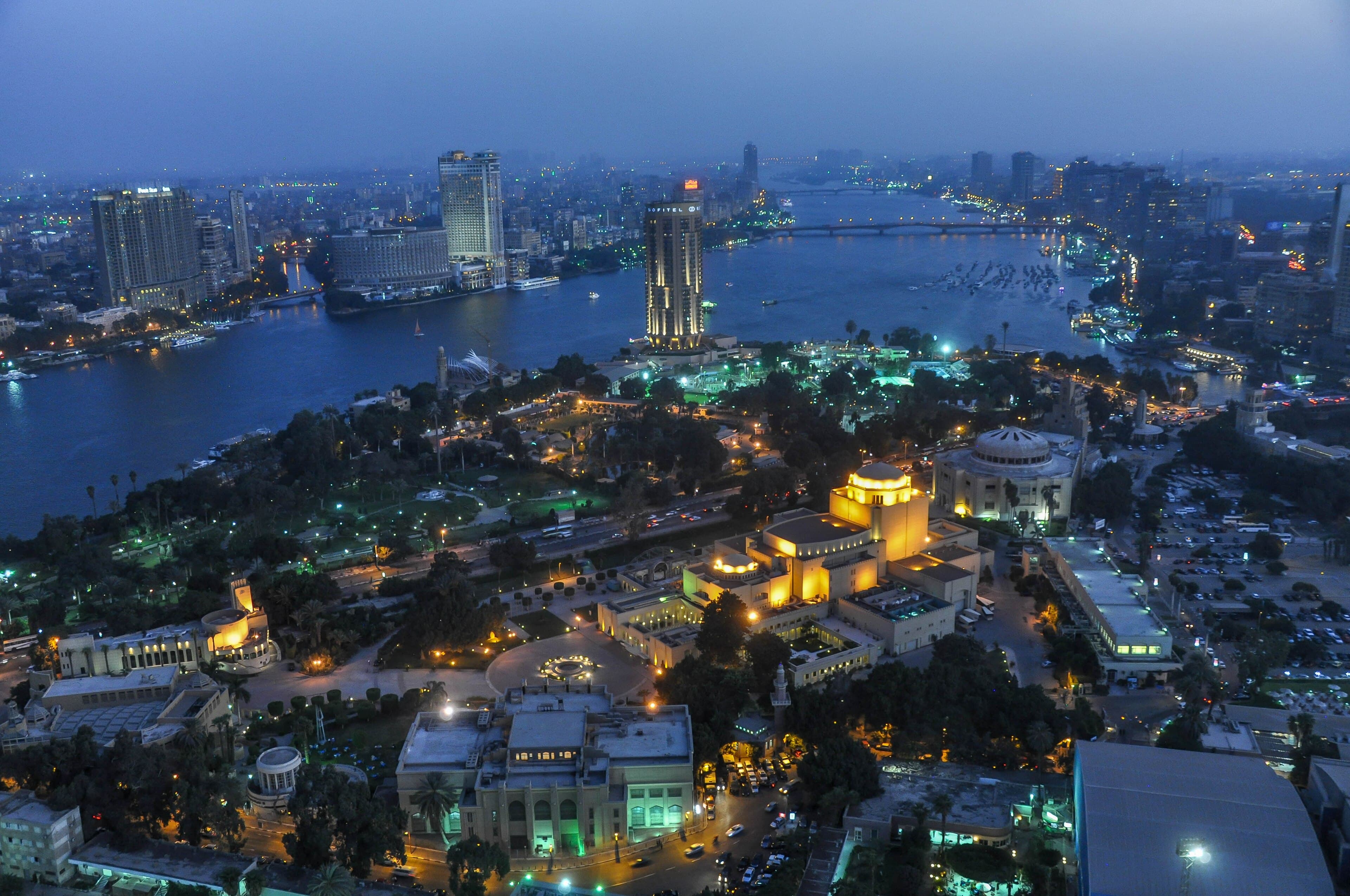
Six thousand years of human habitation anchor the ground where Cairo stands, a landscape where the ancient memories of Memphis, Heliopolis, and the Giza pyramid complex bleed into the fabric of a modern megacity.
In the late summer of 969 CE, an army of North African Berber soldiers, marching under the banner of the Isma'ili Shi'ite Fatimid Caliphate, halted on a flat, dusty plain just north of the Nile Delta. They had conquered Egypt with remarkable ease, wresting it from the decaying grasp of the Abbasid governors who ruled from Baghdad. Their general, a former Byzantine slave named Jawhar al-Saqili, did not choose to settle his troops in the ancient coastal metropolis of Alexandria, nor did he fully occupy the bustling, sprawling trading city of Fustat nearby. Instead, he traced a new set of walls on the empty land to the northeast, laying the foundations of a highly exclusive, fortified palace-city. Originally named al-Mansuriyyah, the settlement was rechristened al-Qahirah—"The Vanquisher" or "The Conqueror"—by the Caliph al-Mu'izz li-Din Allah when he arrived from Tunisia four years later to claim his new seat of empire. Legend whispered that the name was sealed by the cosmos itself, as the planet Mars, an-Najm al-Qahir, the Conquering Star, was rising in the sky at the moment the foundation trenches were dug.
To the Egyptians who lived along the banks of the Nile, this new imperial enclave was initially a forbidden city, a lavish fortress of stone and plaster reserved strictly for the Fatimid caliph, his vast court, and his military garrison. Yet its location was dictated by a geography that had governed human civilization for six millennia. To the southwest lay the ruins of Memphis, the capital of the Old Kingdom; to the northeast, the ancient sun-temple city of Heliopolis, destroyed centuries earlier by Persian invaders and abandoned under Roman rule. Nearer to the Fatimid site was the great Roman fortress of Babylon, constructed by Diocletian around the turn of the fourth century to guard the entrance of Trajan’s canal connecting the Nile to the Red Sea. When Arab Muslim forces under Amr ibn al-As besieged and captured Babylon in 641 CE, they chose to build their new administrative center, Fustat, directly adjacent to it, establishing a garrison town that quickly grew into the commercial heartbeat of the Nile. Subsequent dynasties had tacked their own administrative suburbs onto Fustat’s northeastern edge—the Abbasids built the military camp of al-Askar in 750 CE, and the defiant Turkic governor Ahmad ibn Tulun founded the short-lived capital of al-Qata'i in 870 CE. But none of these early Islamic settlements possessed the permanent, grand ambitions of the Fatimid capital.
For more than a century, al-Qahirah—which Western tongues would eventually soften to Cairo—remained an elite sanctuary of palaces, gardens, and monumental mosques. At its heart rose the al-Azhar Mosque, commissioned by Jawhar immediately upon the city’s founding. Al-Azhar soon evolved into one of the oldest universities in the world, anchoring a legendary library that housed hundreds of thousands of volumes and establishing the city as a preeminent global center of learning and theology. The physical isolation of this royal core began to dissolve in the late eleventh century under the tenure of the powerful Armenian vizier Badr al-Gamali. Facing political instability, Badr rebuilt the city’s defensive walls in massive, finely dressed stone, leaving behind the monumental gateways of Bab al-Futuh, Bab al-Nasr, and Bab Zuweila. Crucially, he also permitted wealthy merchants and families from the increasingly congested and fire-damaged Fustat to move within the walls. By the time the Ayyubids and the Mamluks succeeded the Fatimids in the twelfth through sixteenth centuries, the distinction between the old commercial towns and the royal city had dissolved. Cairo swallowed its predecessors whole, establishing itself as the undisputed capital, a dense, soaring metropolis that earned the moniker "the city of a thousand minarets."
Connected to
- place of death ofIbn Khaldun1332 CE
- in countryMamluk Sultanate of Egypt1250 CE
+ 12 further connections to entries not yet ingested