Civilization · 300 BCE – 1750 CE · 9 entries
Southern Indian Empires
Classical
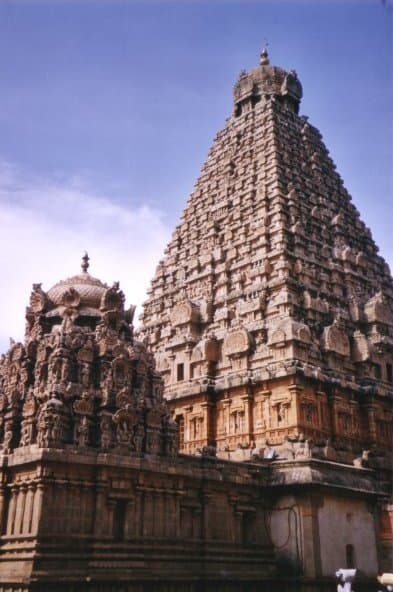
Chola dynasty
event · 300 BCELong before they built one of the world's most formidable maritime empires, the Cholas were recognized by the Mauryan emperor Ashoka in the third century BCE as independent, friendly neighbors to his south.
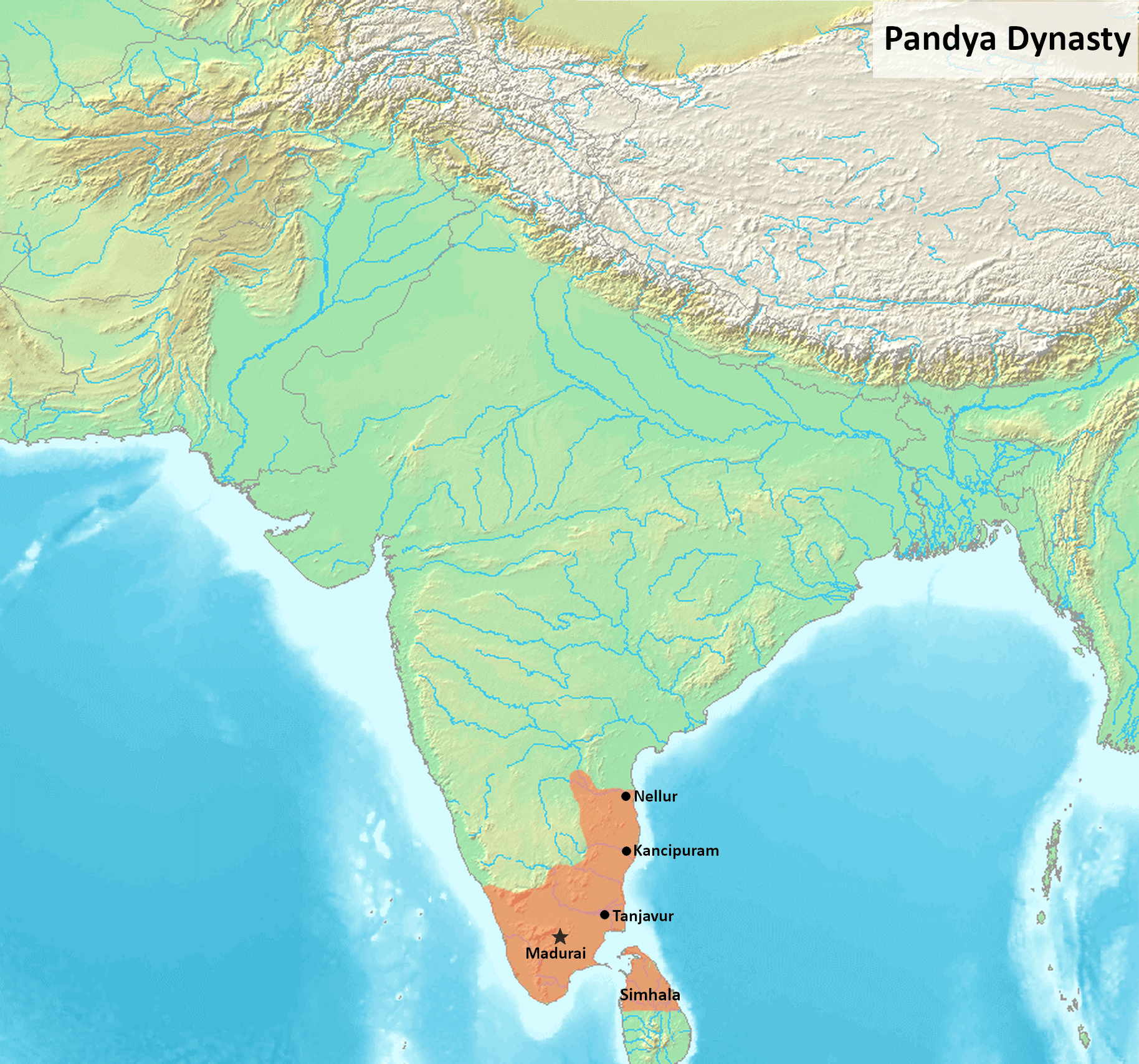
Pandya dynasty
event · 300 BCEFew ruling houses in global history have matched the sheer longevity of the Pandya dynasty, which steered the fortunes of the southern Tamil region from at least the fourth century BCE until well into the seventeenth…
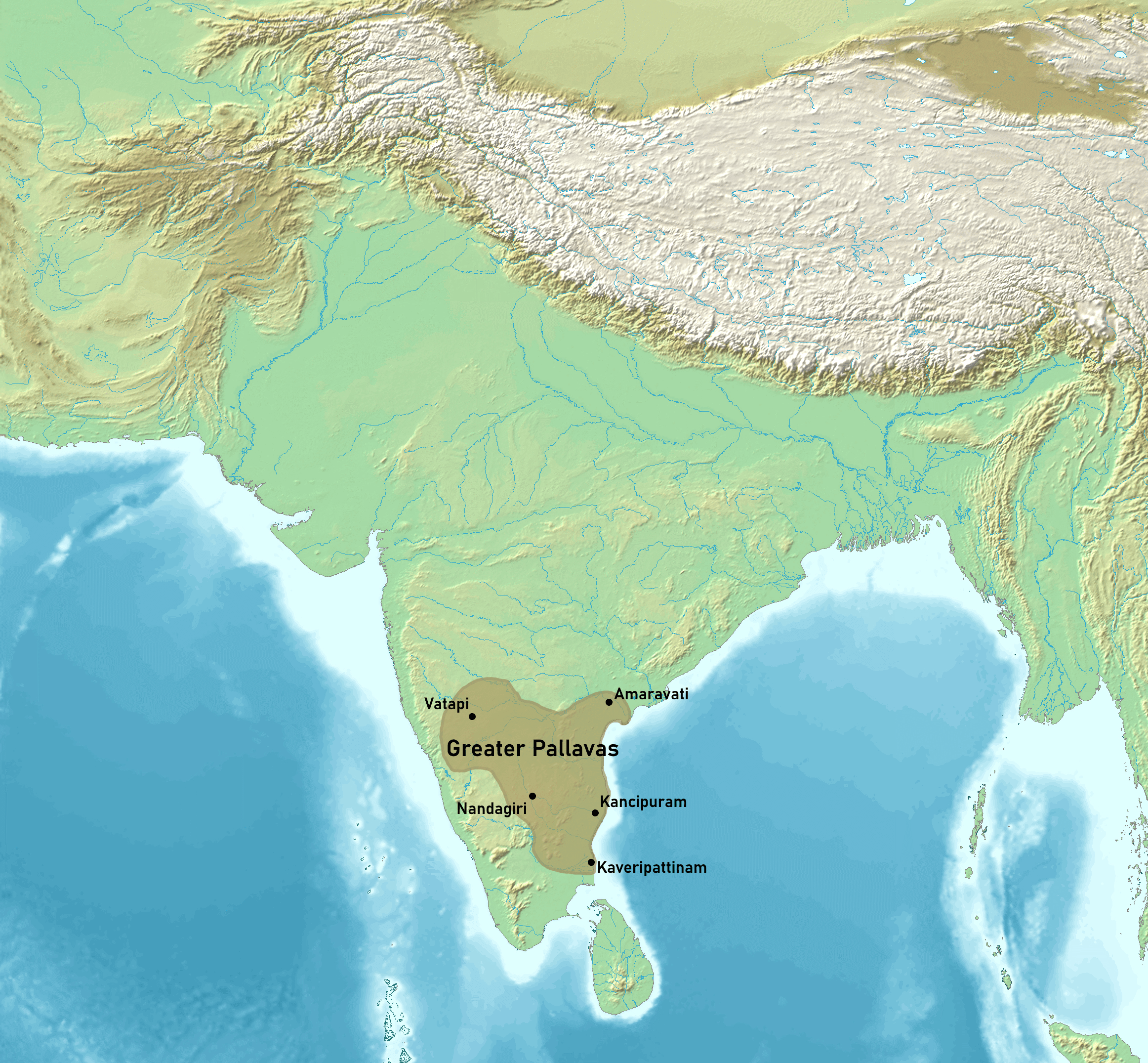
Pallava dynasty
event · 275 CEThe rise of the Pallava dynasty began in the shadow of a fallen empire, emerging from the collapse of the Satavahanas whom they had once served as subordinates.
Medieval

Rajaraja I
person · 947 CETo understand how the Chola dynasty transformed from a regional power into a colossus of the Indian Ocean, one must look to the late tenth century and the prince born Arul Mozhi Varman.
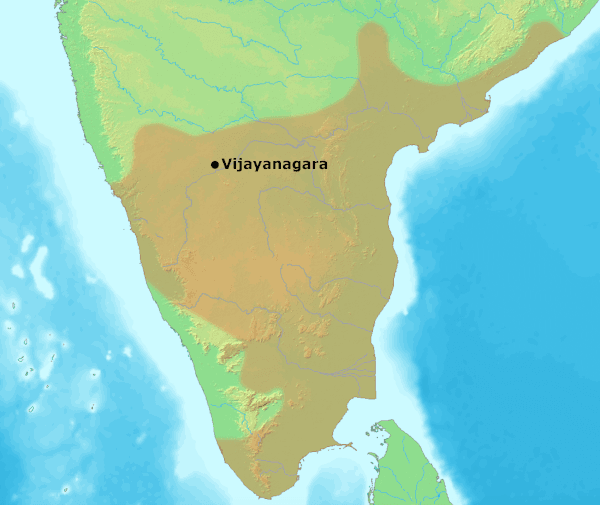
Vijayanagara Empire
event · 1336 CETo the medieval European travelers who braved the journey to southern India, it was known as the Kingdom of Narasinga, a land of such immense wealth and architectural ambition that its fame echoed far beyond its borders.
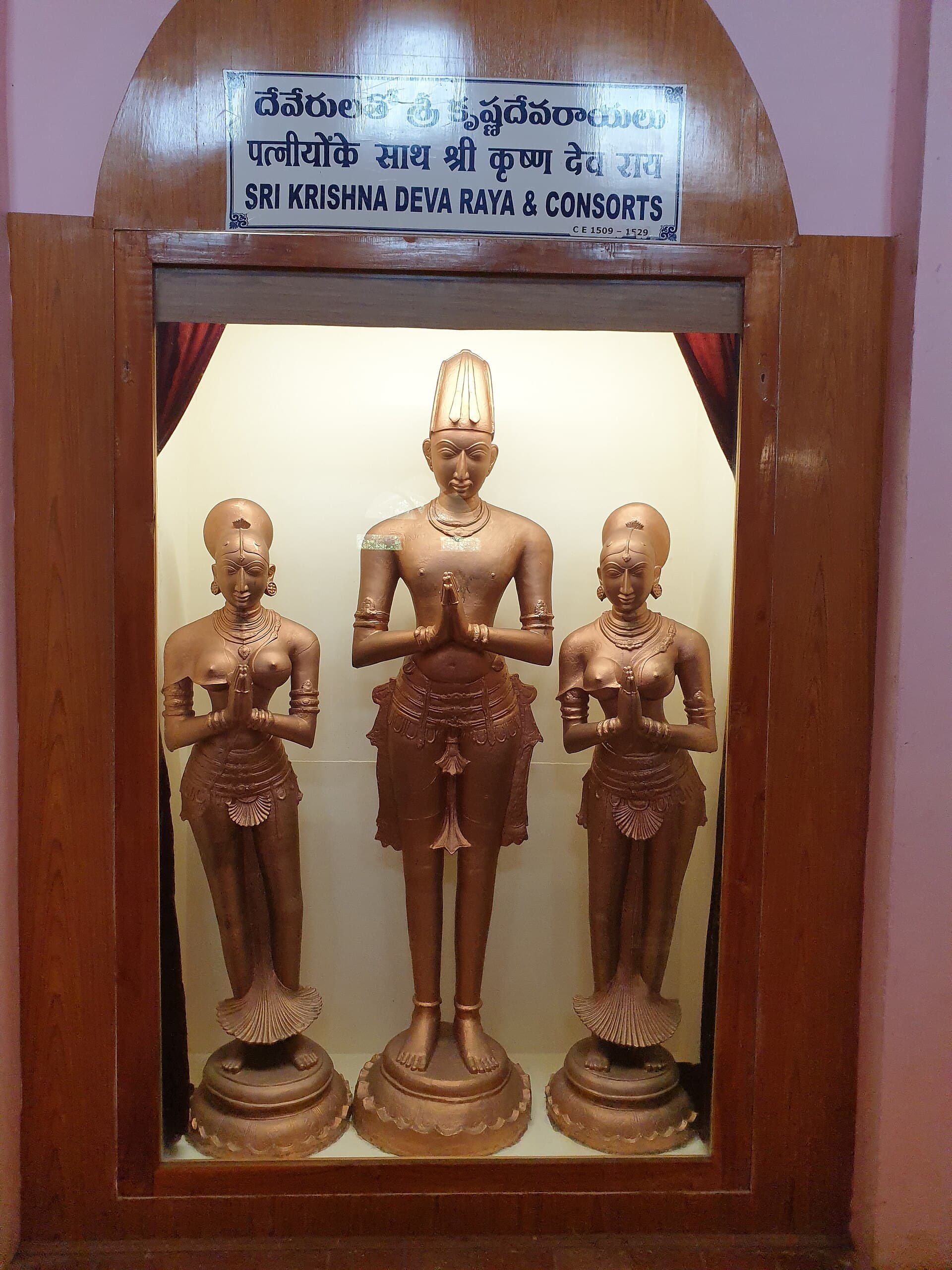
Krishnadevaraya
person · 1471 CE