Civilization · 900 BCE – 272 CE · 16 entries
Roman Republic and Empire
Classical
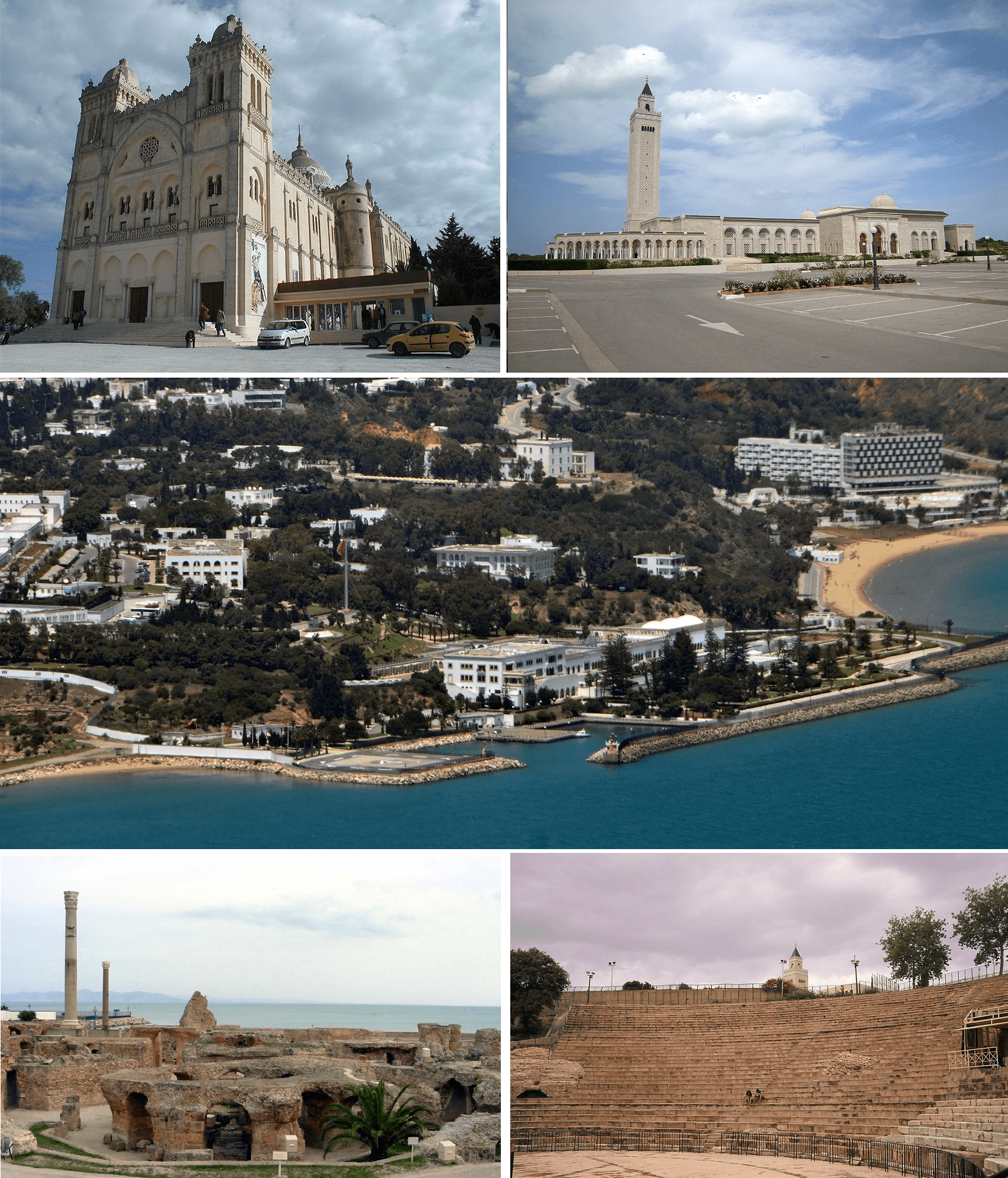
Carthage
place · 9th c. BCEA city born of myth on the eastern edge of the Lake of Tunis, Carthage began as a Phoenician colony founded by the legendary Queen Dido, who secured her territory by the clever slicing of a single oxhide.

Petra
place · 800 BCECarved directly into the rose-colored sandstone cliffs of southern Jordan, the ancient city of Raqmu—known to the Greek world as Petra—began as a fortress of geography.
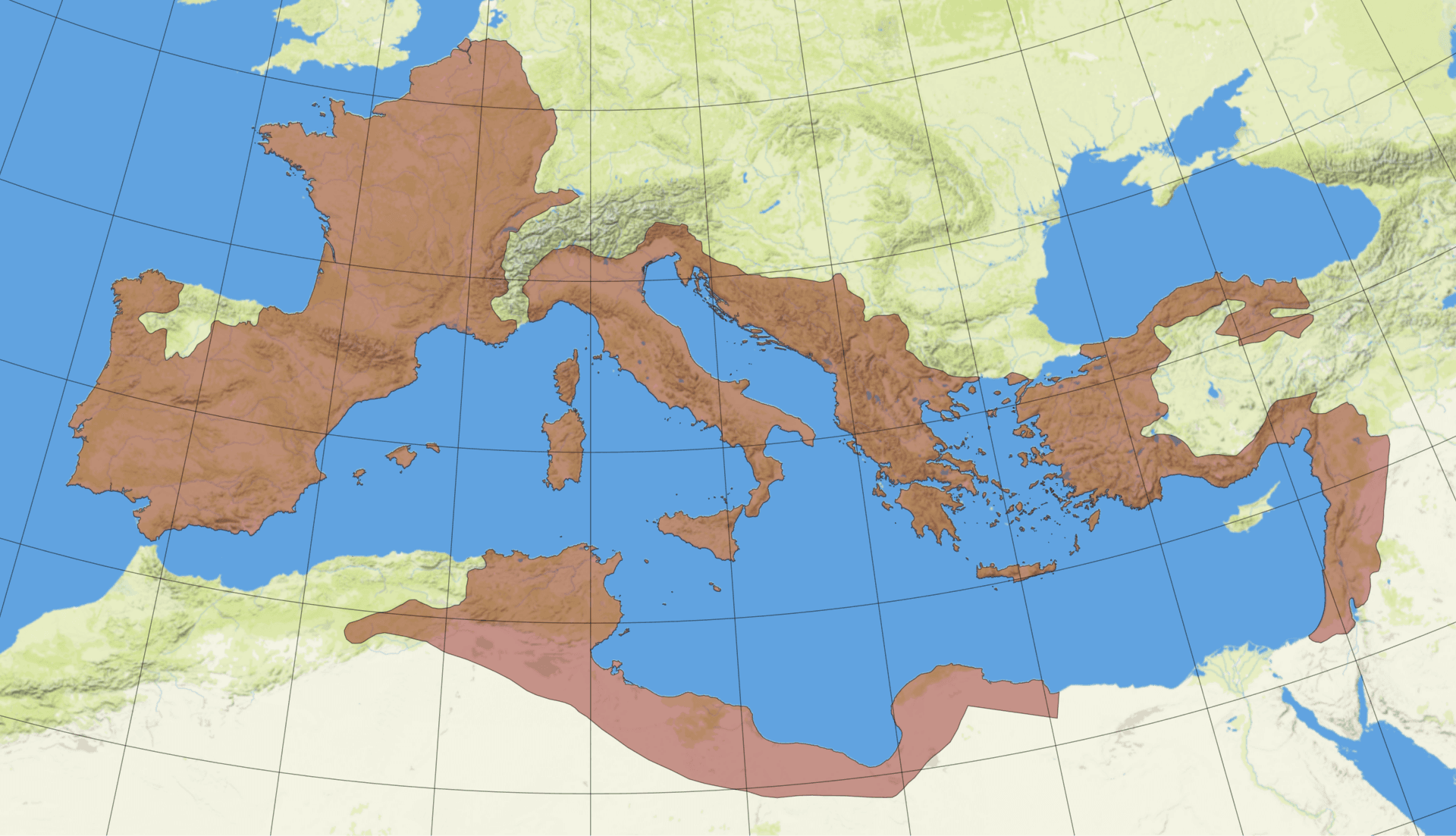
Roman Republic
event · 509 BCETo understand the Roman Republic is to look upon a society in a state of near-perpetual warfare, a state that forged itself through relentless expansion.
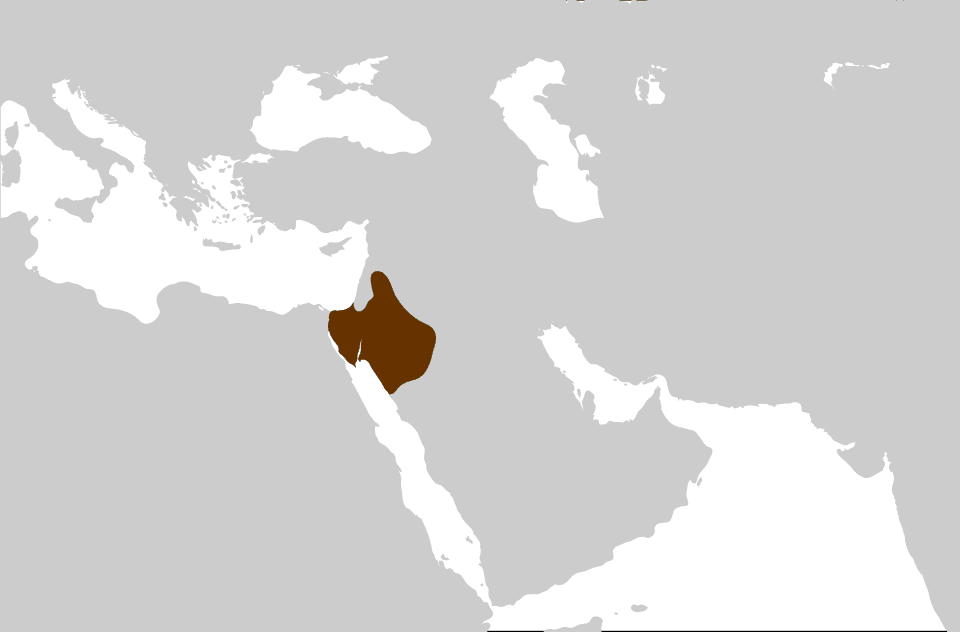
Nabataean kingdom
event · 4th c. BCELong before their stone-carved capital became a wonder of the ancient world, the Nabataeans survived on the margins of the Arabian Desert by mastering the seasonal rhythms of an unforgiving landscape.
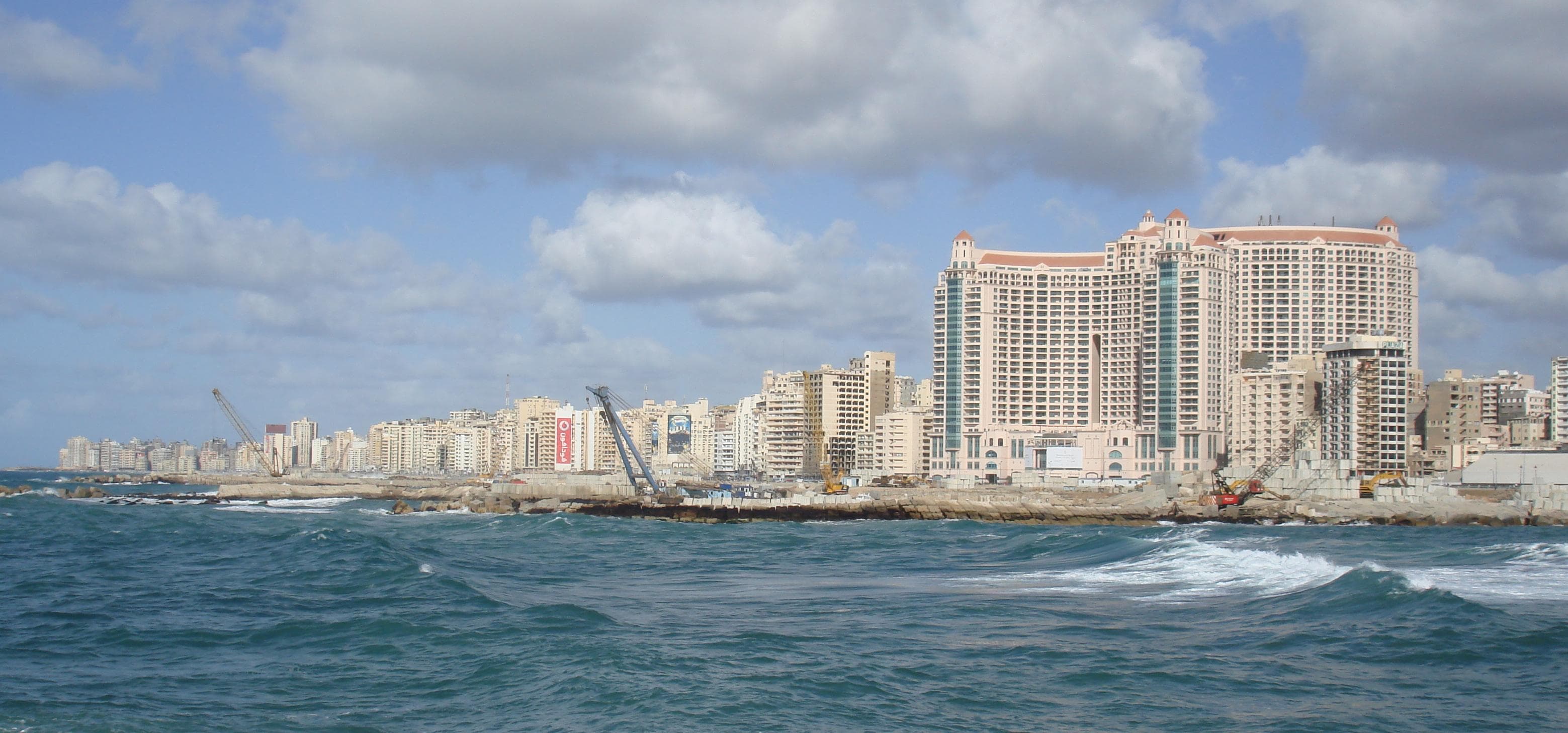
Alexandria
place · 331 BCETo understand the ancient Mediterranean is to understand the city that rose from the western edge of the Nile River Delta, near an Egyptian settlement named Rhacotis.
Constanța
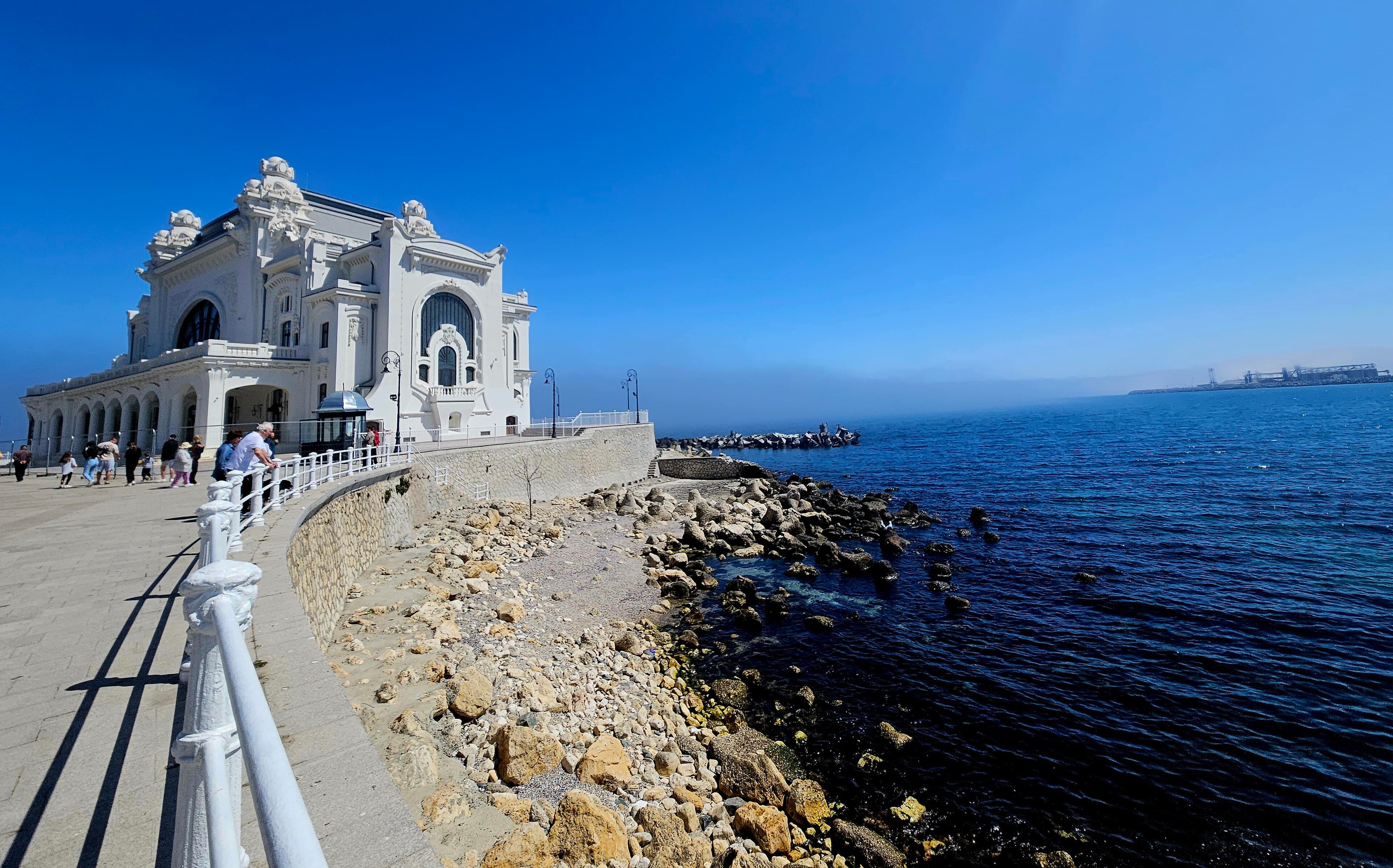
place · 3rd c. BCECenturies before it bore its current name, the Romanian port of Constanța was known to the Greek world as Tomis, a colony anchored to a high-cliffed peninsula on the edge of the Black Sea.
Hannibal
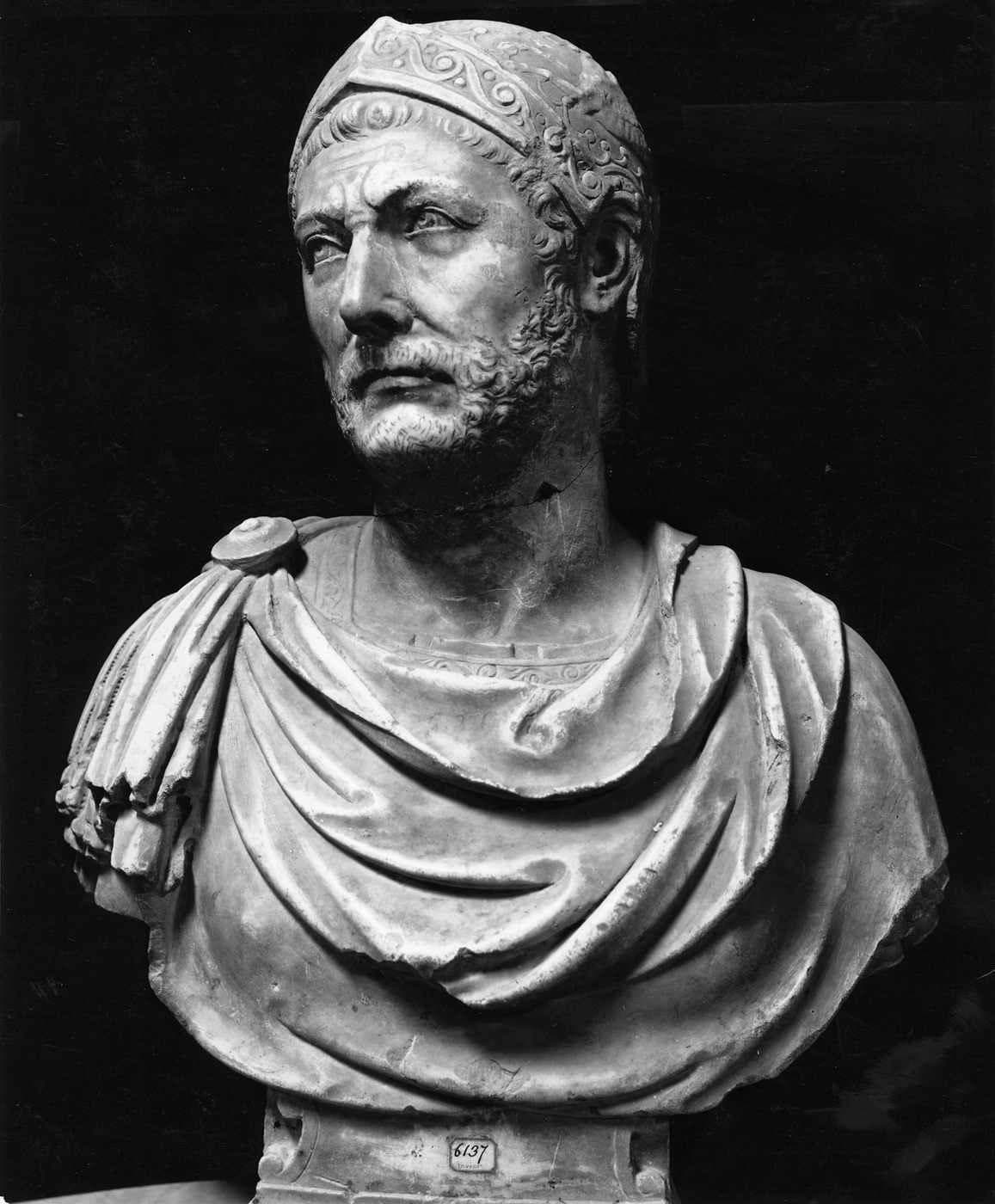
person · 247 BCEThe boy who would nearly dismantle the Roman Republic began his mission with a childhood oath, swearing to his father that he would never be a friend to Rome.
Second Punic War
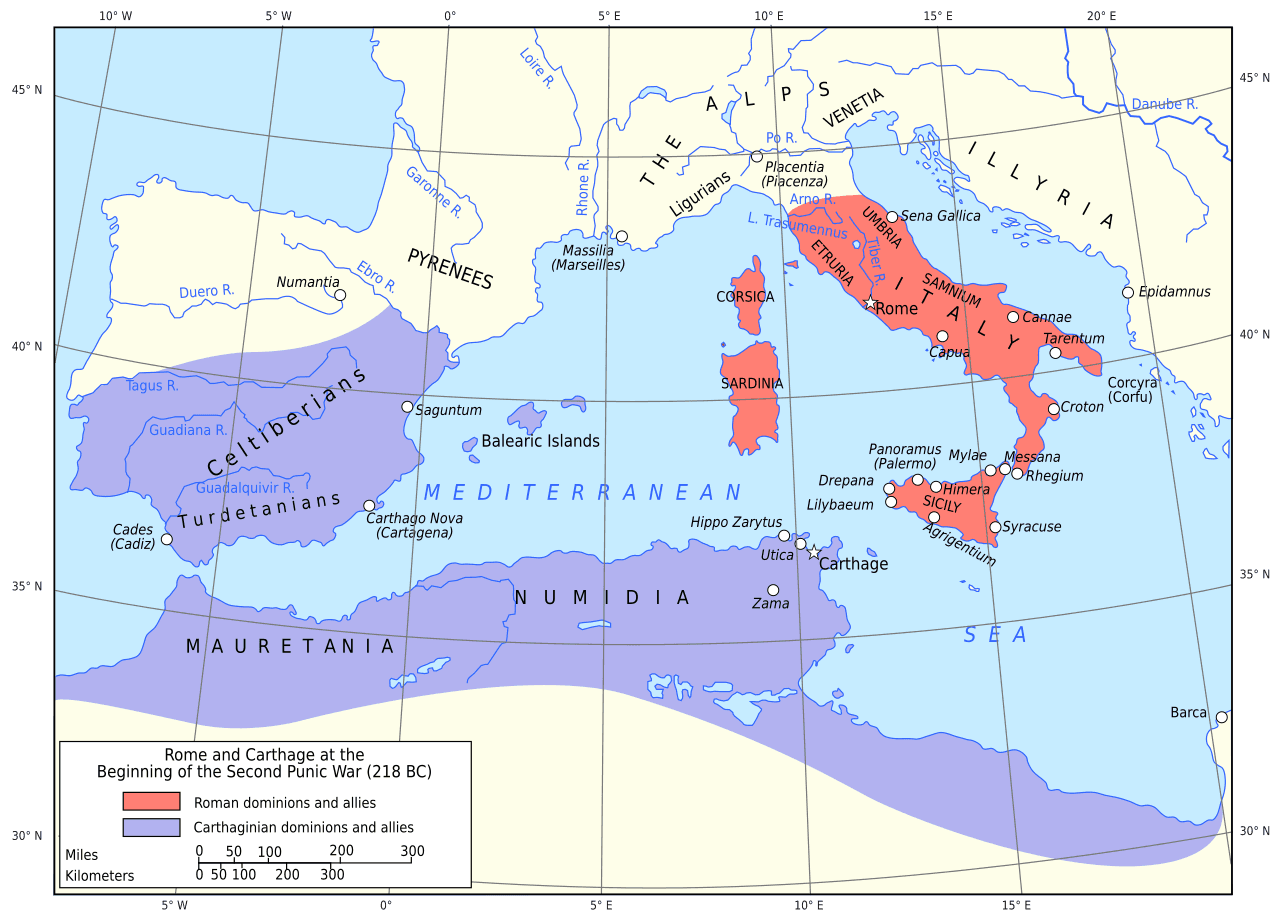
event · 218 BCEFor seventeen years, the western Mediterranean was consumed by a struggle for absolute supremacy between Rome and Carthage, a conflict that escalated into a global conflagration drawing in Macedonia, Syracuse, and the…
Julius Caesar
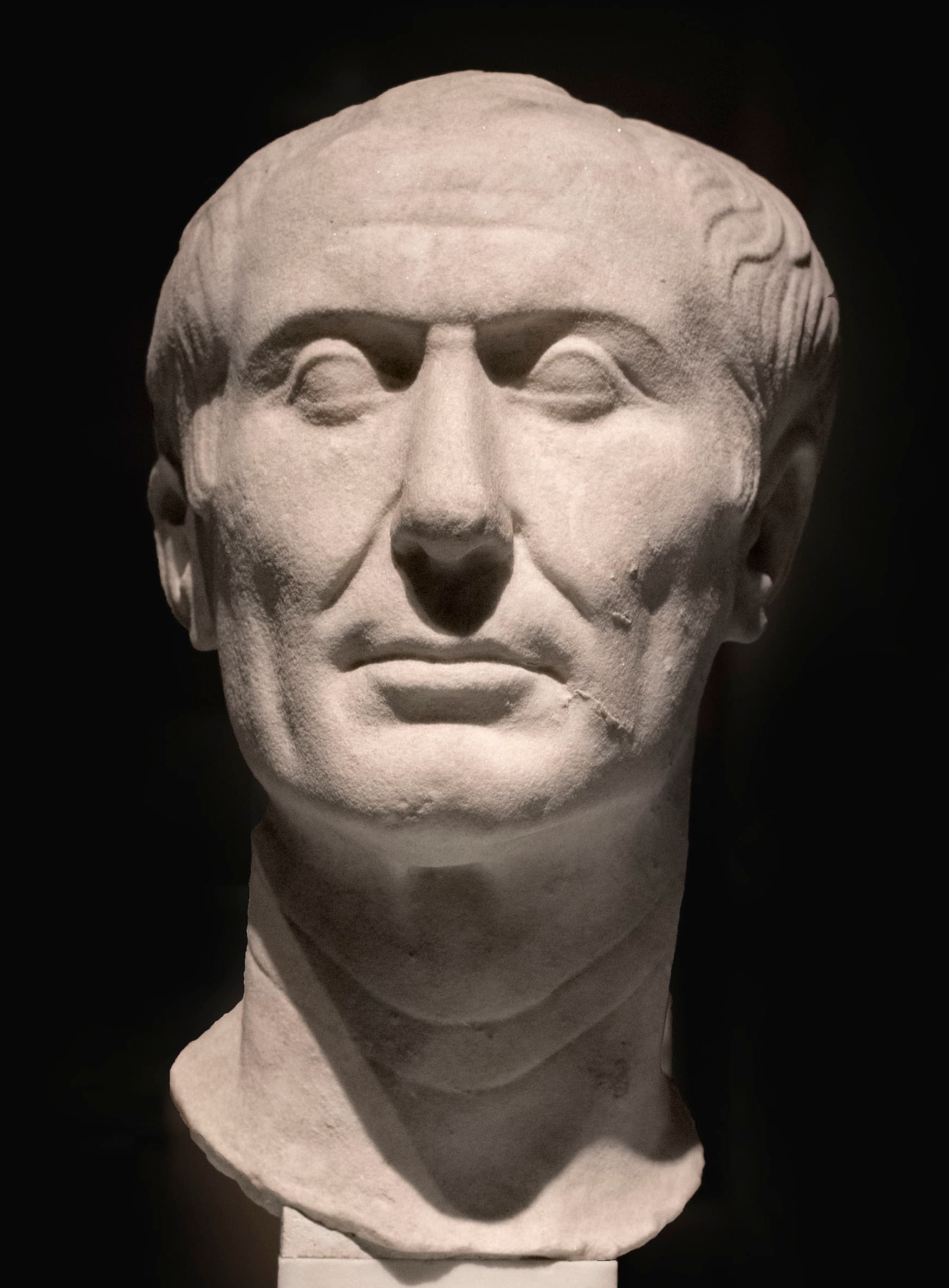
person · 100 BCEWhen Gaius Julius Caesar crossed the Rubicon in January of 49 BCE, he did more than launch an army toward Rome; he set in motion the unraveling of the Roman Republic itself.
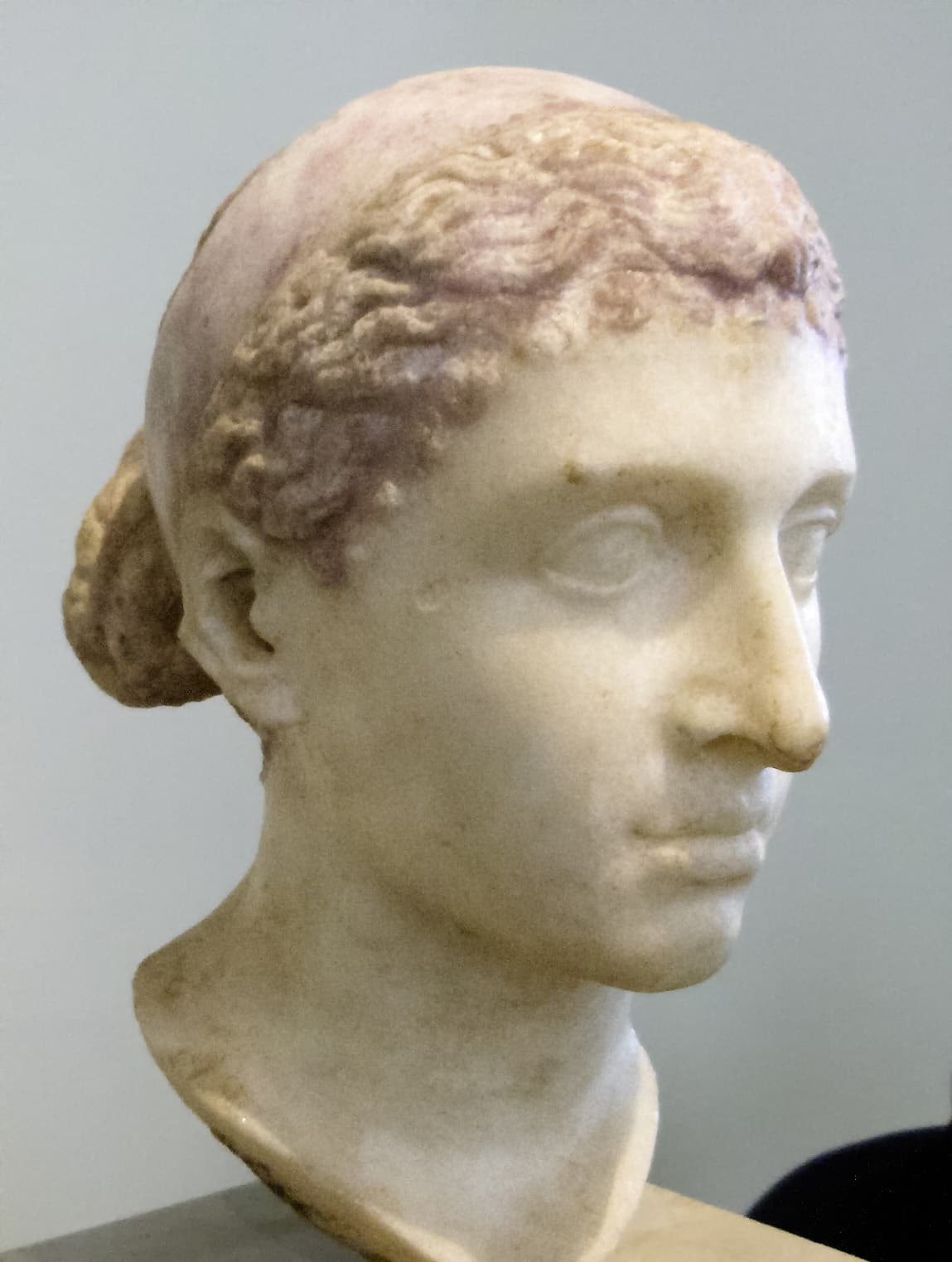
Cleopatra
person · 69 BCEThe Ptolemaic rulers of Egypt had governed from Alexandria for nearly three centuries, yet not one of them bothered to learn the language of the people they ruled—until Cleopatra VII Thea Philopator.
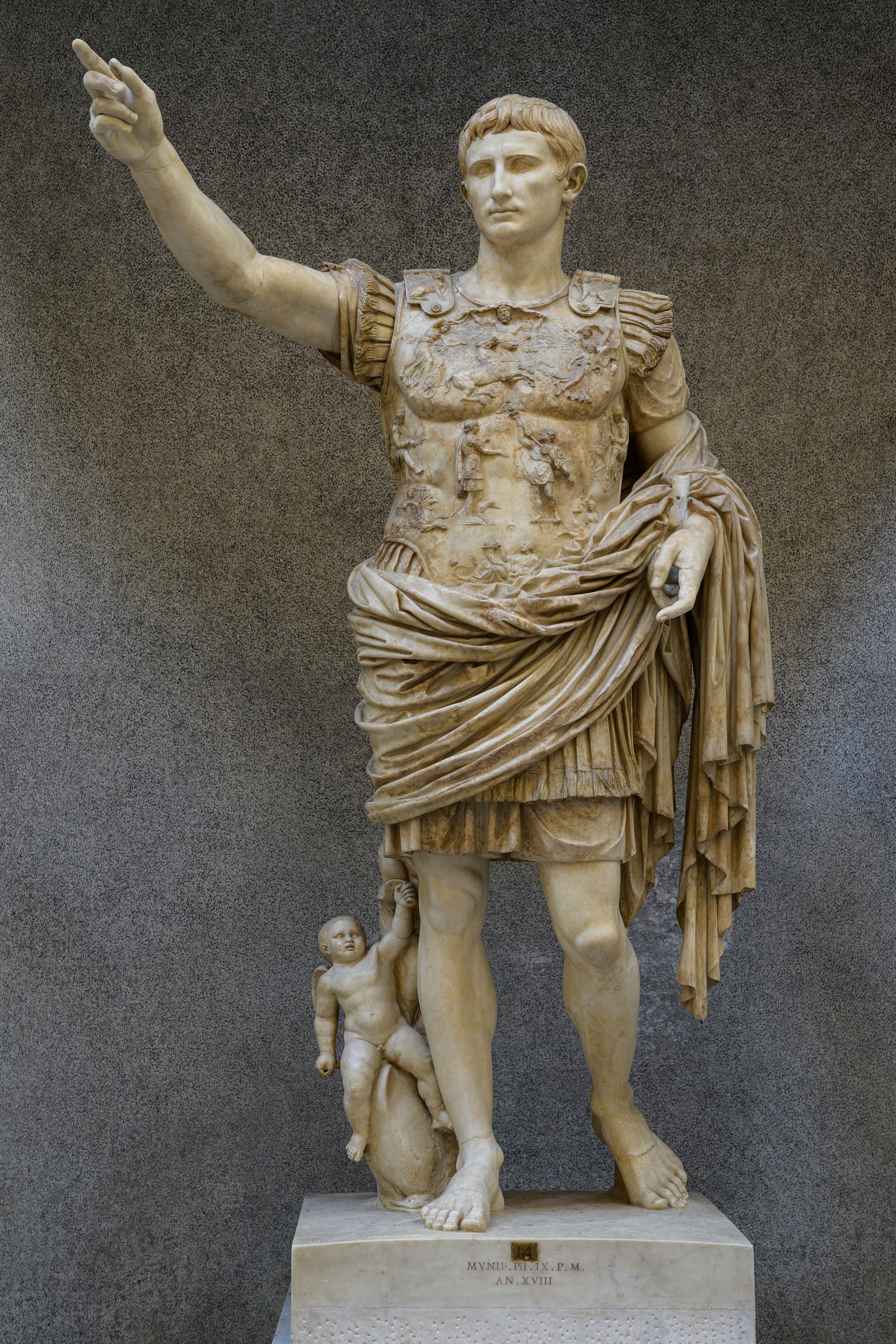
Augustus
person · 63 BCETo understand the birth of the Roman Empire, one must look to a young man born Gaius Octavius, who inherited a name and a bloodline that would rewrite the destiny of the Mediterranean.
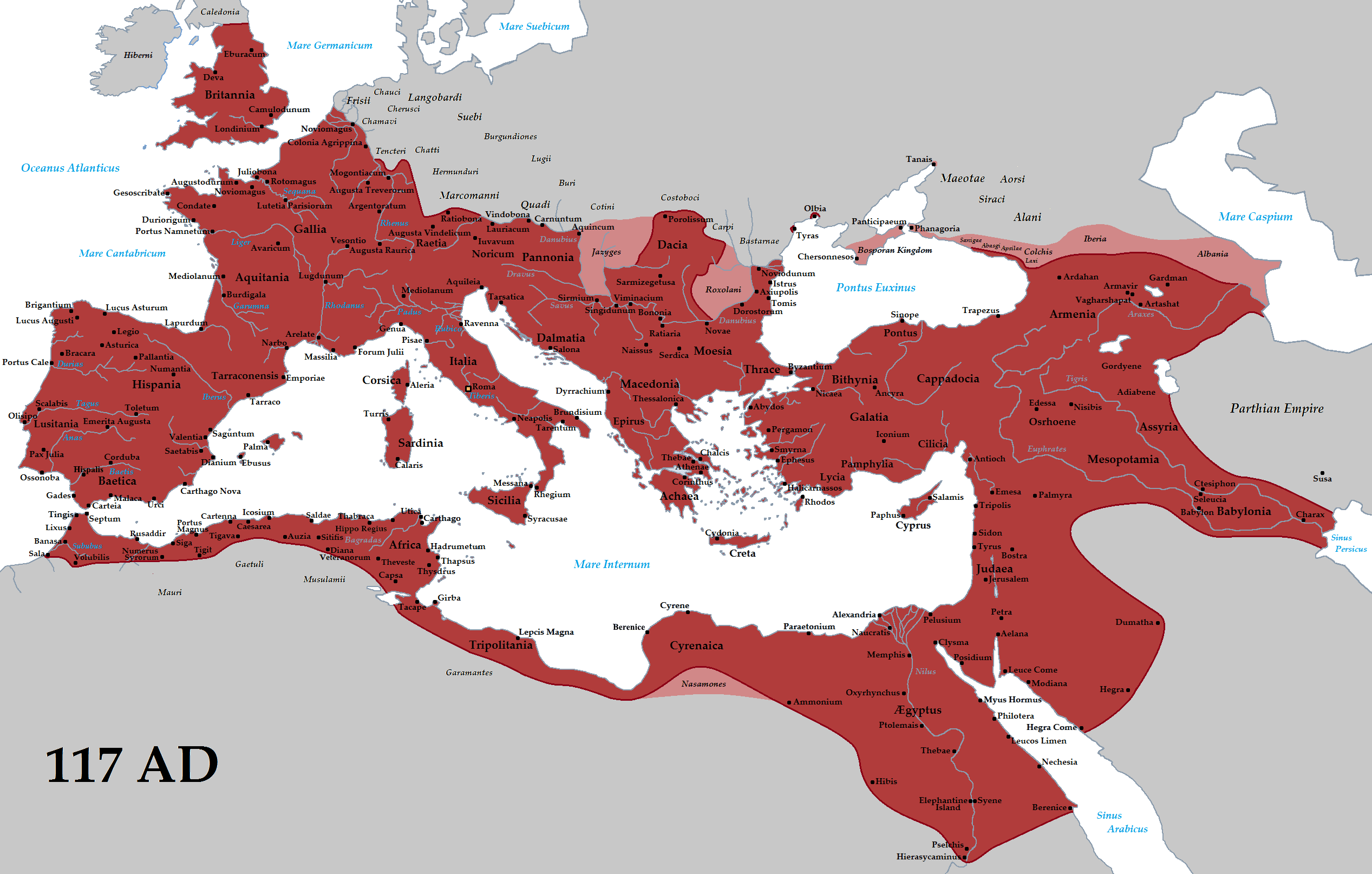
Roman Empire
event · 27 BCEWhen Octavian defeated Mark Antony and Cleopatra at the Battle of Actium in 31 BCE, he did more than claim Egypt; he cleared the path to dismantle a fractured republic and replace it with a system of permanent…
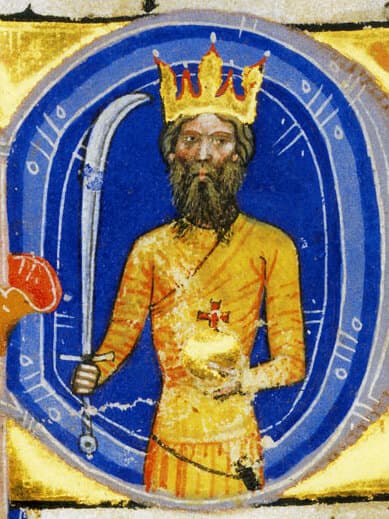
Attila
person · 0k CEThe collapse of the Hunnic Empire came swiftly in the spring of 453 CE, precipitated by the sudden death of a ruler whose very name struck terror into the hearts of two Roman capitals.
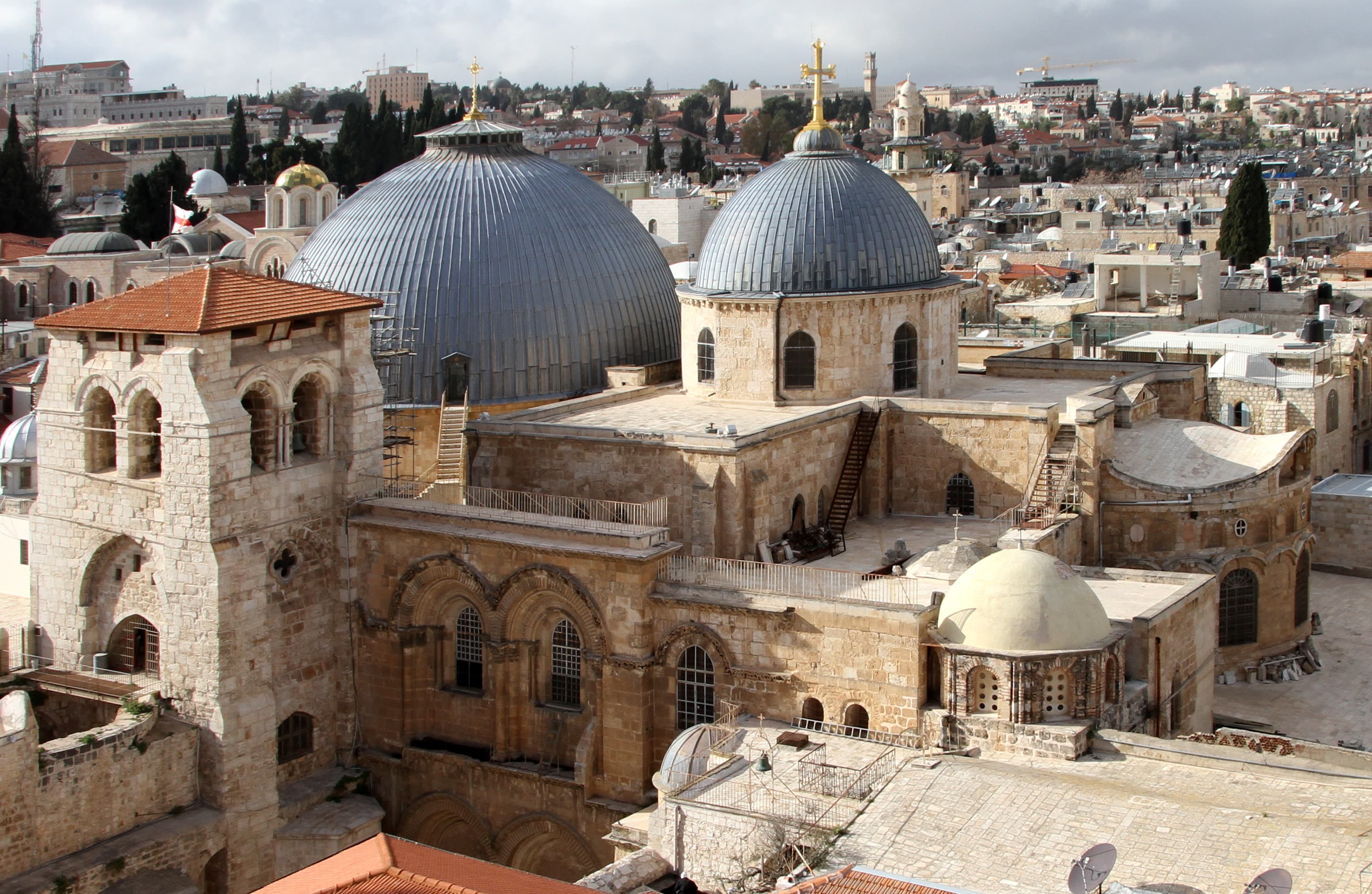
Christianity
concept · 33 CEA minor Judaic sect with Hellenistic influences, emerging from the Roman province of Judaea in the first century, would go on to shape the course of global history.
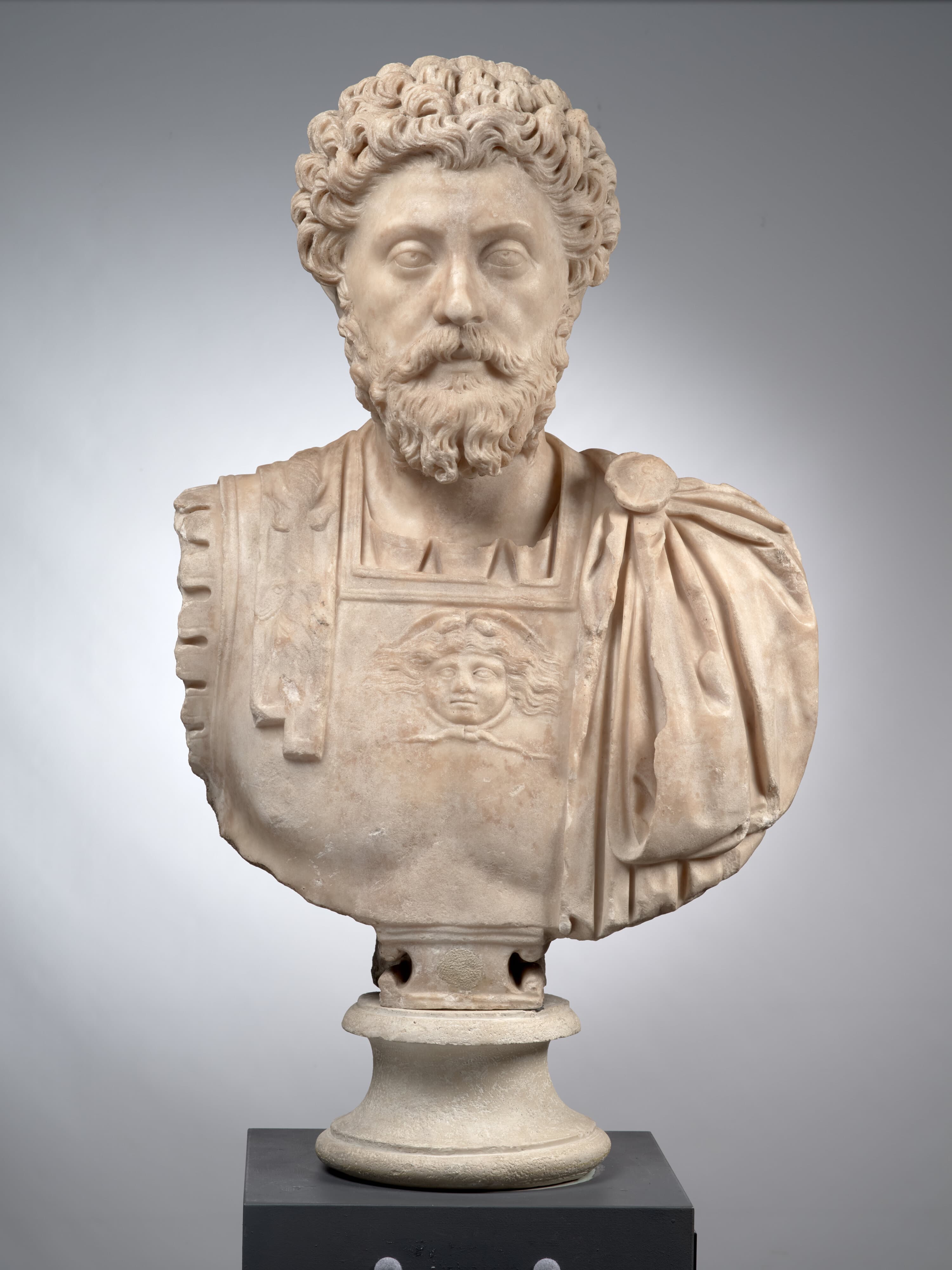
Marcus Aurelius
person · 121 CEThe closing chapter of the Pax Romana—a two-century epoch of relative stability for the Roman Empire—was shepherded by a man who divided his life between the violence of the imperial frontier and the quietude of Stoic…
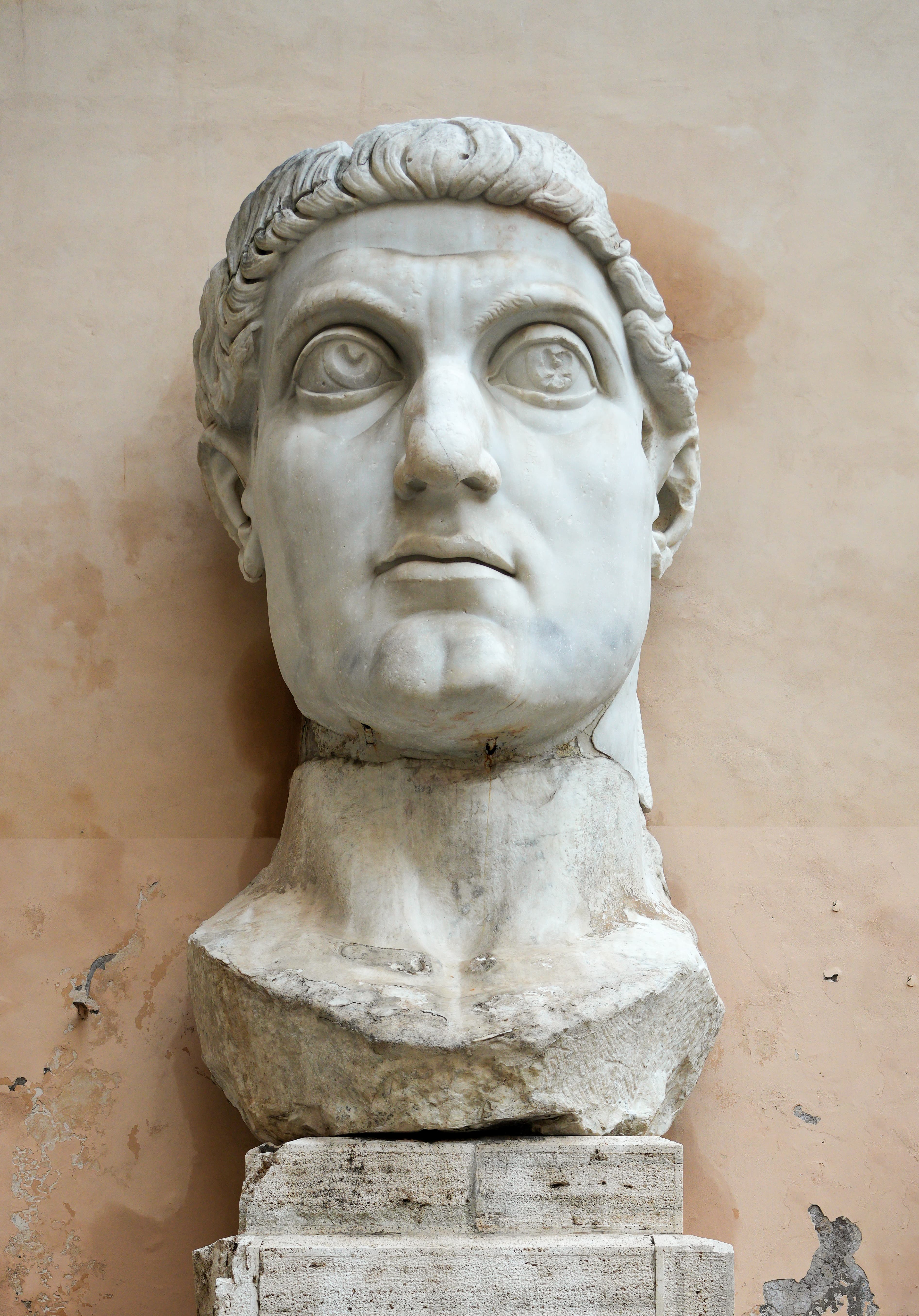
Constantine the Great
person · 272 CEOn 25 July 306 CE, in the remote Roman outpost of Eboracum—modern-day York—the soldiers of the Western Empire proclaimed Constantine I their emperor.