Civilization · 1000 BCE – 631 CE · 10 entries
Pre Islamic Arabia
Classical
Sheba
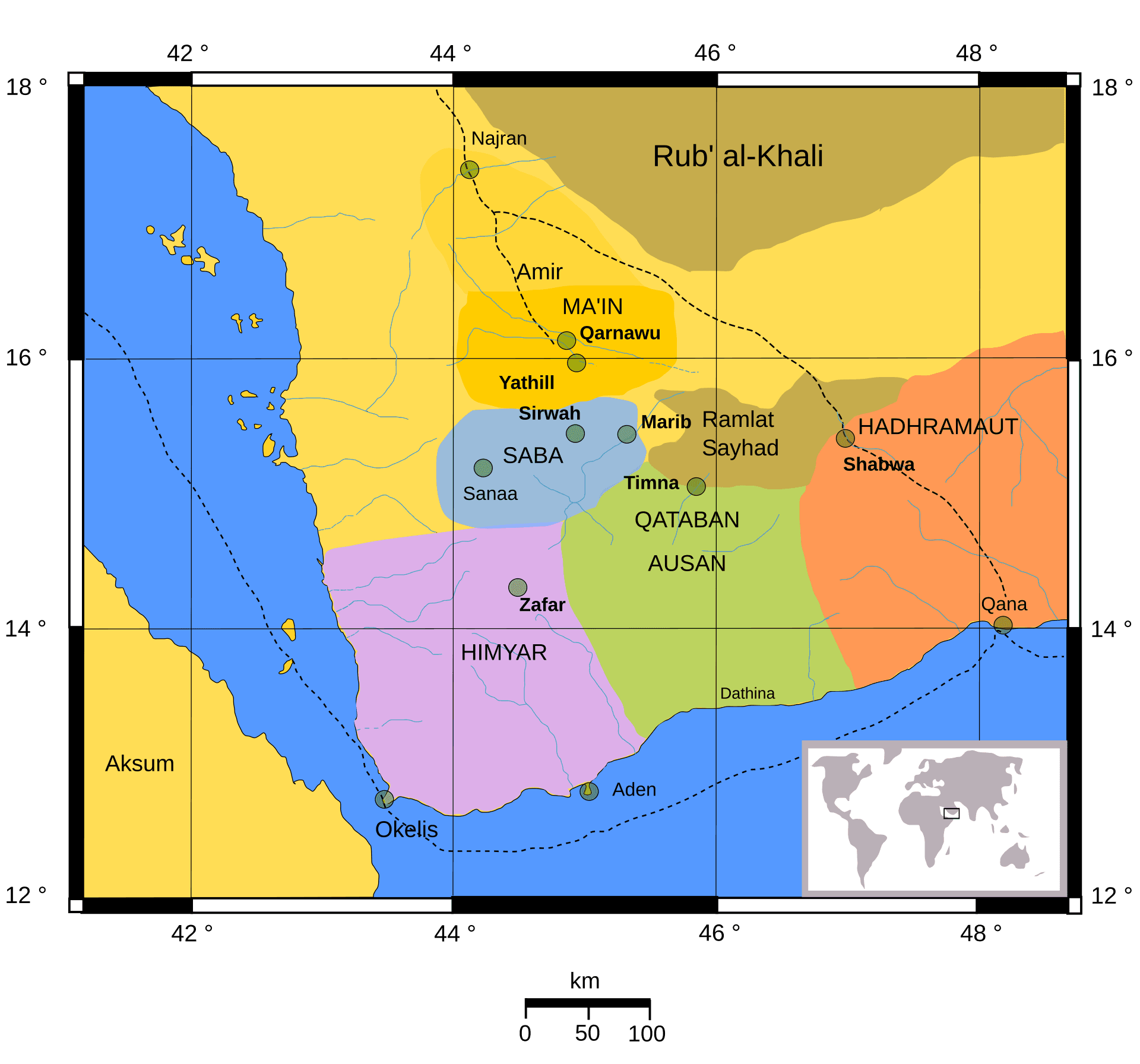
event · 1000 BCELong before the rise of modern states, a kingdom of merchants and builders flourished in the arid southern reaches of the Arabian Peninsula, its wealth carried across the ancient world on the scent of frankincense and…
Medina
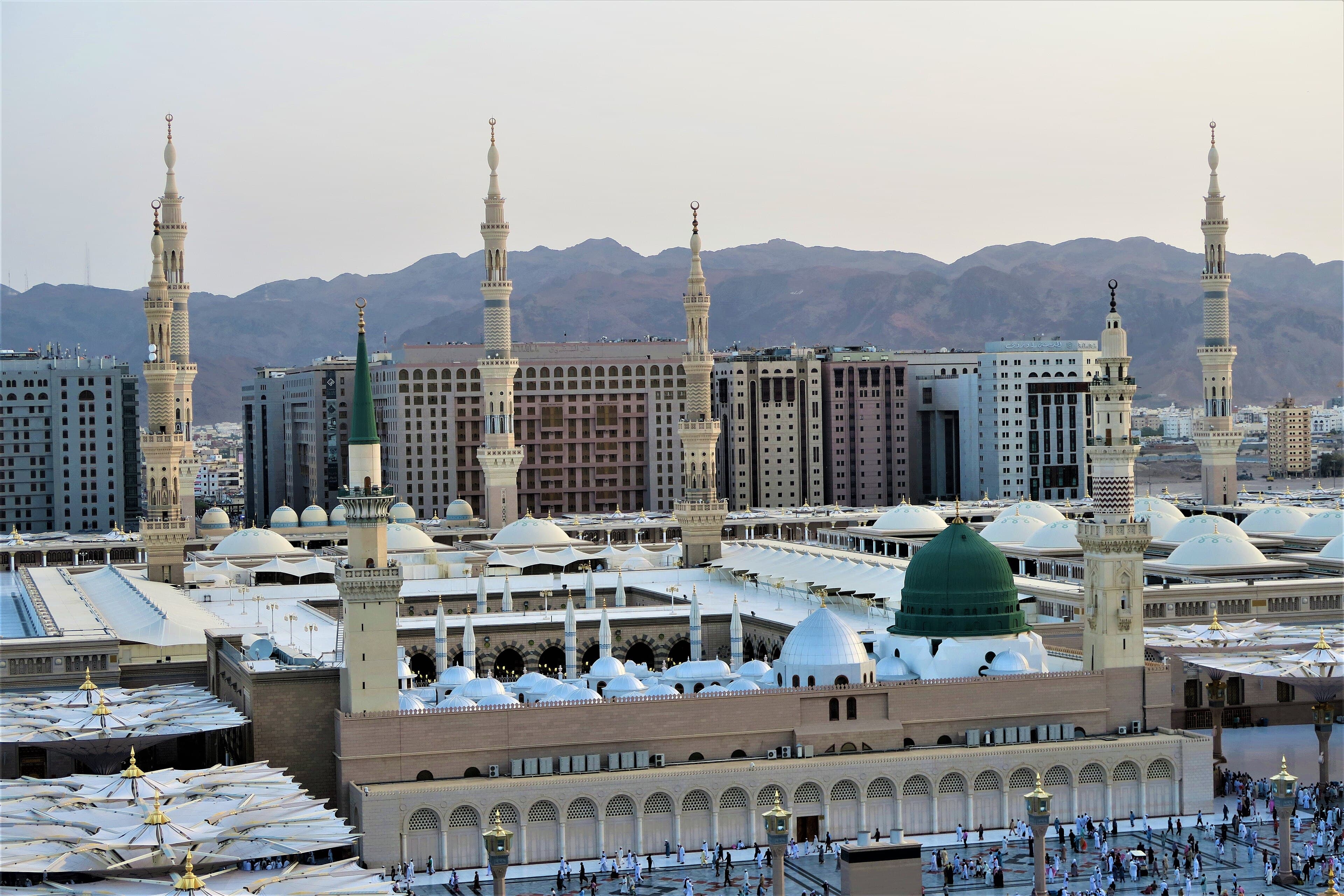
place · 9th c. BCEBefore it was ever called the City of the Prophet, the oasis in the Hejaz highlands of western Saudi Arabia was known as Yathrib.

Petra
place · 800 BCECarved directly into the rose-colored sandstone cliffs of southern Jordan, the ancient city of Raqmu—known to the Greek world as Petra—began as a fortress of geography.
Nabataean kingdom
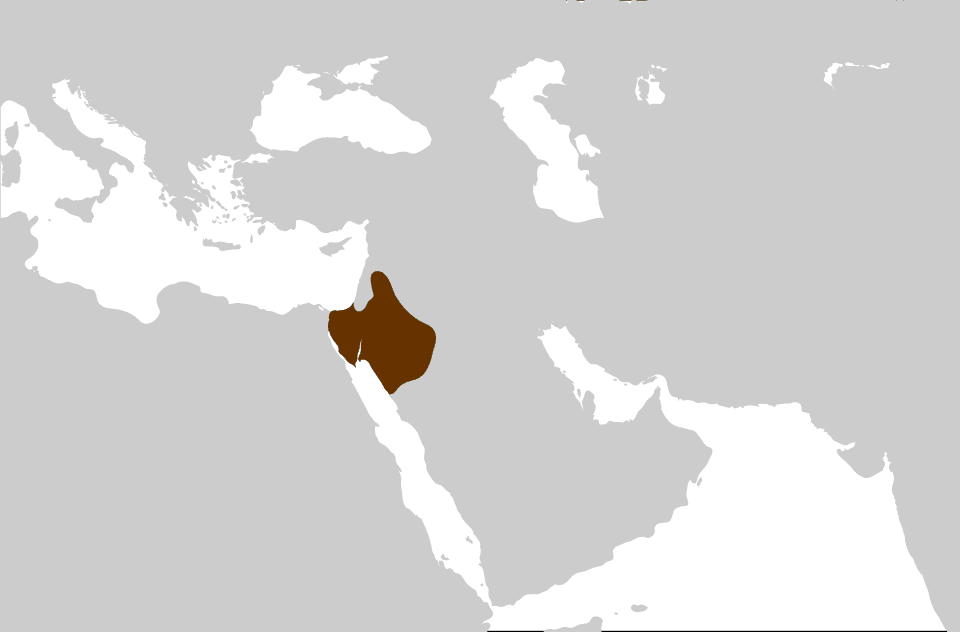
event · 4th c. BCELong before their stone-carved capital became a wonder of the ancient world, the Nabataeans survived on the margins of the Arabian Desert by mastering the seasonal rhythms of an unforgiving landscape.
Himyarite kingdom
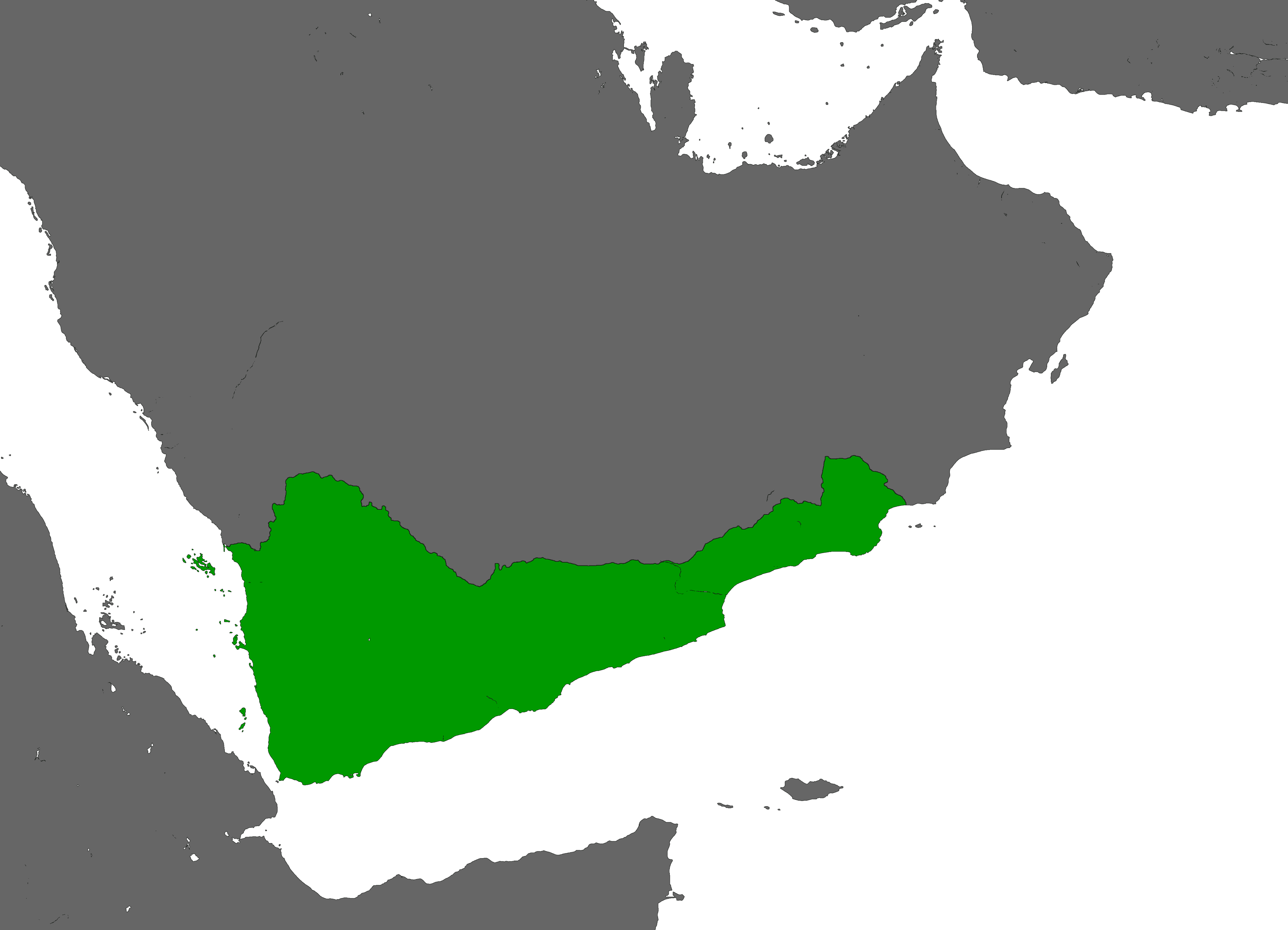
event · 110 BCEHigh in the southern highlands of Yemen, a wealthy tribal confederation known as the Himyarite kingdom carved an empire out of the lucrative trade in frankincense and myrrh.
Medieval
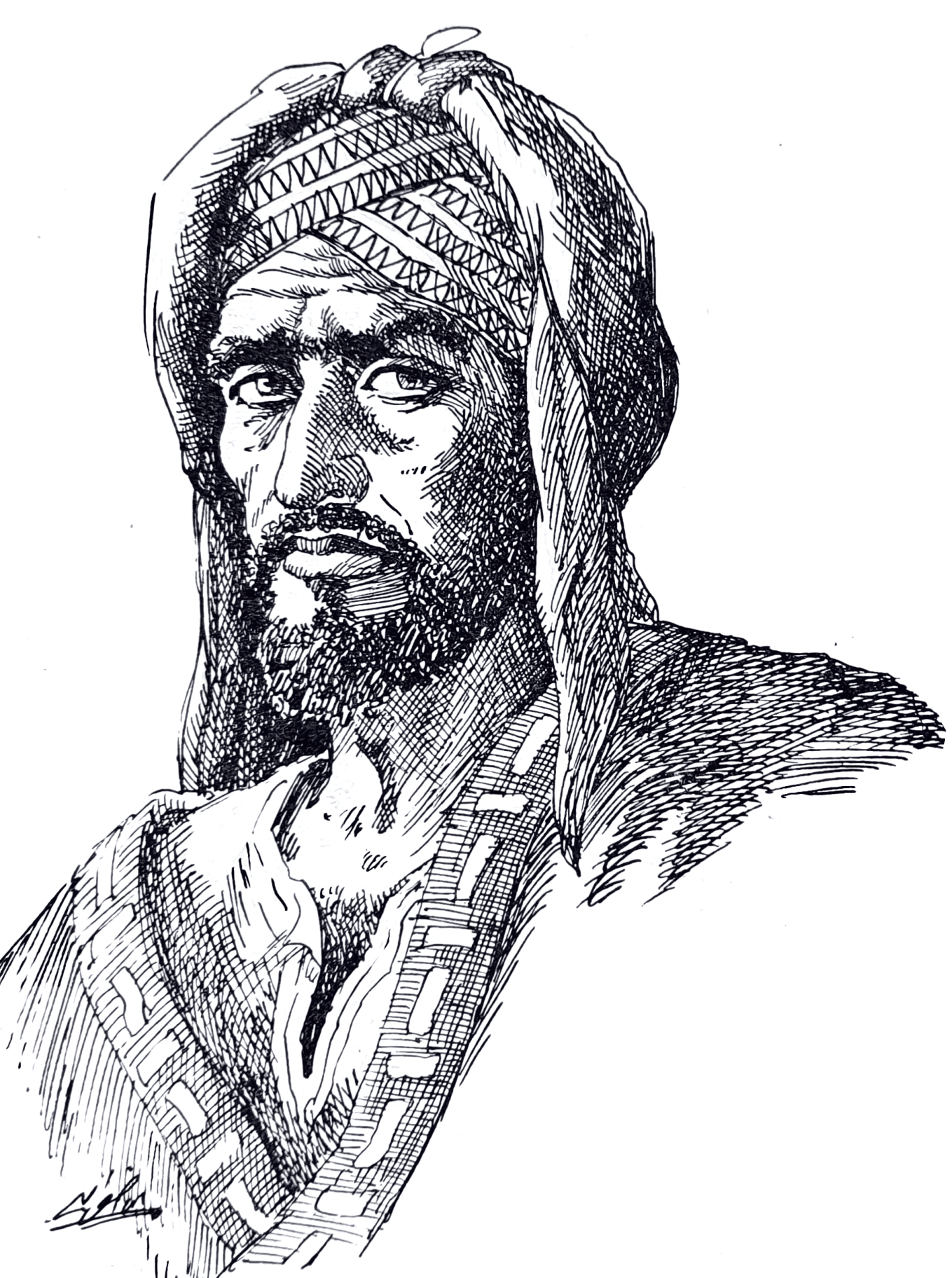
Imru' al-Qais
person · 501 CEThe father of Arabic poetry began his life as a banished prince, exiled by a king who detested his son’s devotion to verse, wine, and women.
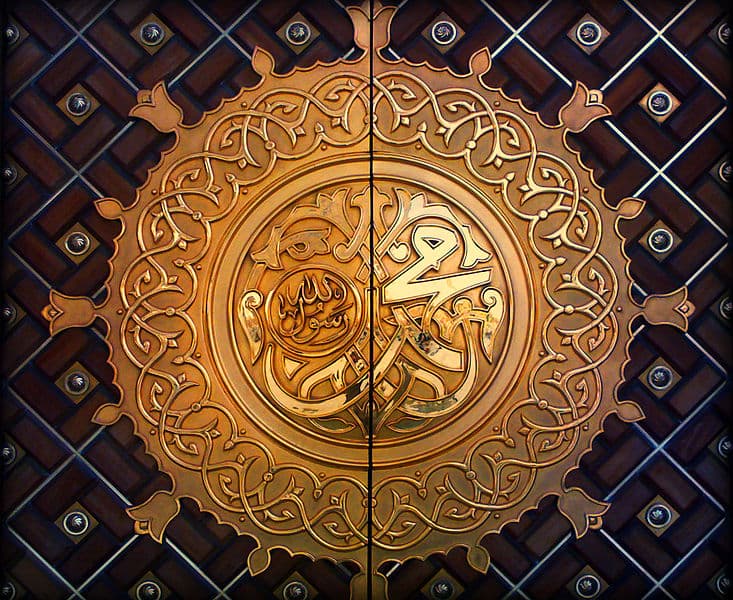
Muhammad
person · 571 CEIn the early seventh century CE, a forty-year-old orphan from the aristocratic Banu Hashim clan of the Quraysh retreated to the isolation of Mount Hira, a cavernous sanctuary where he spent nights in deep contemplation.
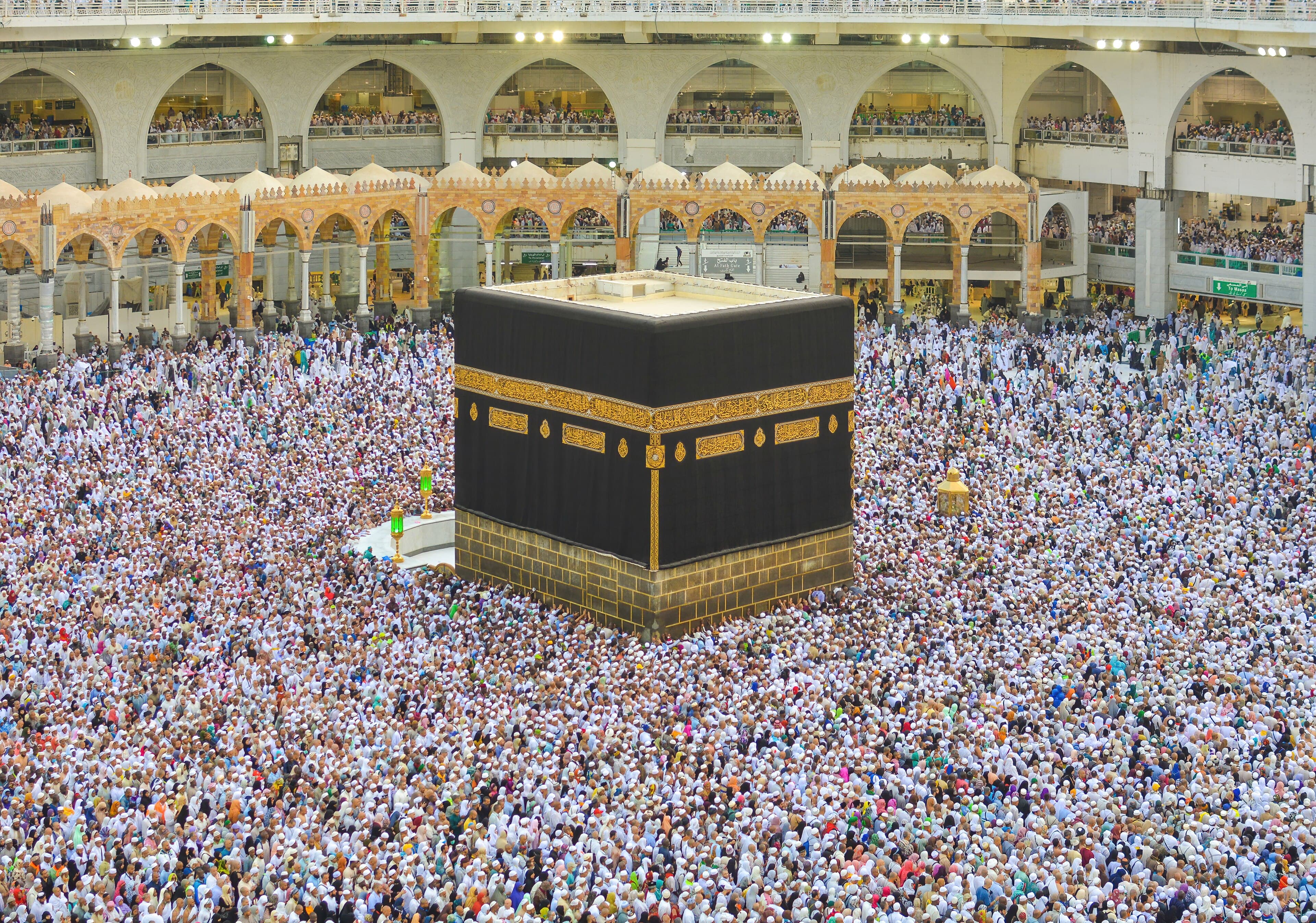
Islam
concept · 631 CEThe cosmic order of Islam rests upon a single, uncompromising truth: the absolute oneness of God, a principle known as tawhid.