Civilization · 1500 BCE – 1325 CE · 11 entries
Persian Empires
Ancient
Nakhchivan
place · 1500 BCENames have a way of clinging to the land, refracting through different empires and languages like light through a prism.
Zoroastrianism
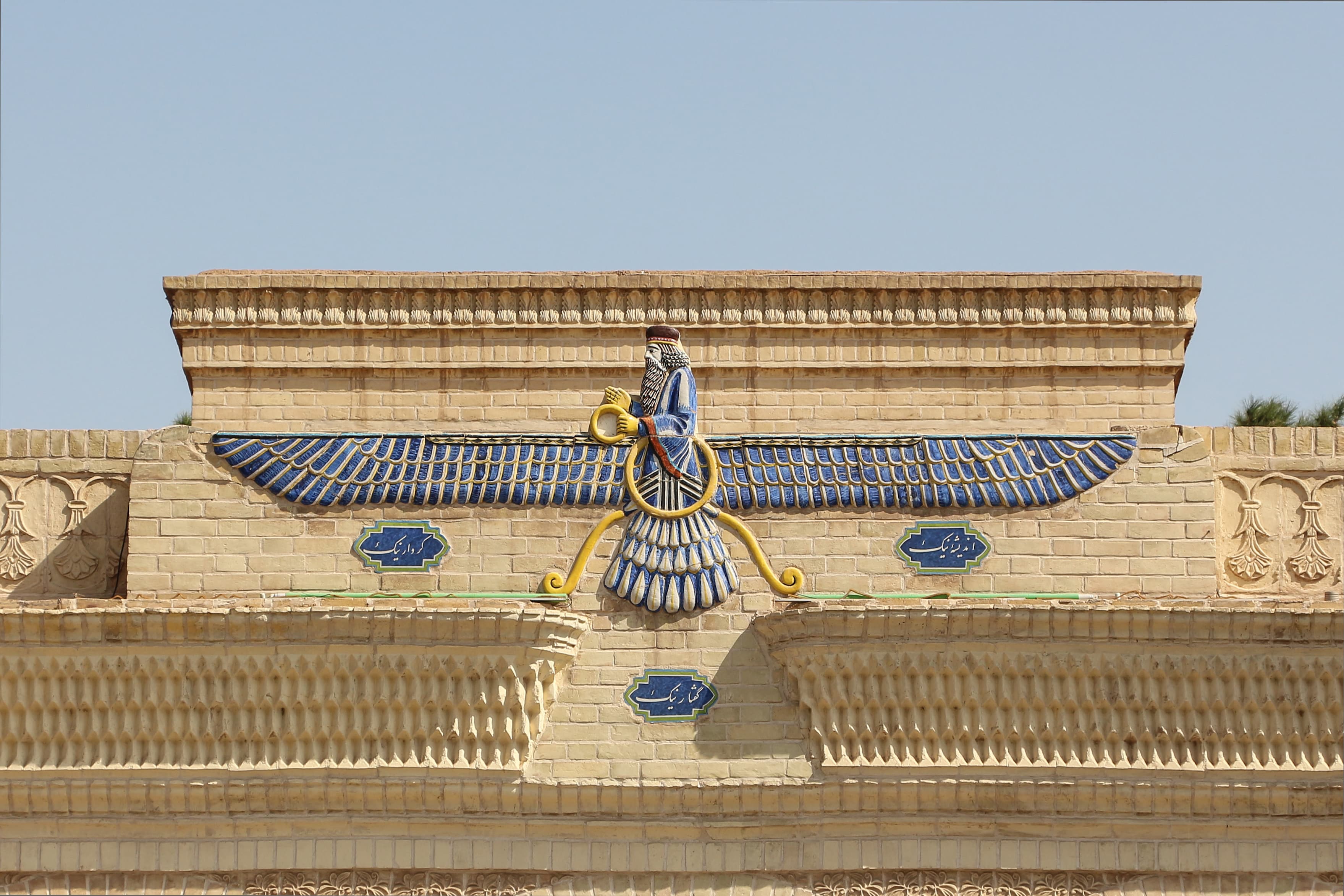
organization · 1500 BCELong before the rise of the global faiths that dominate the modern mind, a transformative moral vision emerged from the Iranian plateau, dividing the cosmos into an eternal struggle between light and chaos.
Classical
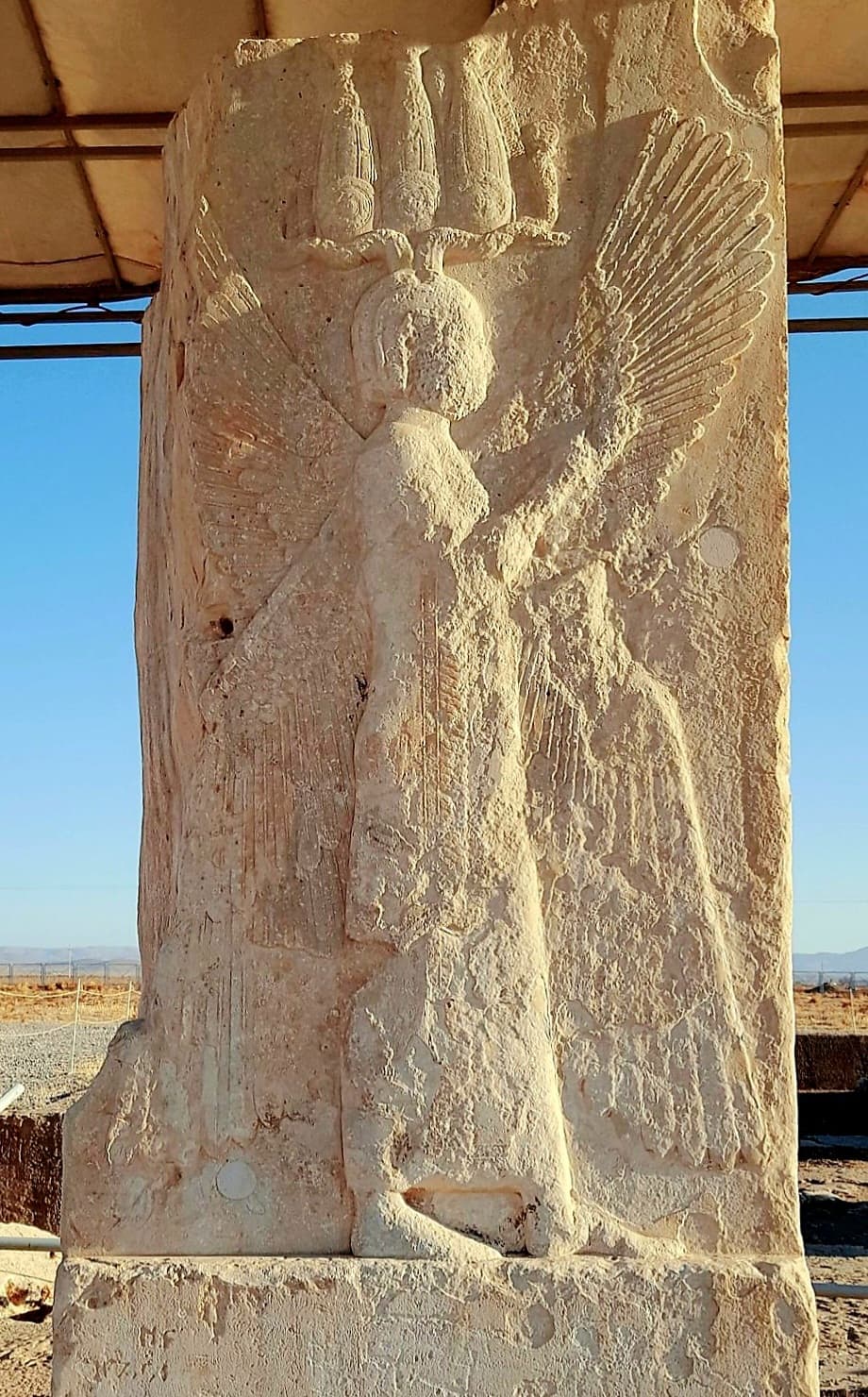
Cyrus the Great
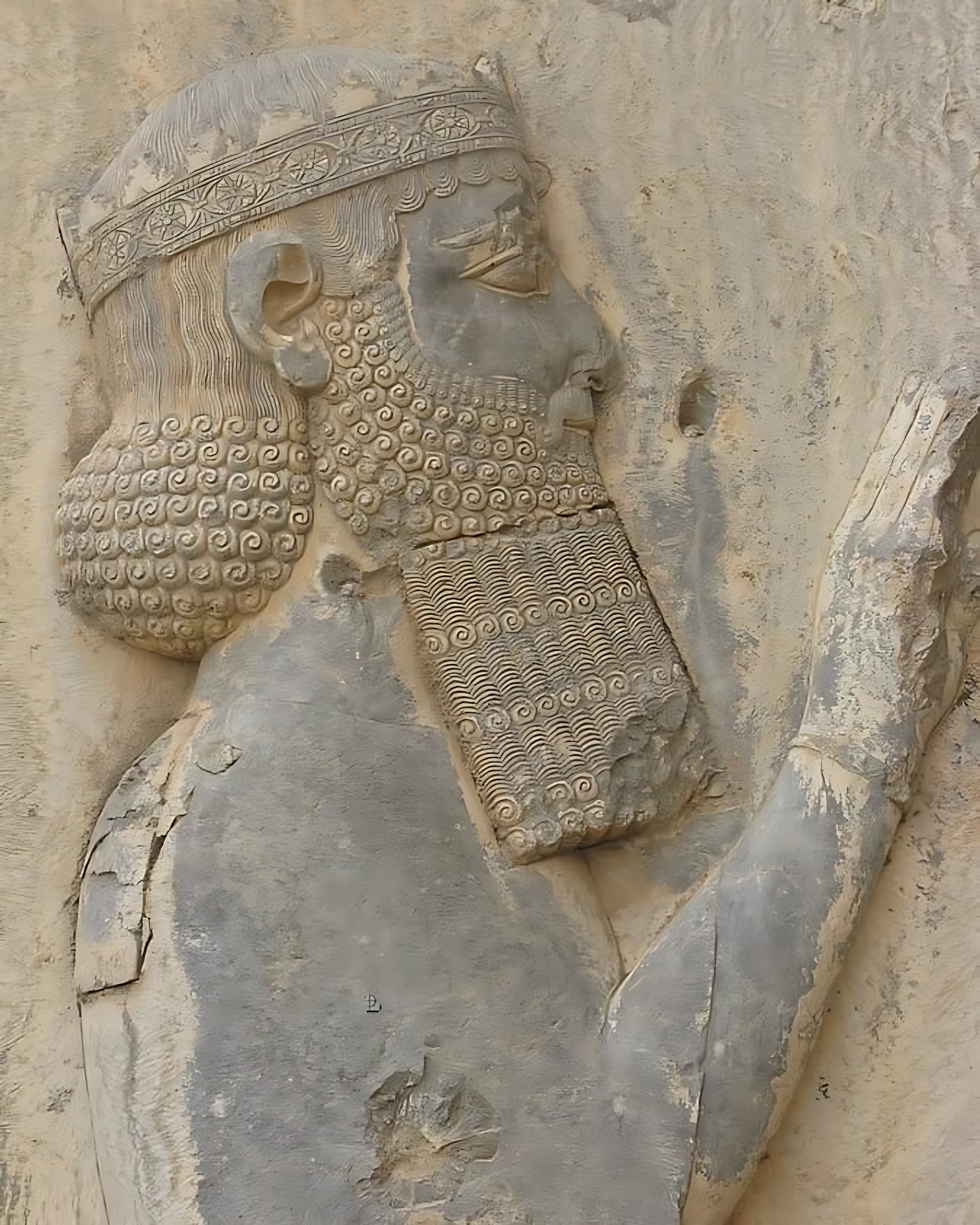
person · 600 BCEWhen the armies of Cyrus II of Persia swept out of the homeland of Persis in the sixth century BCE, they did not merely conquer; they assembled the largest empire the world had yet seen.
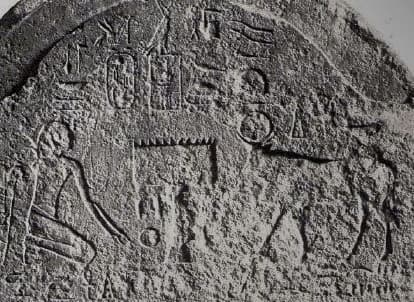
Cambyses II
person · 559 BCEThe shadow of a legendary father is a difficult landscape to navigate, yet Cambyses II expanded the borders of the Achaemenid Empire farther than Cyrus the Great ever managed.
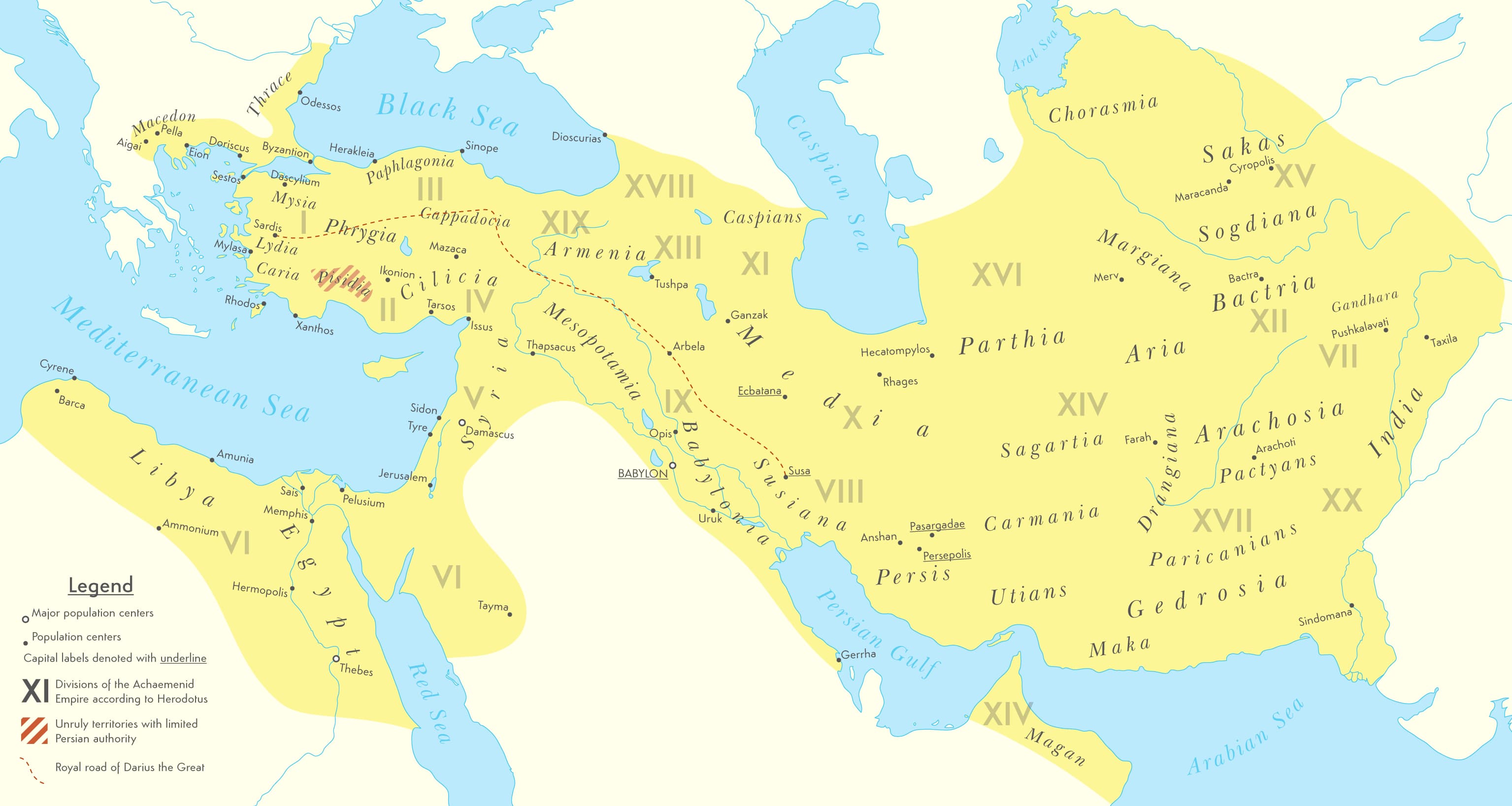
Achaemenid Empire
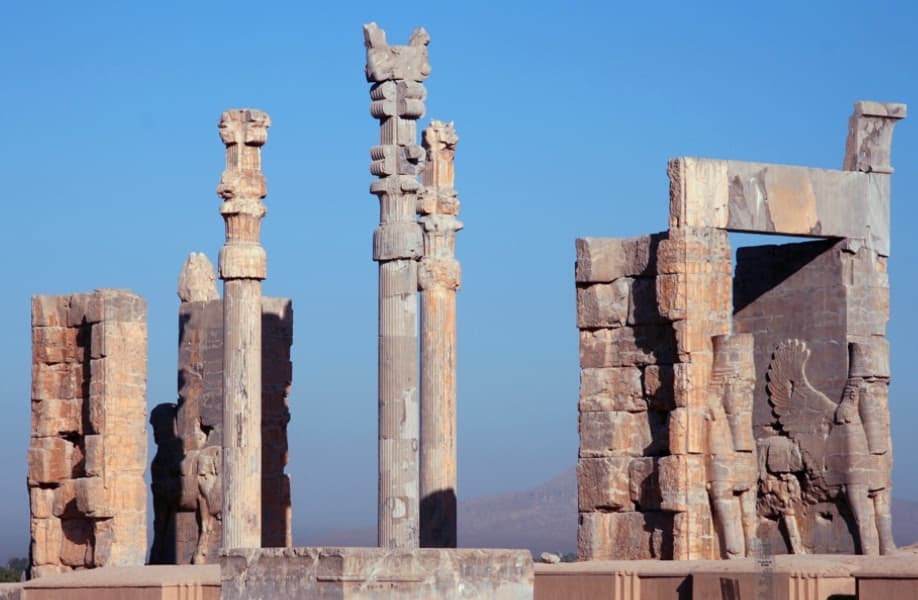
event · 550 BCEBefore it was a colossus, the realm that would become the Achaemenid Empire began with the Parsa, a nomadic people of the seventh century BCE moving through the southwestern highlands of the Iranian plateau.
Medieval
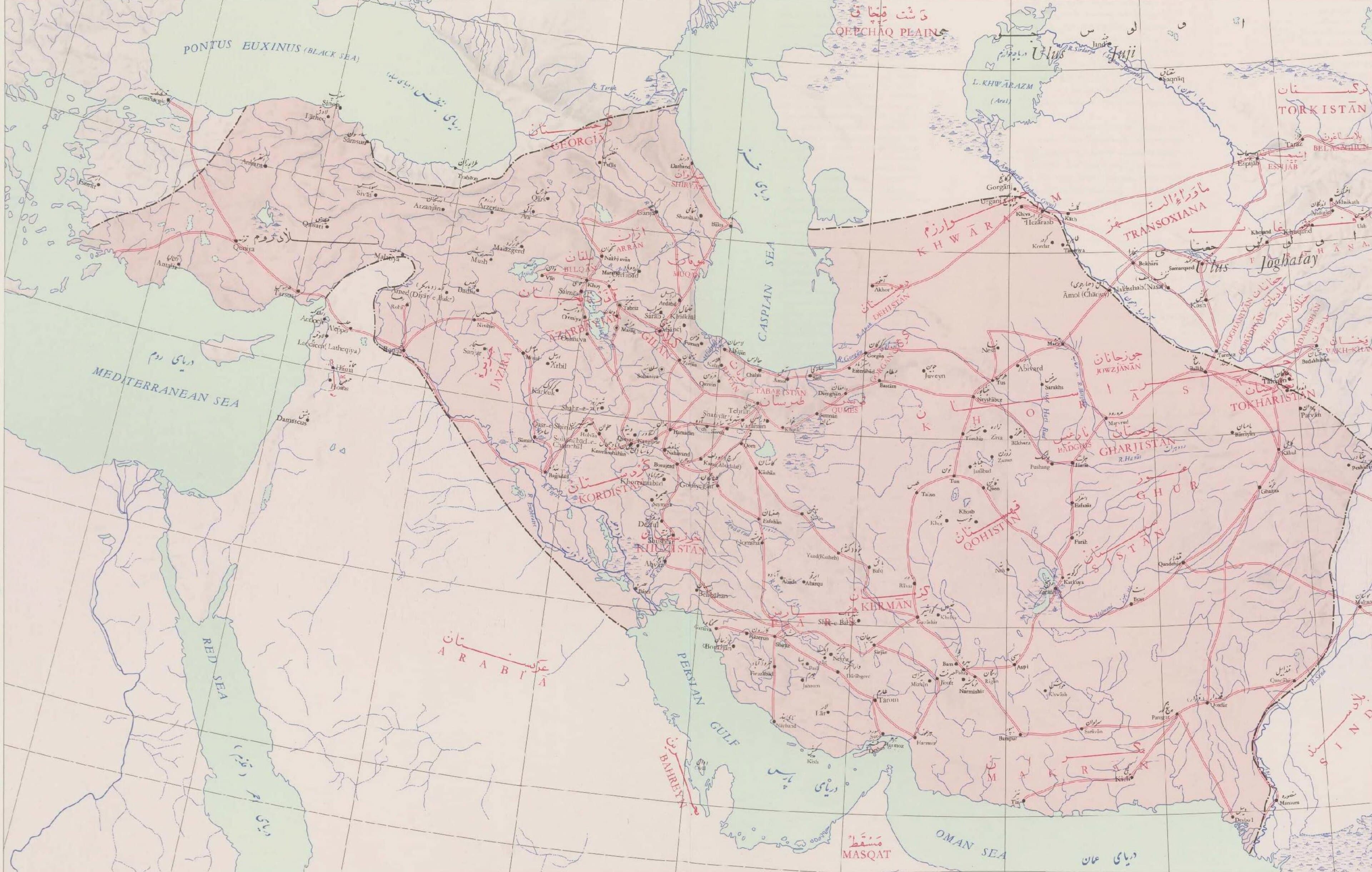
Ilkhanate
event · 1256 CEWhen the riders of the Mongol Empire swept across West Asia, they did not merely conquer; they eventually established a state that would resurrect an ancient identity.
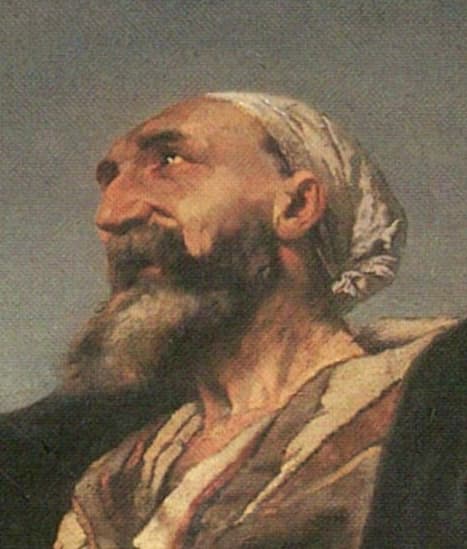
Hafez
person · 1325 CETo find a book of fourteenth-century lyric poetry sitting alongside the Quran in a modern Iranian home is not an anomaly, but a centuries-old norm.