Civilization · 5500 BCE – 626 BCE · 11 entries
Mesopotamian Civilizations
Ancient
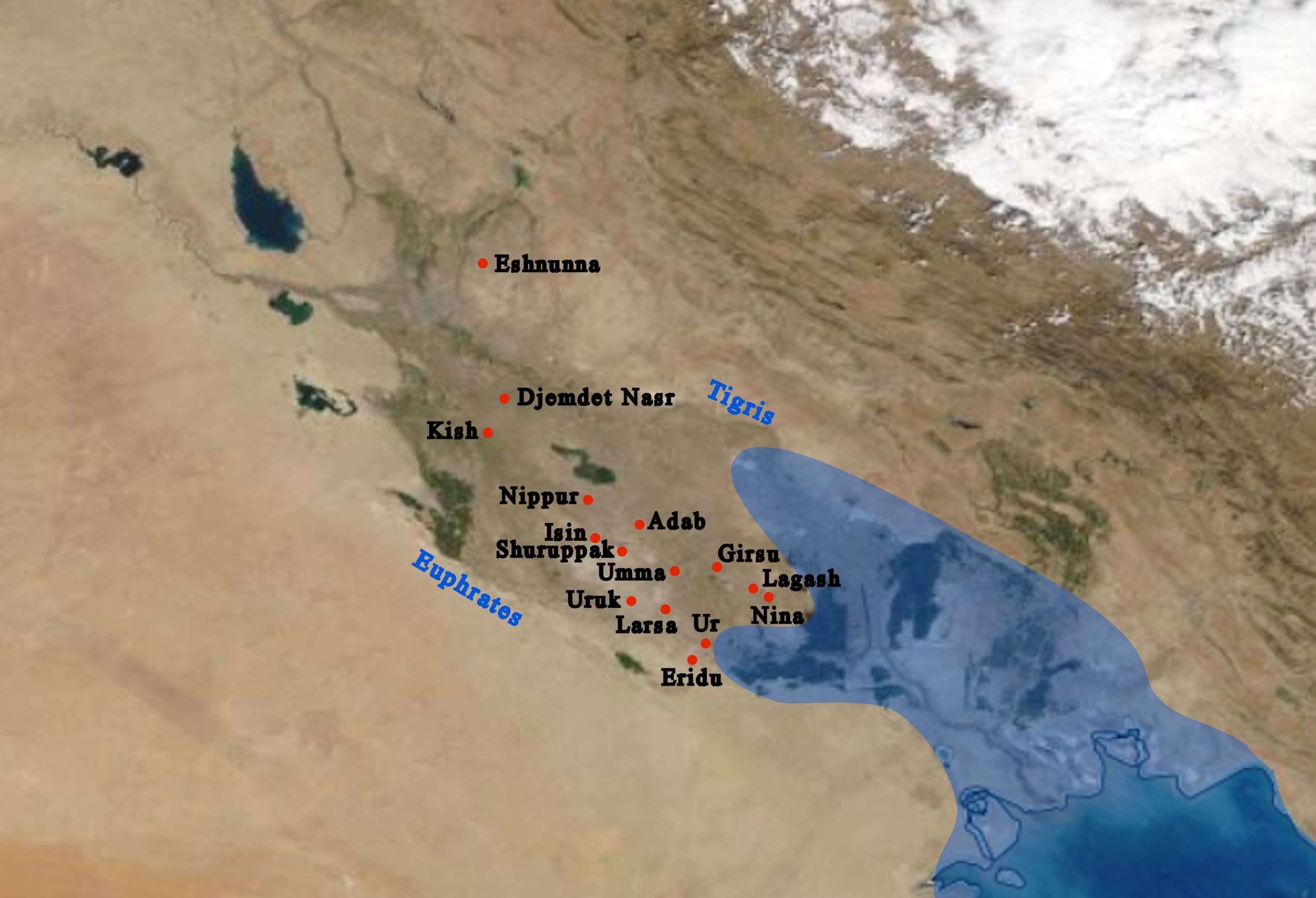
Sumer
concept · 55th c. BCELong before the rise of the Mediterranean empires, the marshy floodplains between the Tigris and Euphrates rivers gave rise to a transformation in how humans lived together.
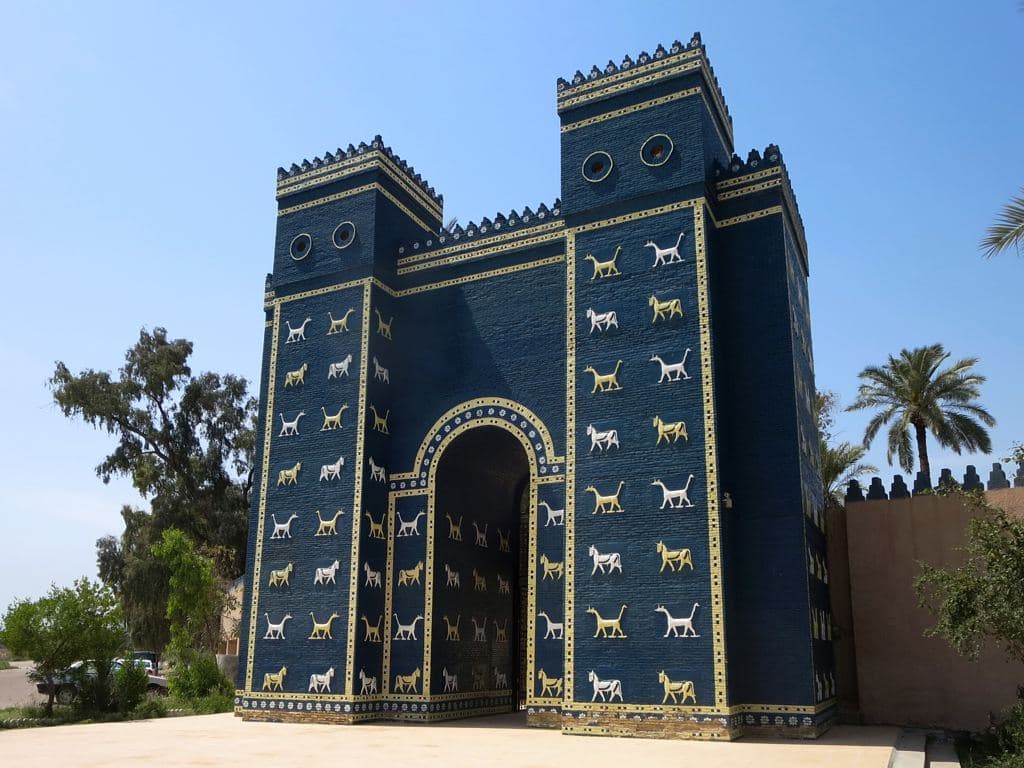
Babylon
place · 3k BCELong before it became a synonym for imperial grandeur, Babylon was merely a quiet religious outpost on the lower Euphrates River, subject to the whims of the Akkadian Empire.
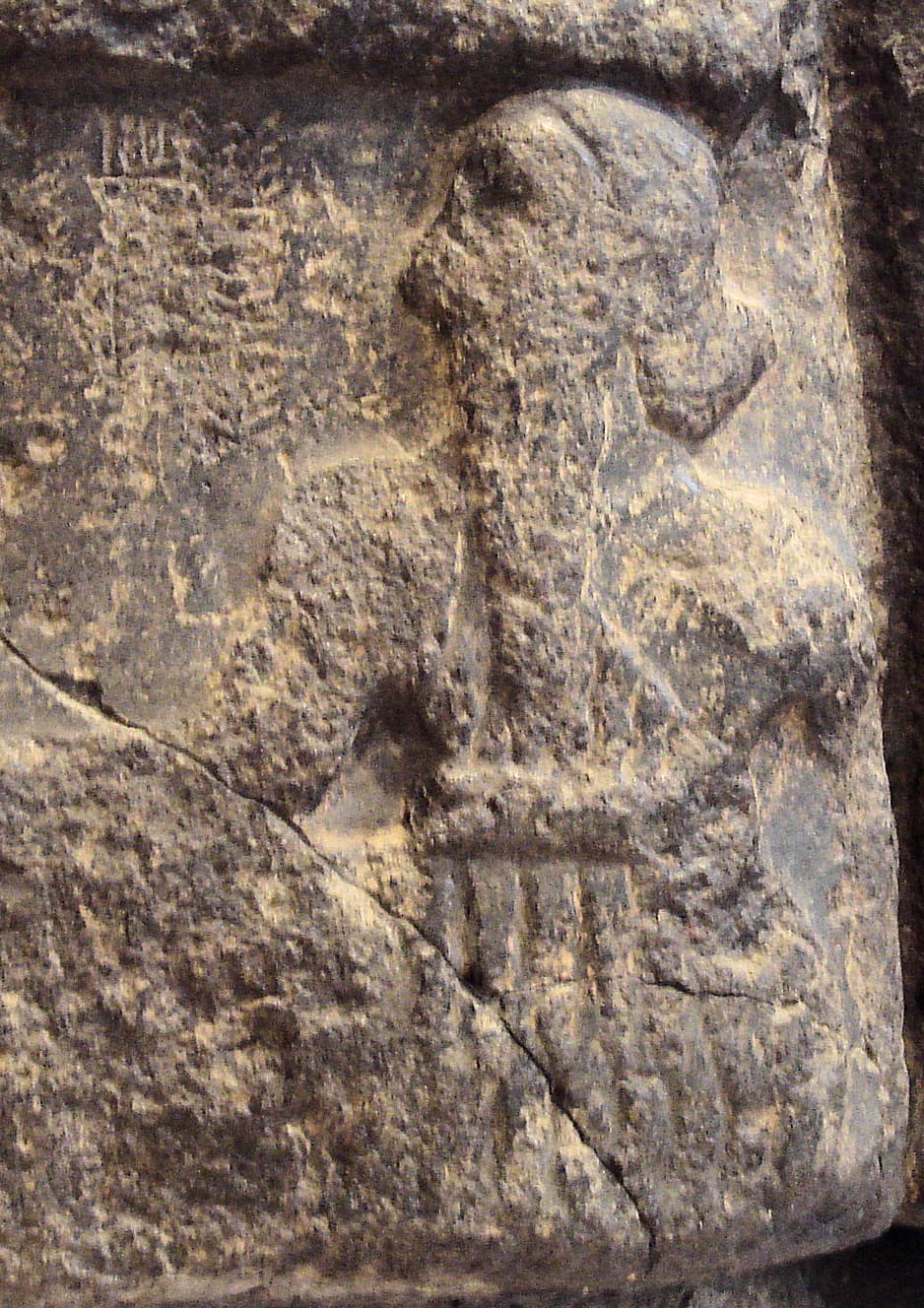
Sargon of Akkad
person · 24th c. BCEBefore he became the first person in recorded history to rule over an empire, the man we know as Sargon of Akkad served as a cup-bearer to King Ur-Zababa in the city-state of Kish.
Akkadian Empire
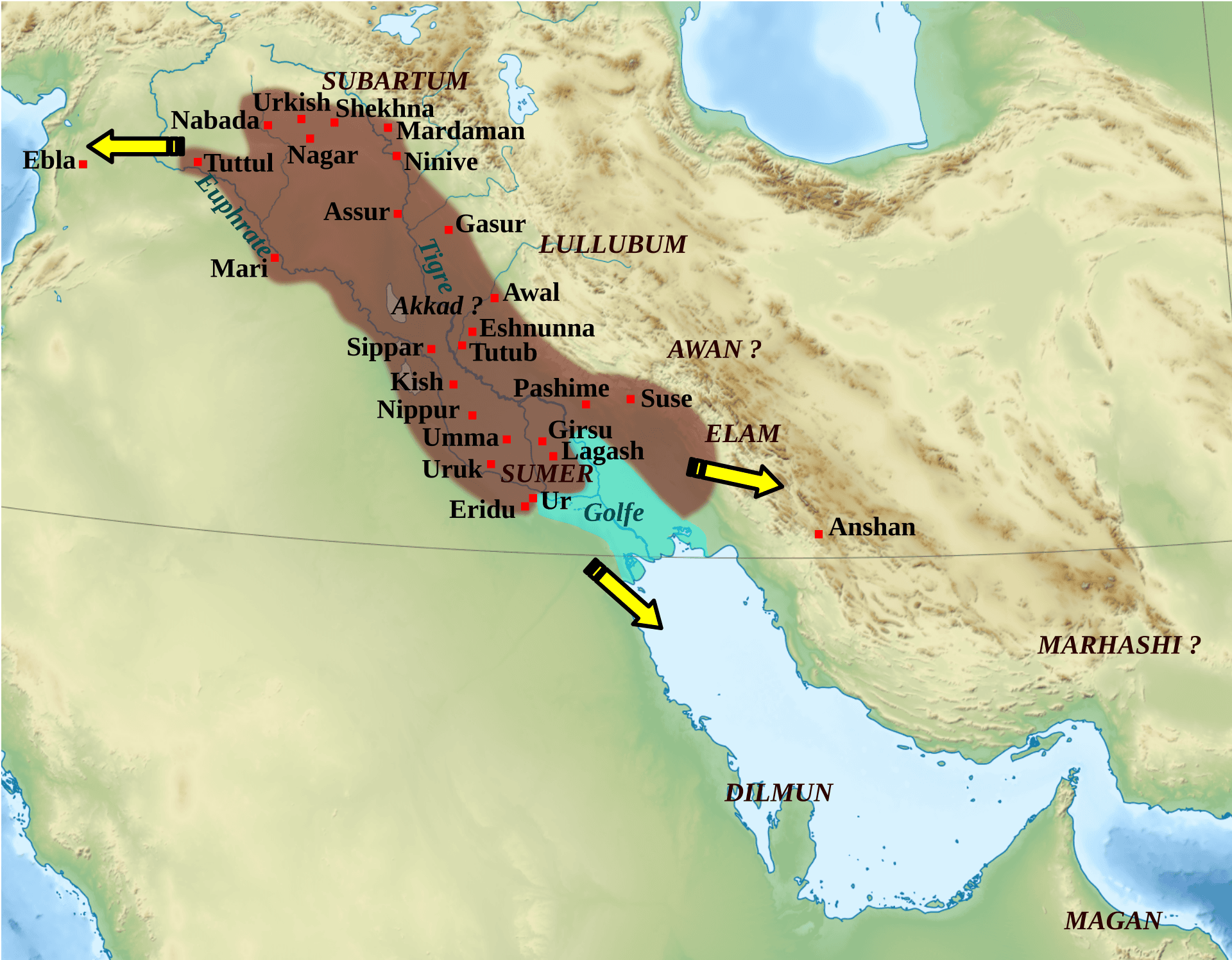
event · 2334 BCEBefore the twenty-fourth century BCE, the Mesopotamian world was a fractured mosaic of rival city-states, each guarding its own temples and sovereignty.
Assyrian Empire
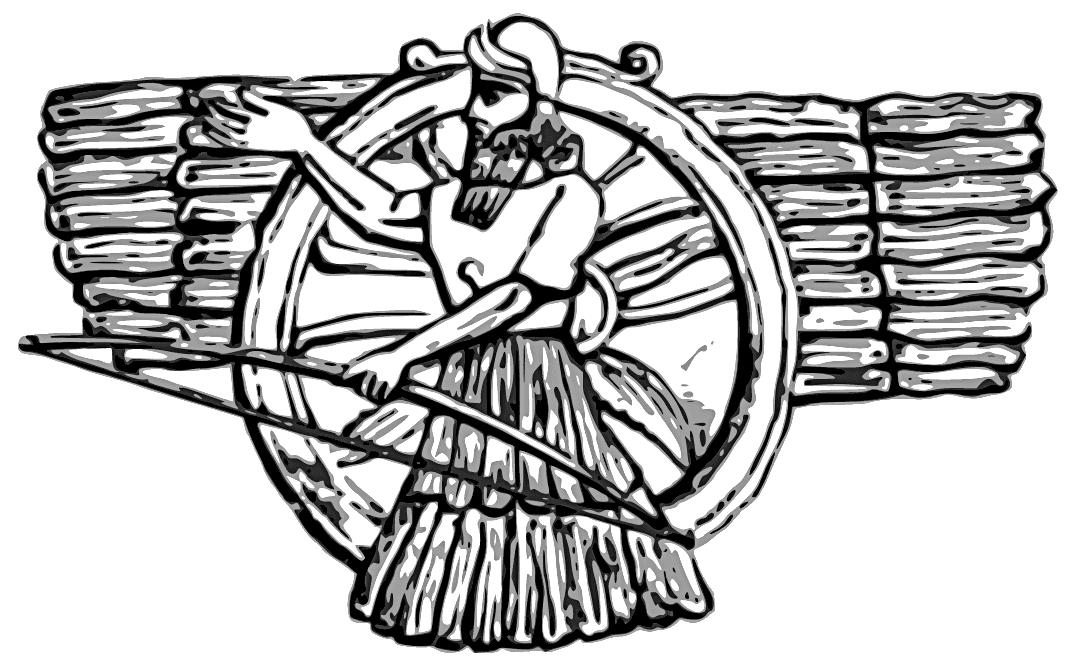
event · 2025 BCELong before it became the largest empire the world had yet seen, Assyria was a single city-state named Assur, clinging to independence in the 21st century BCE following the collapse of the Third Dynasty of Ur.
Hammurabi
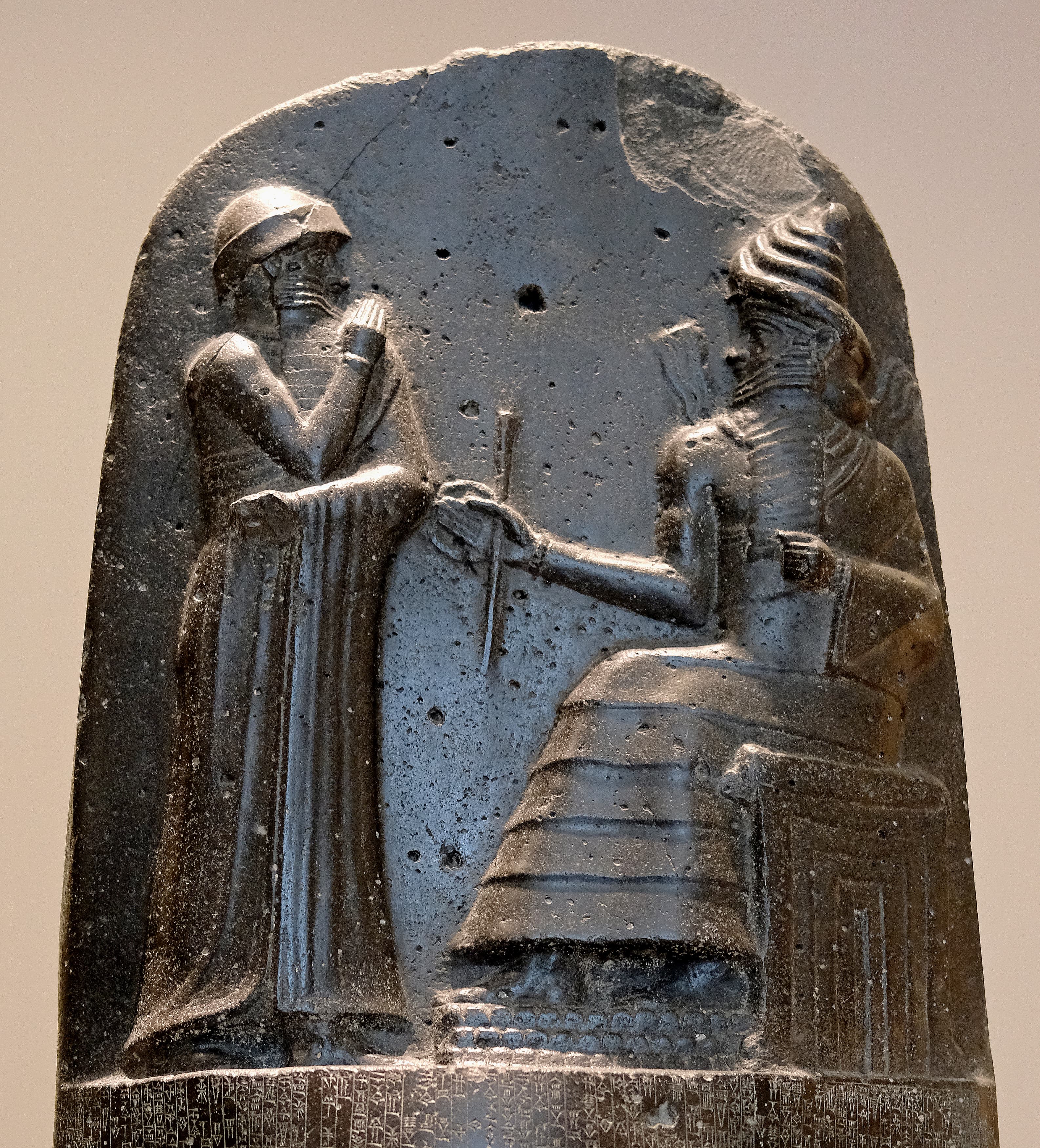
person · 1810 BCEWhen Hammurabi ascended the throne around 1792 BCE, Babylon was merely a minor city-state, overshadowed by older, grander kingdoms and surrounded by rivals vying for the fertile plains of Mesopotamia.
Mitanni
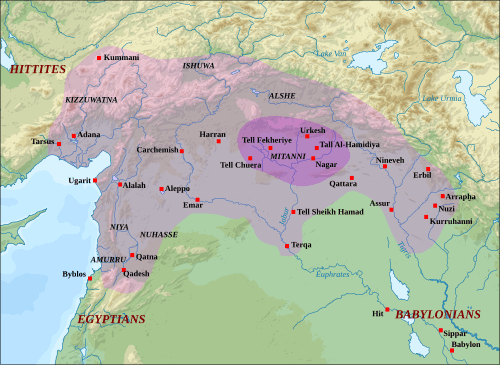
event · 1650 BCEFor centuries, a great empire in northern Syria and southeast Anatolia commanded the respect of the ancient world's most formidable dynasties, yet left behind no royal annals, chronicles, or histories of its own.
Classical
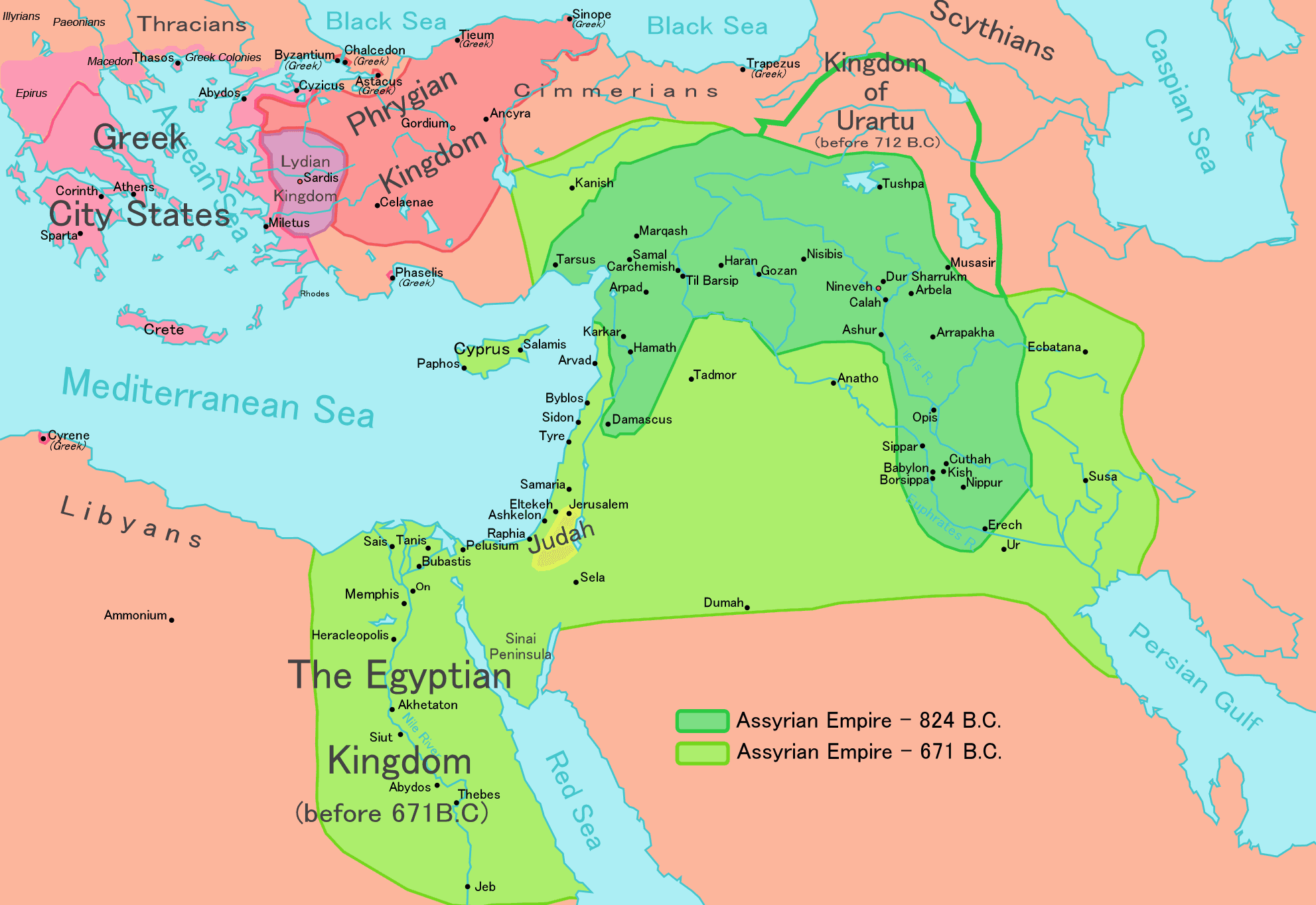
Neo-Assyrian Empire
event · 911 BCENo state before had ever claimed the entire known world as its birthright, nor possessed the administrative machinery to actually govern it.
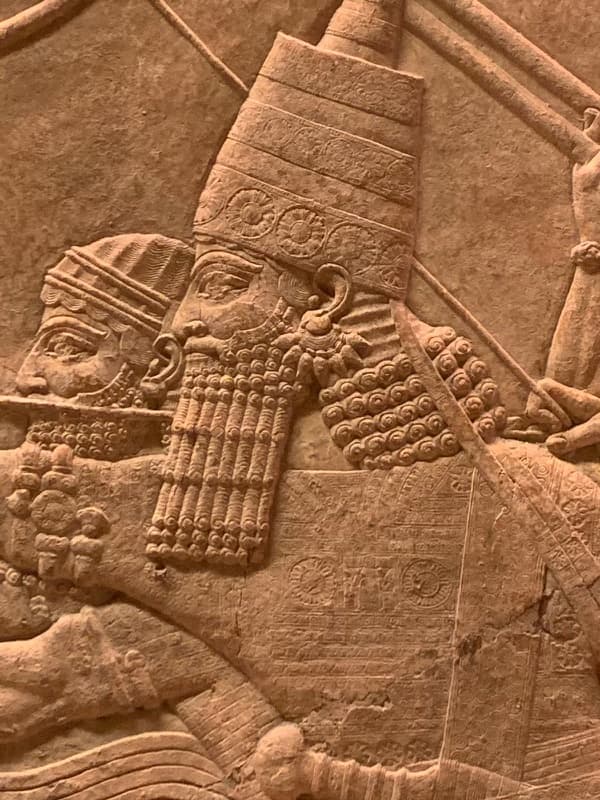
Ashurbanipal
person · 685 BCEIn the final, brilliant decades of the Neo-Assyrian Empire, dominion was maintained through a deliberate policy of terror and an unprecedented obsession with the written word.
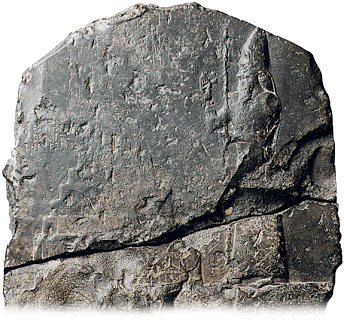
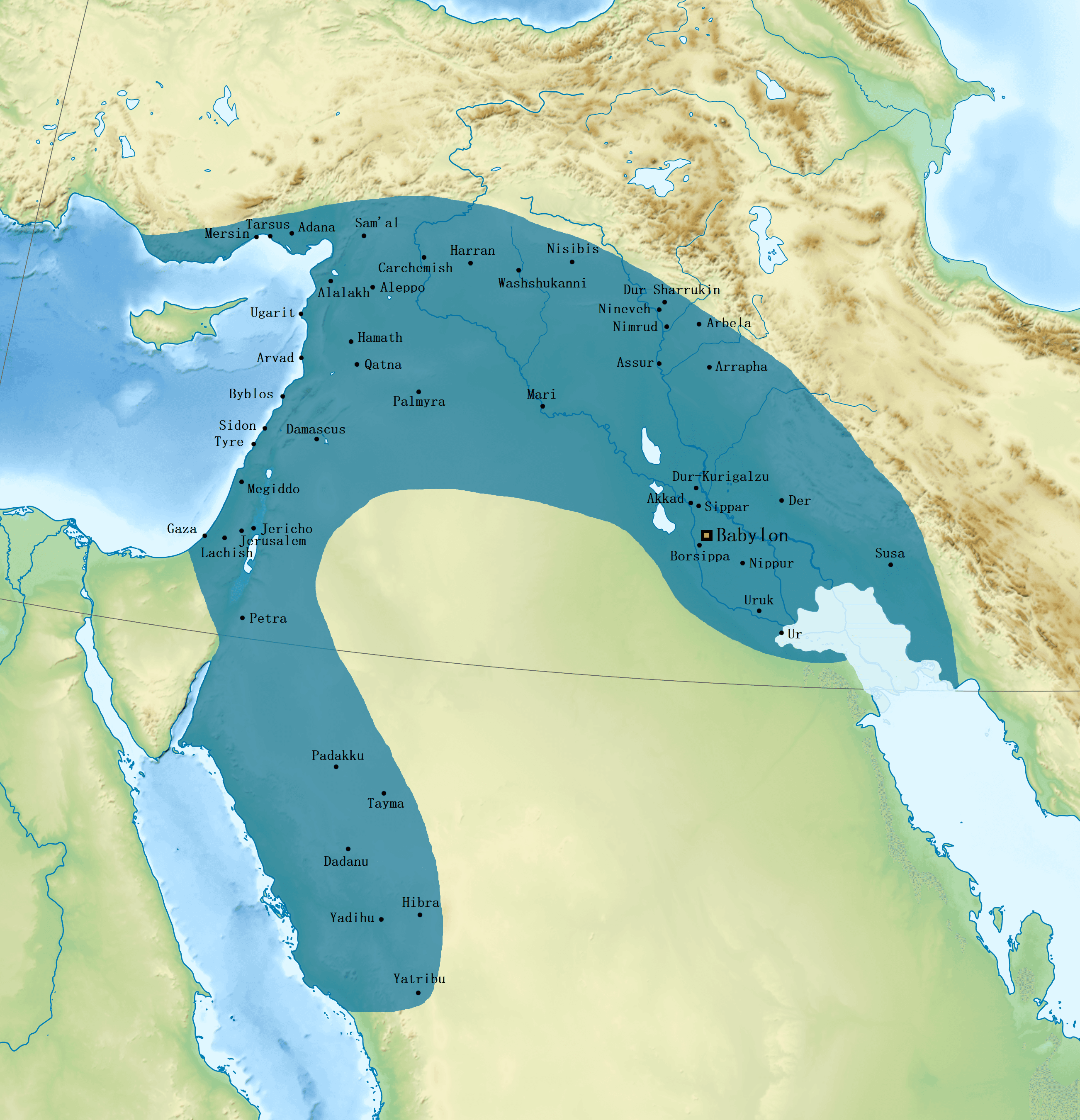
Nebuchadnezzar II
person · 642 BCEBefore he ever sat upon the throne of Babylon, the young prince Nebuchadnezzar II secured his place in history on the battlefield of Carchemish.