Civilization · 300 BCE – 1453 CE · 13 entries
Late Antique and Byzantine
Classical
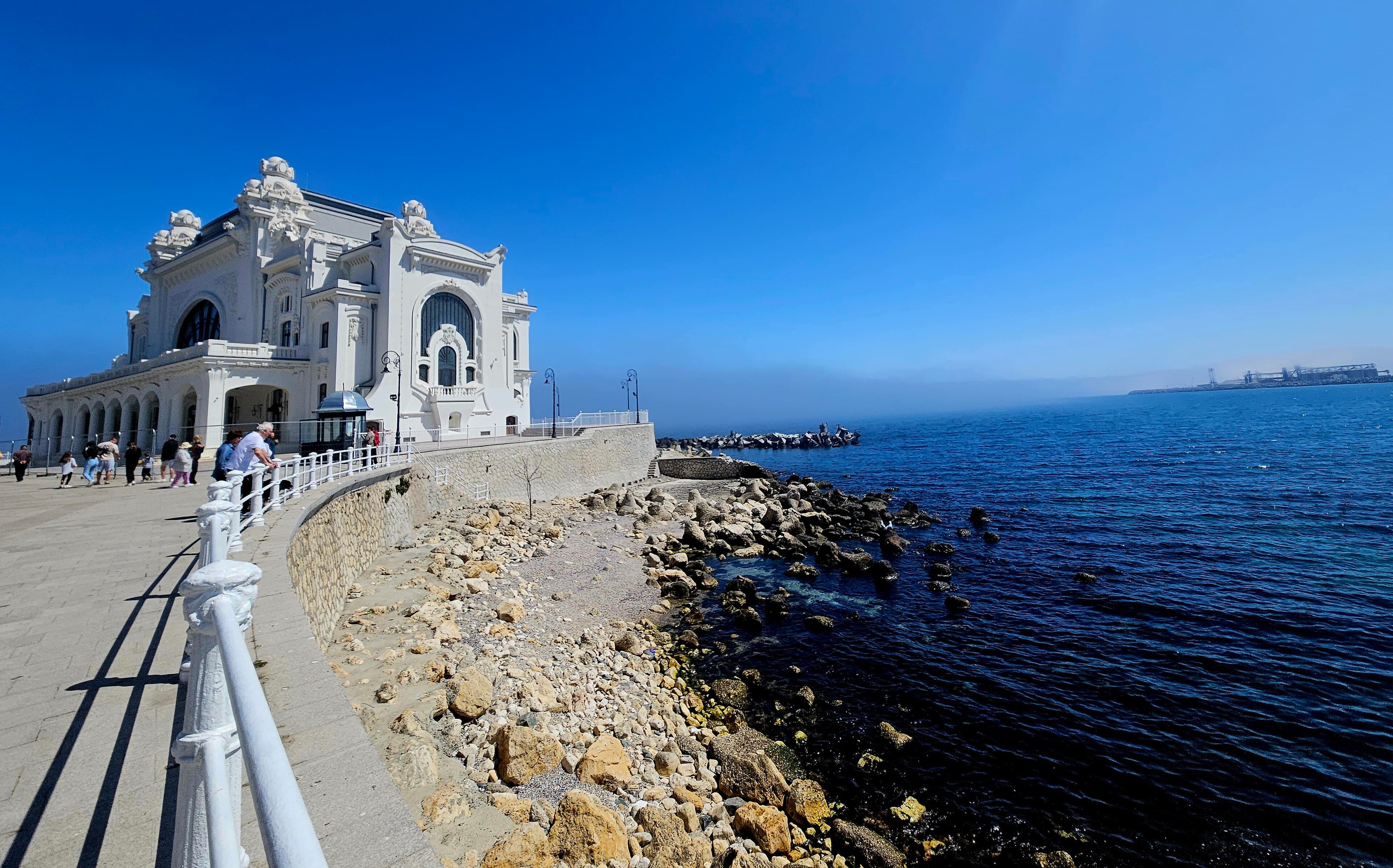
Constanța
place · 3rd c. BCECenturies before it bore its current name, the Romanian port of Constanța was known to the Greek world as Tomis, a colony anchored to a high-cliffed peninsula on the edge of the Black Sea.
Christianity
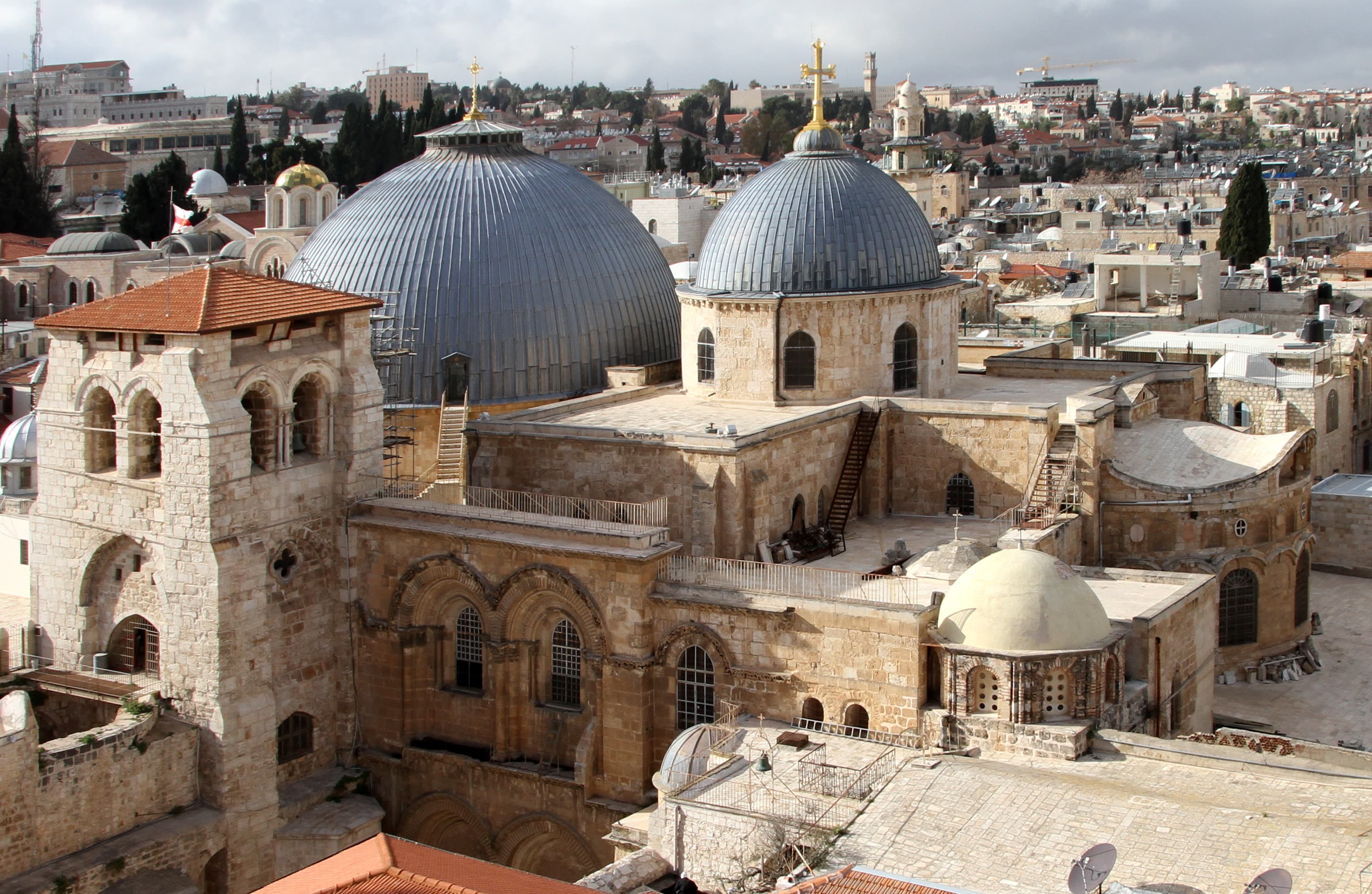
concept · 33 CEA minor Judaic sect with Hellenistic influences, emerging from the Roman province of Judaea in the first century, would go on to shape the course of global history.
Constantine the Great
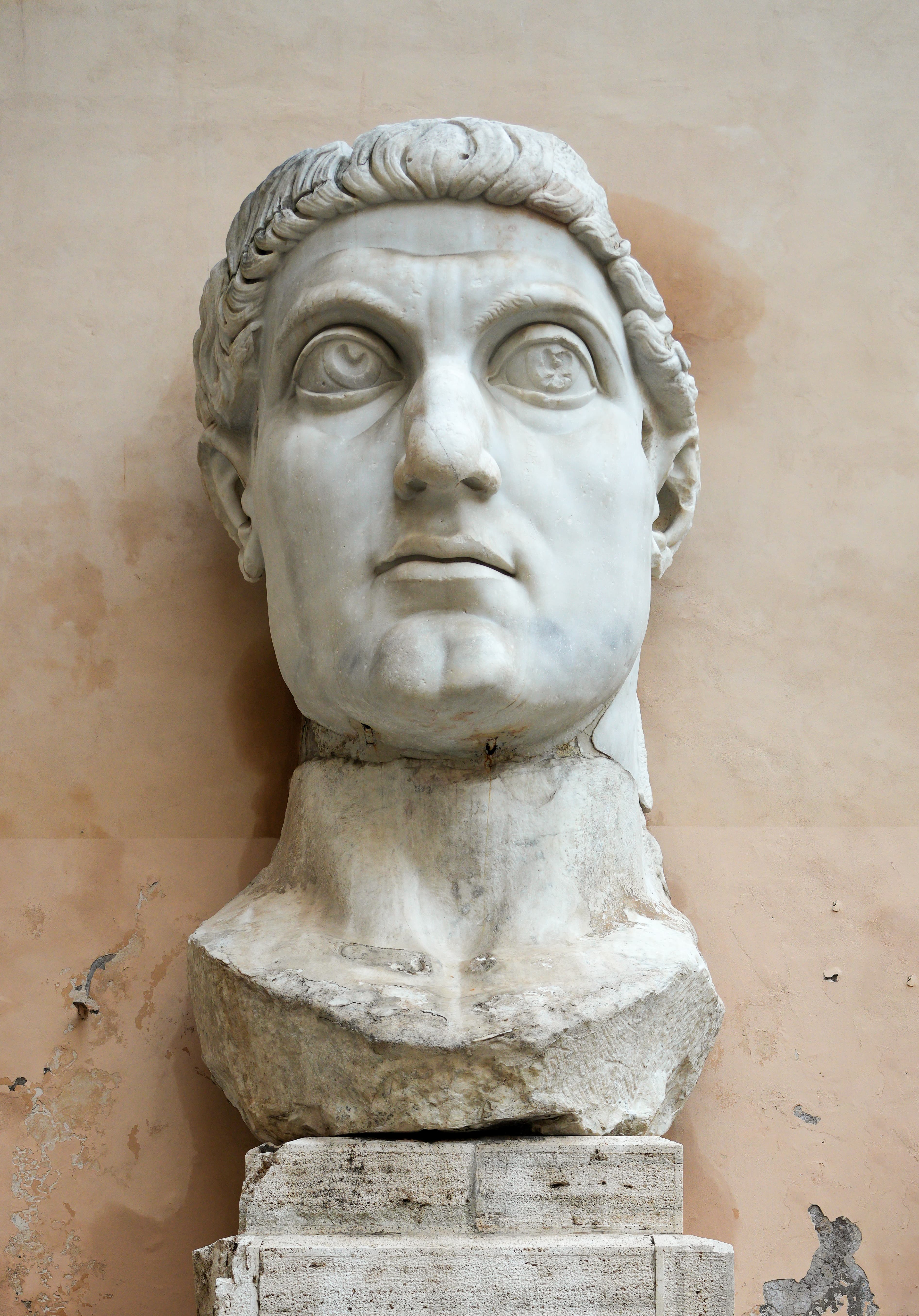
person · 272 CEOn 25 July 306 CE, in the remote Roman outpost of Eboracum—modern-day York—the soldiers of the Western Empire proclaimed Constantine I their emperor.
Constantinople
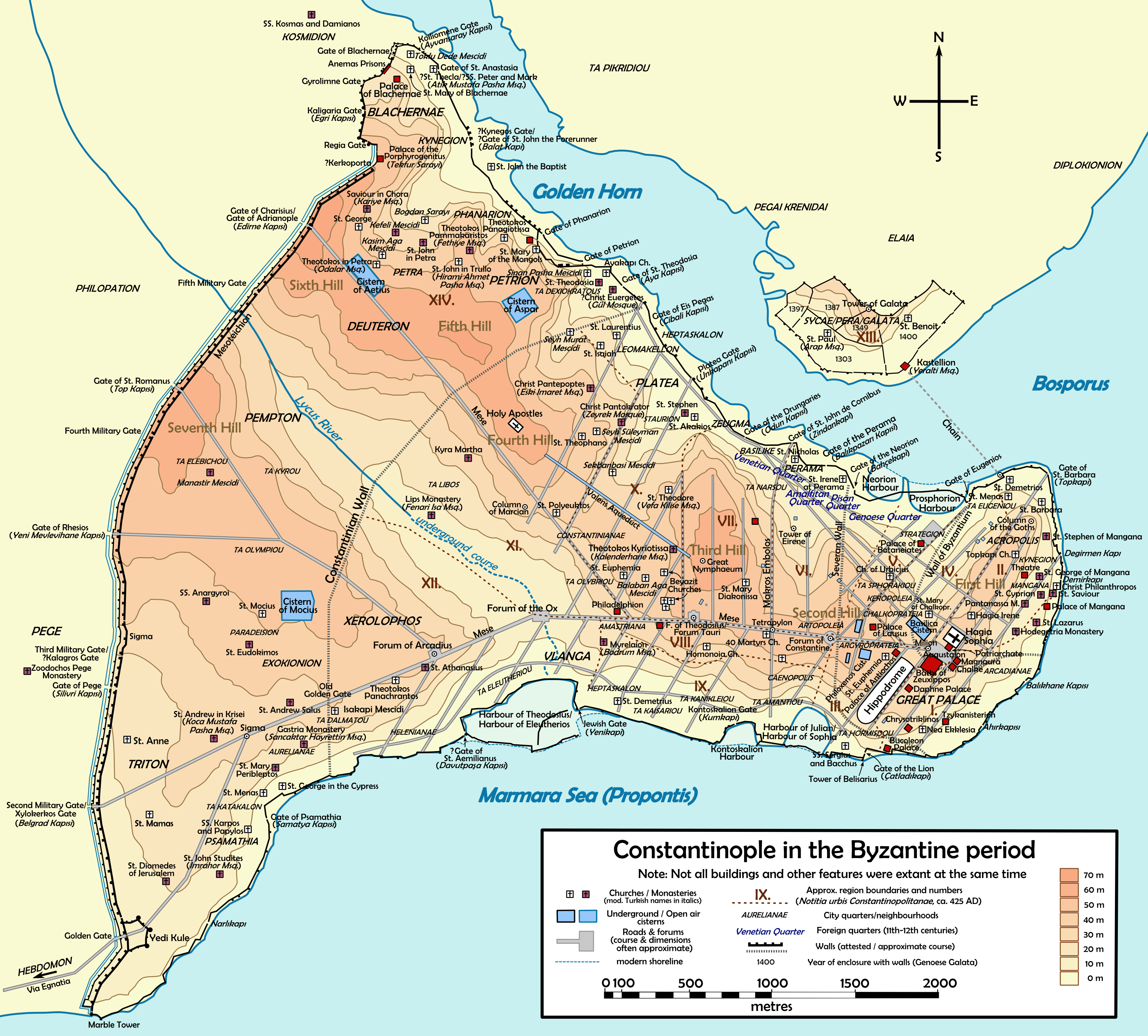
place · 330 CETo understand the history of power in the medieval world, one must look to the tip of the Thracian peninsula, where a single city commanded the watery threshold between Europe and Asia.
Byzantine Empire
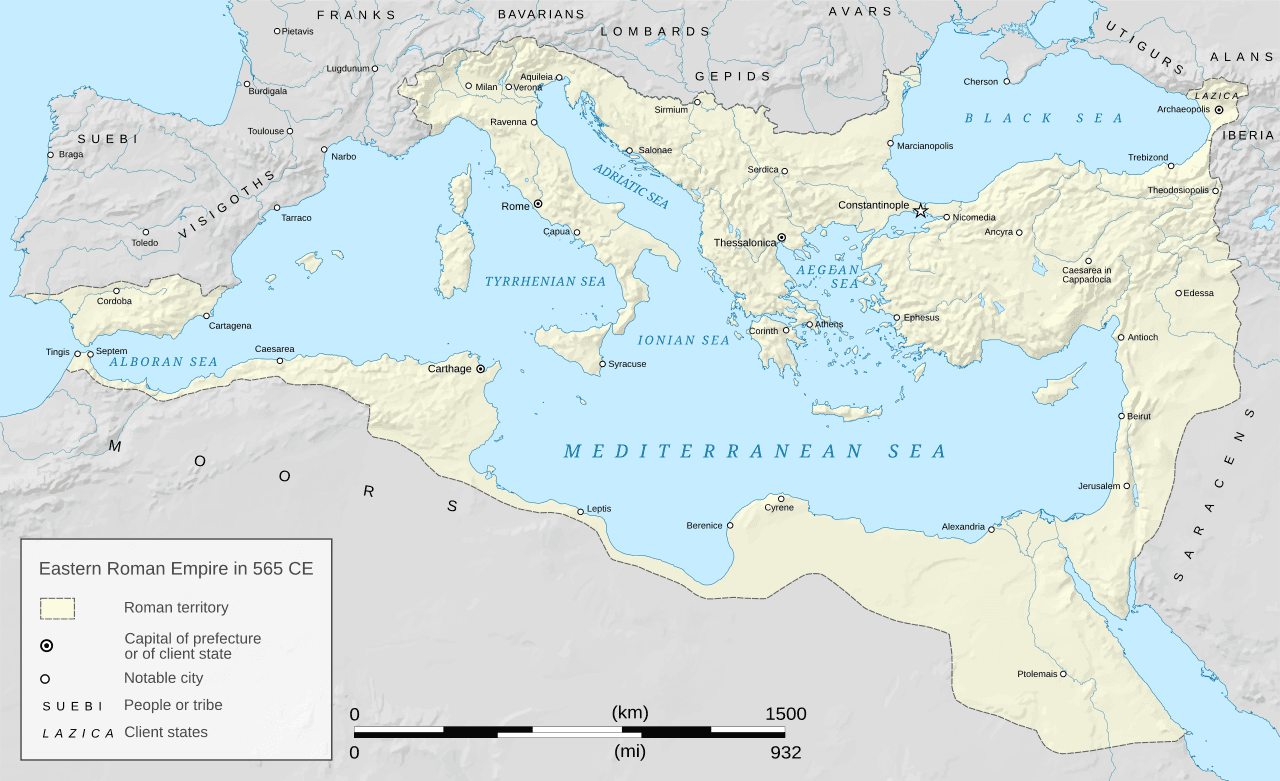
event · 395 CEFor more than a thousand years, the citizens of the state we now call the Byzantine Empire lived and died under the conviction that they were, simply and indisputably, Romans.
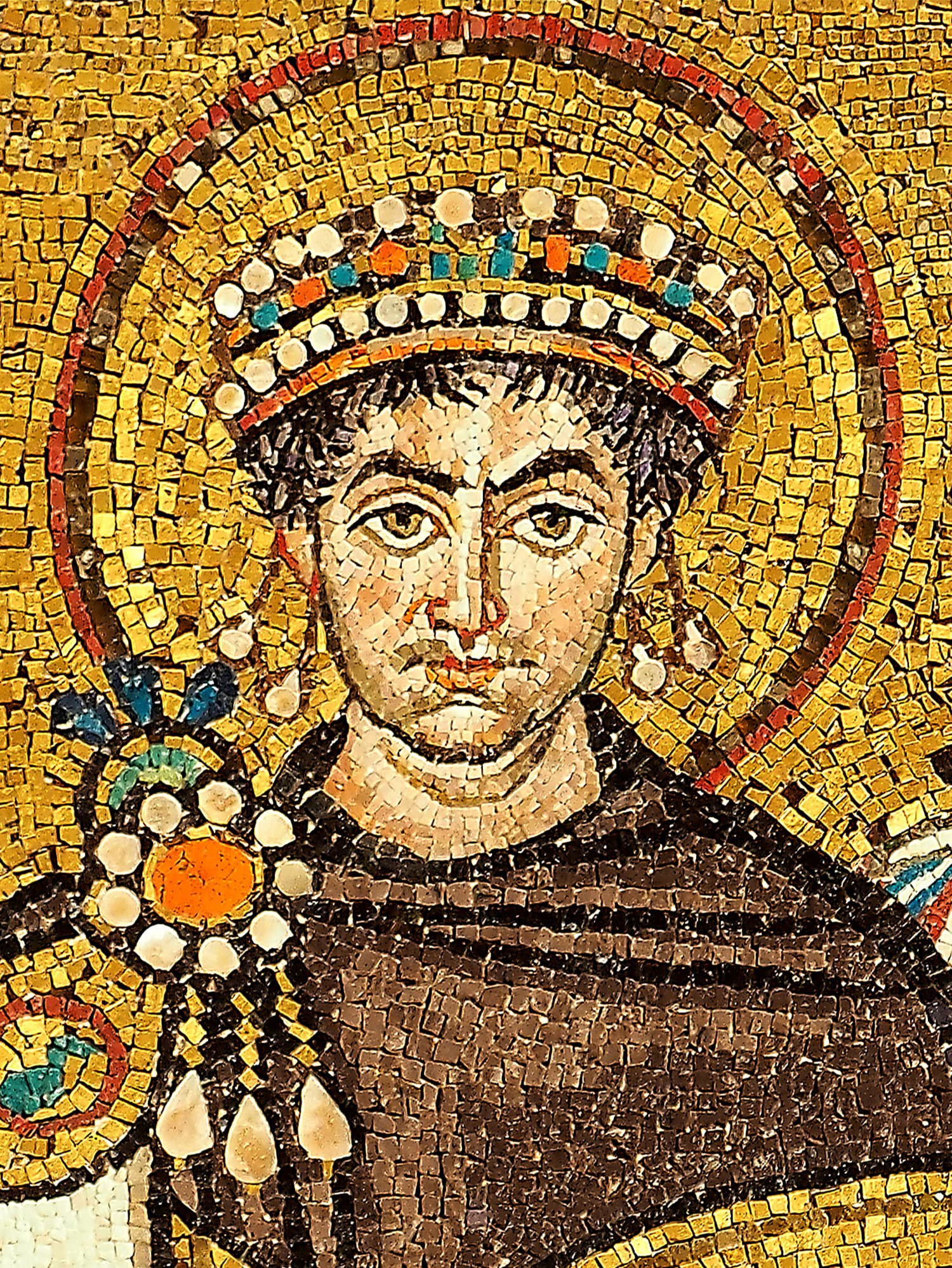
Justinian I
person · 482 CEThe dream of a restored Roman Empire found its ultimate champion in a Latin-speaking peasant from Tauresium.
Medieval
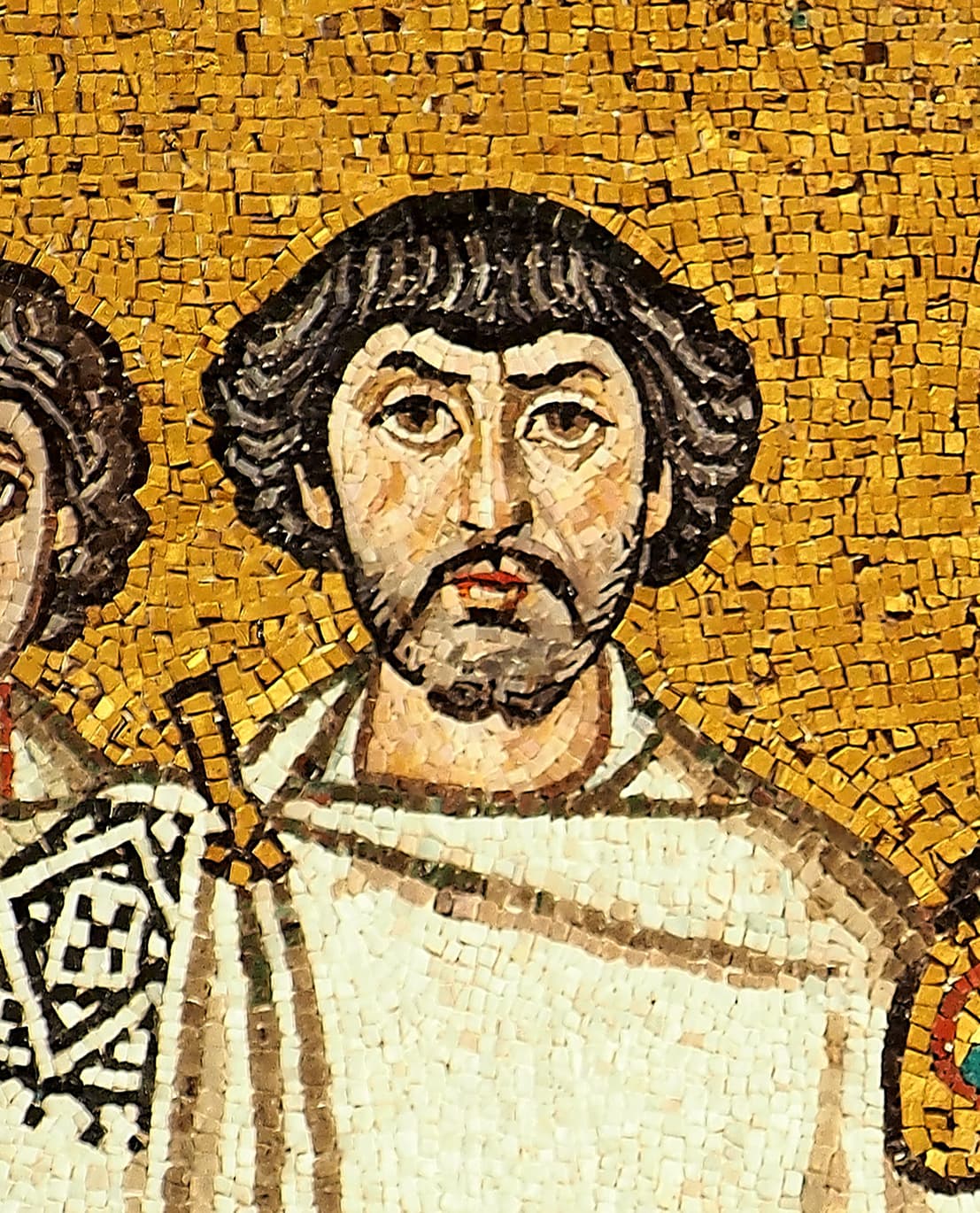
Belisarius
person · 505 CETo rebuild an empire on the cheap requires a commander who can conquer with illusions as effectively as with steel.
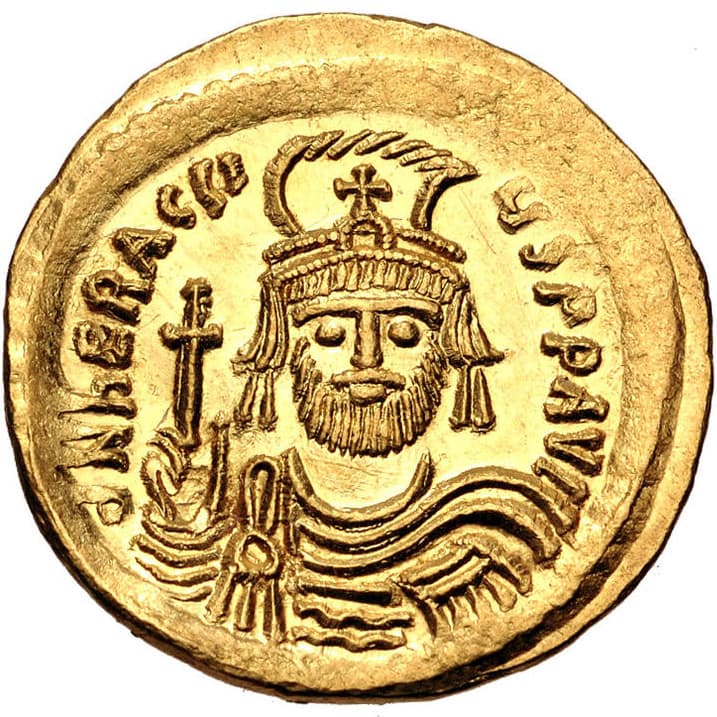
Heraclius
person · 575 CEThe throne that Heraclius seized in 610 CE, after leading a rebellion from North Africa with his father against the emperor Phocas, was already sliding toward ruin.
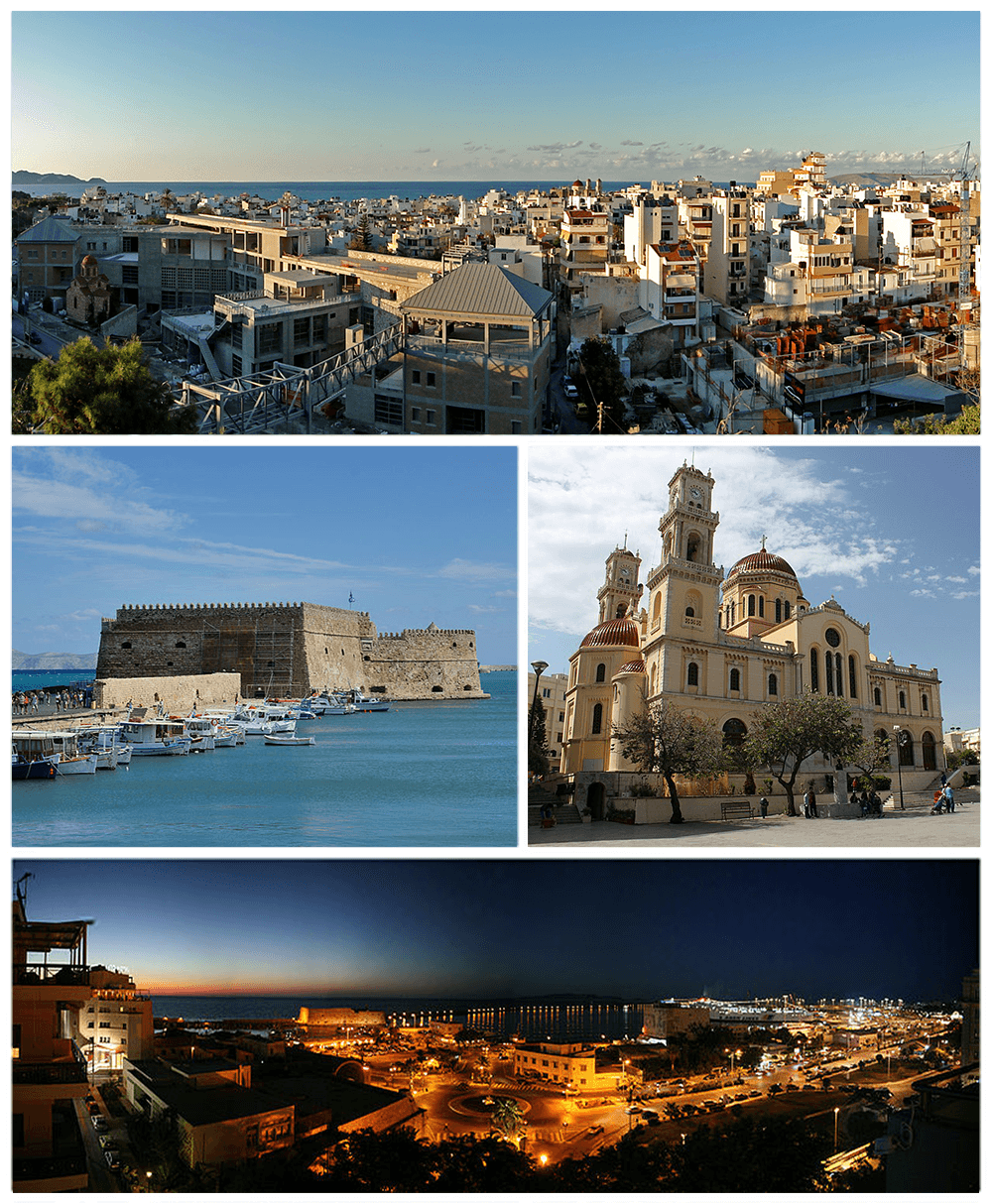
Heraklion
place · 824 CEBefore it became the modern administrative capital of Crete, the ground beneath Heraklion was already ancient.