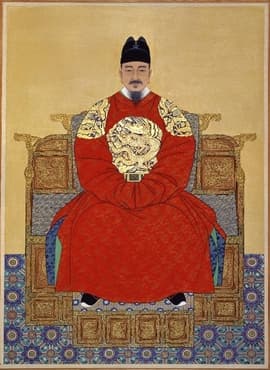
Civilization · 57 BCE – 1894 CE · 12 entries
Korean Kingdoms
Classical
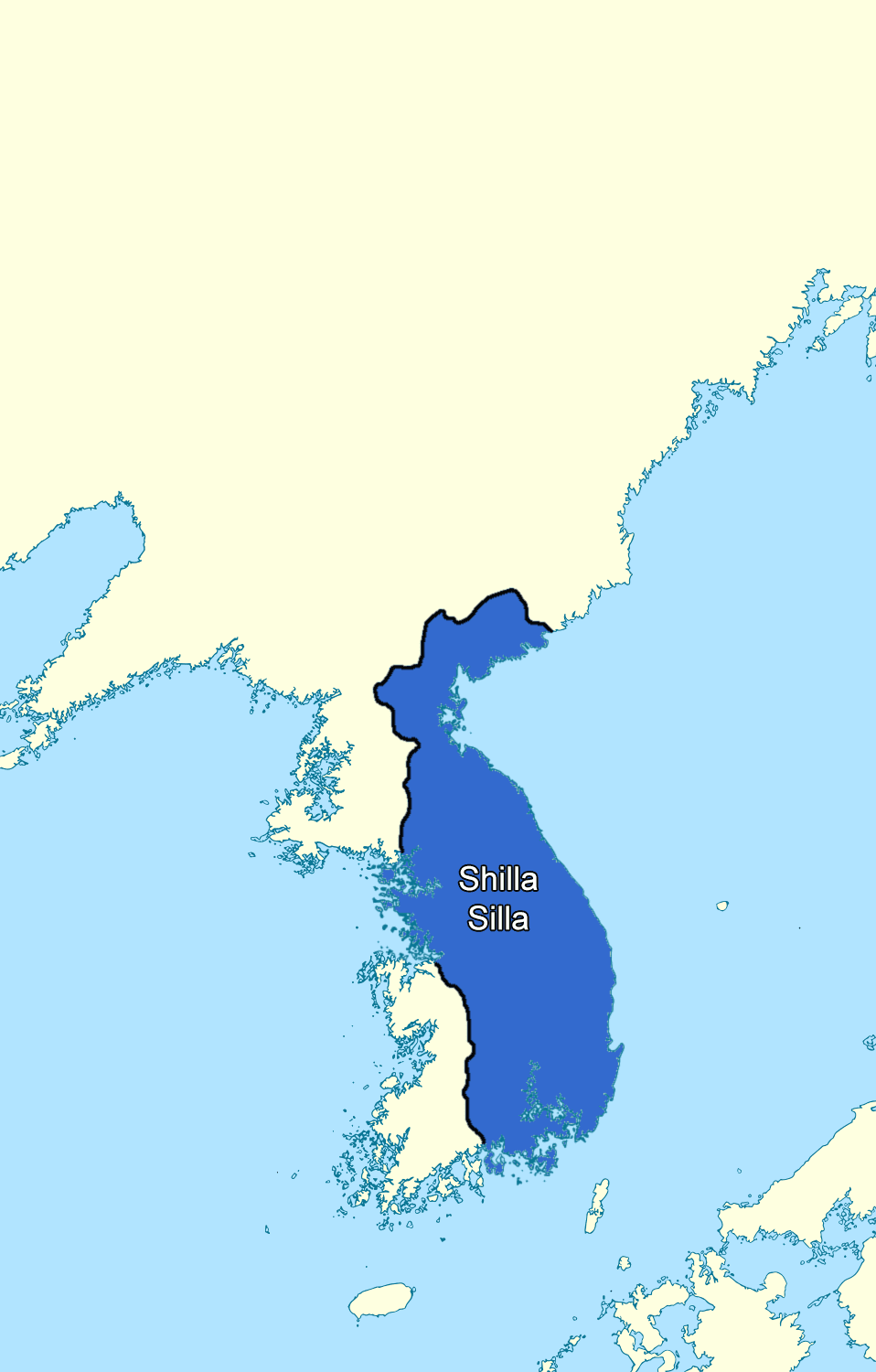
Silla
event · 57 BCEFor centuries, the small state of Silla on the southern and central Korean peninsula was considered the weakest and least developed of its neighbors.
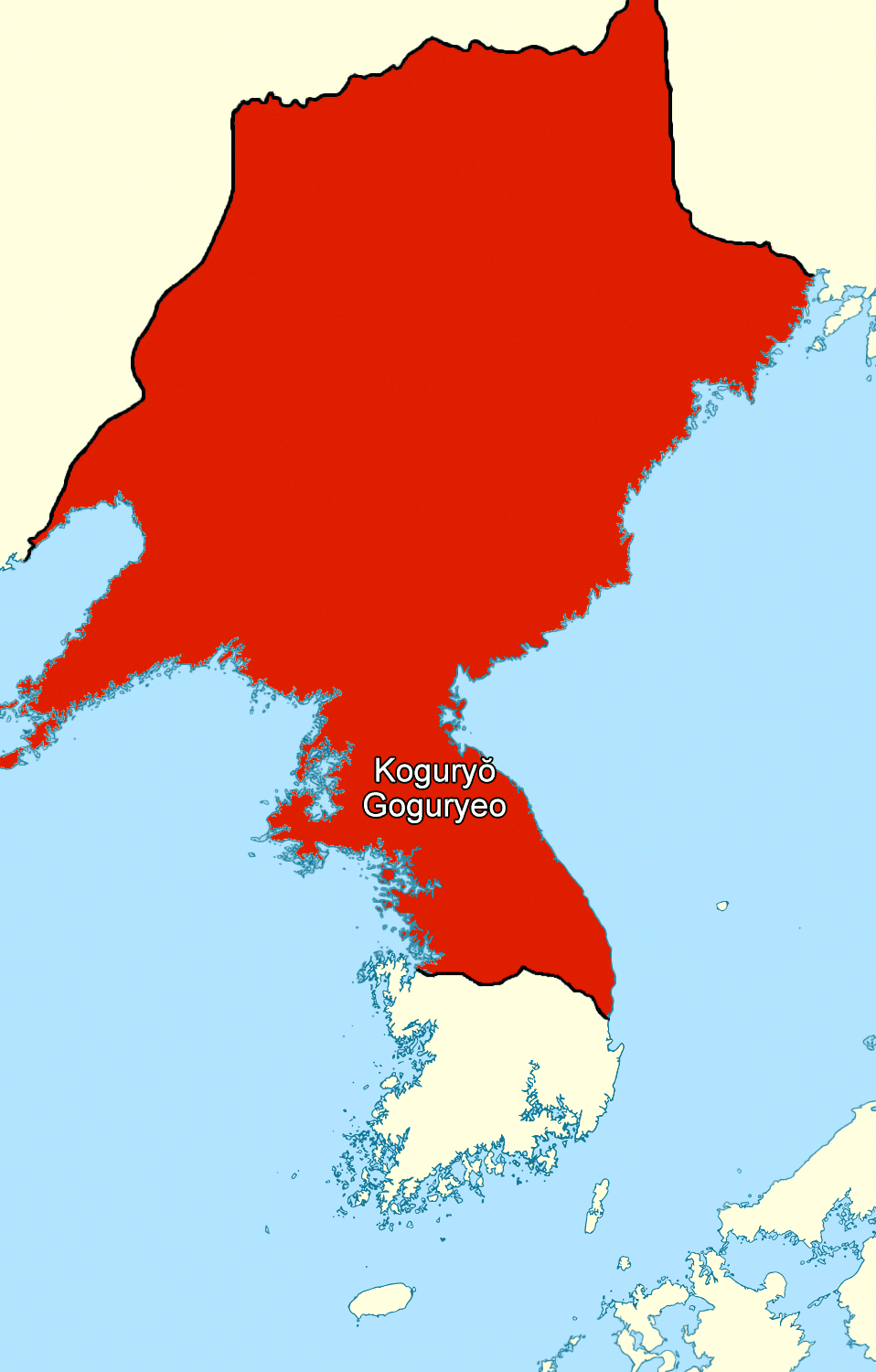
Goguryeo
event · 37 BCEHigh upon the northern reaches of the Korean peninsula and stretching across the vast, forested expanses of Manchuria, a power emerged that would define the geopolitics of East Asia for over seven centuries.
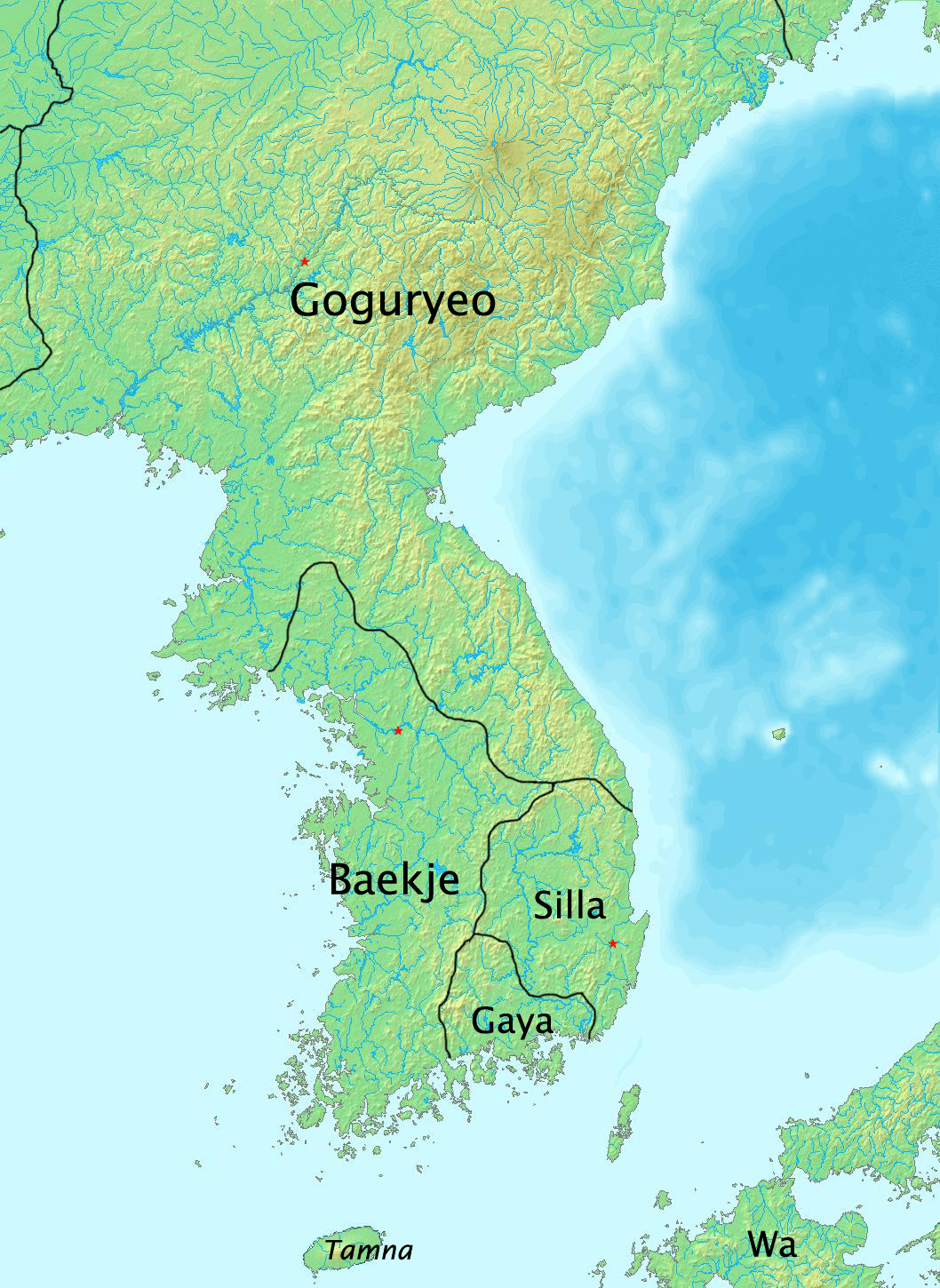
Baekje
event · 18 BCEIn 18 BCE, a queen named Soseono left the northern kingdom of Goguryeo, taking her sons Biryu and Onjo south to the Han River basin to carve out a new destiny.
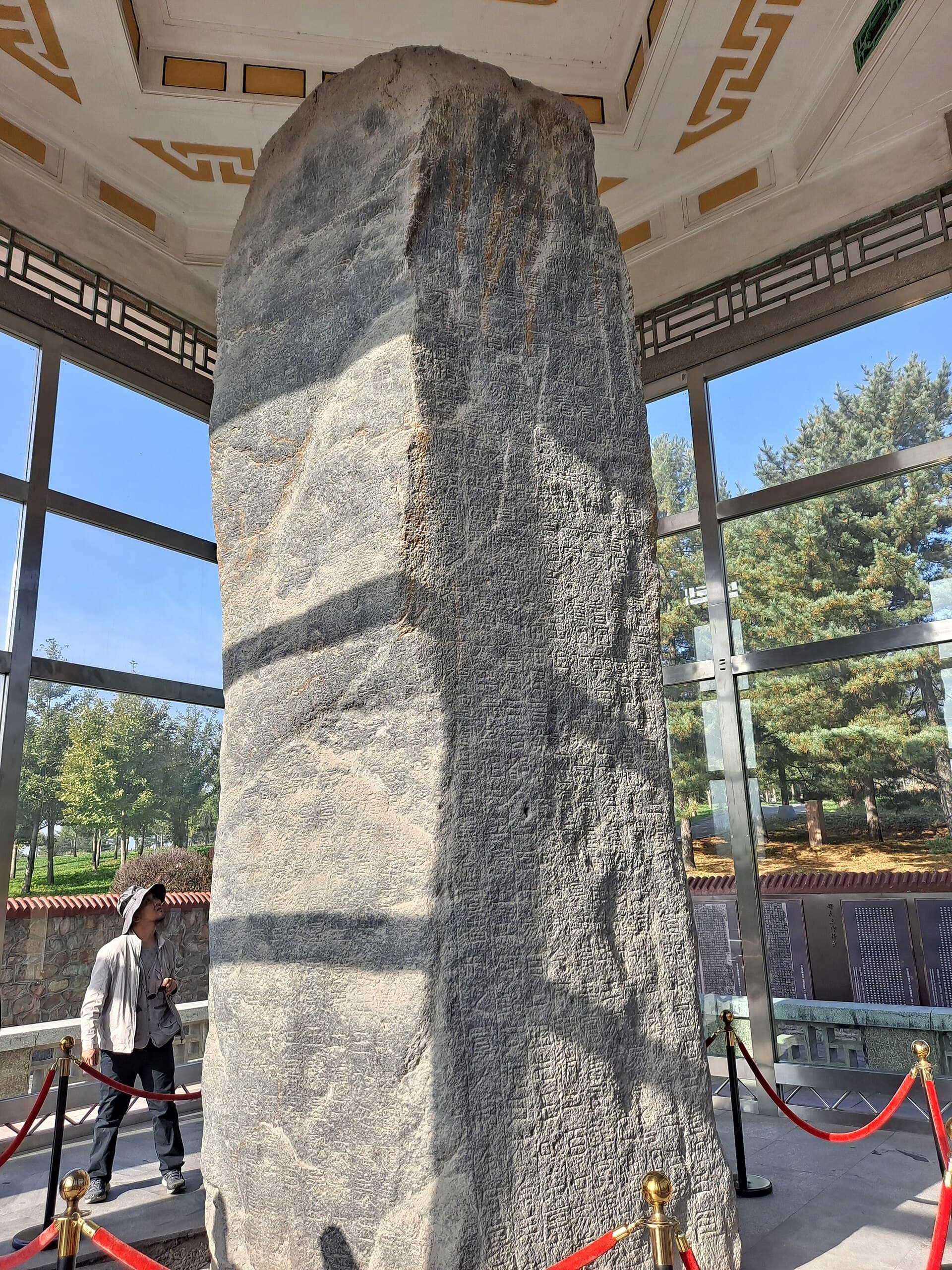
Gwanggaeto the Great
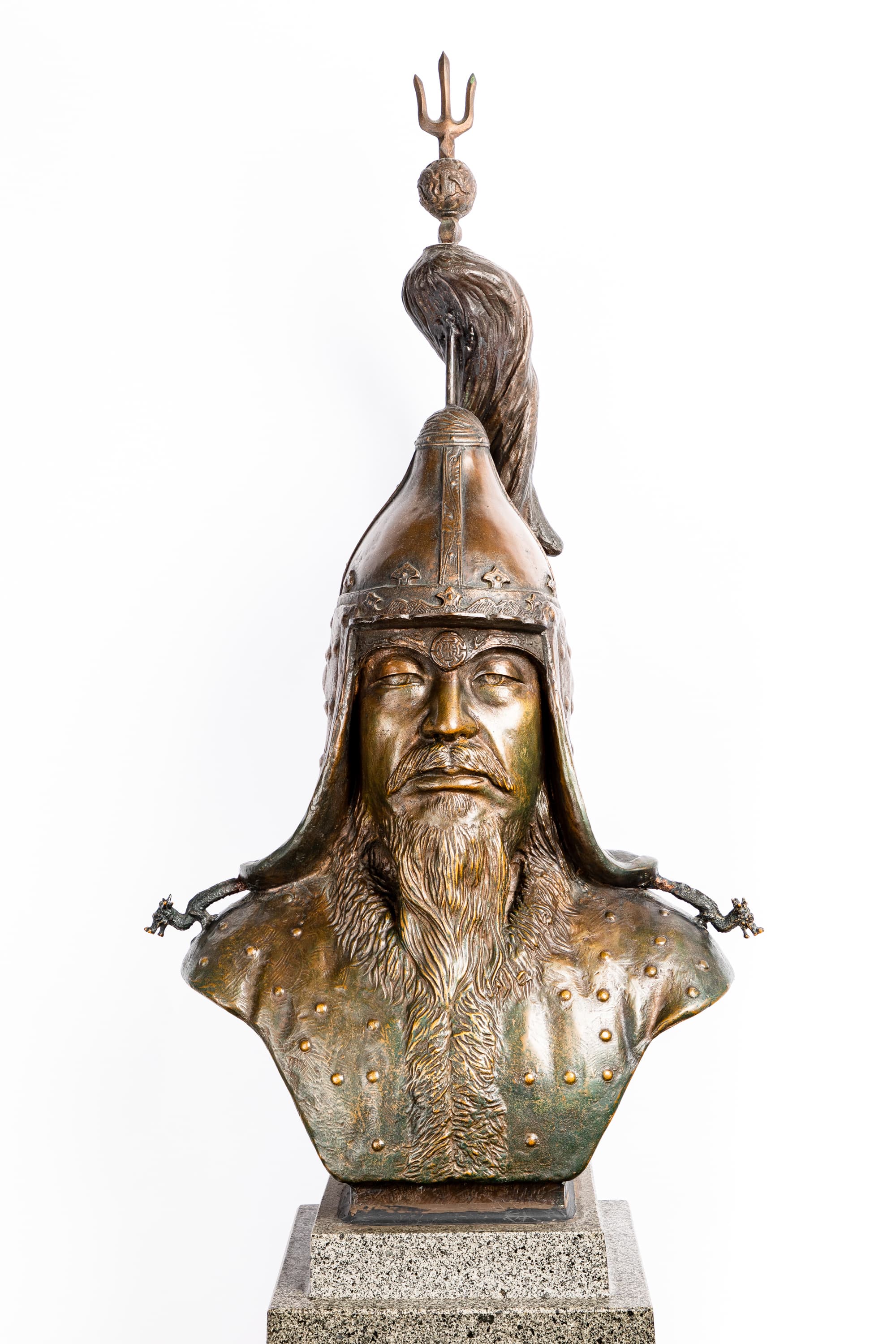
person · 374 CETo understand the scale of what King Gwanggaeto achieved, one must look at the state of Goguryeo when he was born in 374 CE.
Medieval
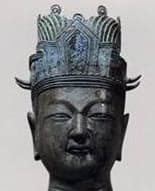
Taejo of Goryeo
person · 877 CEThe rise of Wang Kŏn to the throne of Korea began not with royal blood, but with the salt air and mercantile wealth of the peninsula's northwestern coast.
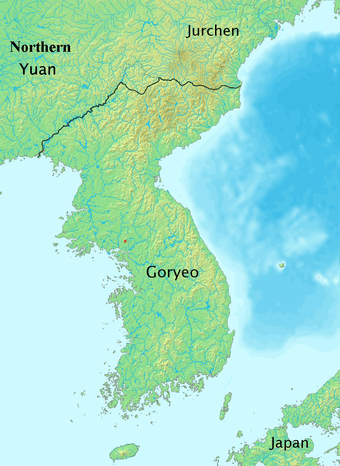
Goryeo
event · 918 CEThe modern name of Korea traces its ancestry back to a state born from chaos in 918 CE.
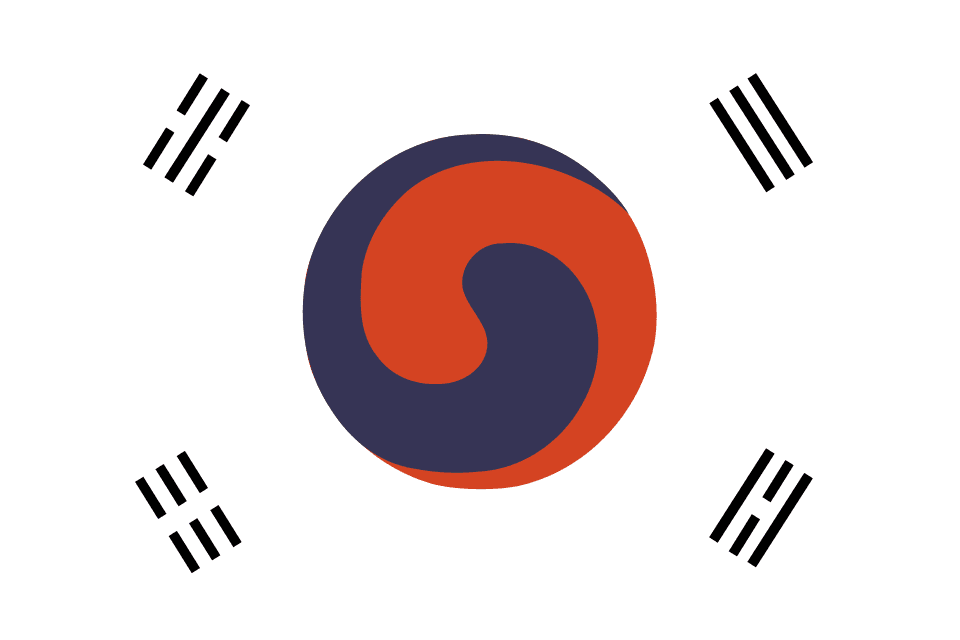
Joseon
event · 1392 CEWhen Goryeo collapsed under the weight of war in 1392, Taejo of Joseon seized power in Kaesong, initiating a dynasty that would shape the Korean peninsula for over five centuries.
Early Modern
Modern
Empress Myeongseong
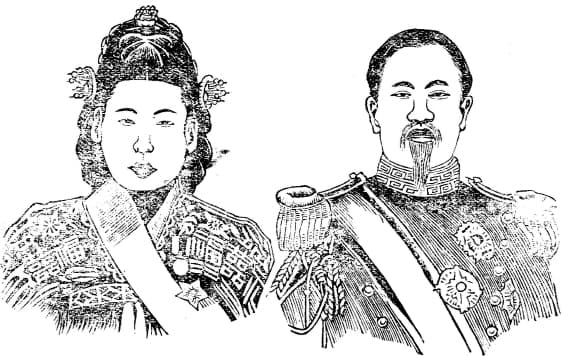
person · 1851 CETo her contemporaries, she was known simply as Queen Min—a woman who, in accordance with the customs of the late Joseon dynasty, was never given a personal name.
Donghak Peasant Revolution
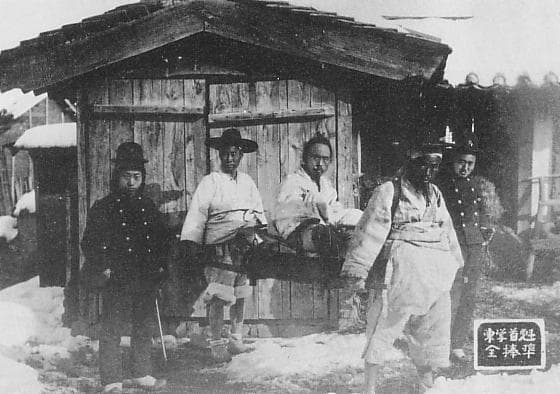
event · 1894 CEThe spark that set Korea ablaze in the final decade of the nineteenth century began not with a foreign invasion, but with a local tyrant.