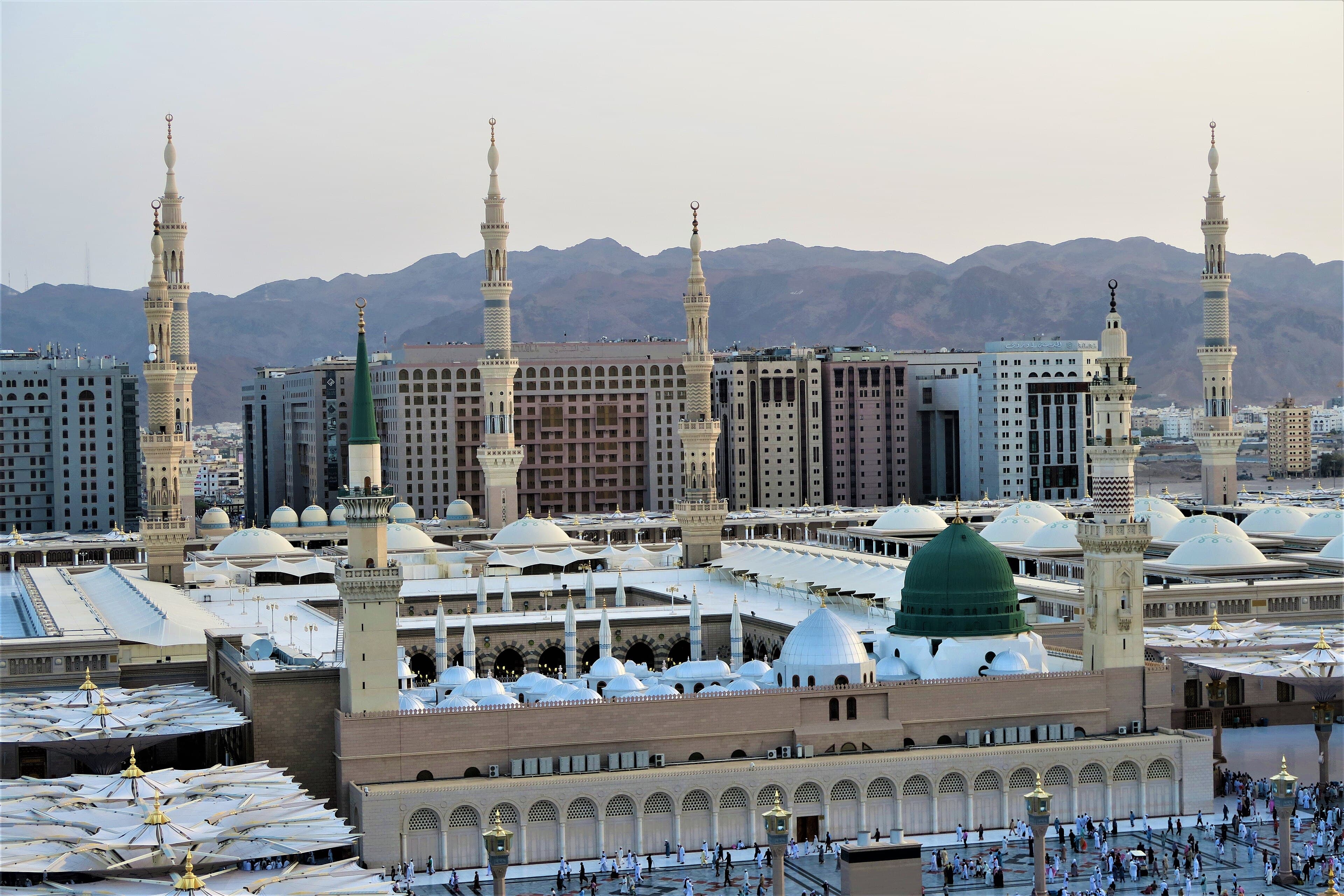
Before it was ever called the City of the Prophet, the oasis in the Hejaz highlands of western Saudi Arabia was known as Yathrib.
In the early seventh century CE, a forty-year-old orphan from the aristocratic Banu Hashim clan of the Quraysh retreated to the isolation of Mount Hira, a cavernous sanctuary where he spent nights in deep contemplation.
The cosmic order of Islam rests upon a single, uncompromising truth: the absolute oneness of God, a principle known as tawhid.
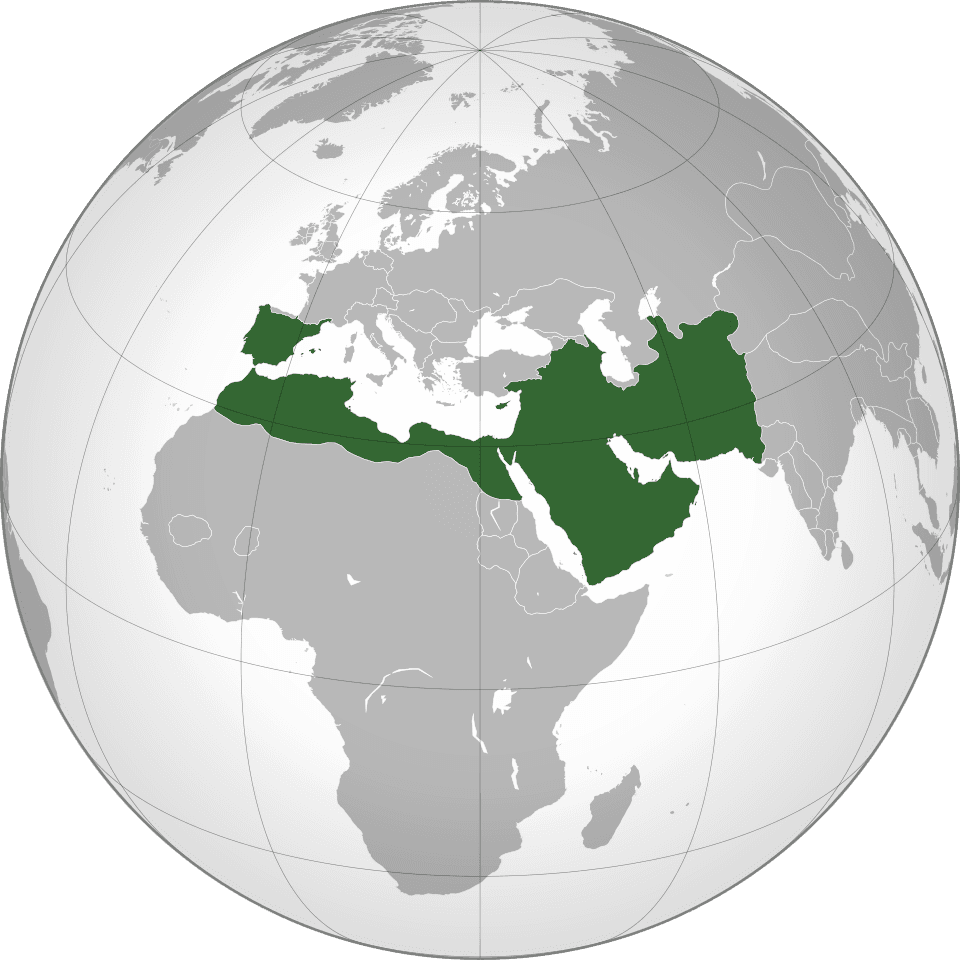
When Mu'awiya ibn Abi Sufyan established hereditary rule in 661 CE, he transformed a young religious movement into a sprawling global empire.
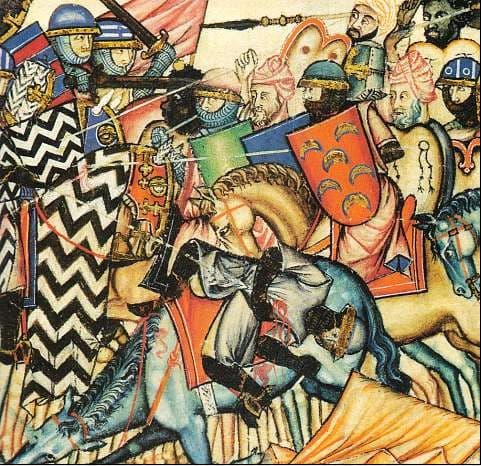
For nearly eight hundred years, the Iberian Peninsula was defined by a shifting, fragmented frontier where military ambition and religious identity collided.
In 750 CE, a revolutionary wave swept out of the eastern region of Khurasan, far from the Levantine center of Umayyad power, to install a new dynasty descended from the uncle of Muhammad, Abbas ibn Abd al-Muttalib.
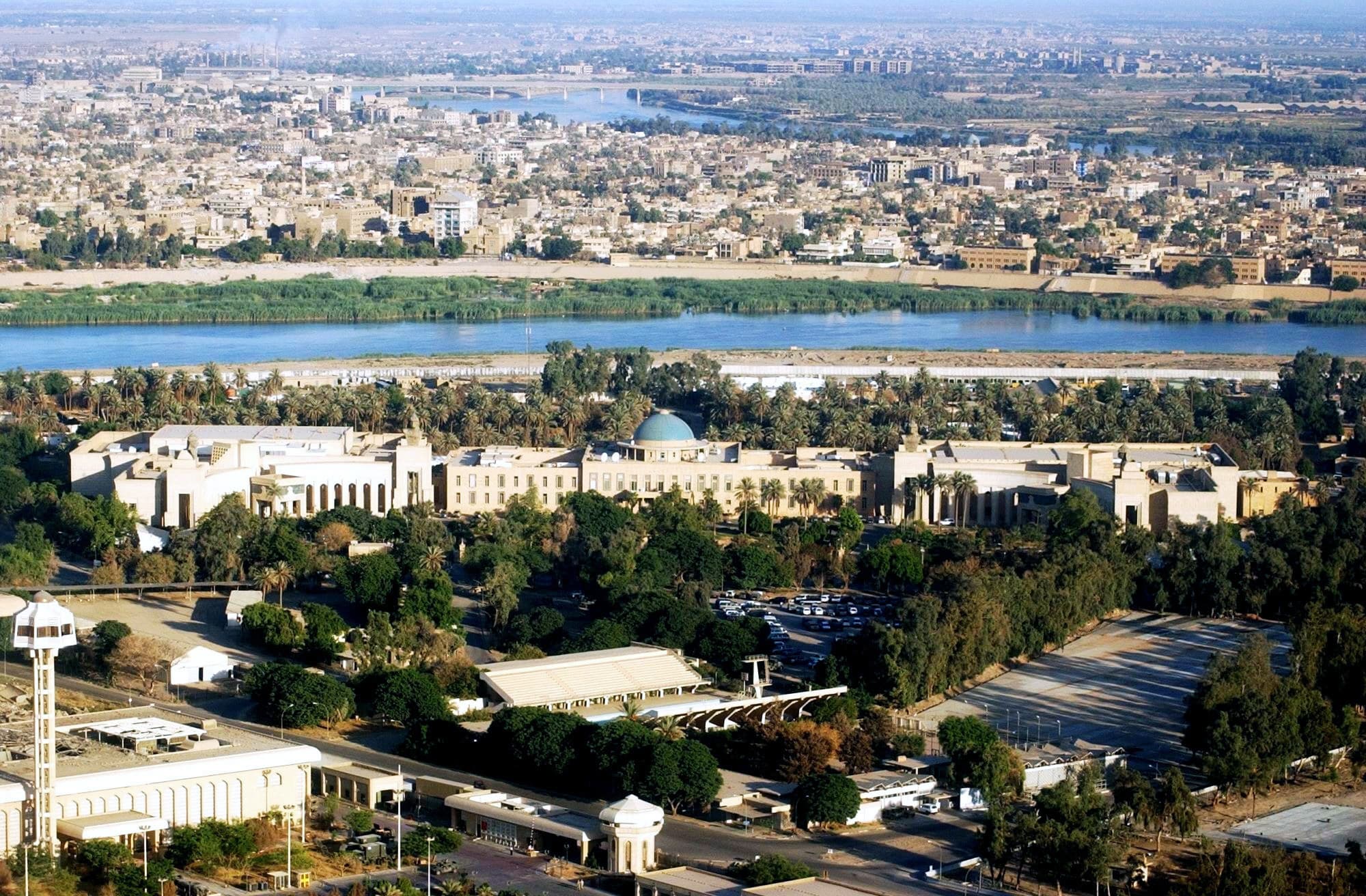
When the Abbasid caliph Al-Mansur founded a new capital on the banks of the Tigris in 762 CE, he chose a site with roots stretching back to the Neo-Babylonian period.
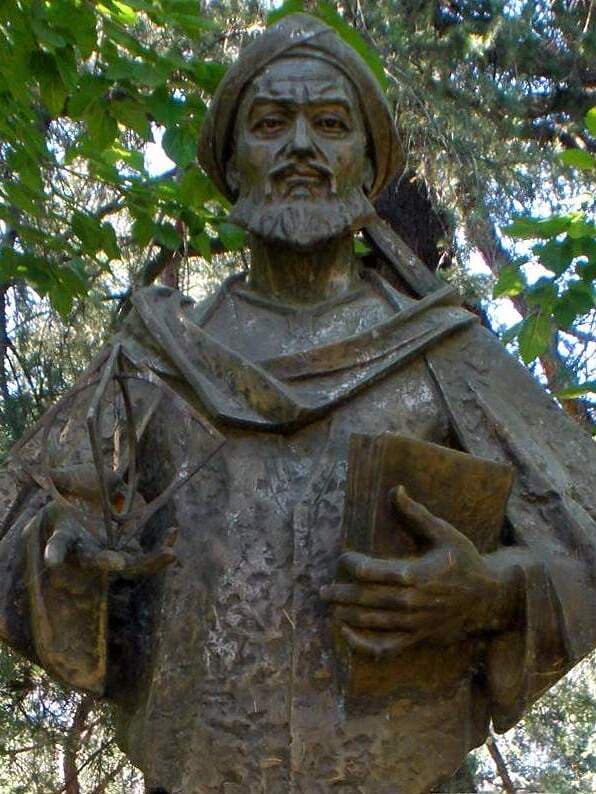
Every time a modern computer runs an algorithm, it pays silent tribute to Muḥammad ibn Musa al-Khwarizmi, a ninth-century scholar whose Latinized name gave the instruction set its title.
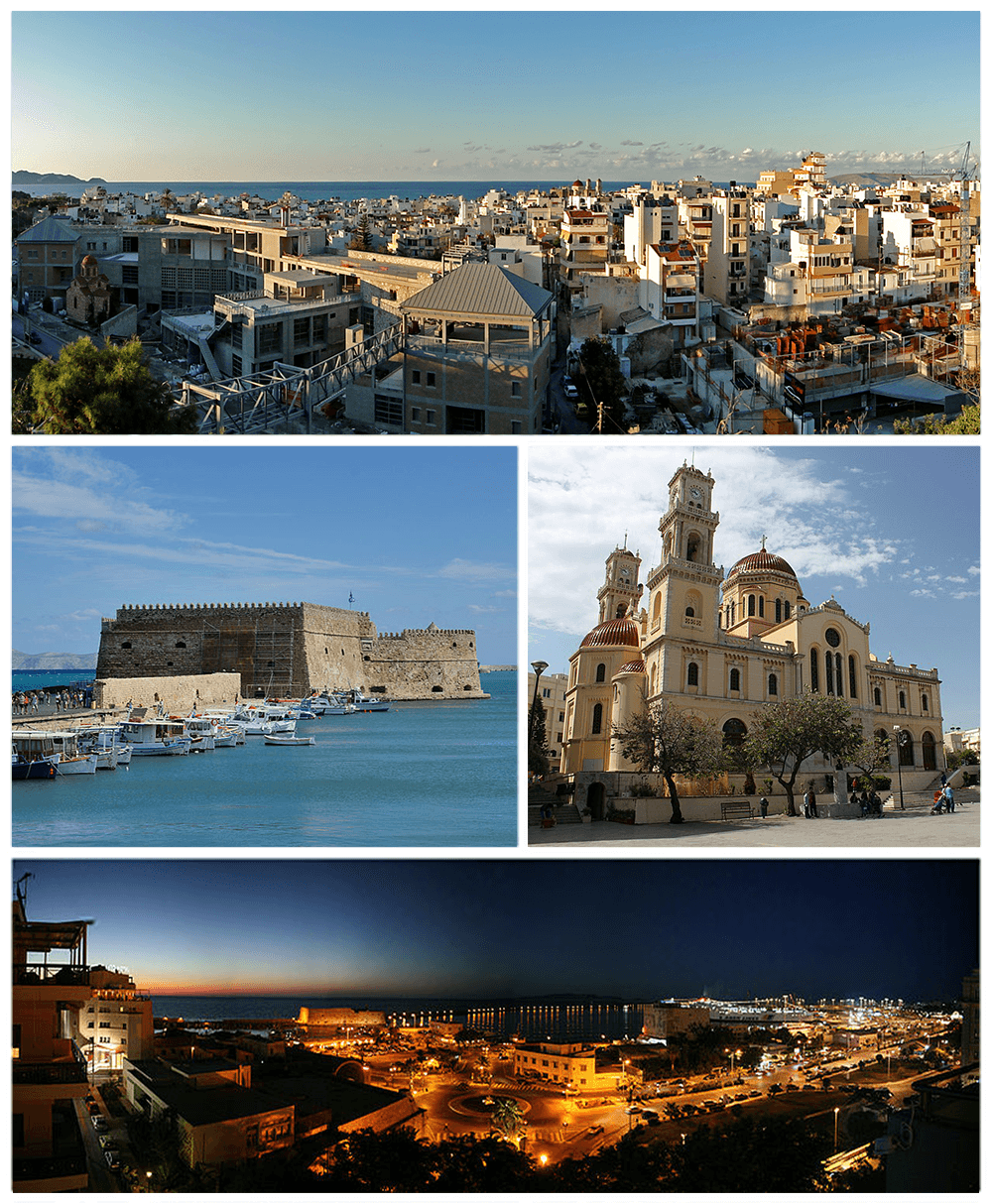
Before it became the modern administrative capital of Crete, the ground beneath Heraklion was already ancient.
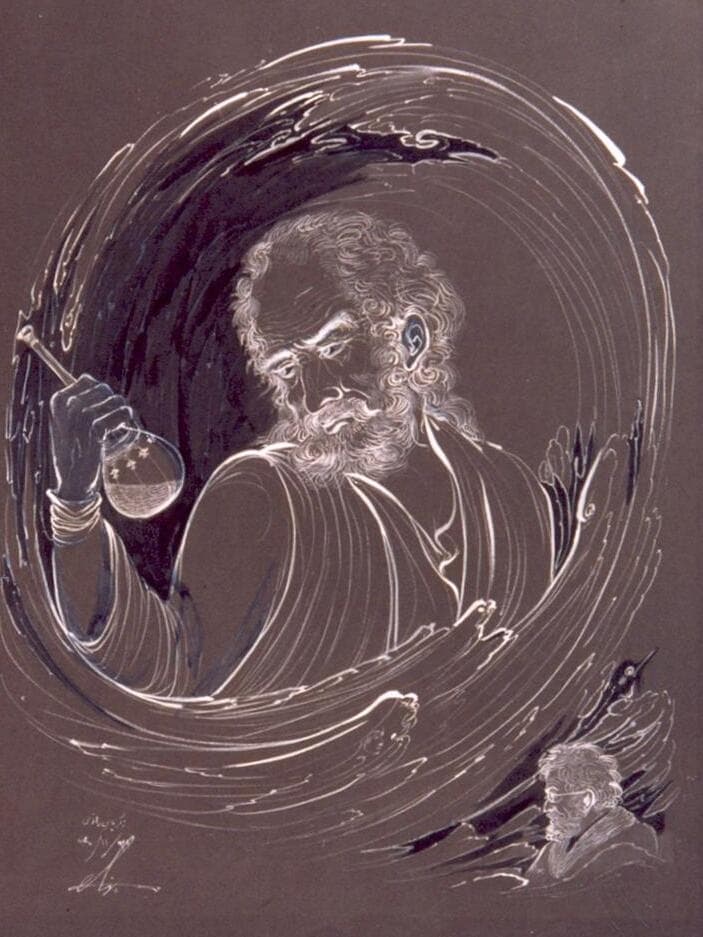
To walk through the wards of the great hospitals of Baghdad and Ray in the late ninth century was to encounter a physician who refused to see poverty as a barrier to healing.
The rise of the Fatimid Caliphate began not in a grand palace, but with the tireless preaching of an Isma'ili Shi'a missionary named Abu Abdallah, who marshaled the Kutama forces of North Africa to overthrow the…
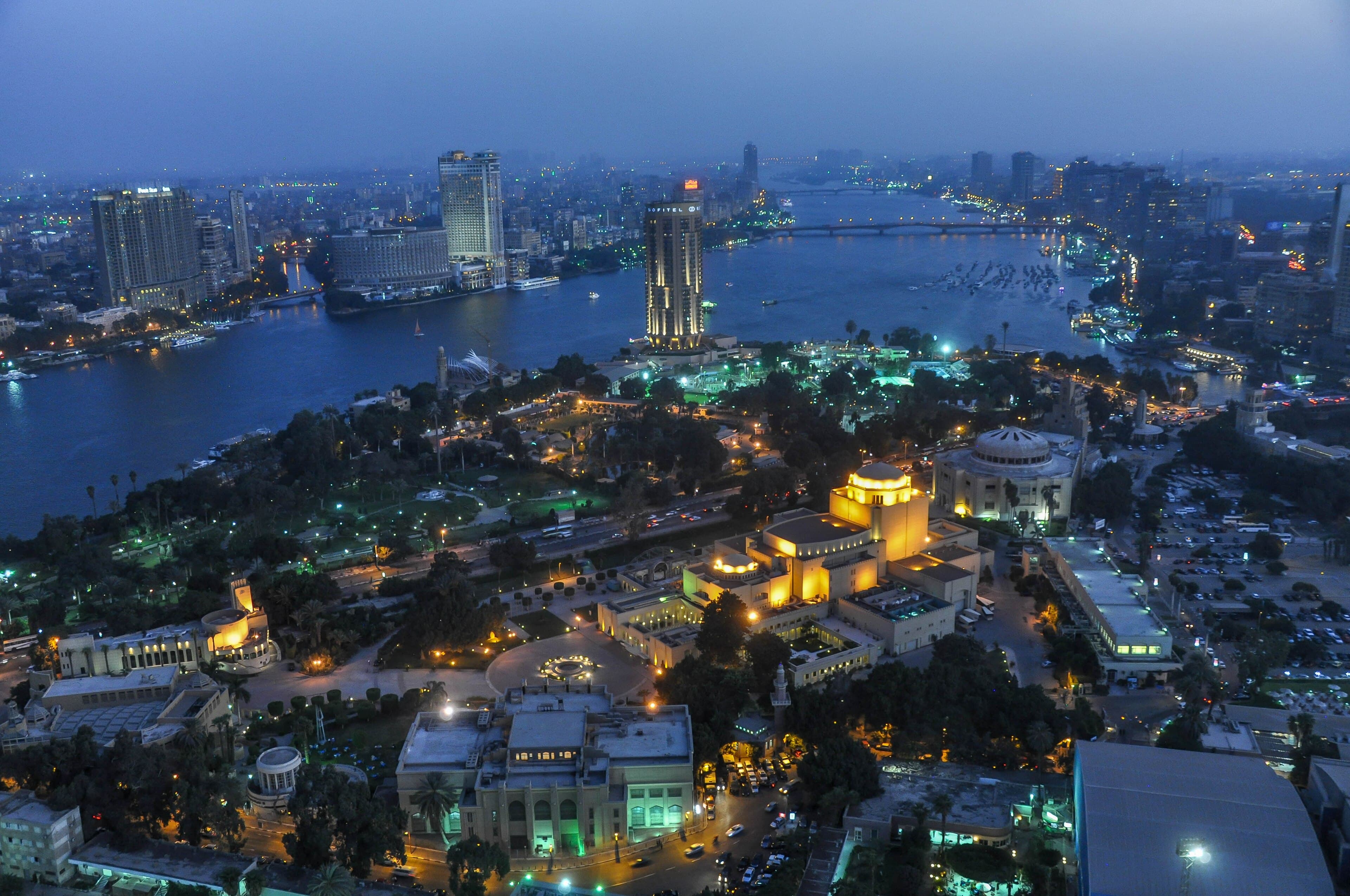
Six thousand years of human habitation anchor the ground where Cairo stands, a landscape where the ancient memories of Memphis, Heliopolis, and the Giza pyramid complex bleed into the fabric of a modern megacity.
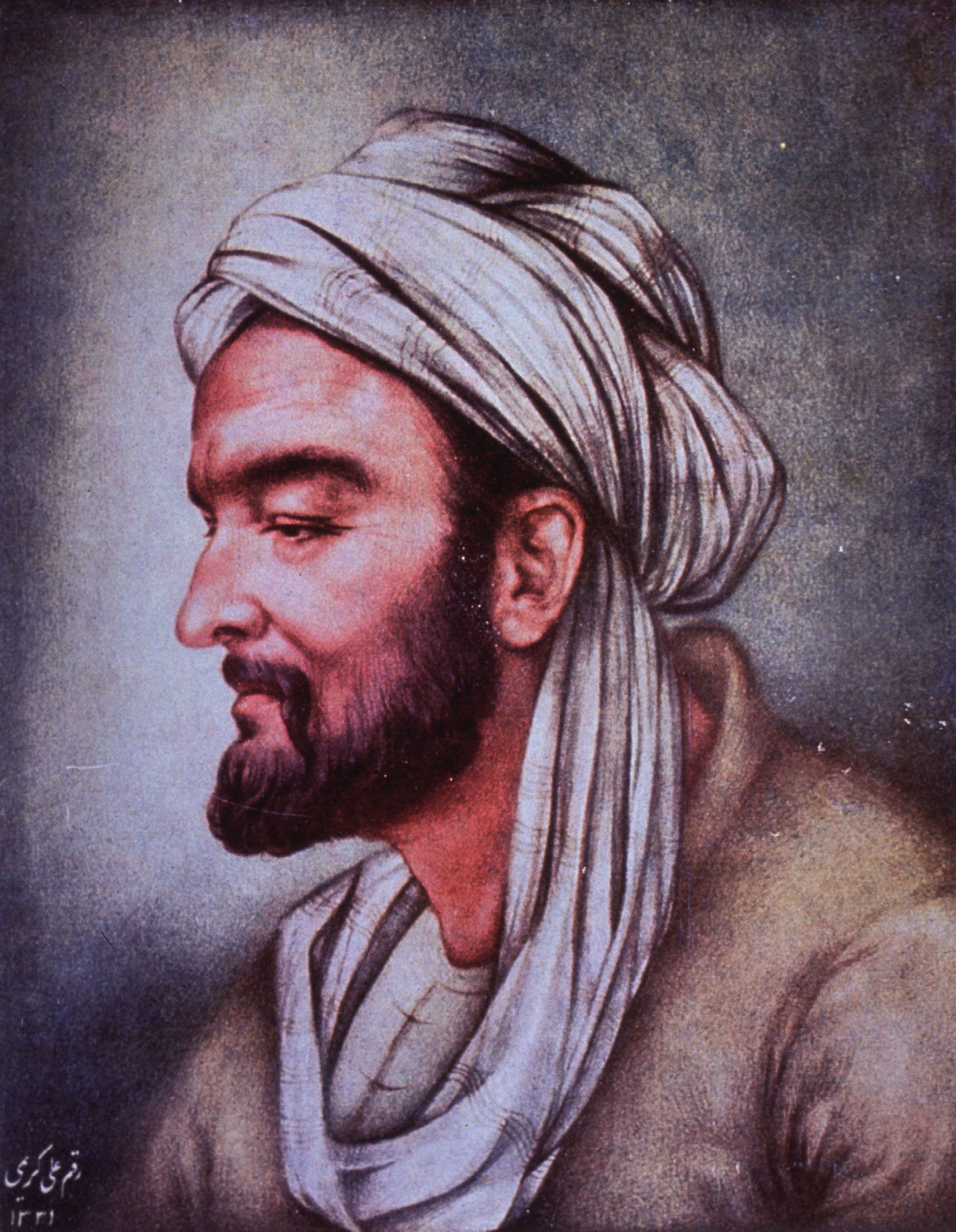
In the thriving intellectual courts of the Samanid and Buyid dynasties, where Bukhara rivaled Baghdad as a cultural capital, Abu Ali al-Husayn bin Abdallah bin al-Hasan bin Ali bin Sina navigated a world of boundless…
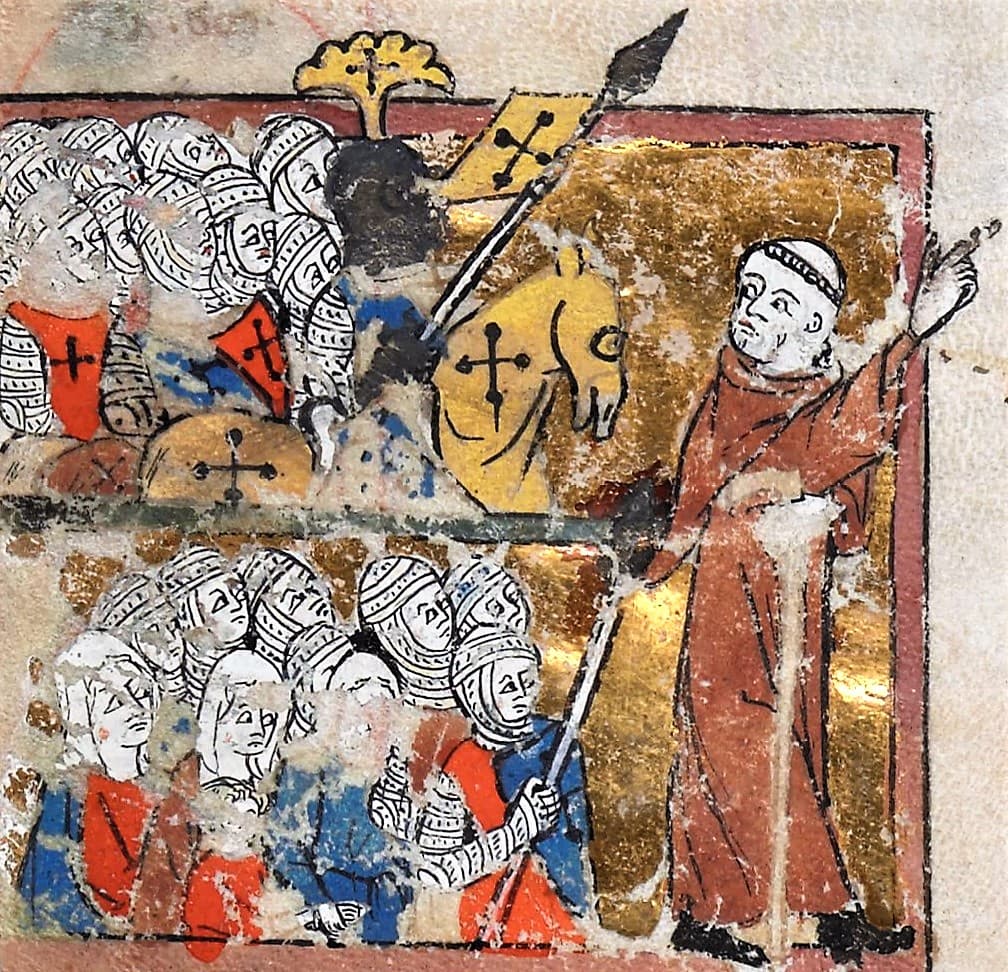
In 1095, an appeal for military aid from the Byzantine emperor Alexios I Komnenos, who was facing the pressure of Seljuk Turks, reached Pope Urban II.
To the medieval Latin West, he was simply The Commentator, the intellectual bridge that spanned the dark chasm left by the fall of Rome.
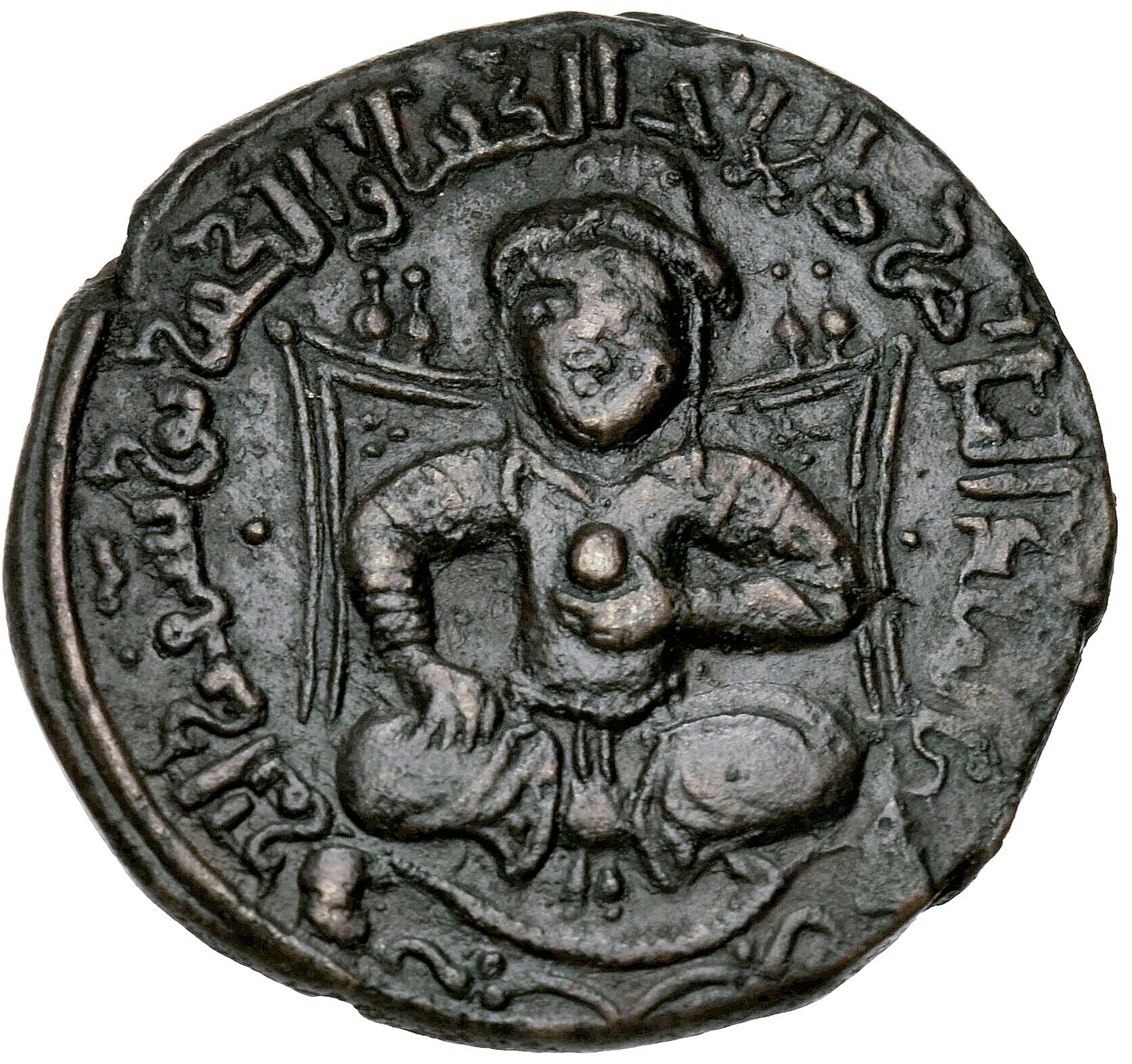
When Salah ad-Din Yusuf ibn Ayyub died in Damascus in 1193 CE, he left behind an empire that spanned Egypt, Syria, Yemen, and Upper Mesopotamia, yet he possessed so little personal wealth that he had given almost all of…
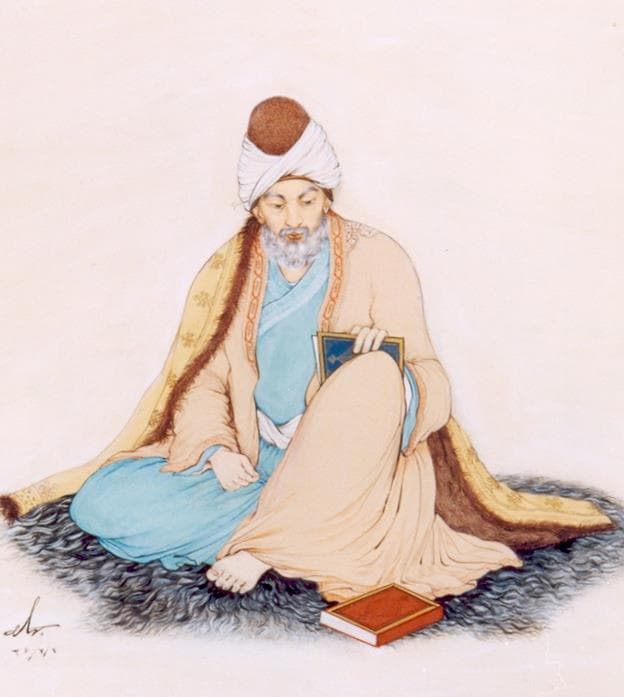
The name by which the world knows him, Rumi, is a geographical accident, a Persian word meaning the Roman, earned because he settled in Konya—a city that had only recently belonged to the Eastern Roman Empire.
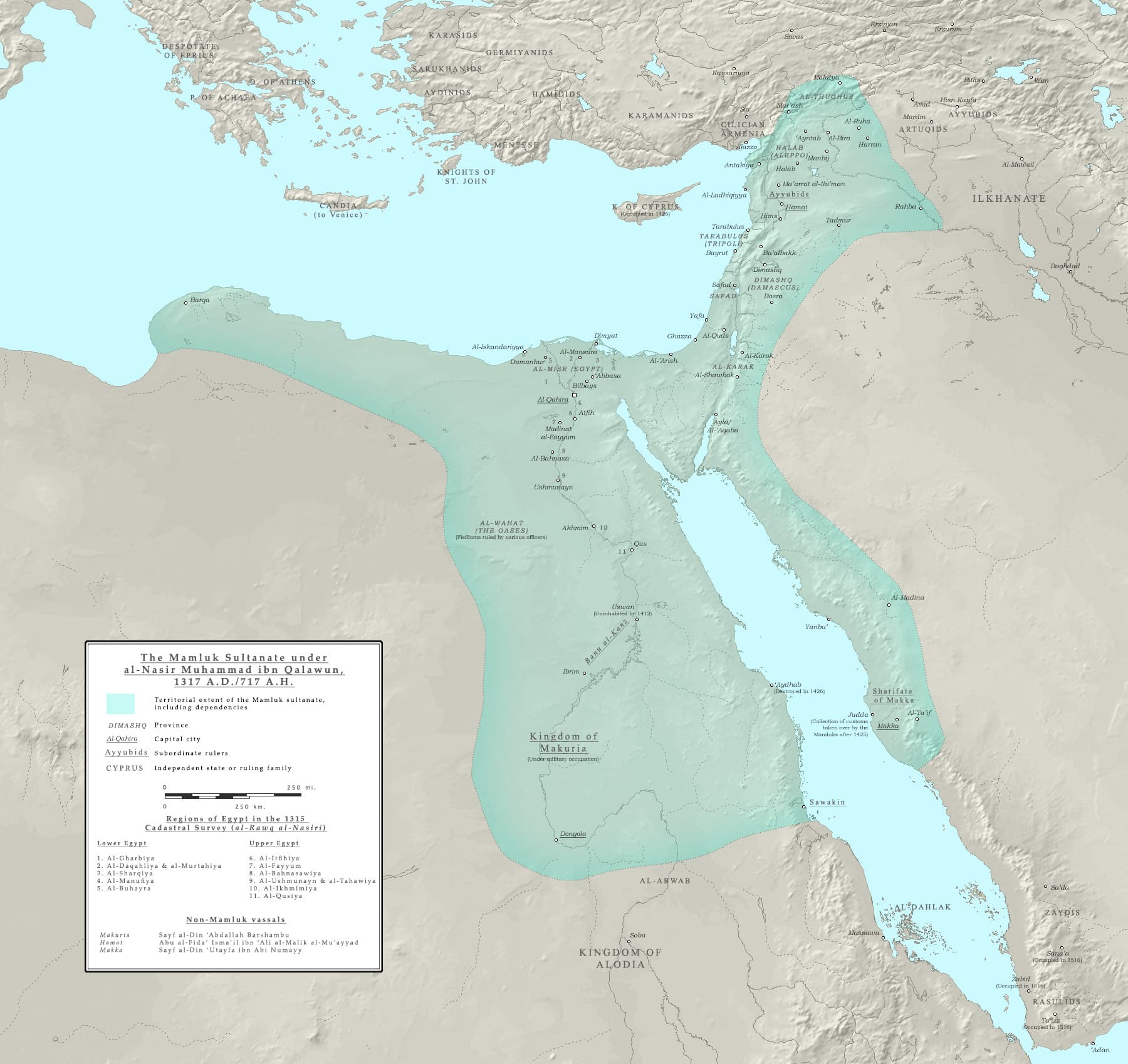
In 1250 CE, a military caste of freed slave soldiers seized control of Egypt, transforming their status from owned men to rulers of an empire.
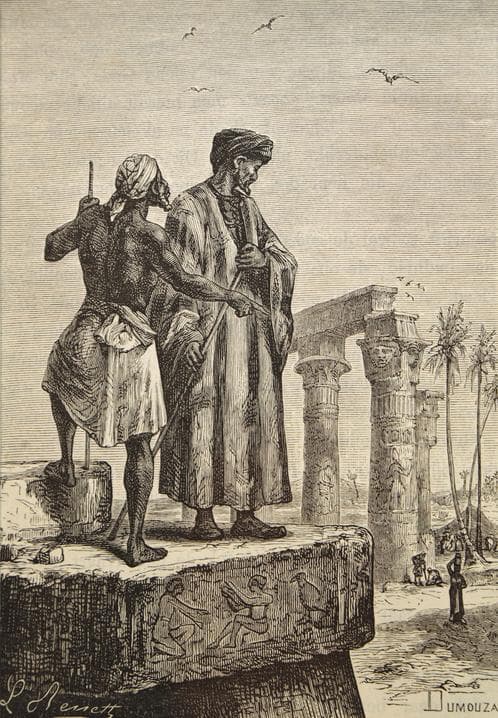
In the summer of 1325, a twenty-one-year-old law student named Abu Abdullah Muhammad ibn Battuta walked out of his family home in Tangier, driven by what he called an overmastering impulse to see the sacred sanctuaries…
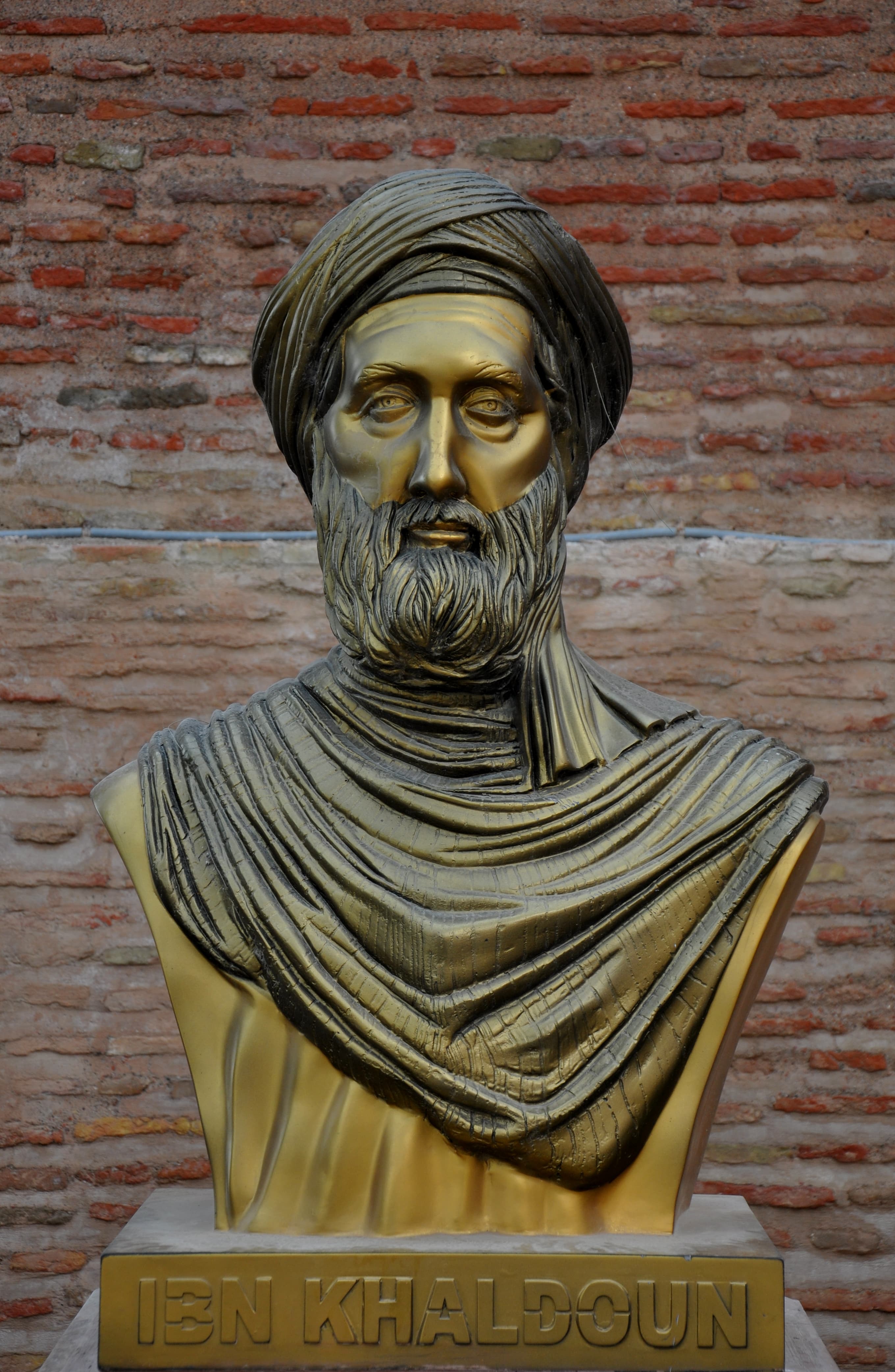
In the mid-fourteenth century, the Black Death swept through Tunis, claiming the parents and teachers of a young nobleman named Abū Zayd 'Abdu r-Rahman bin Muhammad bin Khaldūn Al-Hadrami.