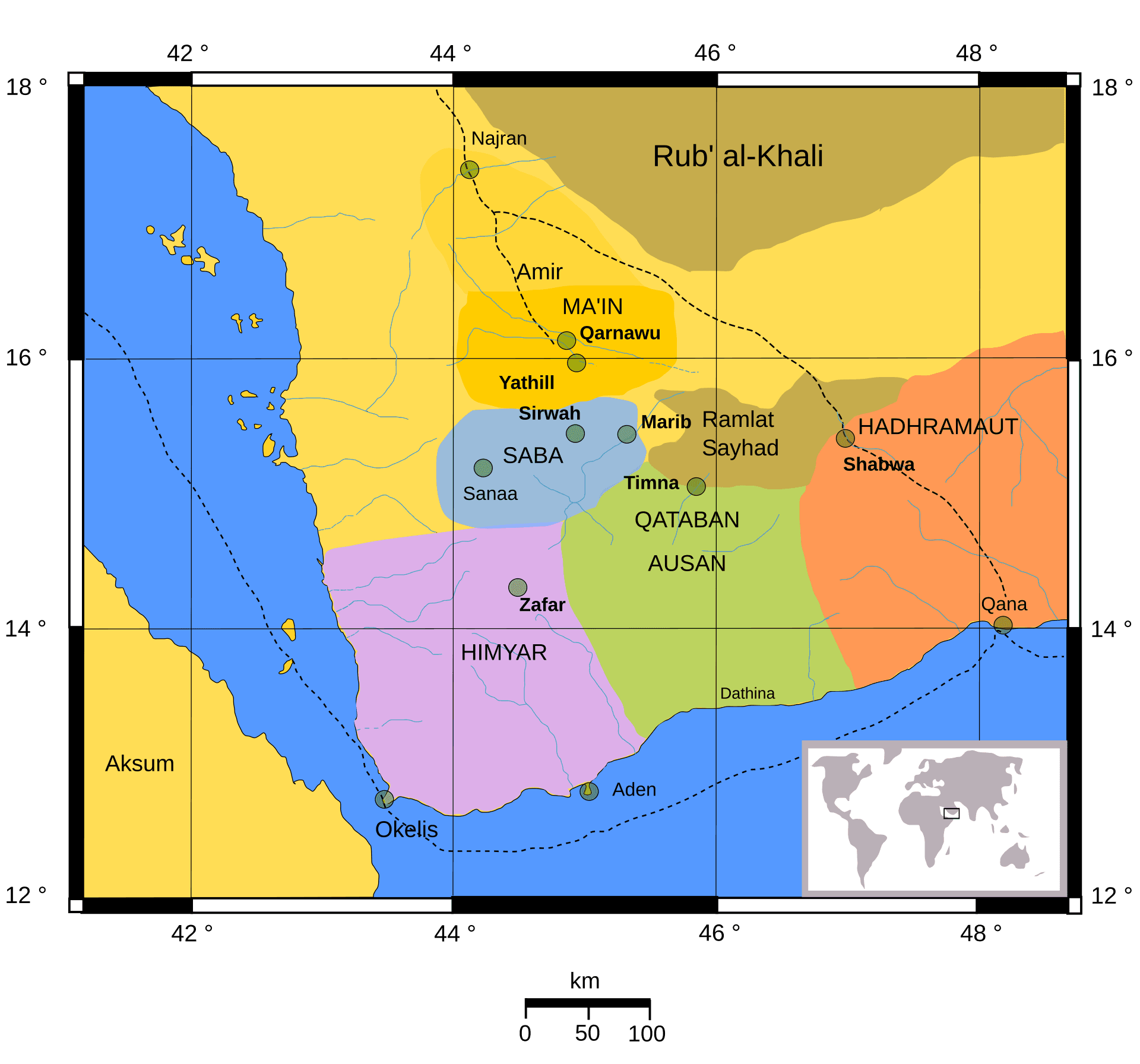
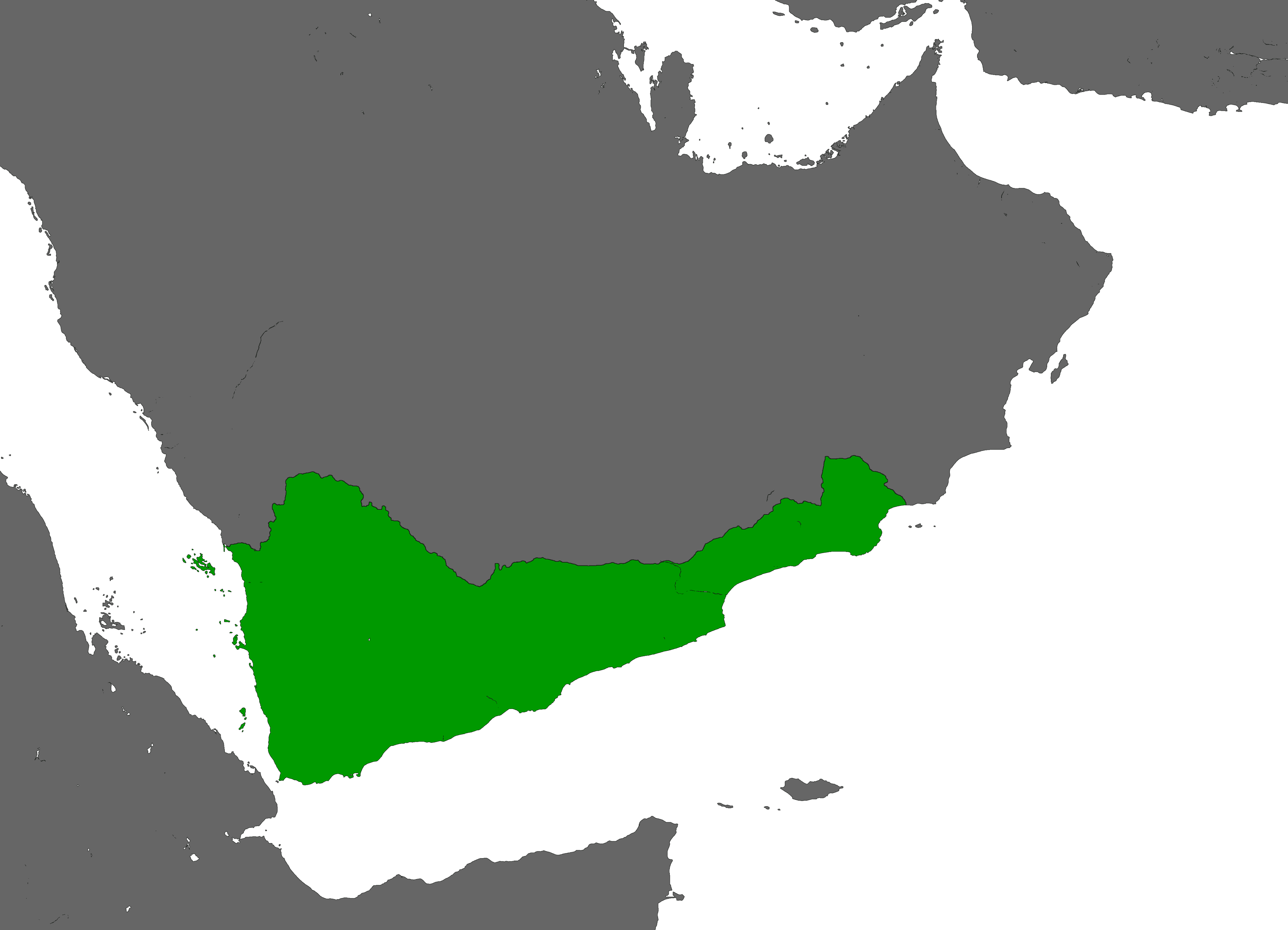
Long before the rise of modern states, a kingdom of merchants and builders flourished in the arid southern reaches of the Arabian Peninsula, its wealth carried across the ancient world on the scent of frankincense and…
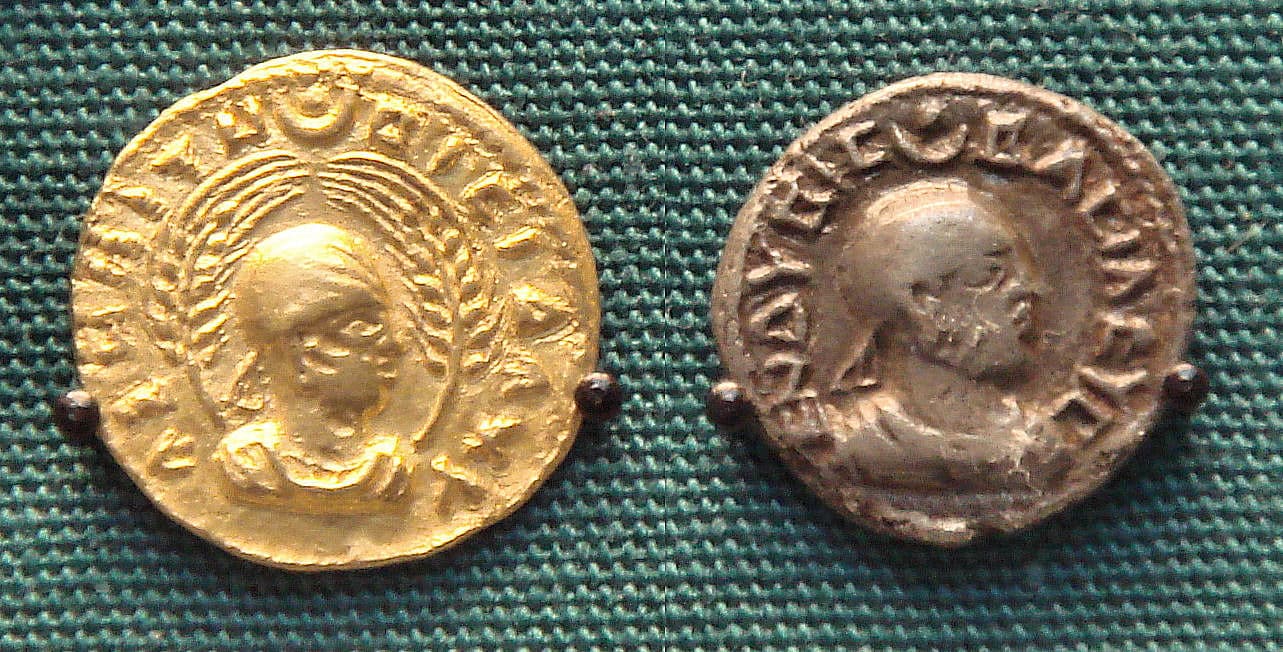
Long before the medieval world shrank into isolated pockets of power, a single merchant empire commanded the critical maritime arteries linking Rome to India.
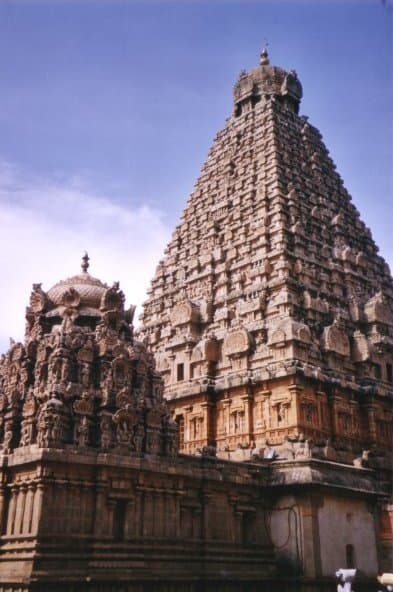
Long before they built one of the world's most formidable maritime empires, the Cholas were recognized by the Mauryan emperor Ashoka in the third century BCE as independent, friendly neighbors to his south.
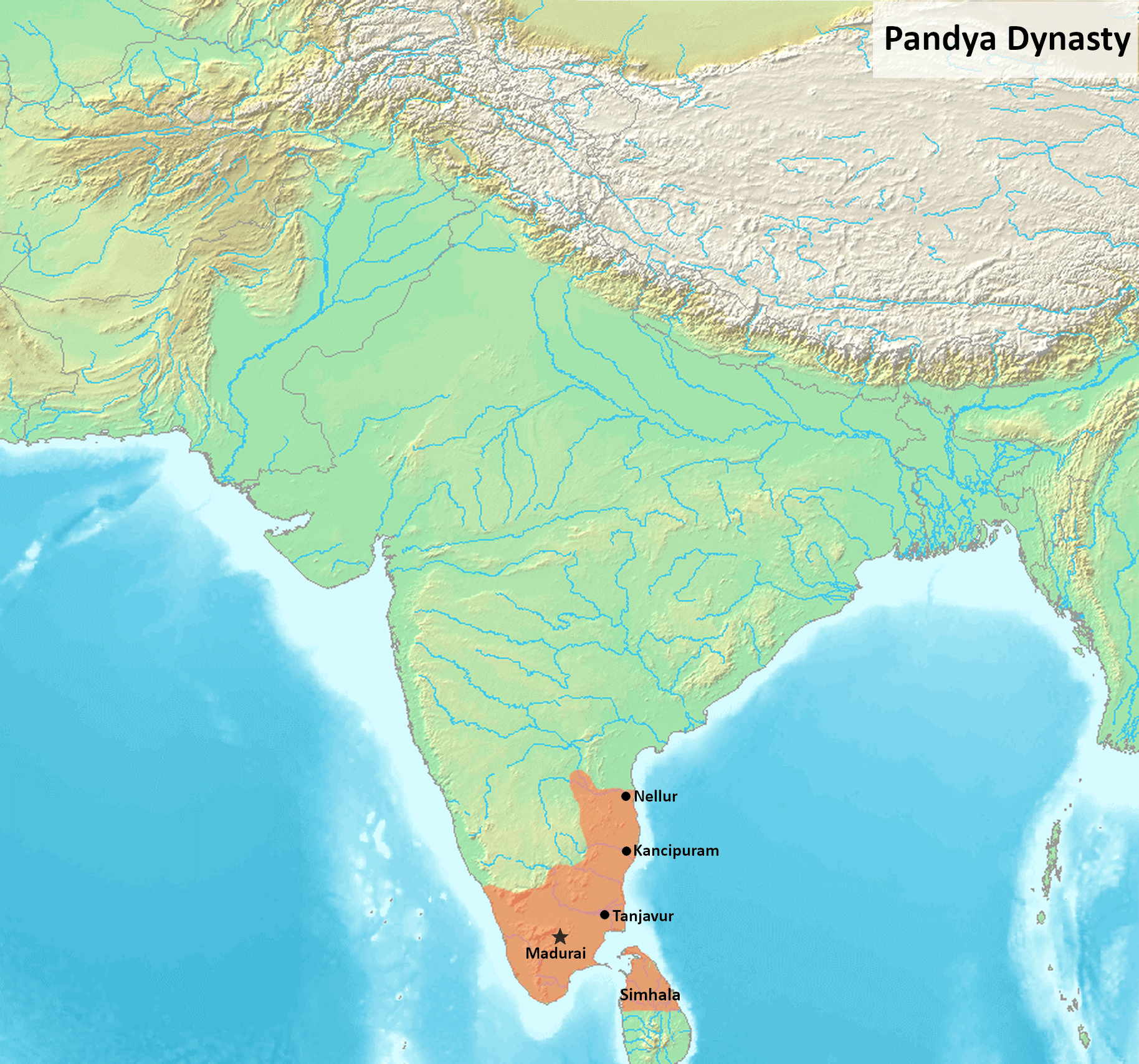
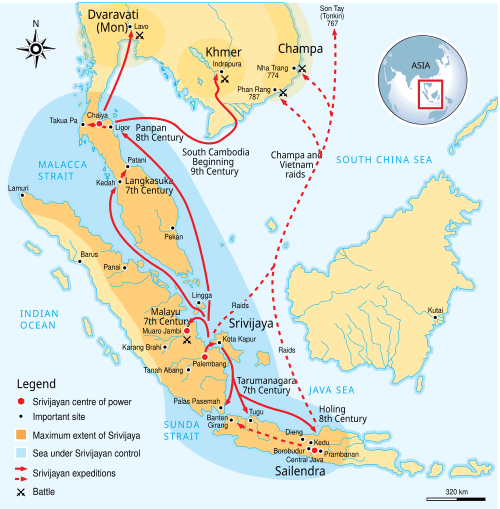
To control the flow of wealth between East and West, a power does not need to conquer vast continents; it only needs to command the water.
In 750 CE, a revolutionary wave swept out of the eastern region of Khurasan, far from the Levantine center of Umayyad power, to install a new dynasty descended from the uncle of Muhammad, Abbas ibn Abd al-Muttalib.
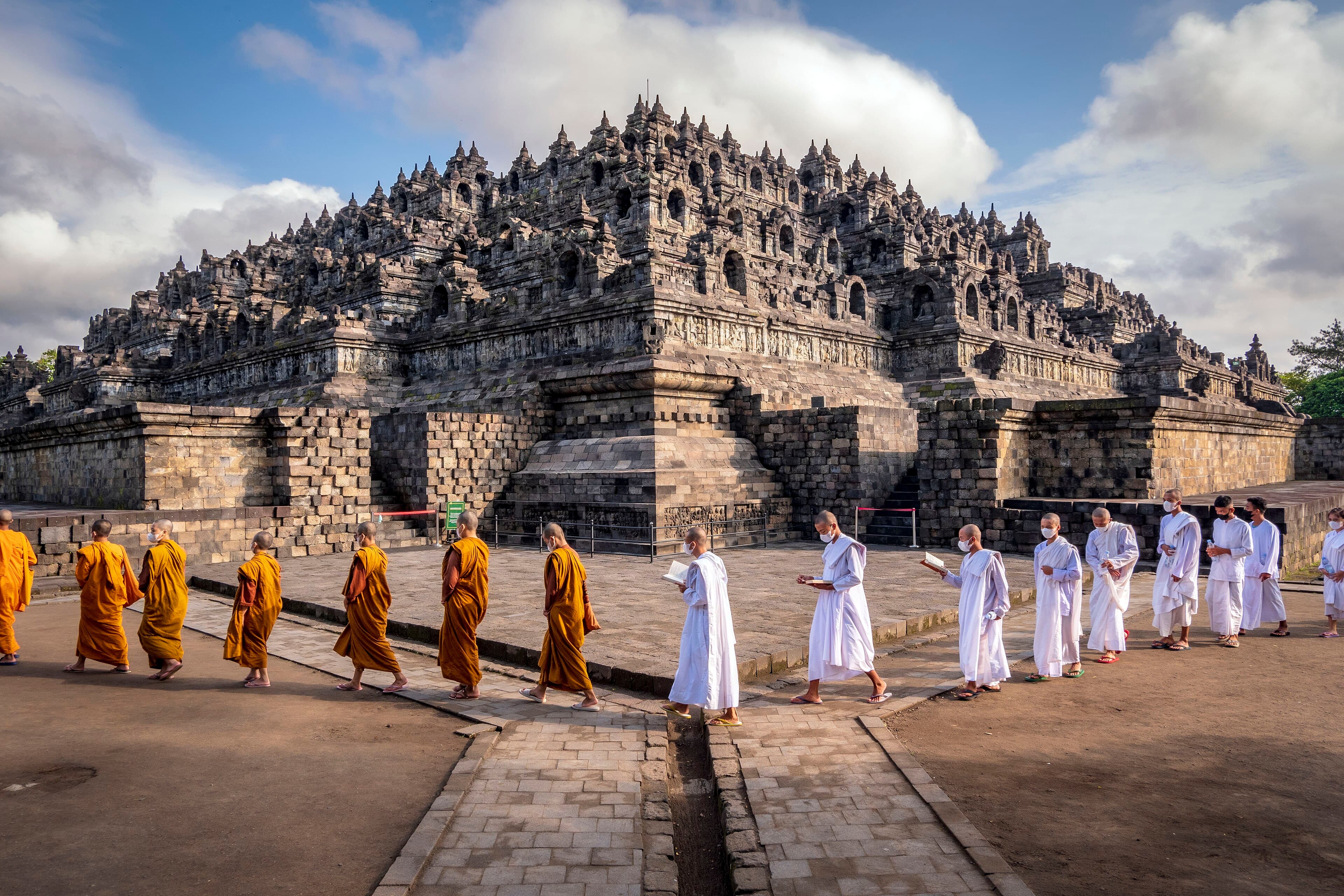
Rising from the volcanic plains of Central Java, Indonesia, is a colossal mountain of gray stone that serves as both a map of the cosmos and a physical path to enlightenment.
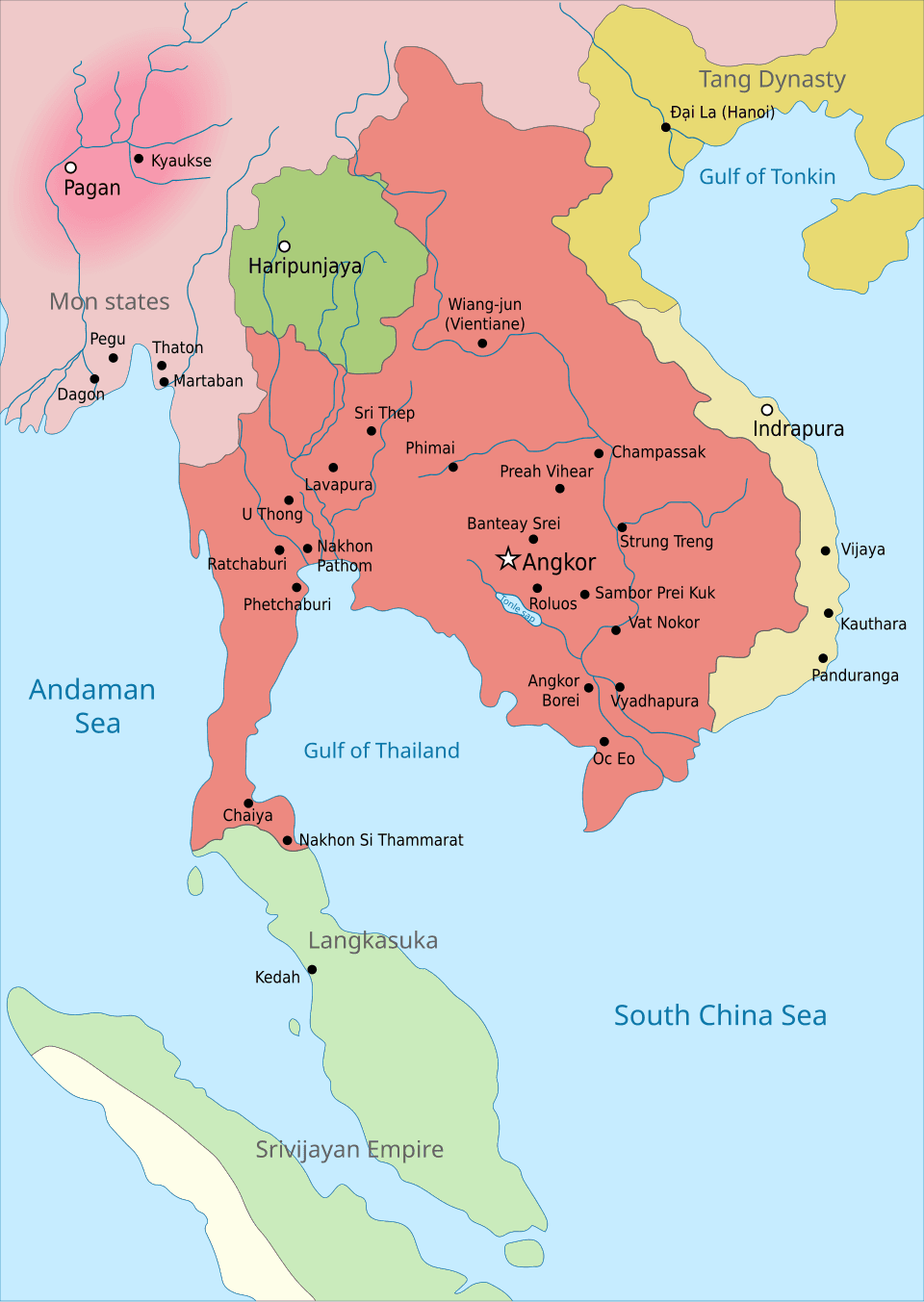
In the year 802 CE, high in the Phnom Kulen mountains, a prince named Jayavarman II declared himself universal ruler, or chakravartin, setting in motion an empire that would come to dominate mainland Southeast Asia for…

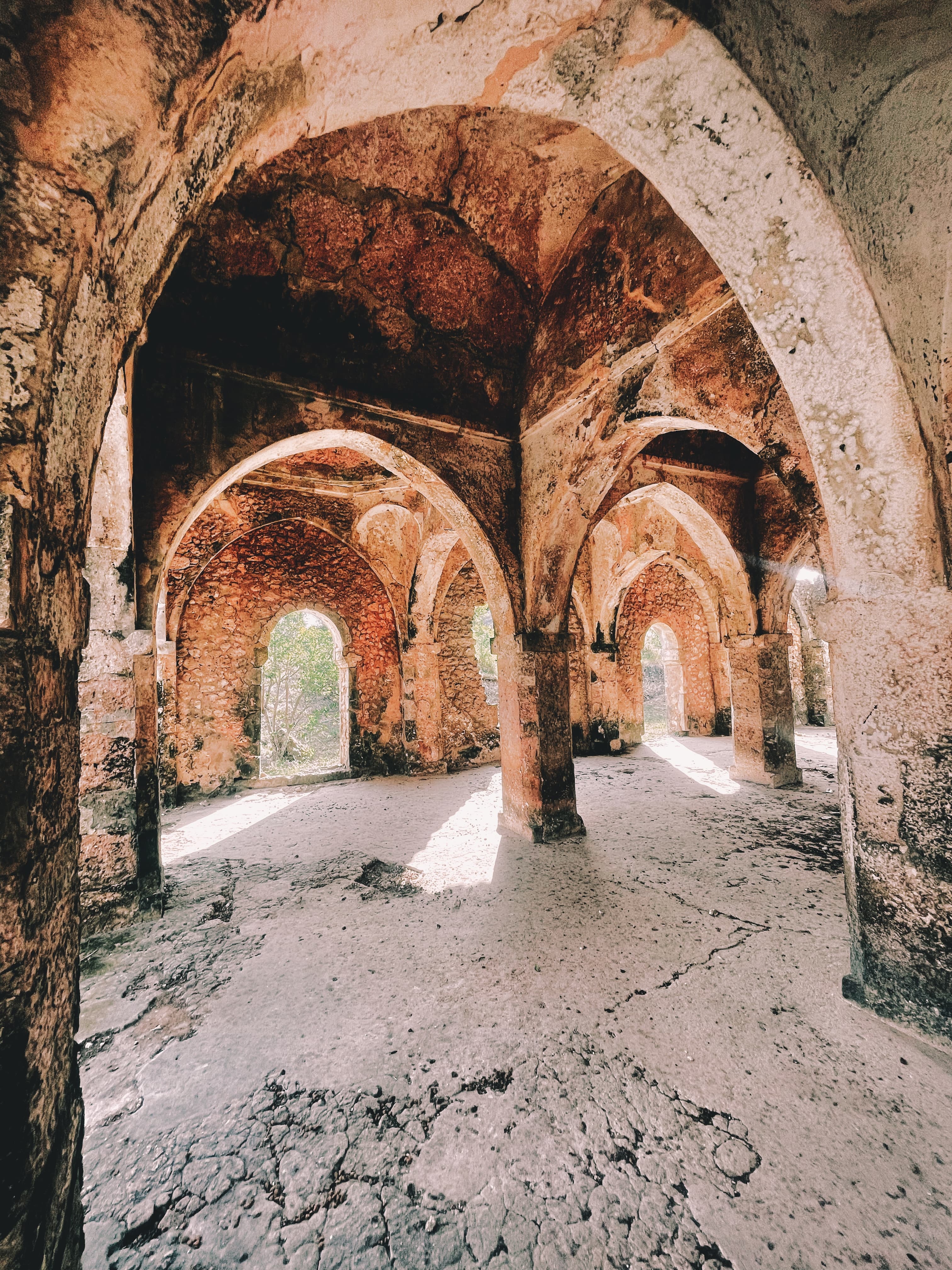
Long before modern borders defined the East African coast, the seasonal monsoon winds of the Indian Ocean carried merchants, wealth, and ideas to a small island just nine degrees south of the equator.

The rise of the Fatimid Caliphate began not in a grand palace, but with the tireless preaching of an Isma'ili Shi'a missionary named Abu Abdallah, who marshaled the Kutama forces of North Africa to overthrow the…
To understand how the Chola dynasty transformed from a regional power into a colossus of the Indian Ocean, one must look to the late tenth century and the prince born Arul Mozhi Varman.

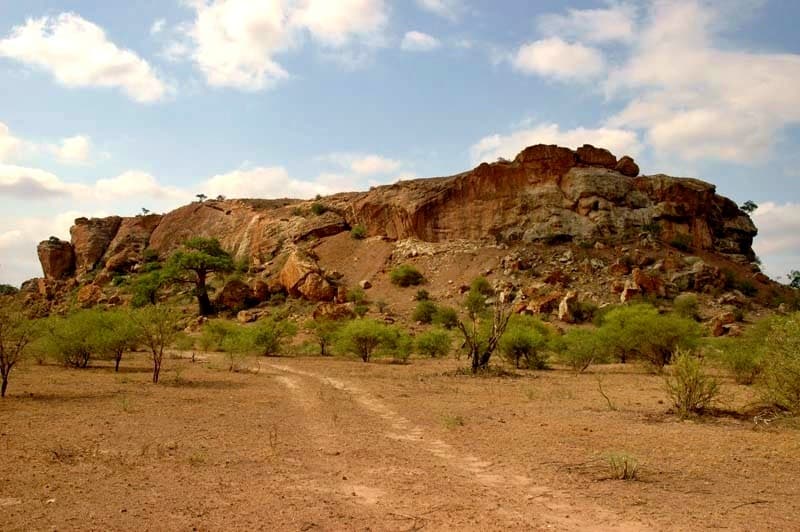
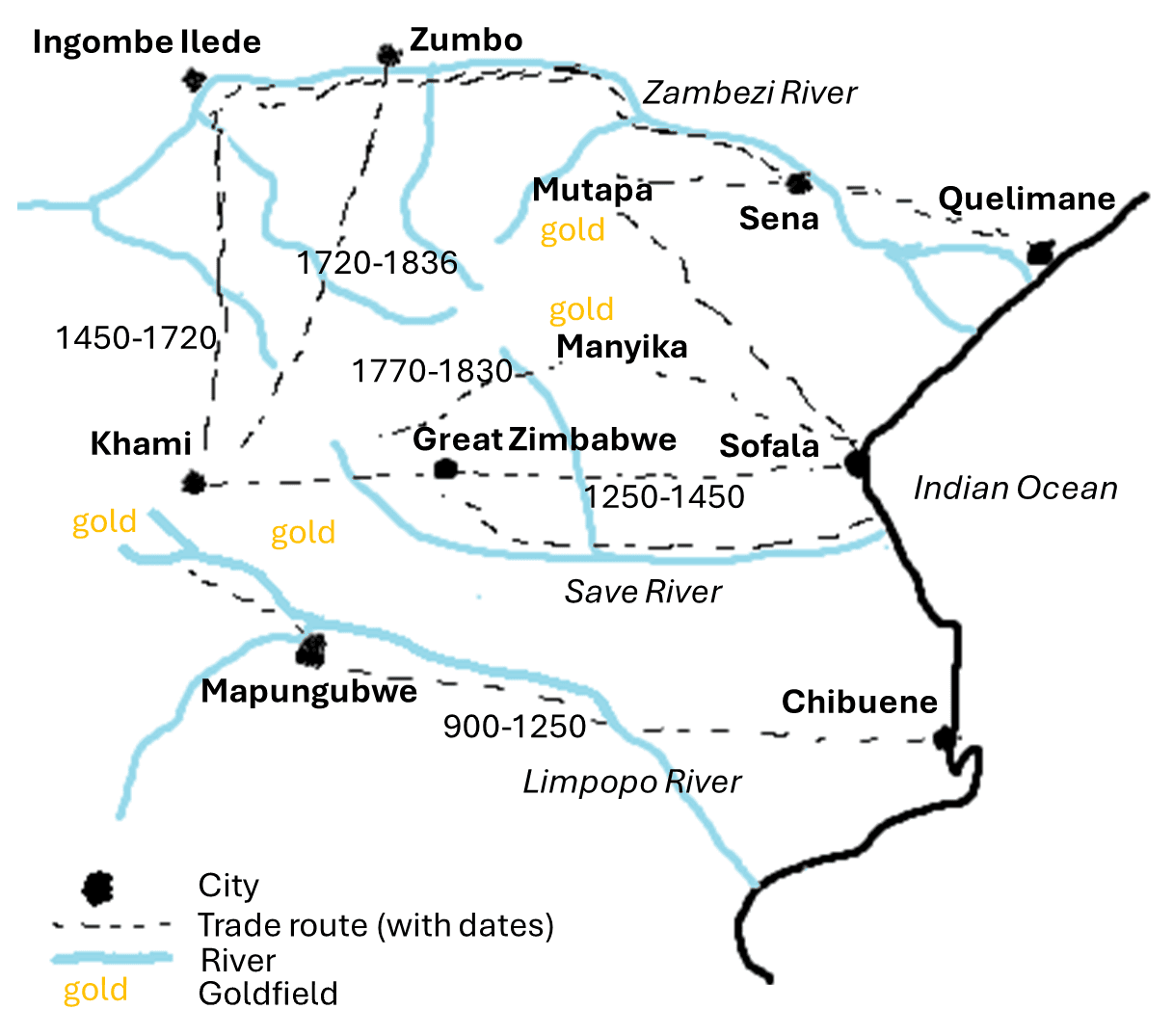
Where the Shashe and Limpopo rivers collide in Southern Africa, a dry landscape of sandstone hills and scrubland once flourished with seasonal floods and year-round harvests.

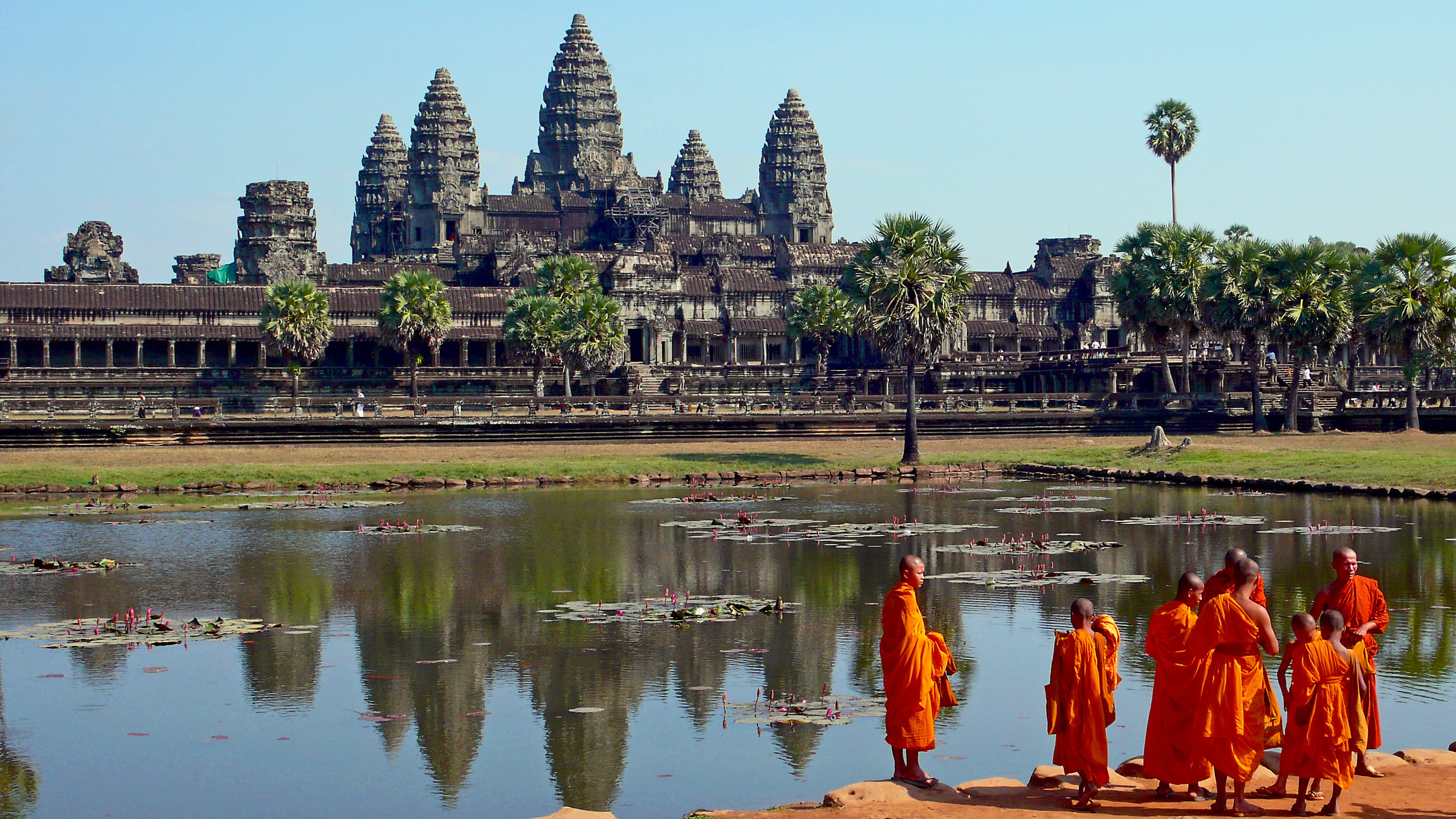
To approach the great monument of Angkor Wat is to confront a cosmic map rendered in sandstone and water.

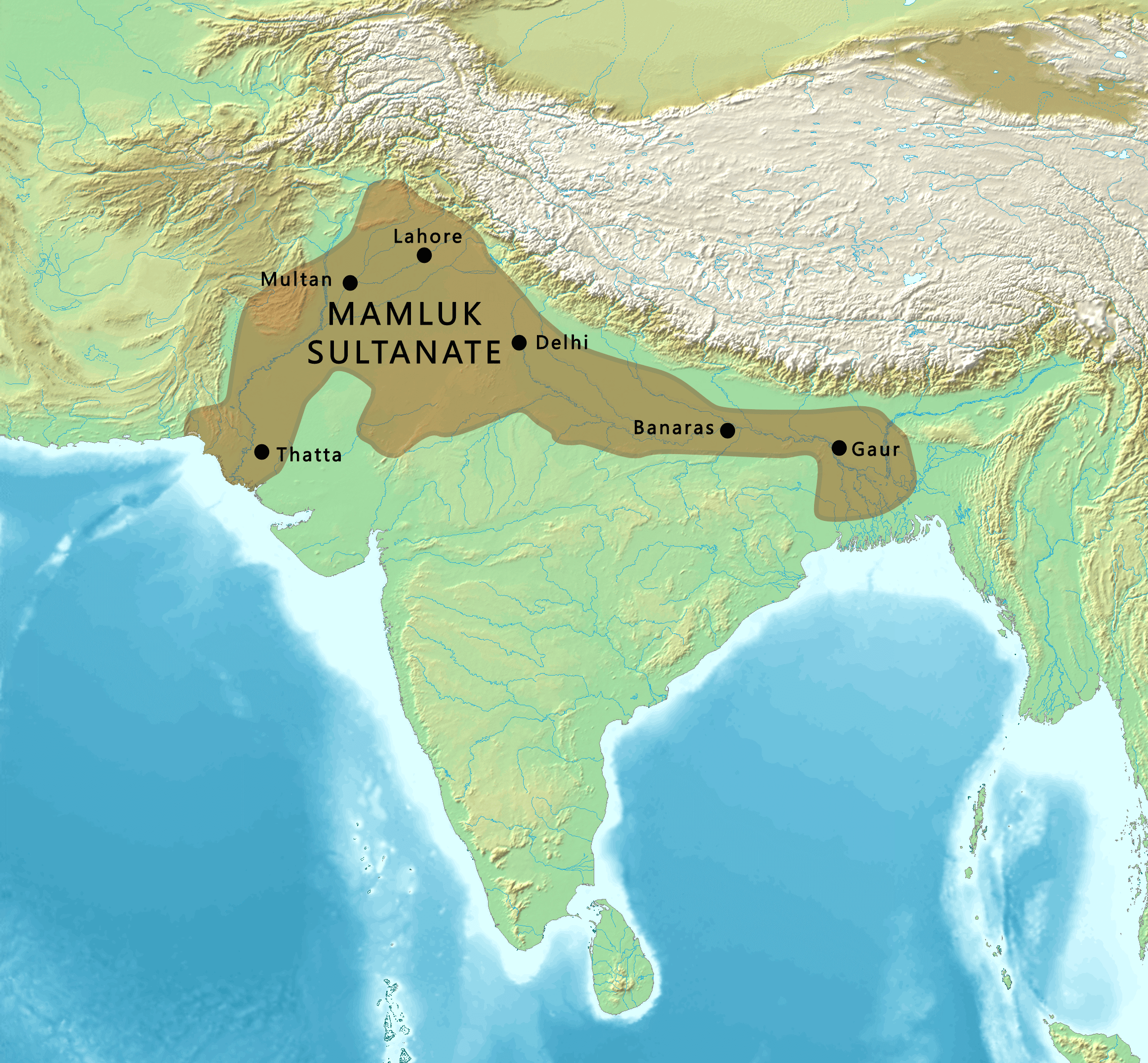
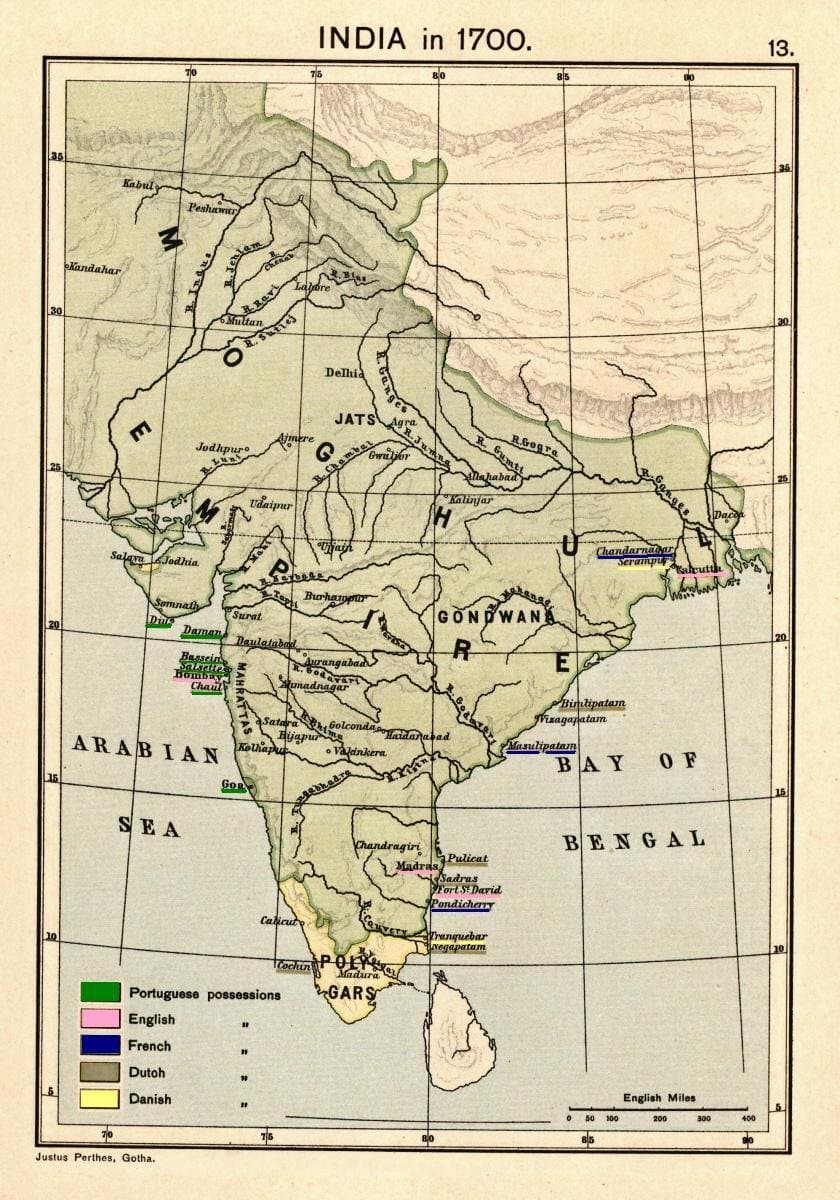
In 1192, near the town of Tarain, the Ghurid conqueror Muhammad Ghori routed the Rajput Confederacy, setting in motion a political transformation that would reshape the Indian subcontinent for over three centuries.

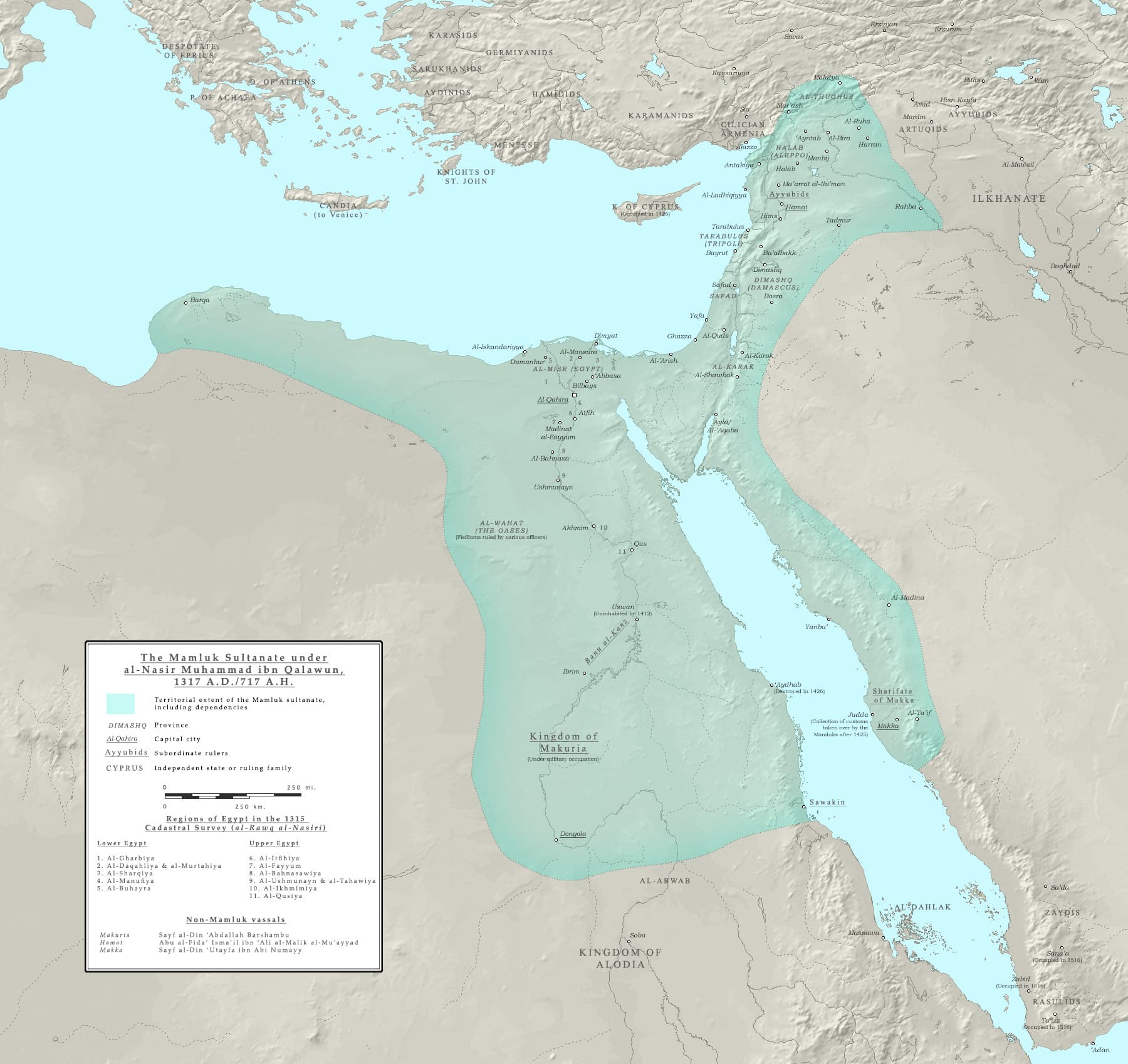
In 1250 CE, a military caste of freed slave soldiers seized control of Egypt, transforming their status from owned men to rulers of an empire.
The rise of the Majapahit Empire began in 1292 when Raden Wijaya established a stronghold on the island of Java, capitalizing on the chaos of a Mongol invasion.

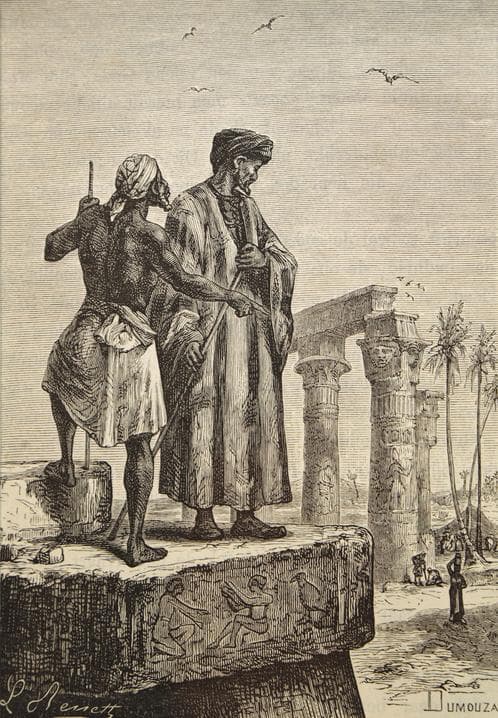
In the summer of 1325, a twenty-one-year-old law student named Abu Abdullah Muhammad ibn Battuta walked out of his family home in Tangier, driven by what he called an overmastering impulse to see the sacred sanctuaries…

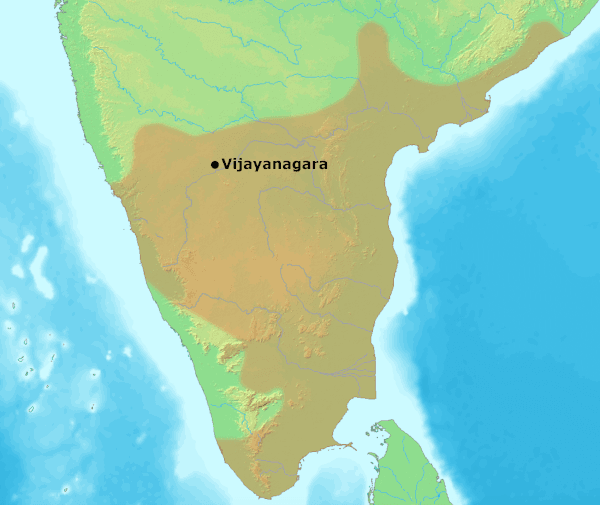
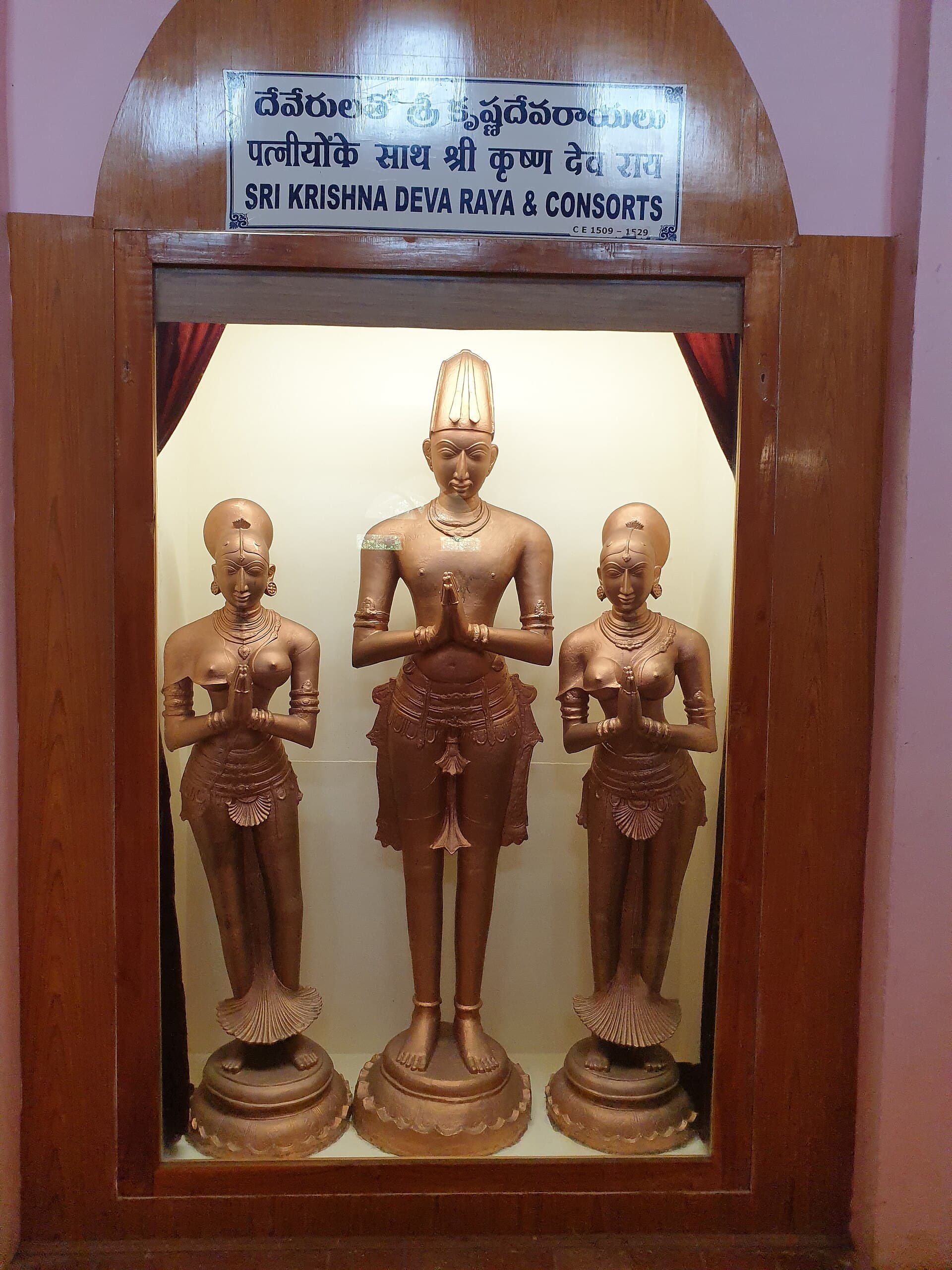
To the medieval European travelers who braved the journey to southern India, it was known as the Kingdom of Narasinga, a land of such immense wealth and architectural ambition that its fame echoed far beyond its borders.
To the sixteenth-century European travelers who navigated the waters of Southeast Asia, the Ayutthaya Kingdom loomed as one of the three great powers of the continent, standing alongside Ming China and Vijayanagara.
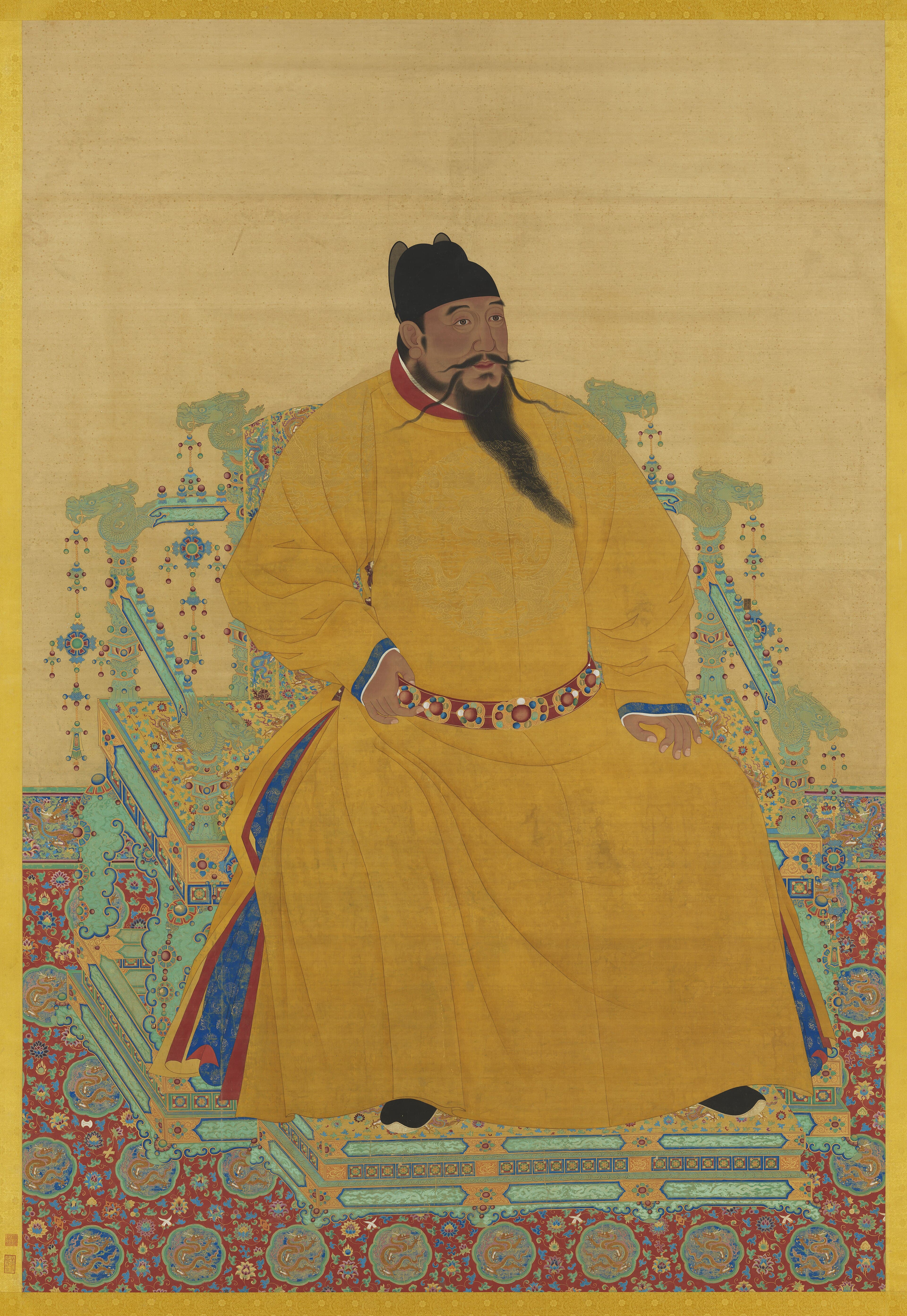
In 1402, a prince of the Ming dynasty named Zhu Di seized the imperial throne from his nephew after a devastating three-year civil war.

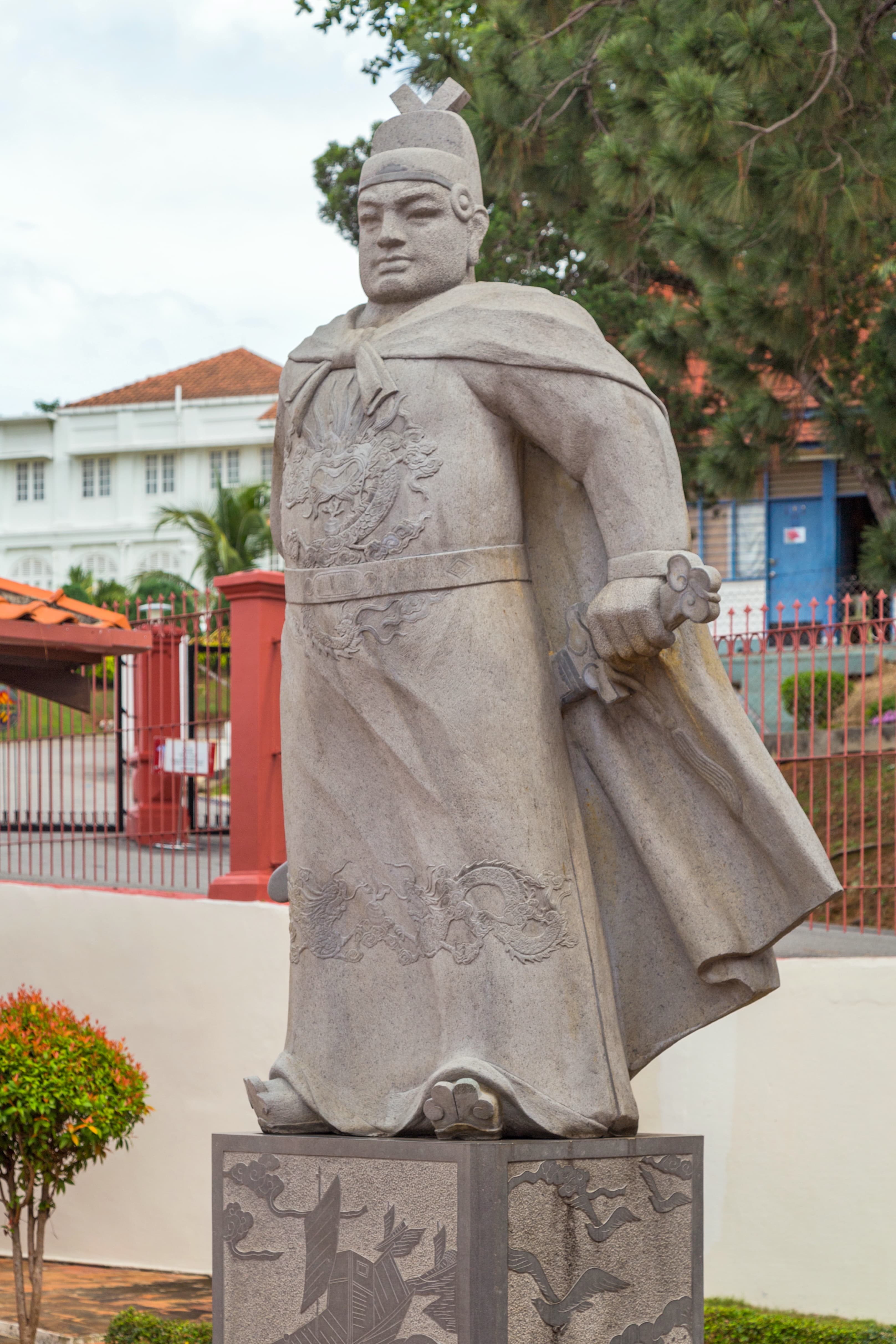
In the autumn of 1382, a Ming army swept through the Yunnan province, claiming the life of a Muslim man named Ma Hajji and forever altering the destiny of his young son, Ma He.
For nearly five centuries, a delicate maritime network in the East China Sea was anchored by a kingdom whose influence far outstripped its modest geography.

A desperate search for salt on the northern Zimbabwean Plateau may have birthed one of the most formidable powers of the southern African interior.
When the Mughal emperor Babur surveyed the shifting political landscape of sixteenth-century India, he identified one man as the most powerful ruler on the subcontinent: Krishnadevaraya, the sovereign of the…

In 1526, a ruler named Babur swept down from the region of modern Uzbekistan, aided by the Safavid and Ottoman empires, to defeat the sultan of Delhi at the First Battle of Panipat.

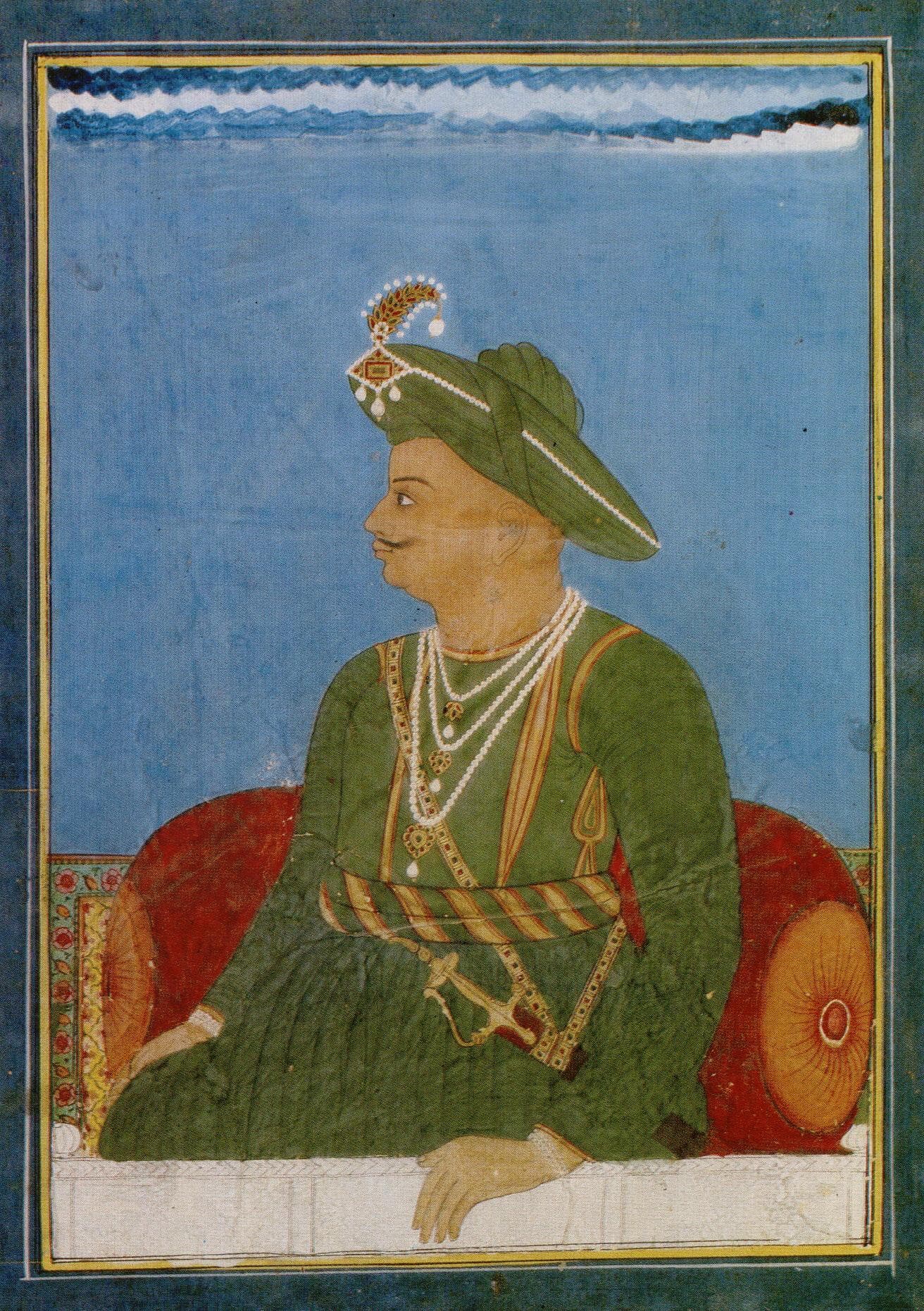
Long before the industrialized armies of Europe perfected the art of rocket warfare, the skies over southern India burned with iron-cased missiles that shattered British infantry formations.

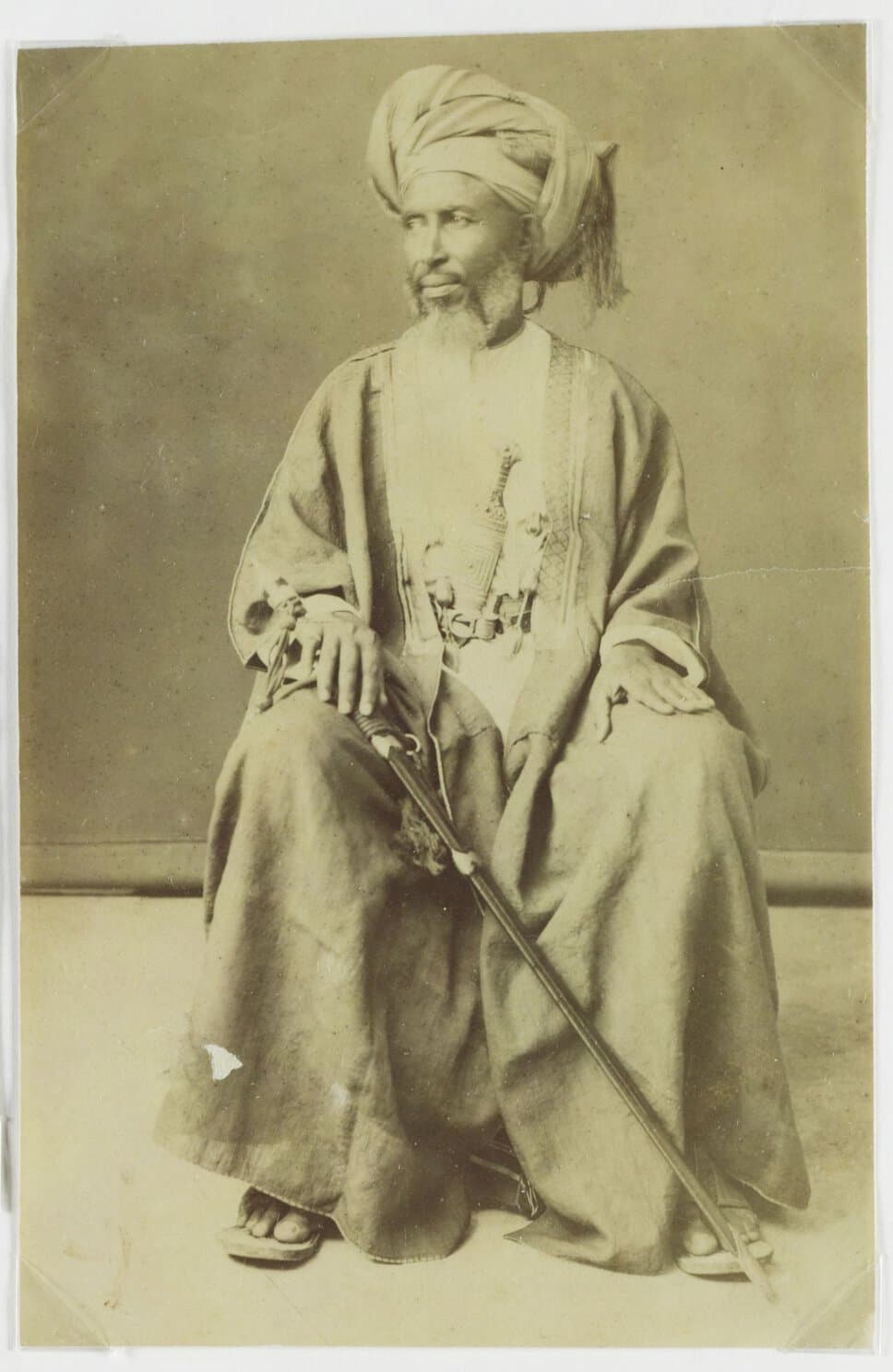
The crackle of gunfire in the Chungu territory of Central Africa earned Hamad ibn Muhammad ibn Jumah ibn Rajab ibn Muhammad ibn Said al Murjabi the moniker Tippu Tip, a name he claimed mimicked the sound of his weapons.
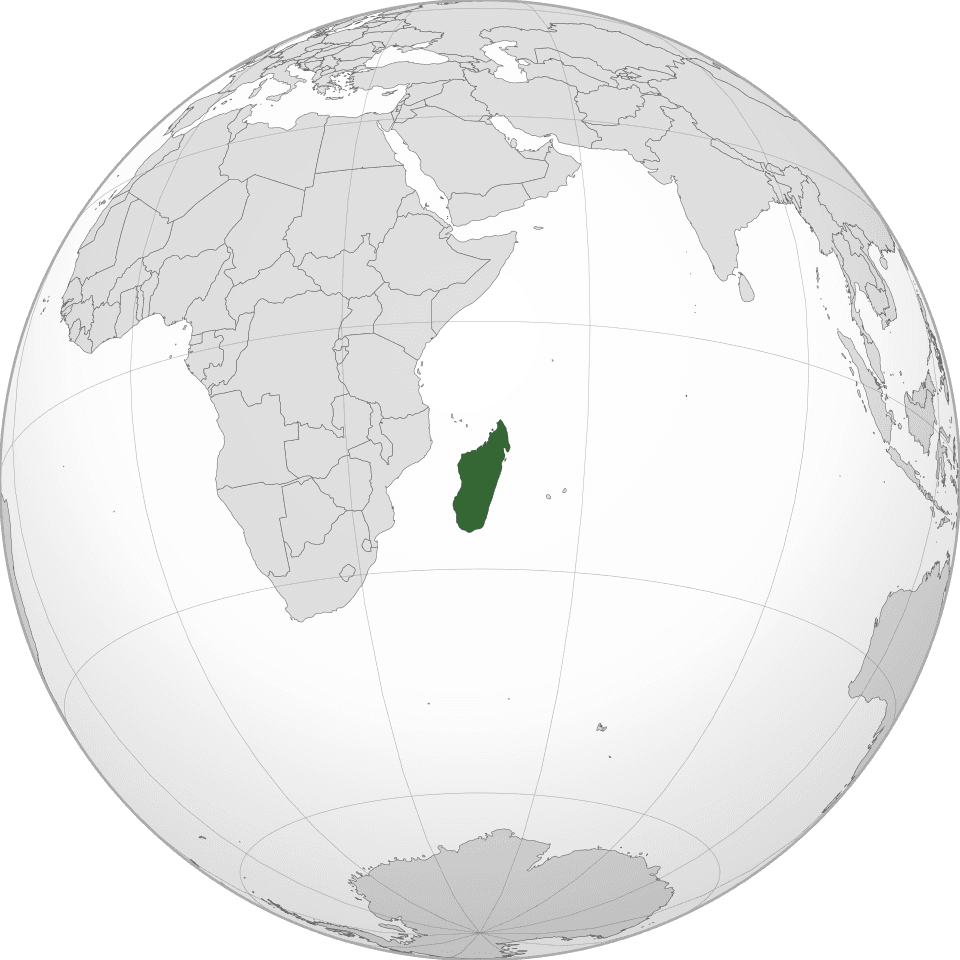
The deep geological isolation of Madagascar began 180 million years ago when it sheared away from Africa, followed by a second rupture from the Indian subcontinent 90 million years later.