Civilization · 794 CE – 1760 CE · 10 entries
Imperial Japan
Medieval
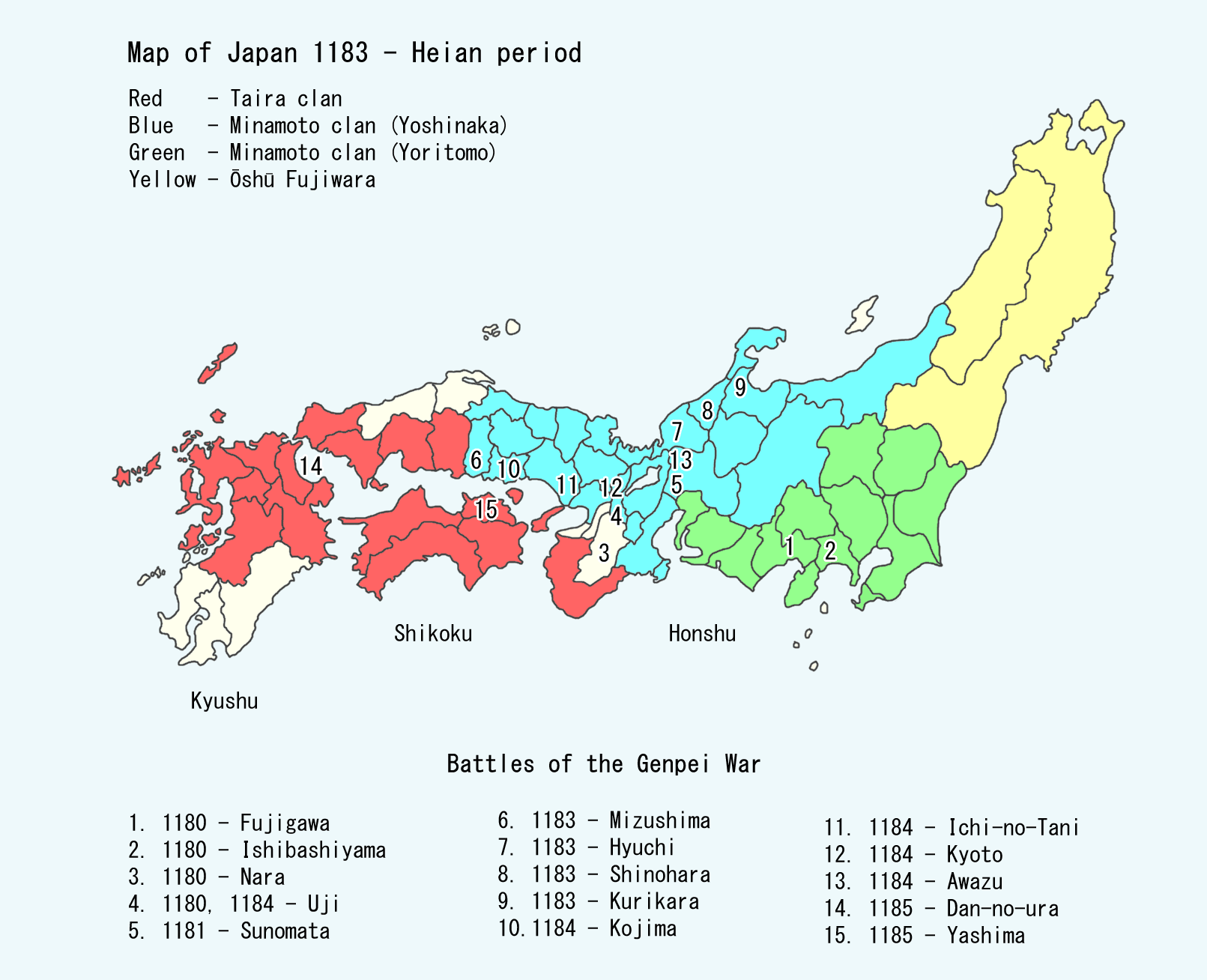
Heian period
event · 794 CEWhen Emperor Kammu relocated the capital of Japan to Heian-kyō in 794 CE, he was fleeing a series of disasters that had plagued his previous choice of Nagaoka-kyō.
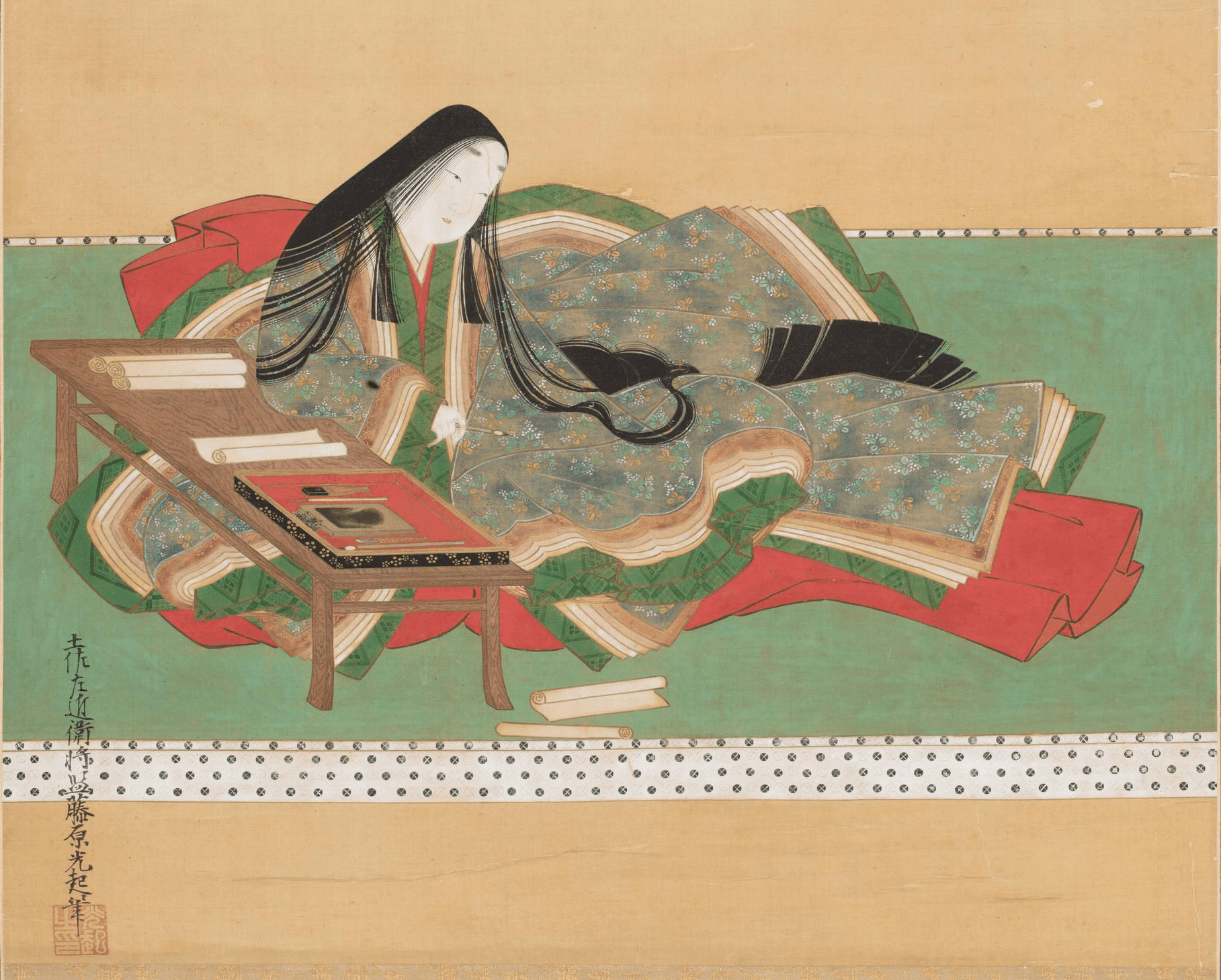
Murasaki Shikibu
person · 970s CEIn the highly stratified world of Heian-kyō, a woman’s personal name could be easily lost to history, yet her private observations could define an entire civilization.
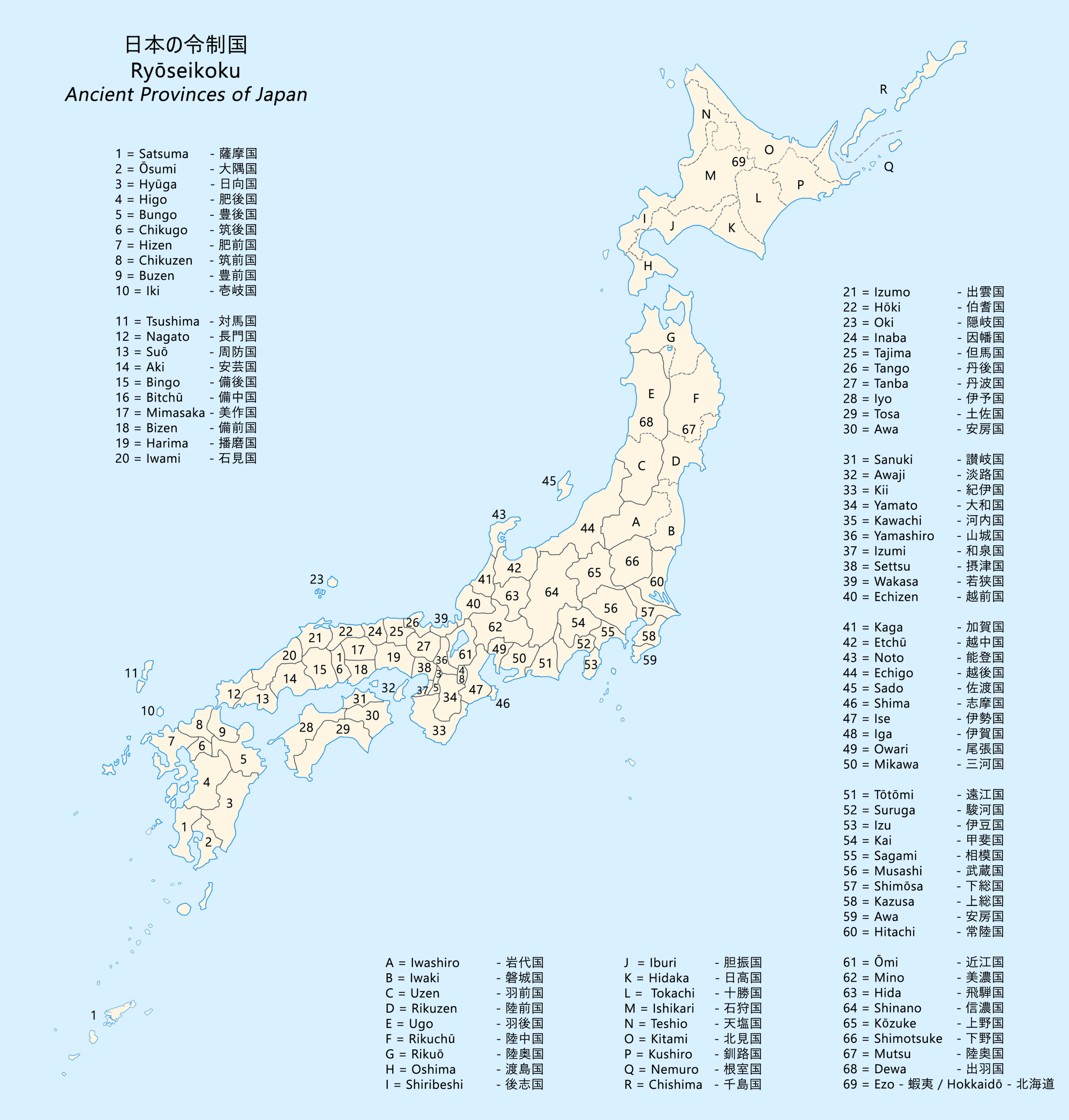
Kamakura shogunate
event · 12th c. CEPower in medieval Japan did not reside in the ancient capital of Heian-kyo, where the emperor and his court were relegated to elegant figureheads, but in the eastern city of Kamakura.
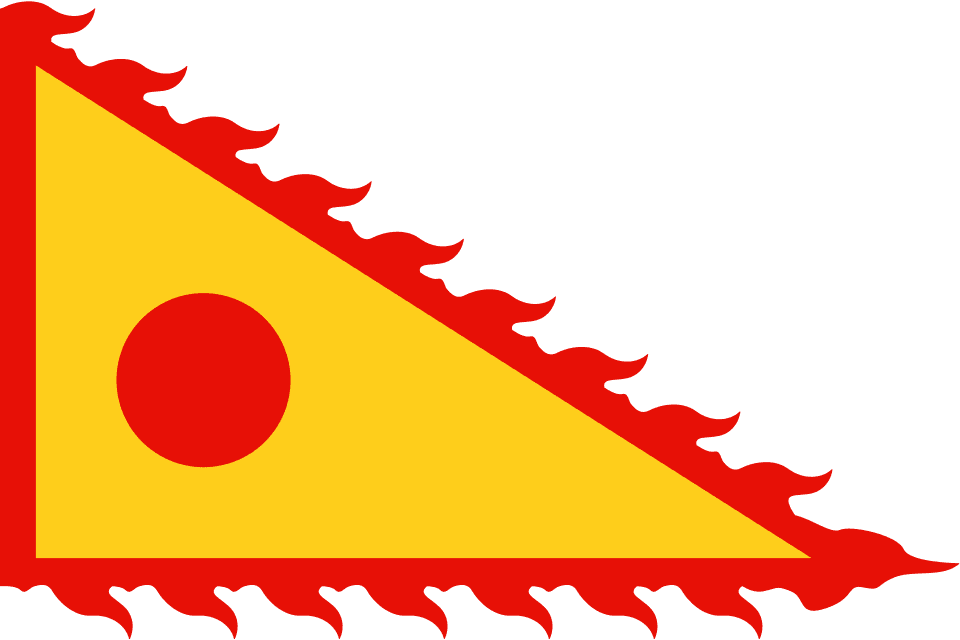
Ryukyu Kingdom
event · 1429 CEFor nearly five centuries, a delicate maritime network in the East China Sea was anchored by a kingdom whose influence far outstripped its modest geography.
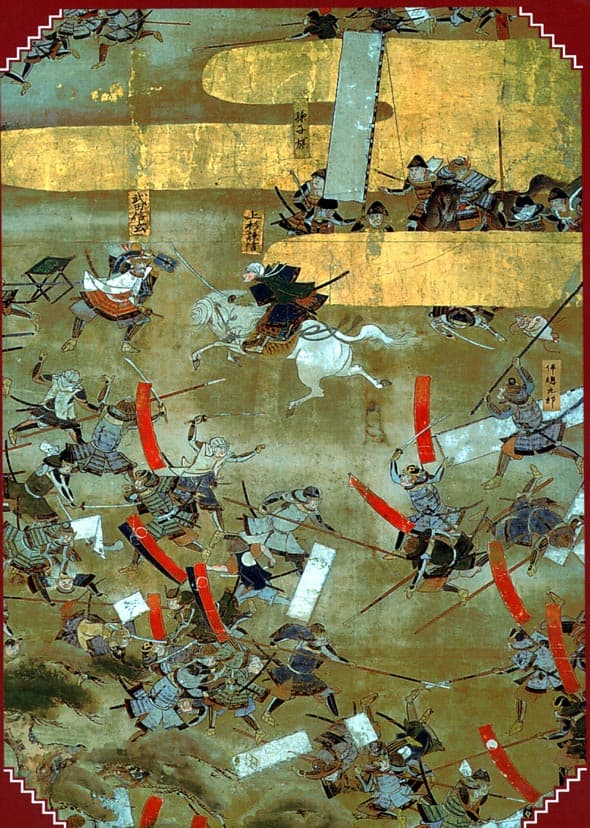
Sengoku period
event · 1467 CEFor over a century, the concept of unchallenged authority dissolved across Japan, replaced by a relentless cycle of civil wars, social upheaval, and betrayal.
Early Modern
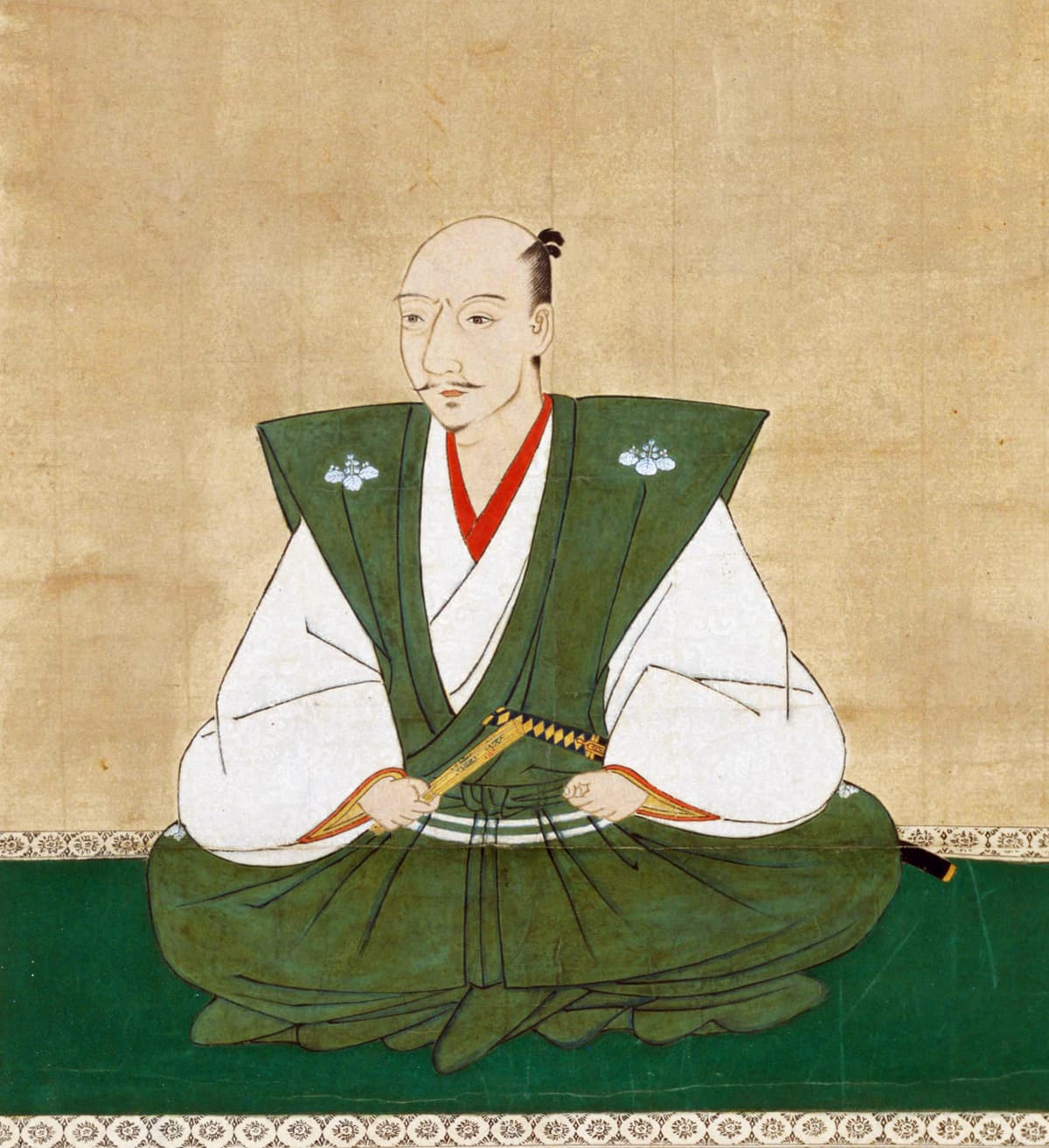
Oda Nobunaga
person · 1534 CEIn his youth, Oda Nobunaga was known as a bizarre eccentric who ran through Nagoya in sleeveless bathrobes, rode horses backward while eating melons, and danced in female clothing at local taverns.
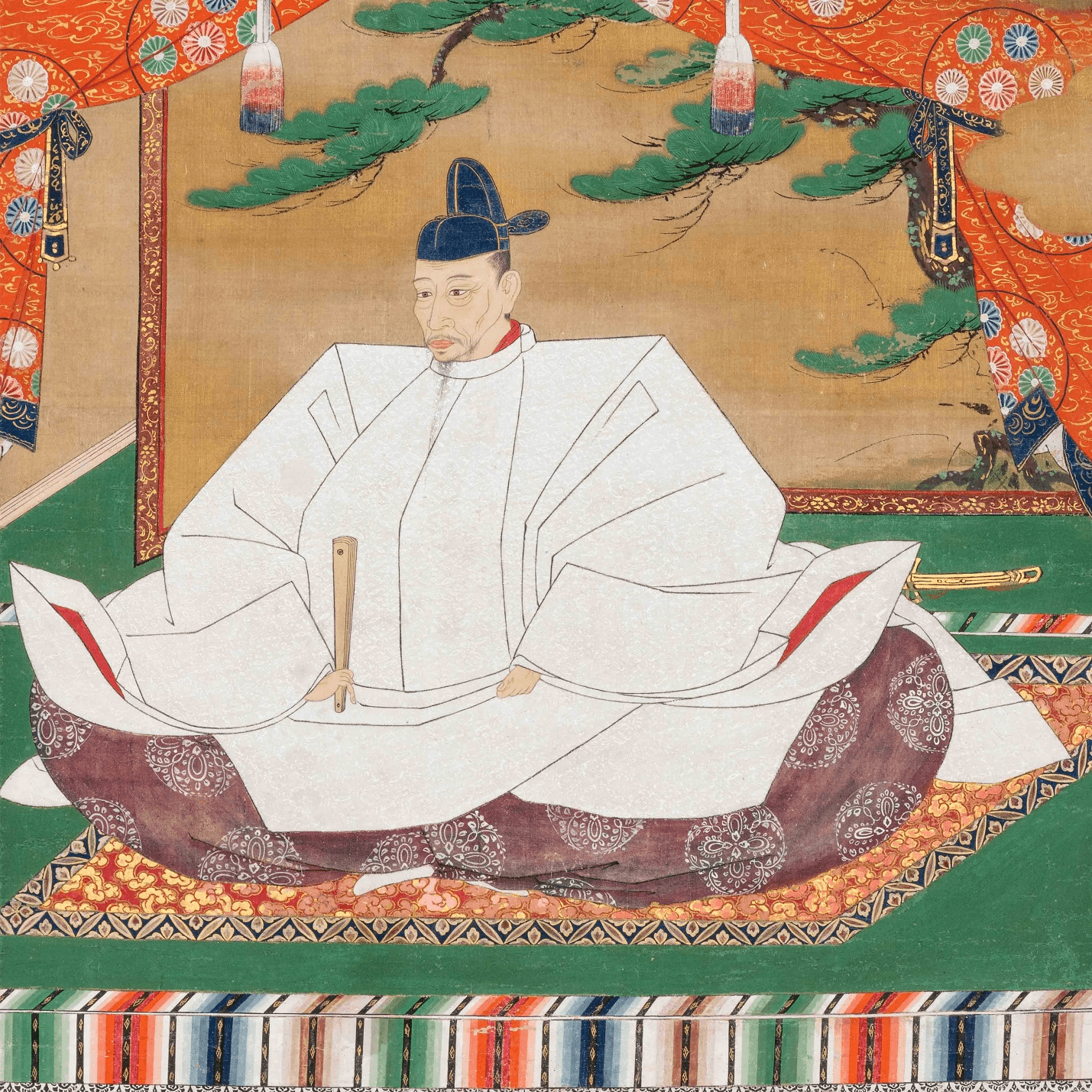
Toyotomi Hideyoshi
person · 1537 CEIn the highly stratified world of sixteenth-century Japan, an individual’s destiny was almost always sealed by birth.
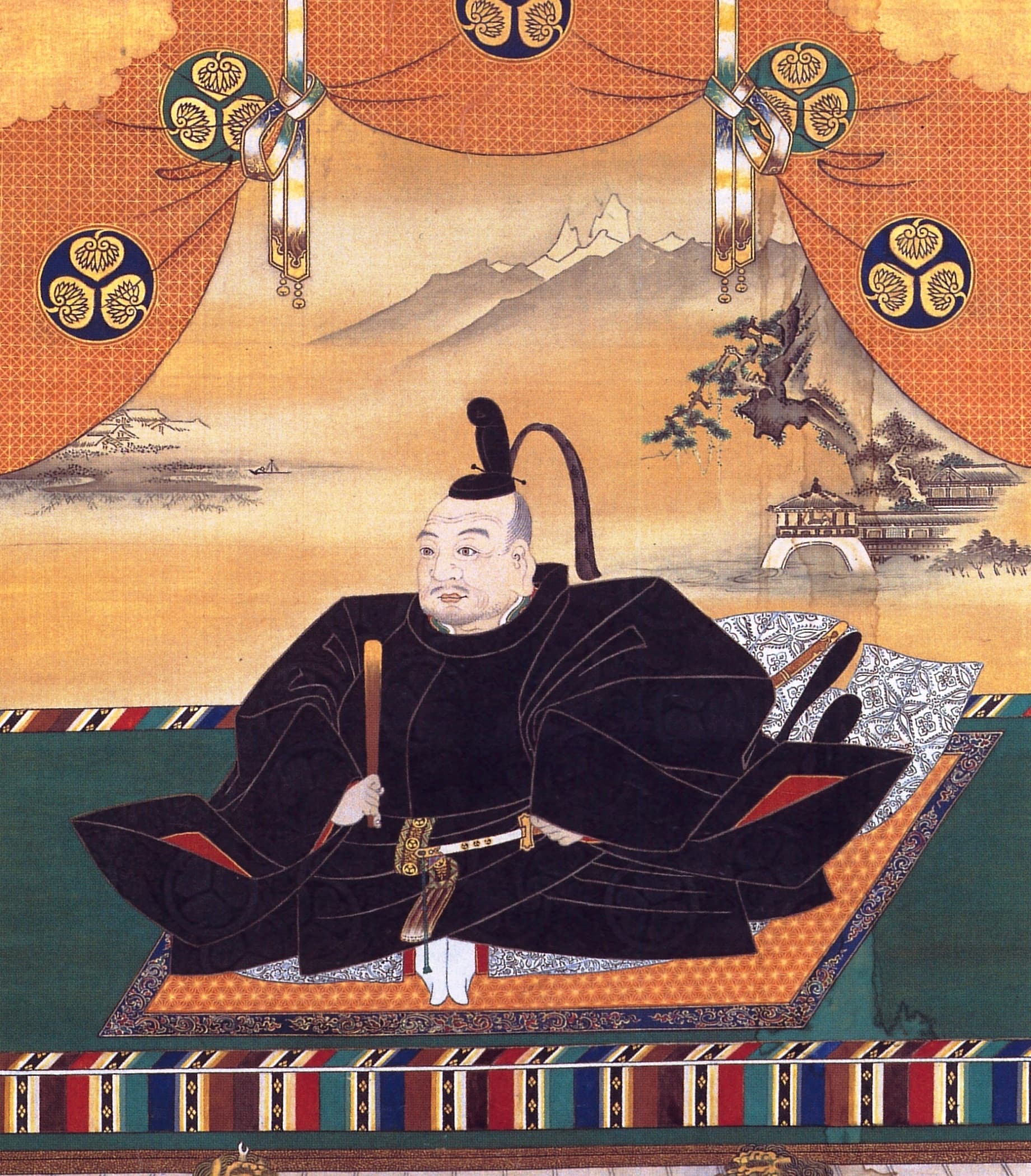
Tokugawa Ieyasu
person · 1543 CEBefore he was the master of Japan, the boy who would be Tokugawa Ieyasu was a political pawn, born to teenage step-siblings and sent away to live as a hostage of a powerful neighboring lord.