Civilization · 1139 CE – 1729 CE · 17 entries
Early Modern Europe
Medieval
Kingdom of Portugal
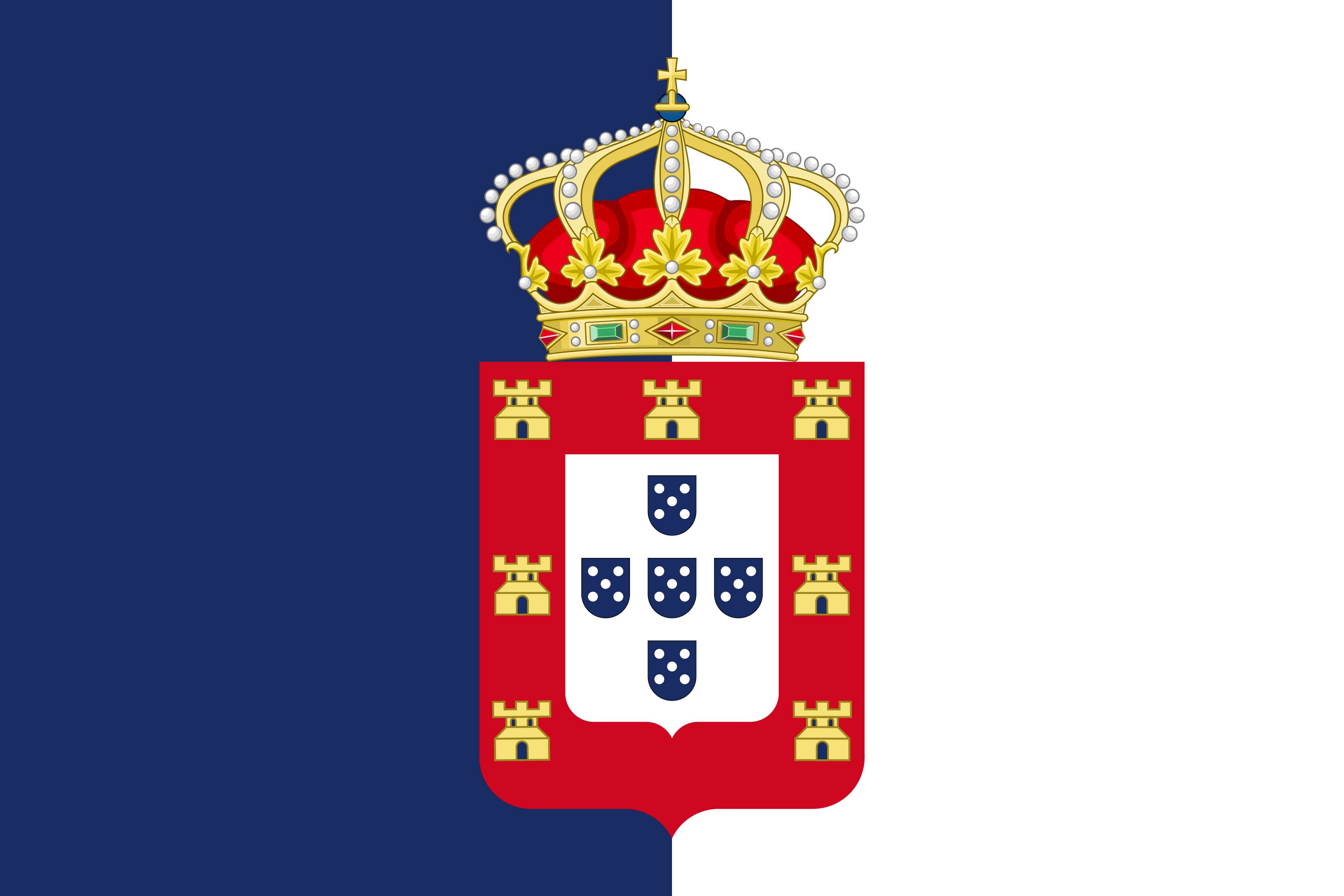
event · 1139 CEThe transformation of Portugal from a semi-autonomous county of the Kingdom of León into a global maritime powerhouse began on the battlefield.
Königsberg
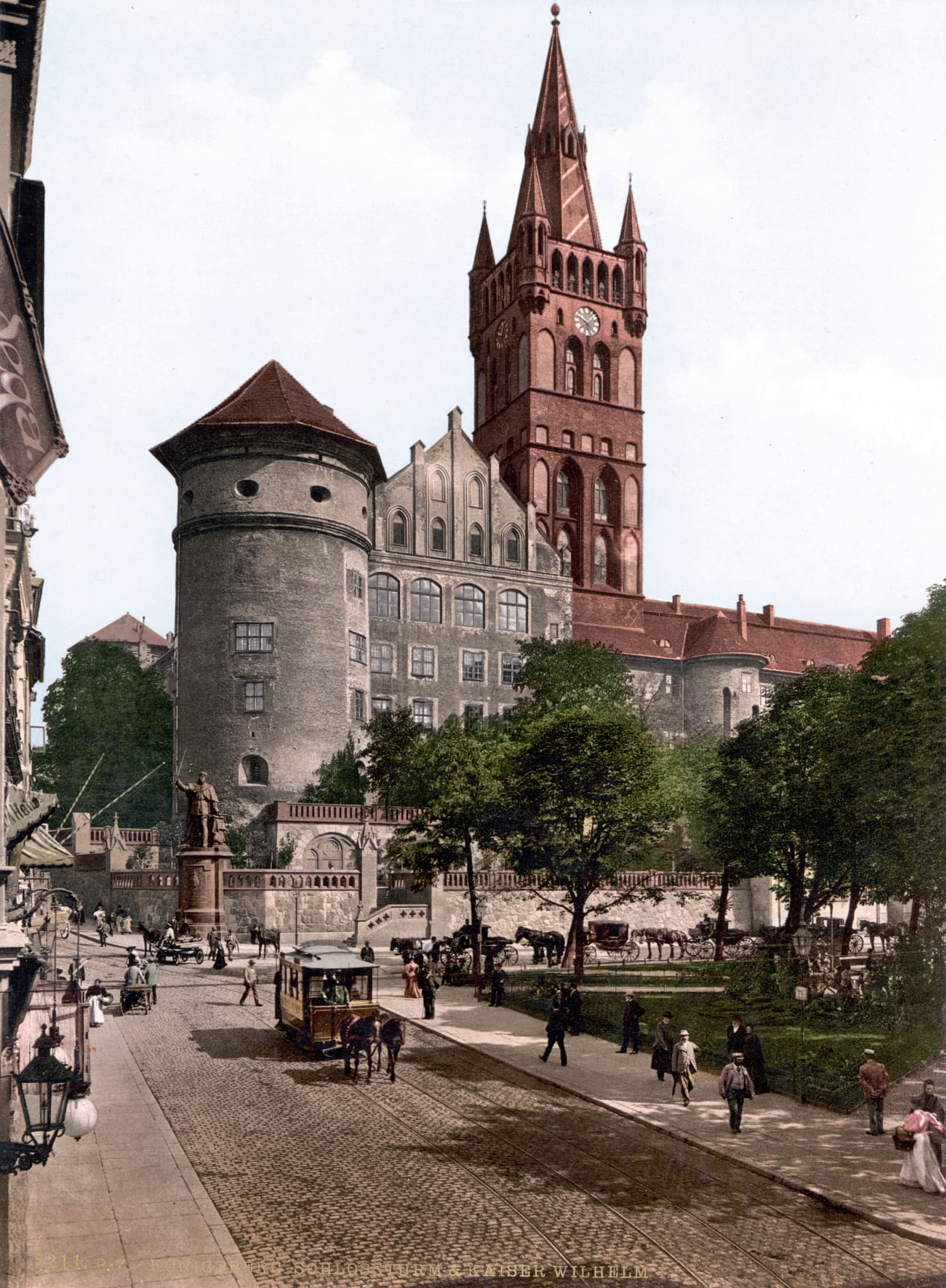
place · 1255 CEIn 1255, during the Baltic Crusades, the Teutonic Knights established a fortress over the Old Prussian settlement of Twangste, naming it Königsberg—King's Mountain—to honor King Ottokar II of Bohemia.
Little Ice Age
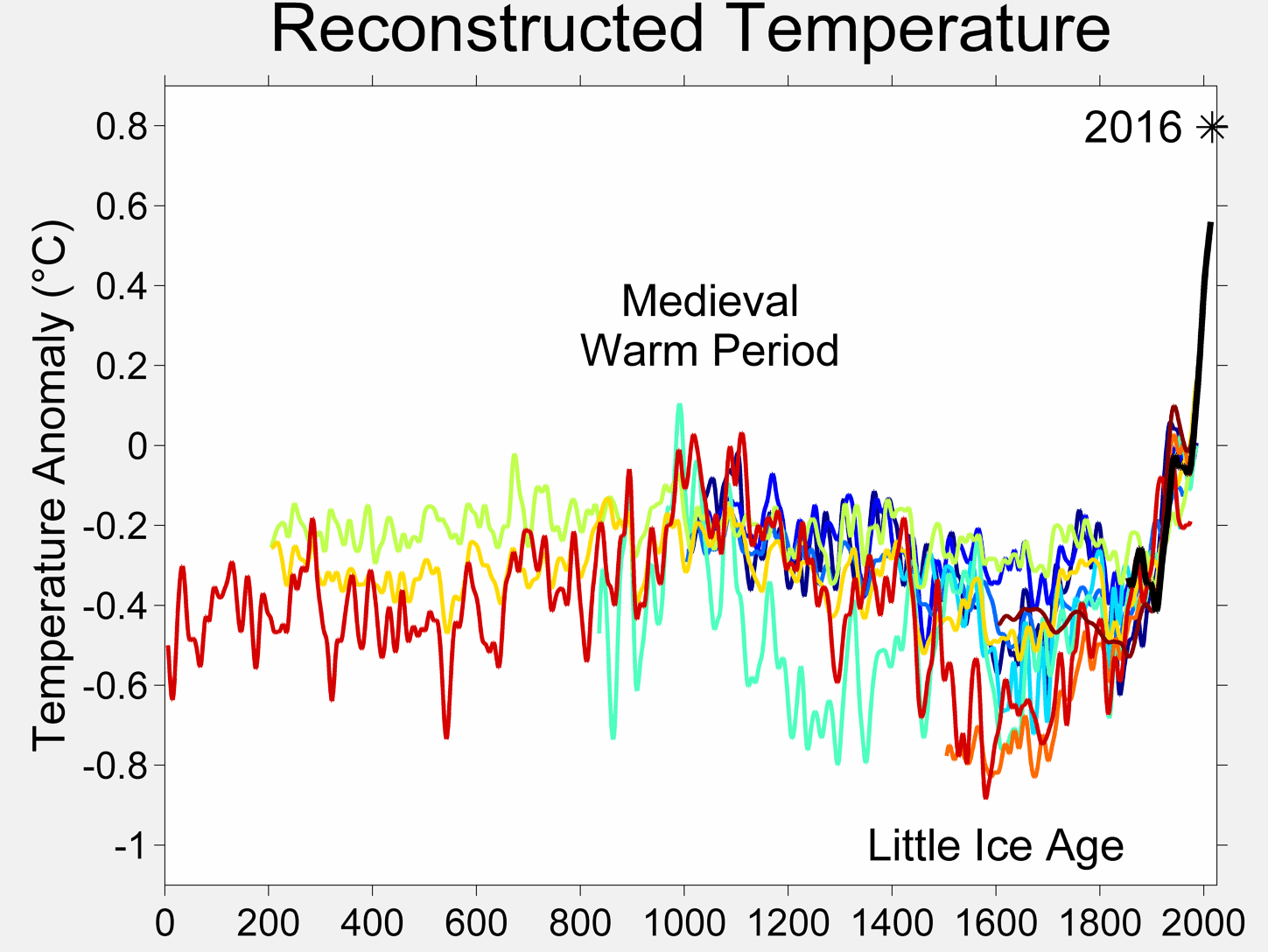
event · 1303 CESometime around 1300 CE, a subtle but persistent chill began to settle over the Northern Hemisphere, initiating a centuries-long epoch of erratic cooling known as the Little Ice Age.
Renaissance
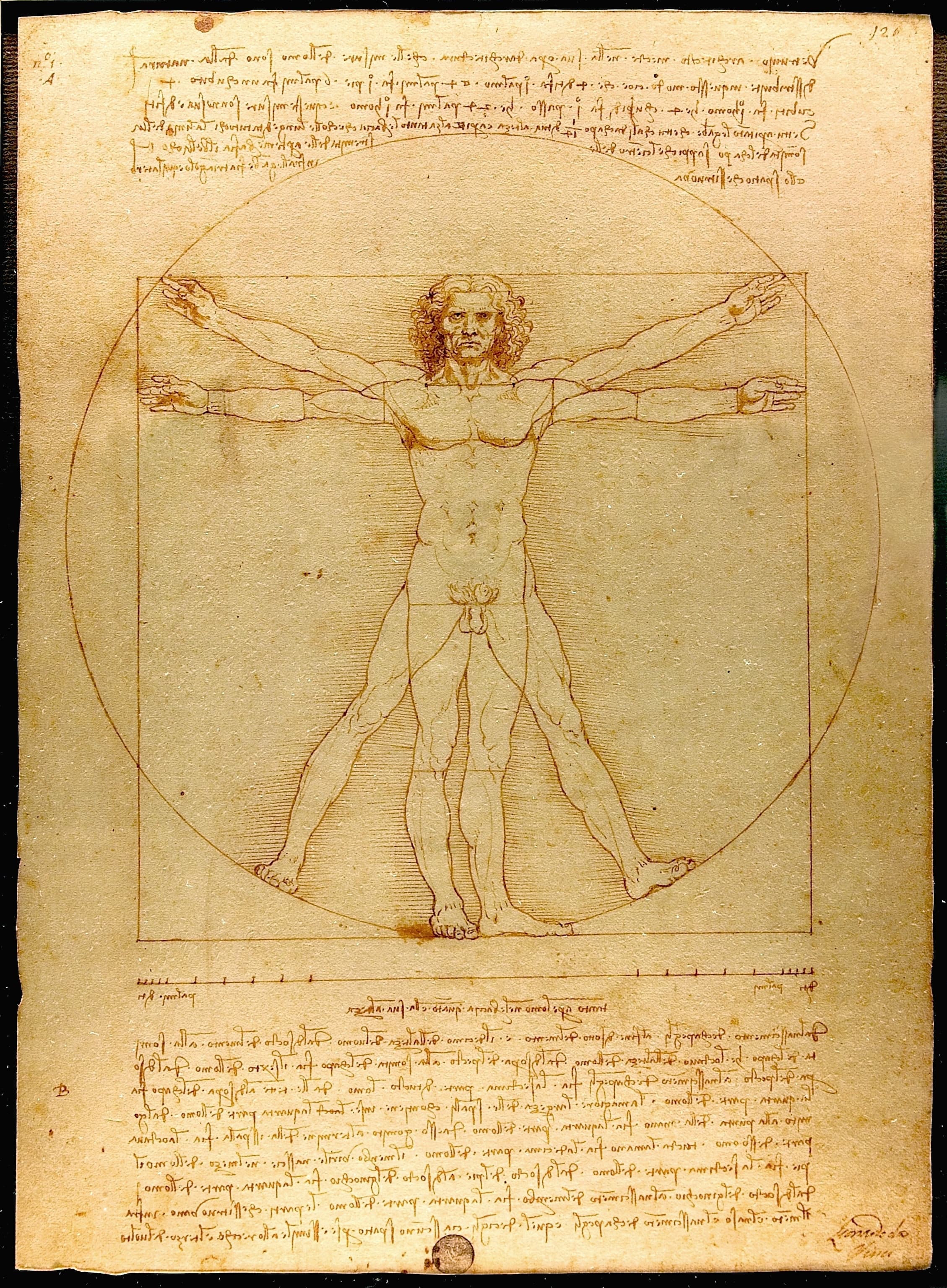
concept · 14th c. CEA sudden, intense obsession with the ghost of antiquity quieted the crises of the late medieval world.
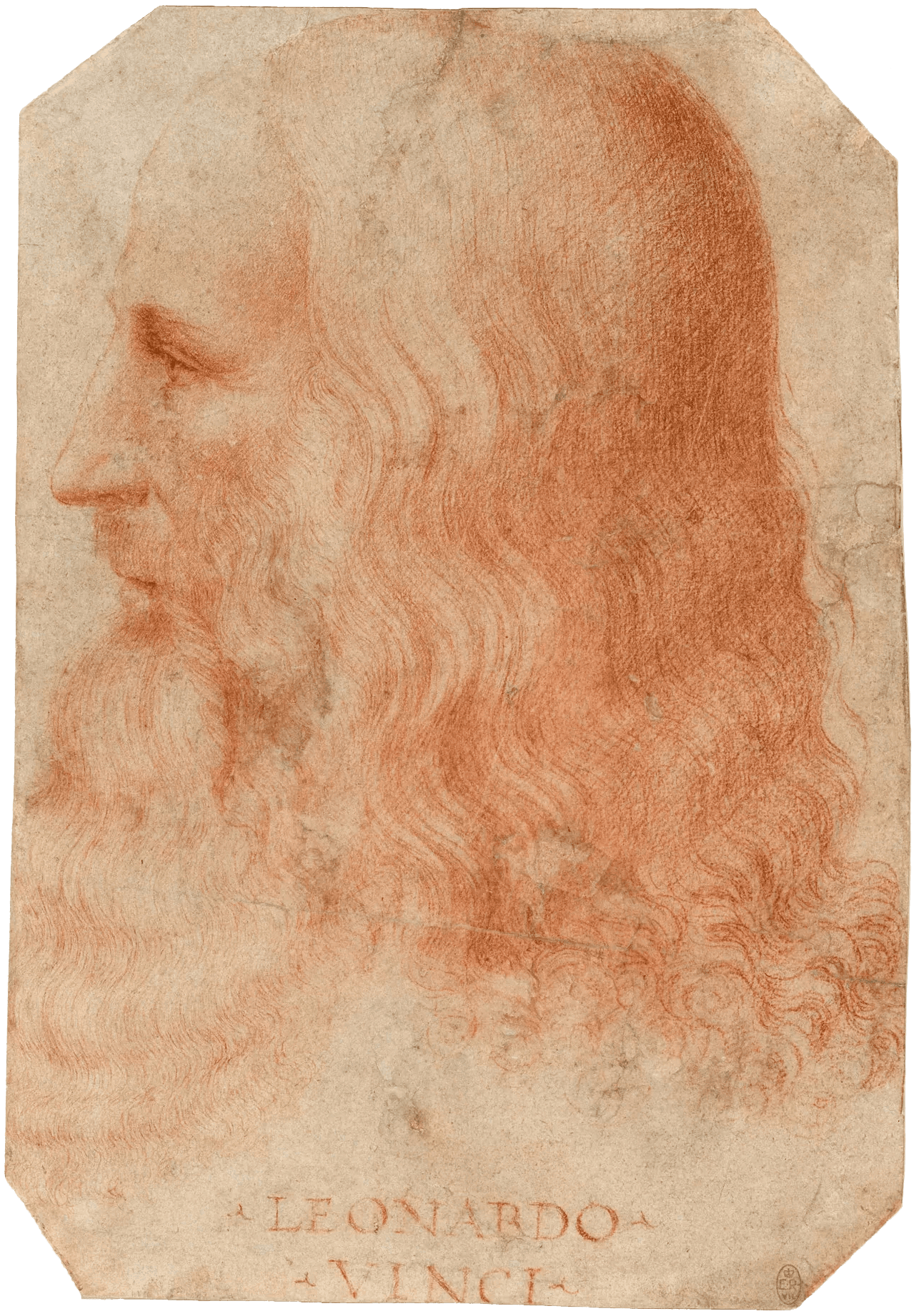
Leonardo da Vinci
person · 1452 CEGreat geniuses are rarely born with a clear path laid before them, and Leonardo di ser Piero da Vinci, born out of wedlock to a Tuscan notary and a lower-class woman, was no exception.
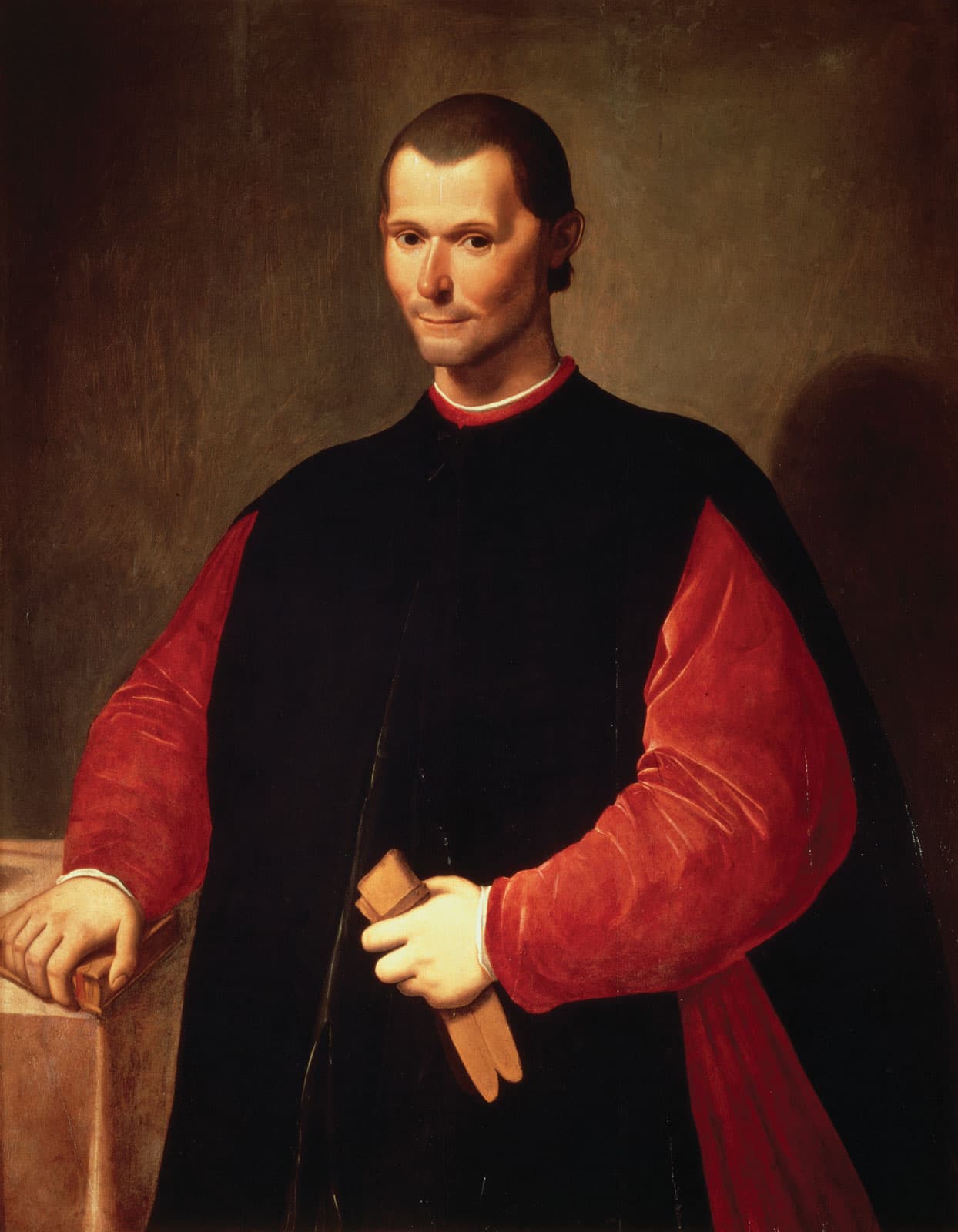
Niccolò Machiavelli
person · 1469 CEWhen the Medici family reclaimed control of Florence in 1512, Niccolò di Bernardo dei Machiavelli was stripped of his diplomatic post, falsely accused of treason, and cast into exile.
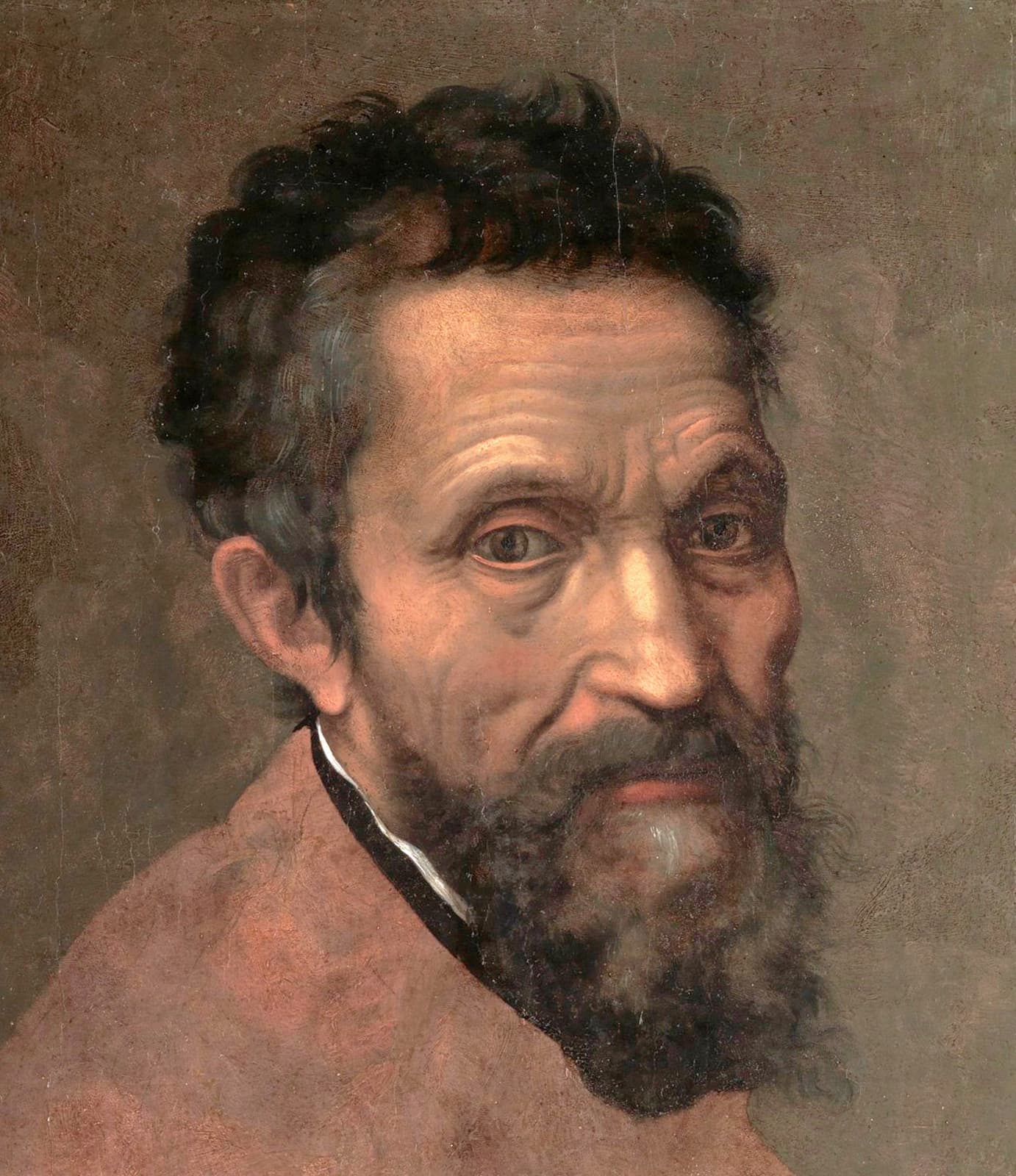
Michelangelo
person · 1475 CETo his contemporaries, Michelangelo di Lodovico Buonarroti Simoni was simply *Il Divino*, the divine one, an artist whose work possessed a fierce, awe-inspiring power they called *terribilità*.
University of Copenhagen
organization · 1479 CEWhen Queen Dorothea of Brandenburg journeyed to Rome in 1475, she secured a papal bull from Pope Sixtus IV that would reshape the intellectual landscape of the North.
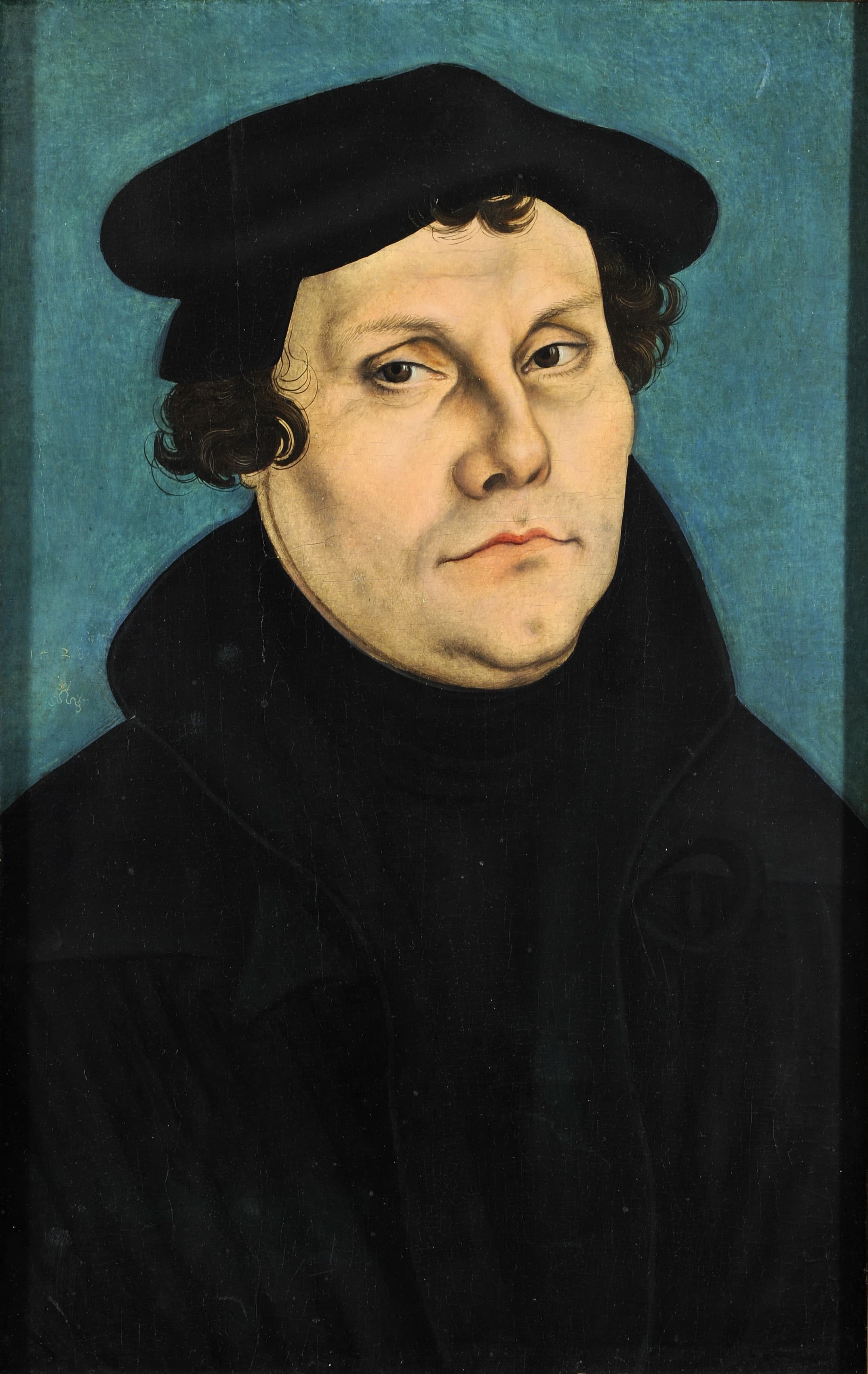
Martin Luther
person · 1483 CEThe fracturing of Western Christendom began not with an army, but with a scholar’s doubt.
Early Modern
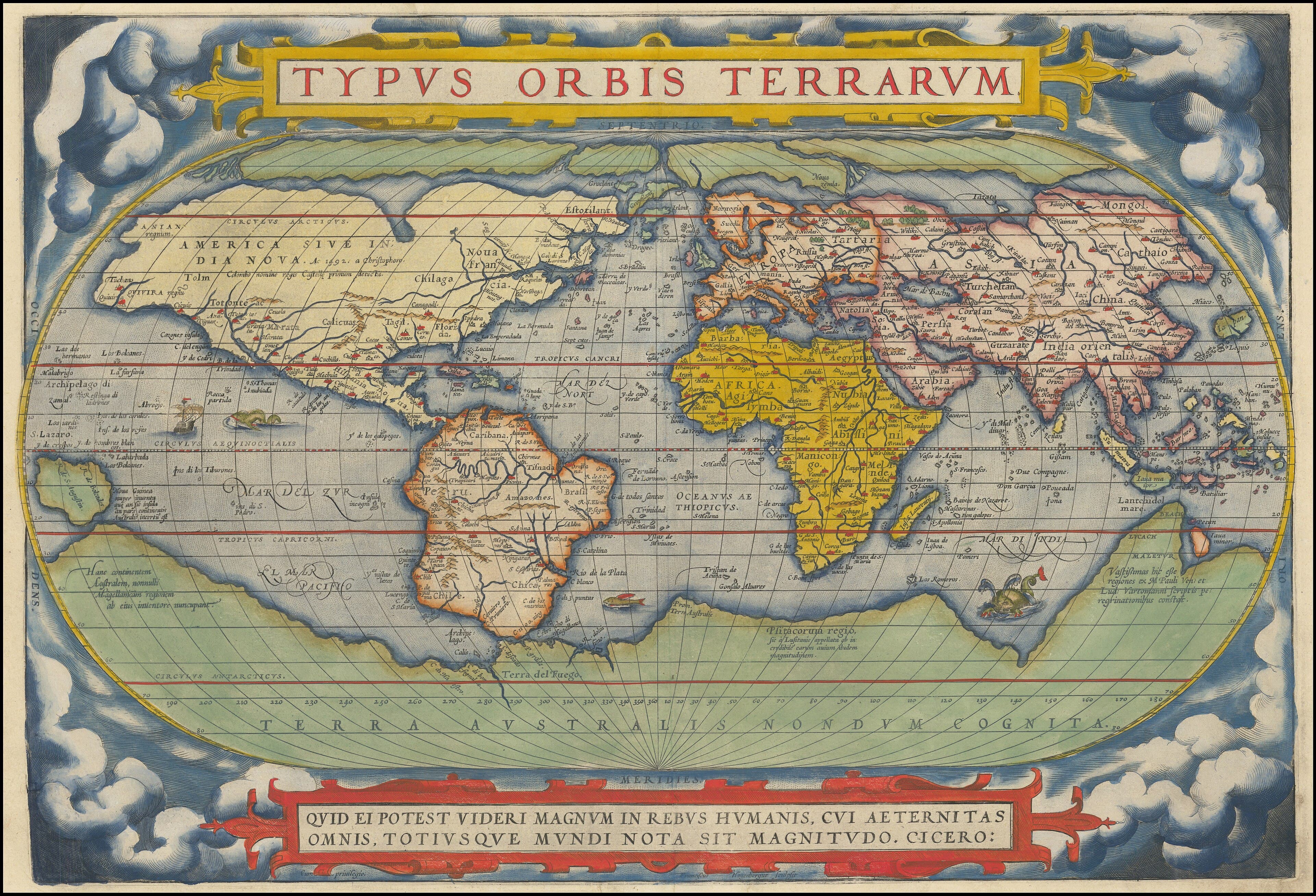
Age of Discovery
event · 15th c. CEThe impulse to sail beyond the horizon transformed a fragmented planet into a single, interconnected world-system, binding previously isolated civilizations together for the first time.
Reformation
concept · 1517 CEIn 1517, a German monk named Martin Luther published his Ninety-five Theses, unwittingly signaling the end of the Middle Ages and fracturing the spiritual monopoly of Western Christianity.
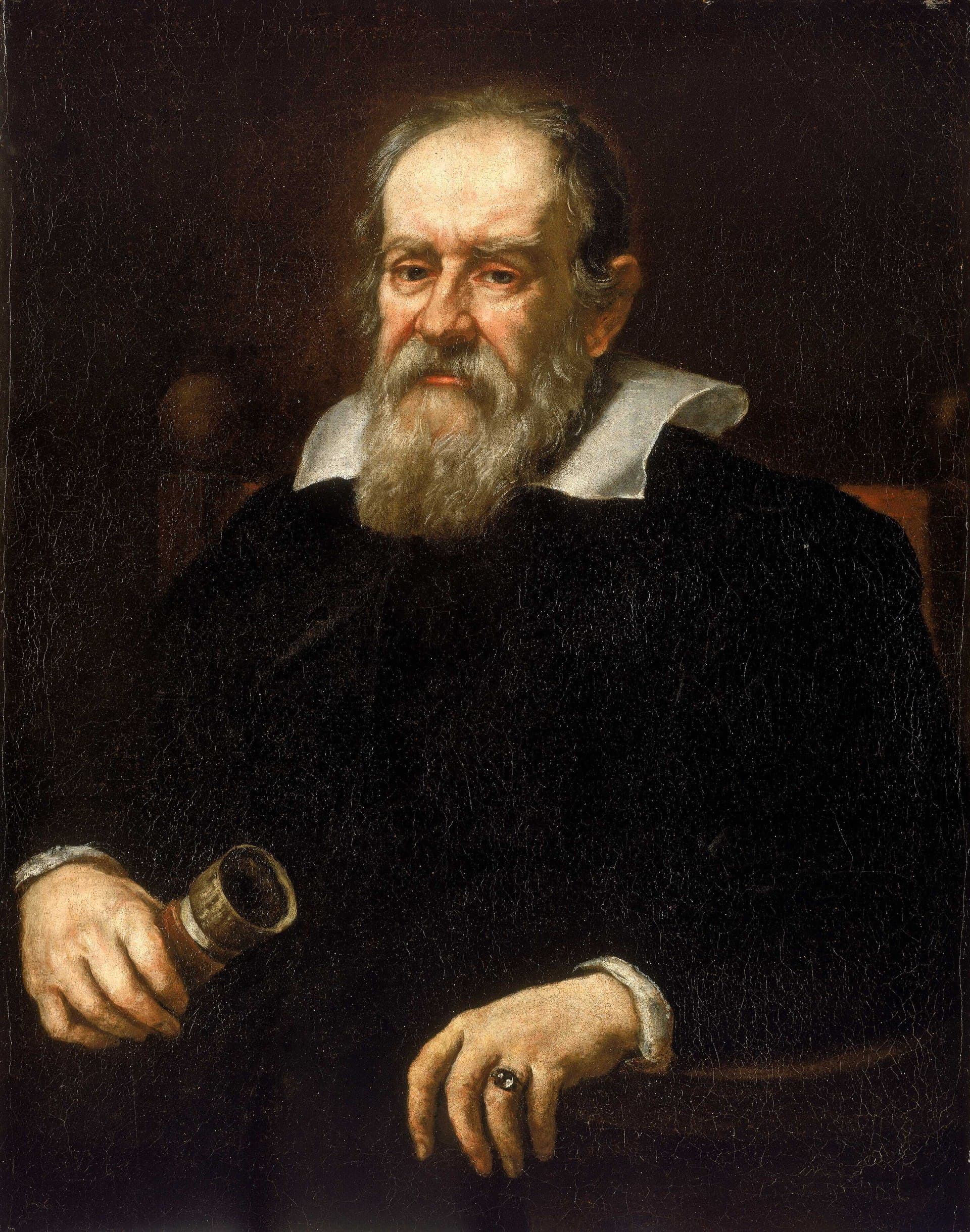
Galileo Galilei
person · 1564 CEThe lute is an instrument of precise mathematical ratios, a truth well understood by the Florentine composer Vincenzo Galilei.