Civilization · 600 BCE – 155 CE · 10 entries
Early China
Classical
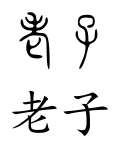
Laozi
person · 6th c. BCESomewhere in the sixth century BCE, in the southern state of Chu, an archivist of the royal Zhou court named Li Er is said to have grown weary of the declining dynasty and departed for the western wilderness.
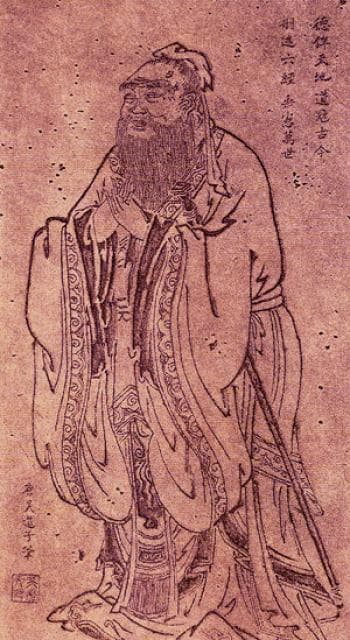
Confucius
person · 551 BCEThe master who would shape the moral architecture of East Asia did not see himself as an innovator, but as a preservationist.
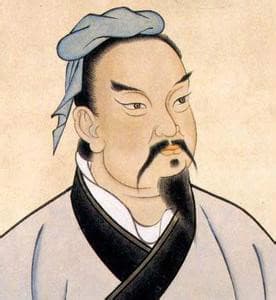
Sun Tzu
person · 544 BCETo command an army, one must first be able to command the court.
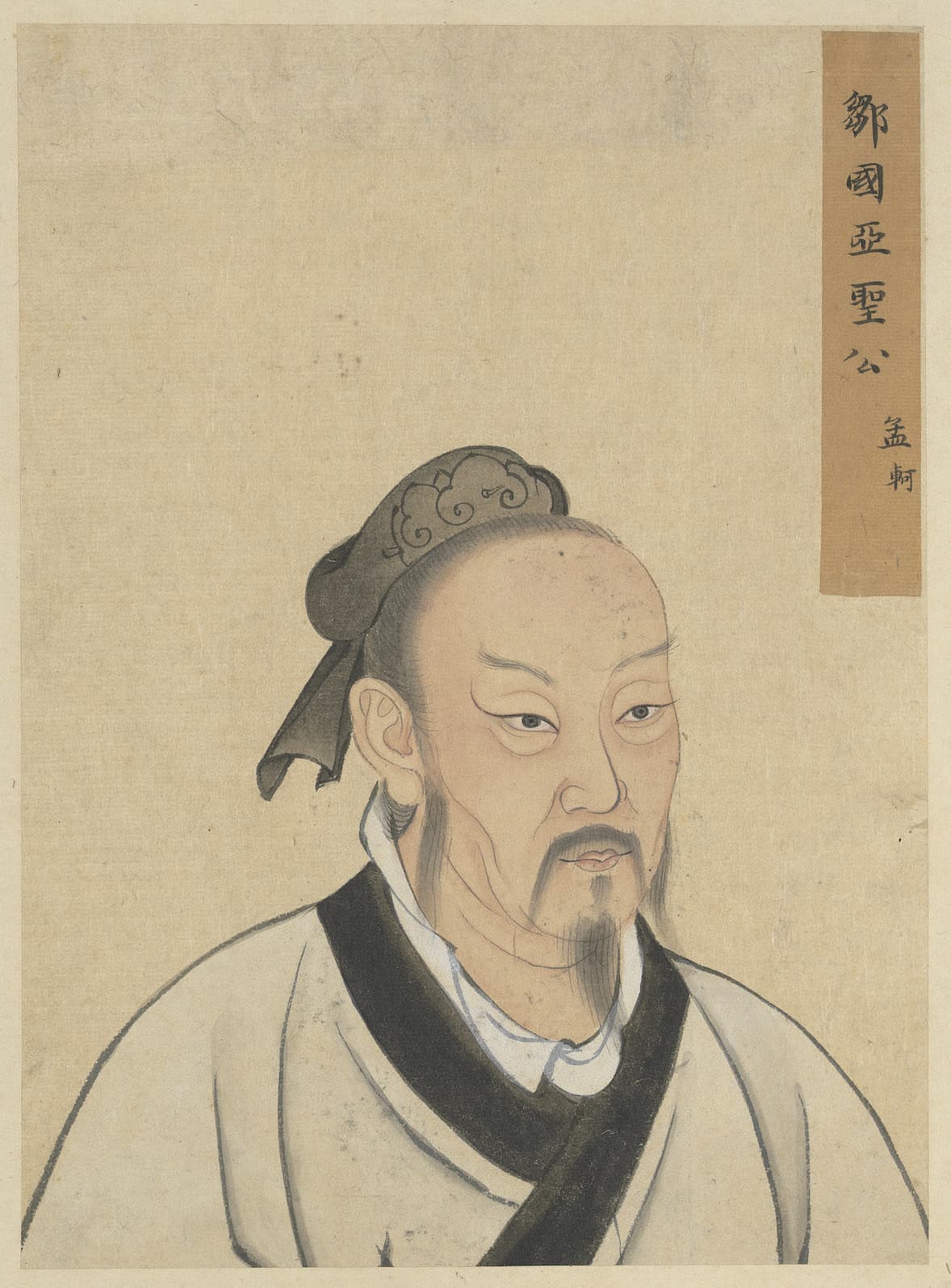
Mencius
person · 372 BCETo believe that human beings are fundamentally good, even while watching the Chinese world fracture into the bloody chaos of the Warring States period, required a singular kind of intellectual courage.
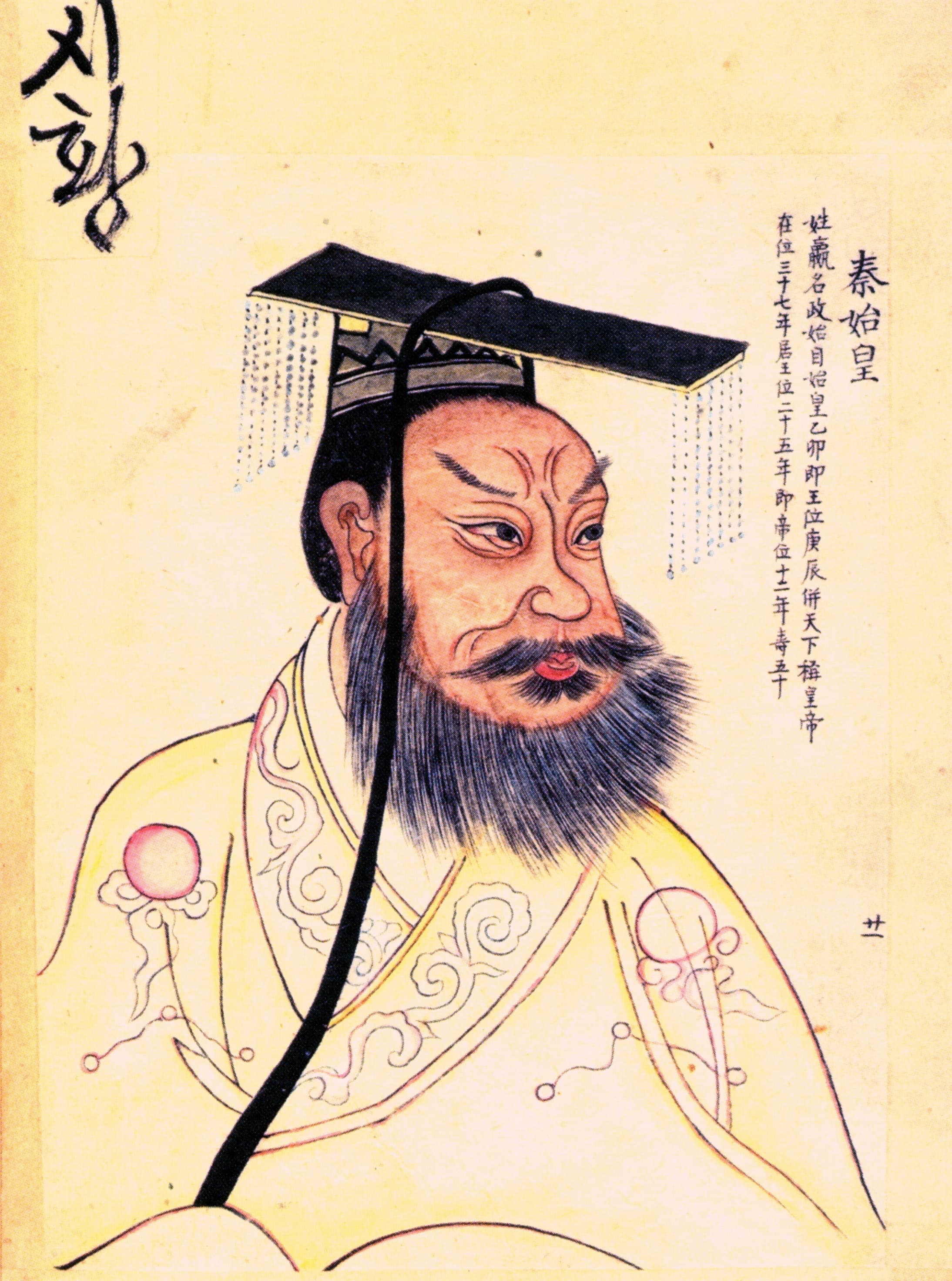
Qin Shi Huang
person · 259 BCEIn the third century BCE, a single ruler dismantled the fragmented world of the Warring States to forge a unified empire, discarding the traditional title of king to fashion himself as Huangdi—the first emperor of China.
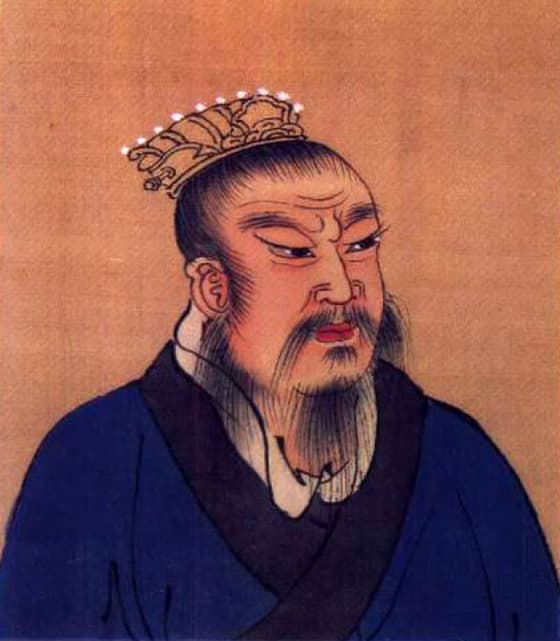
Emperor Gaozu of Han
person · 256 BCEBefore he founded one of the most enduring dynasties in Chinese history, Liu Bang was known to his father as a little rascal who showed little interest in education, work, or the law.
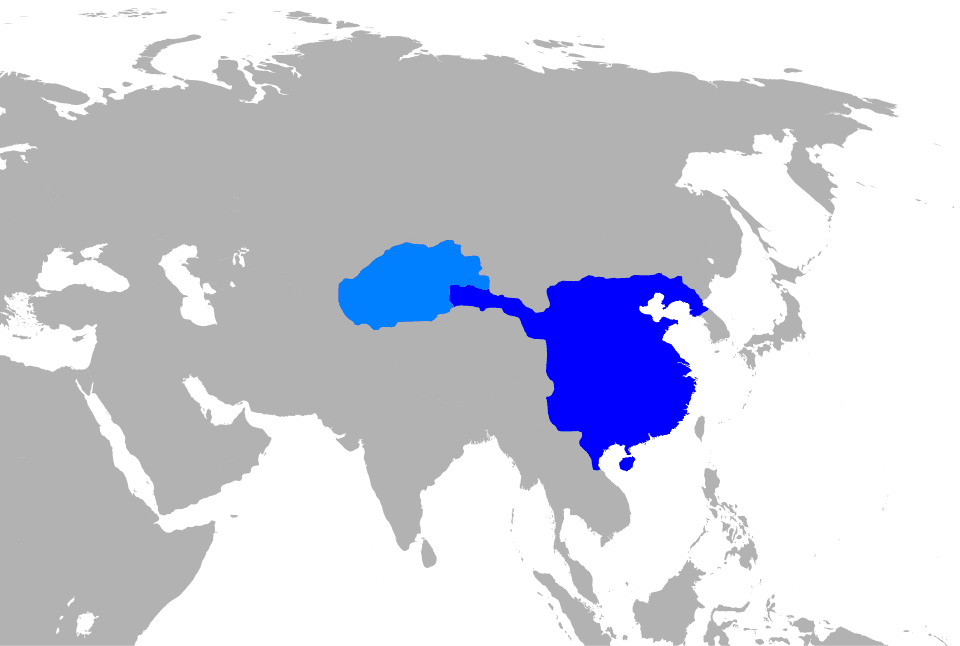
Han dynasty
event · 206 BCEWhen the peasant rebel Liu Bang established the Han dynasty in 202 BCE, he initiated a four-century epoch that permanently forged the identity of a civilization.
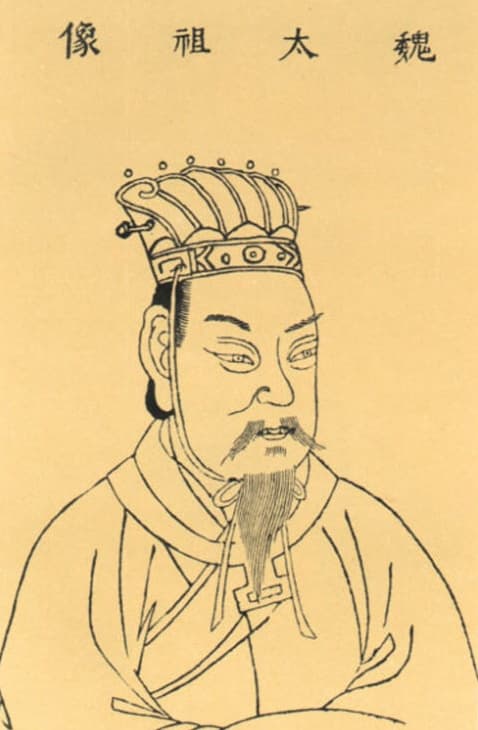
Cao Cao
person · 155 CETo understand the fractures that shattered the Han dynasty, one must look to Cao Cao, a man who built an empire in the shadow of a captive emperor.