Civilization · 1205 CE – 1618 CE · 12 entries
Delhi Sultanate and Mughal
Medieval
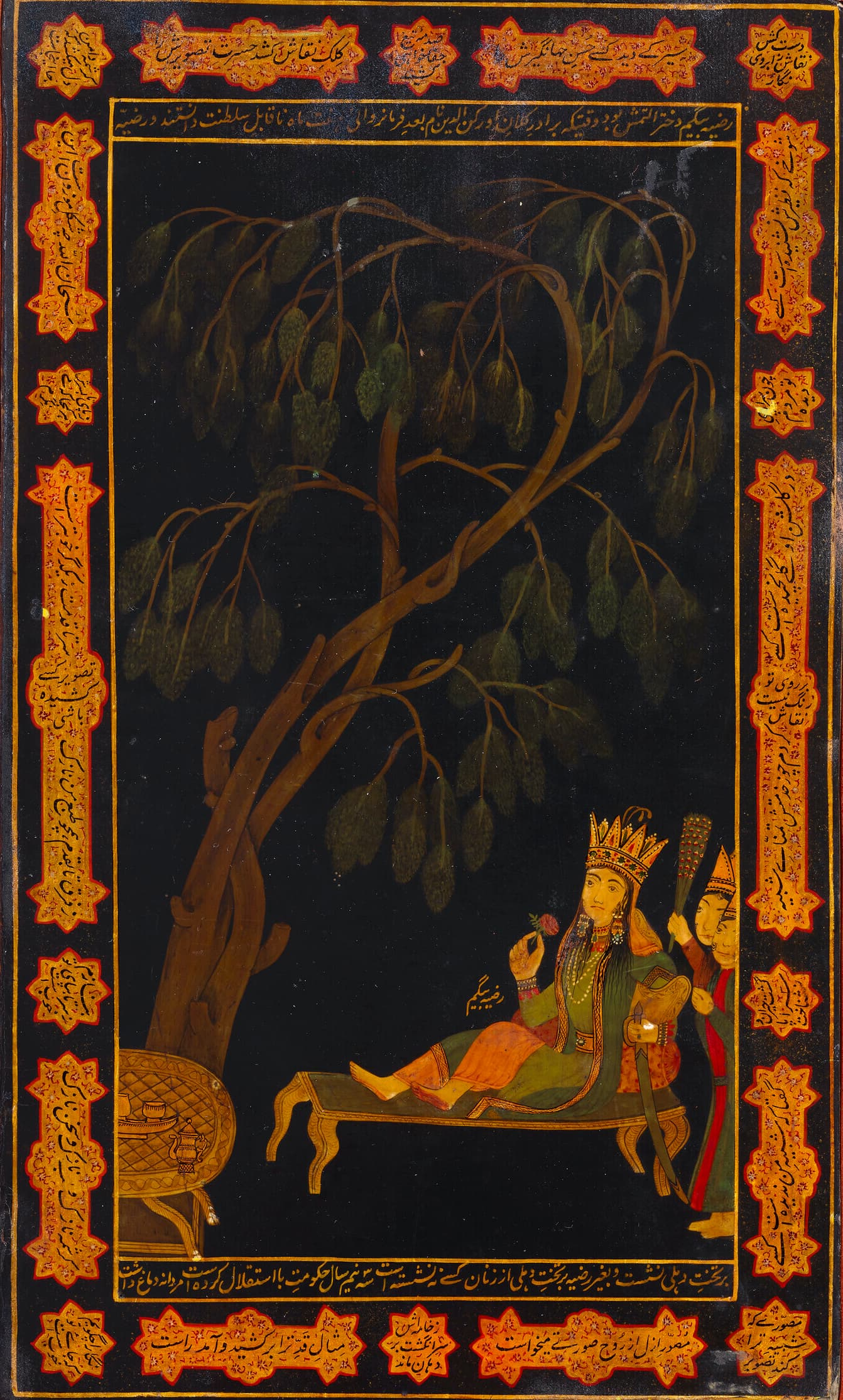
Razia Sultana
person · 1205 CEWhen Shamsuddin Iltutmish marched his armies out of Delhi in 1231, he bypassed his surviving sons and left his daughter, Raziyyat-Ud-Dunya Wa Ud-Din, in charge of the imperial capital.
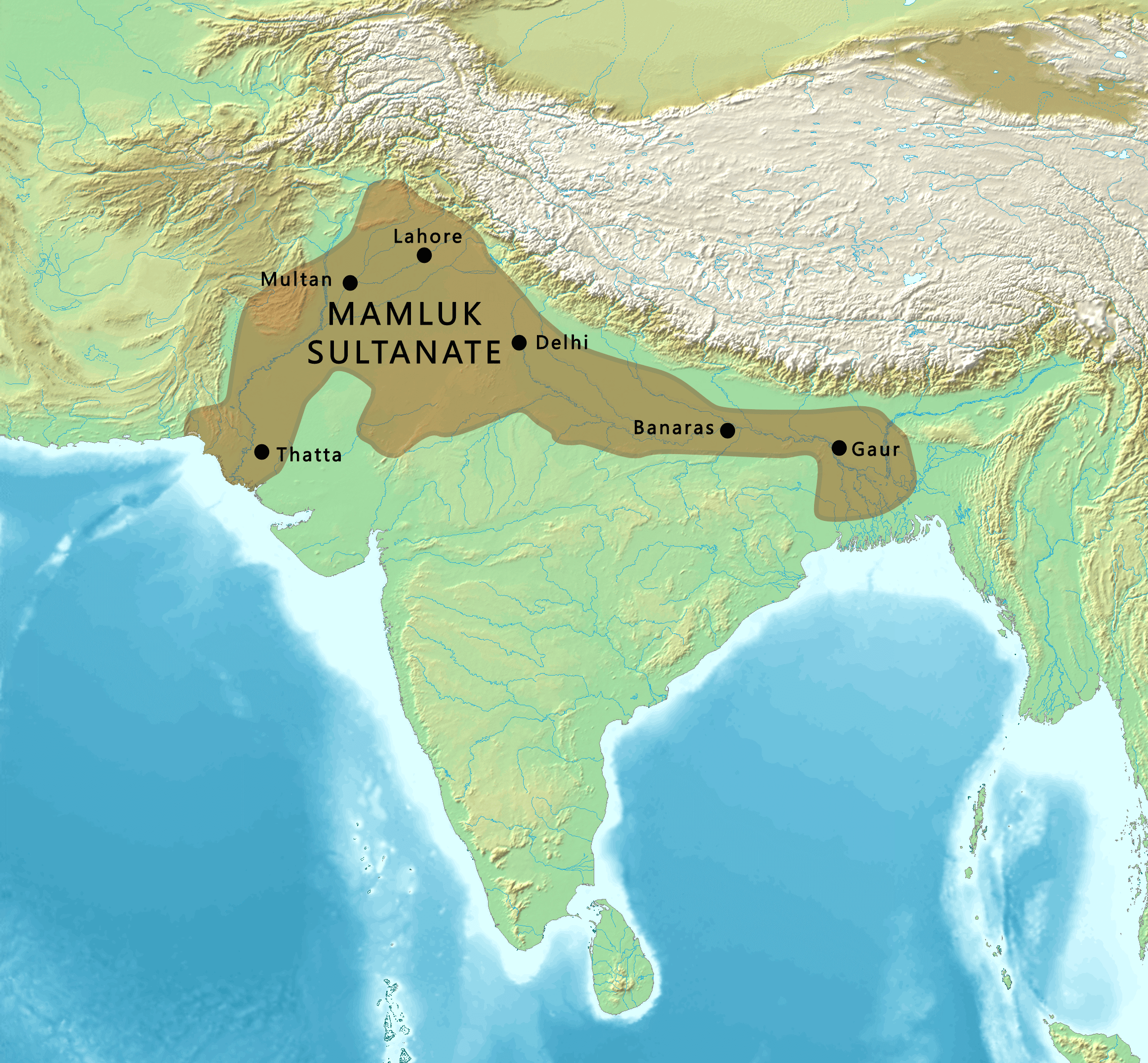
Delhi Sultanate
event · 1206 CEIn 1192, near the town of Tarain, the Ghurid conqueror Muhammad Ghori routed the Rajput Confederacy, setting in motion a political transformation that would reshape the Indian subcontinent for over three centuries.
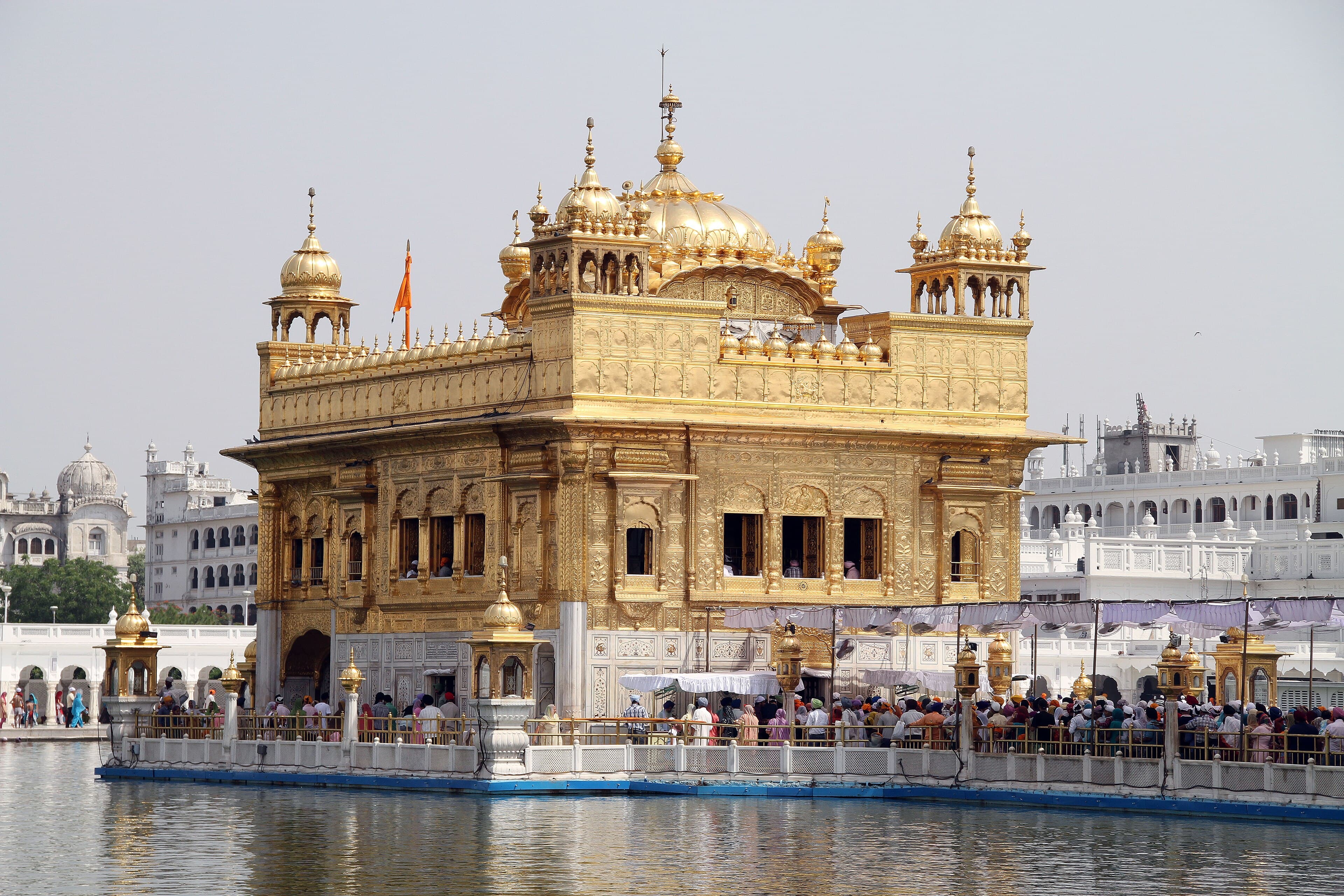
Sikhism
concept · 1469 CEIn the late fifteenth century, amid the fertile plains of the Punjab, a spiritual path emerged that defined itself not by conversion or the possession of exclusive truth, but by the lifelong pursuit of learning.
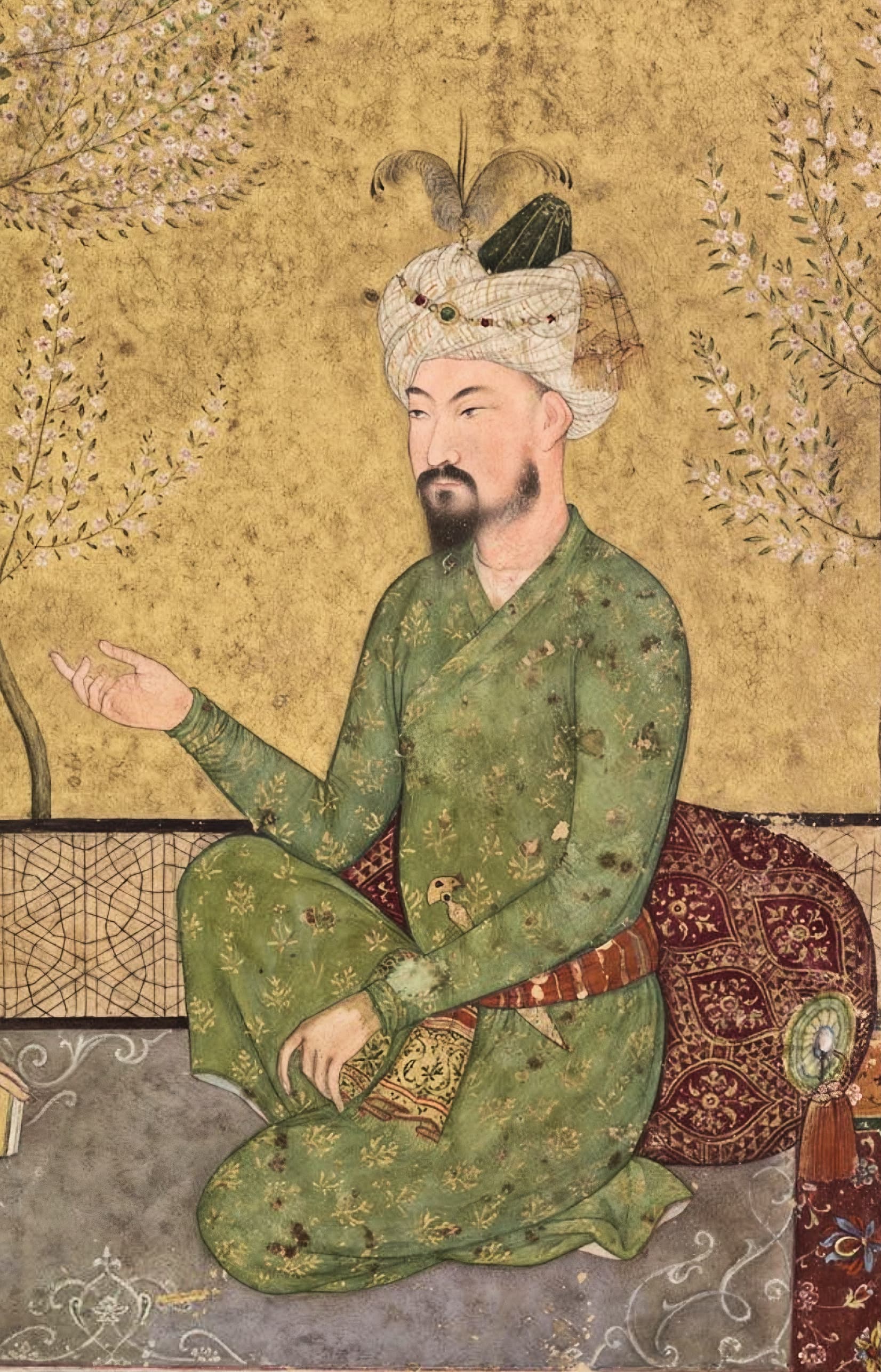
Babur
person · 1483 CETo carry the blood of both Timur and Genghis Khan was to inherit a legacy of relentless ambition, but Zahir ud-Din Muhammad, known to history as Babur, spent his youth as a king without a kingdom.
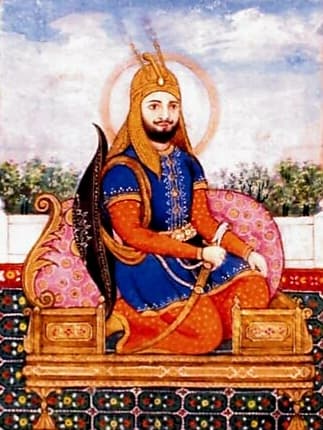
Sher Shah Suri
person · 1486 CETo understand how the great Mughal Empire was temporarily swept from the plains of Northern India, one must look to the brilliant, opportunistic rise of Farid al-Din Khan, later known as Sher Shah Suri.
Early Modern
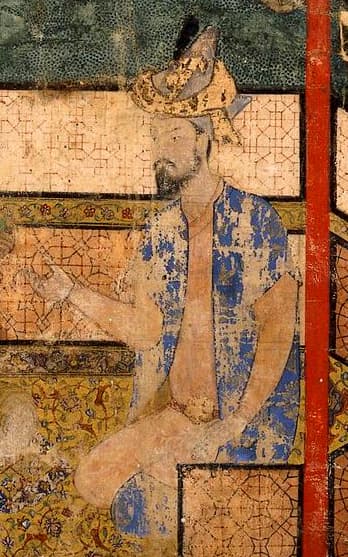
Humayun
person · 1508 CETo inherit the throne of Delhi in 1530 was to step into a lethal inheritance of rivalries, where fraternal peace was a rarity and the state was always at risk of tearing itself apart.
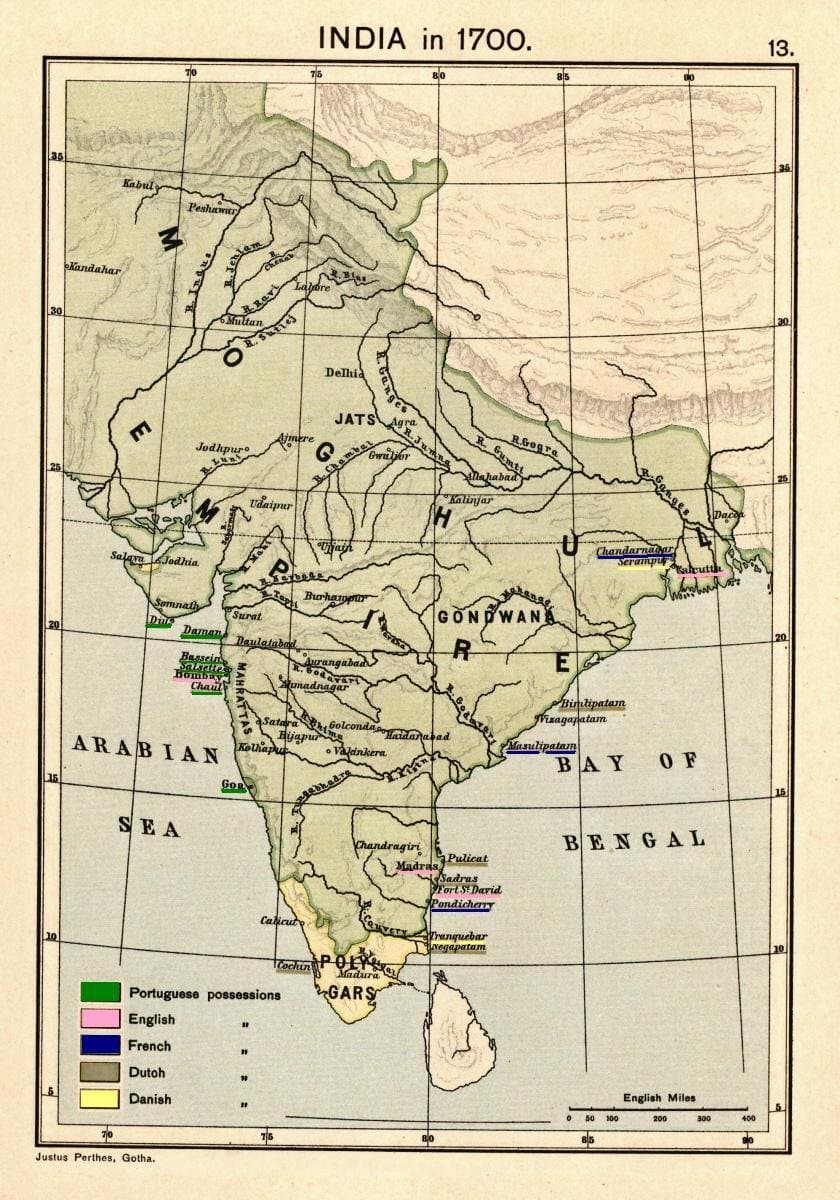
Mughal Empire
event · 1526 CEIn 1526, a ruler named Babur swept down from the region of modern Uzbekistan, aided by the Safavid and Ottoman empires, to defeat the sultan of Delhi at the First Battle of Panipat.
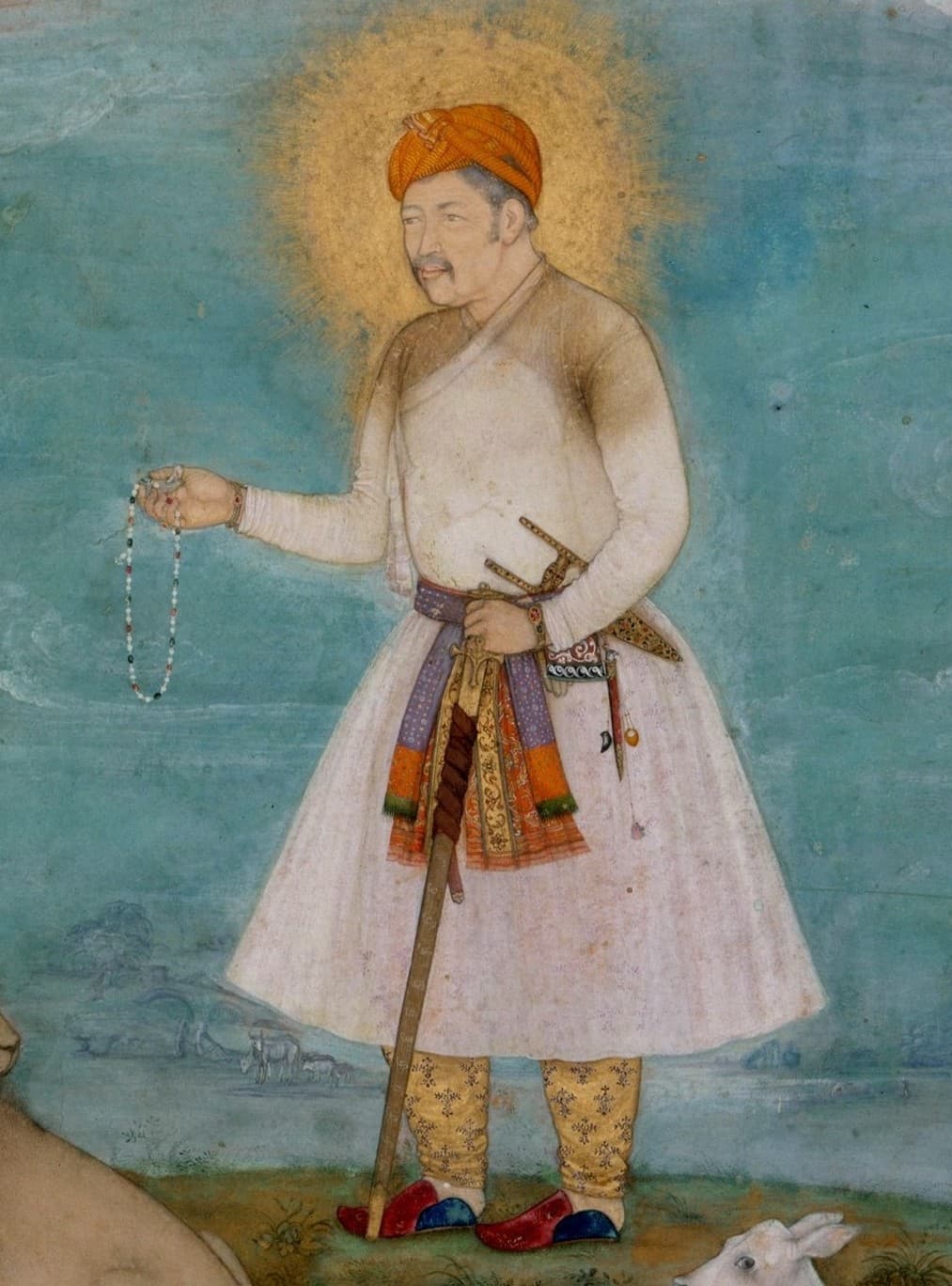
Akbar
person · 1542 CEBorn in the desert refuge of a Hindu Rajput fortress while his exiled father fled military defeat, Jalal-ud-Din Muhammad Akbar spent his childhood in Kabul learning to hunt, run, and fight rather than read or write.