Civilization · 808 BCE – 69 BCE · 10 entries
Classical Greece
Classical
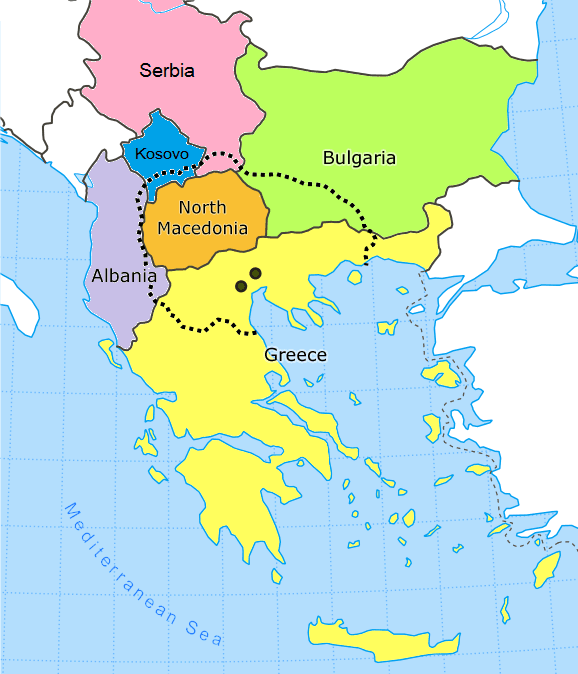
Macedonia
event · 808 BCEThe story of ancient Macedonia is one of dramatic expansion and sudden contraction, a kingdom of Greek antiquity that briefly became the center of the known world before collapsing under the weight of foreign conquest.
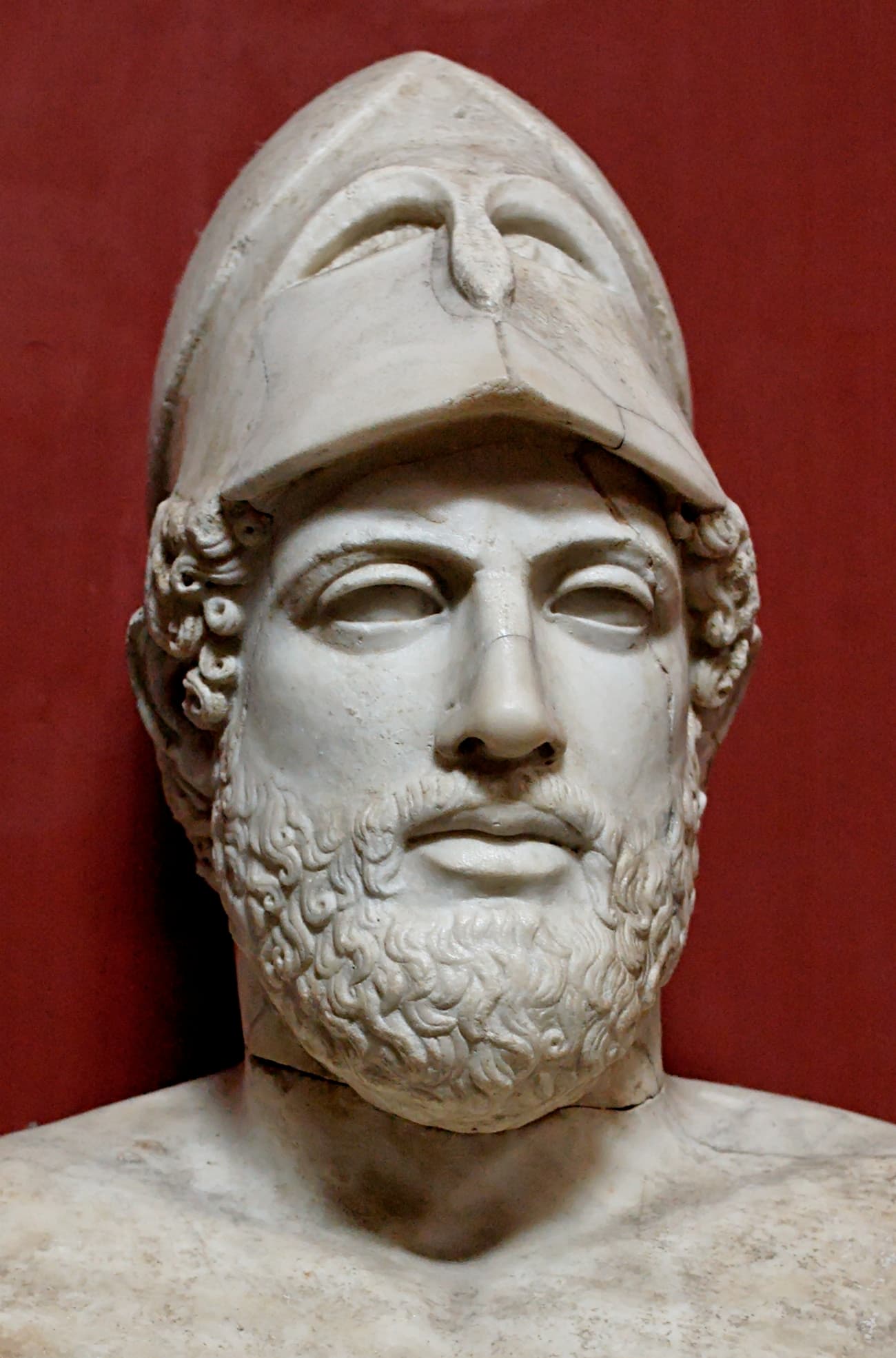
Pericles
person · 494 BCEA few nights before giving birth, Agariste dreamed she had delivered a lion—an omen of greatness that foreshadowed the formidable figure her son would become.
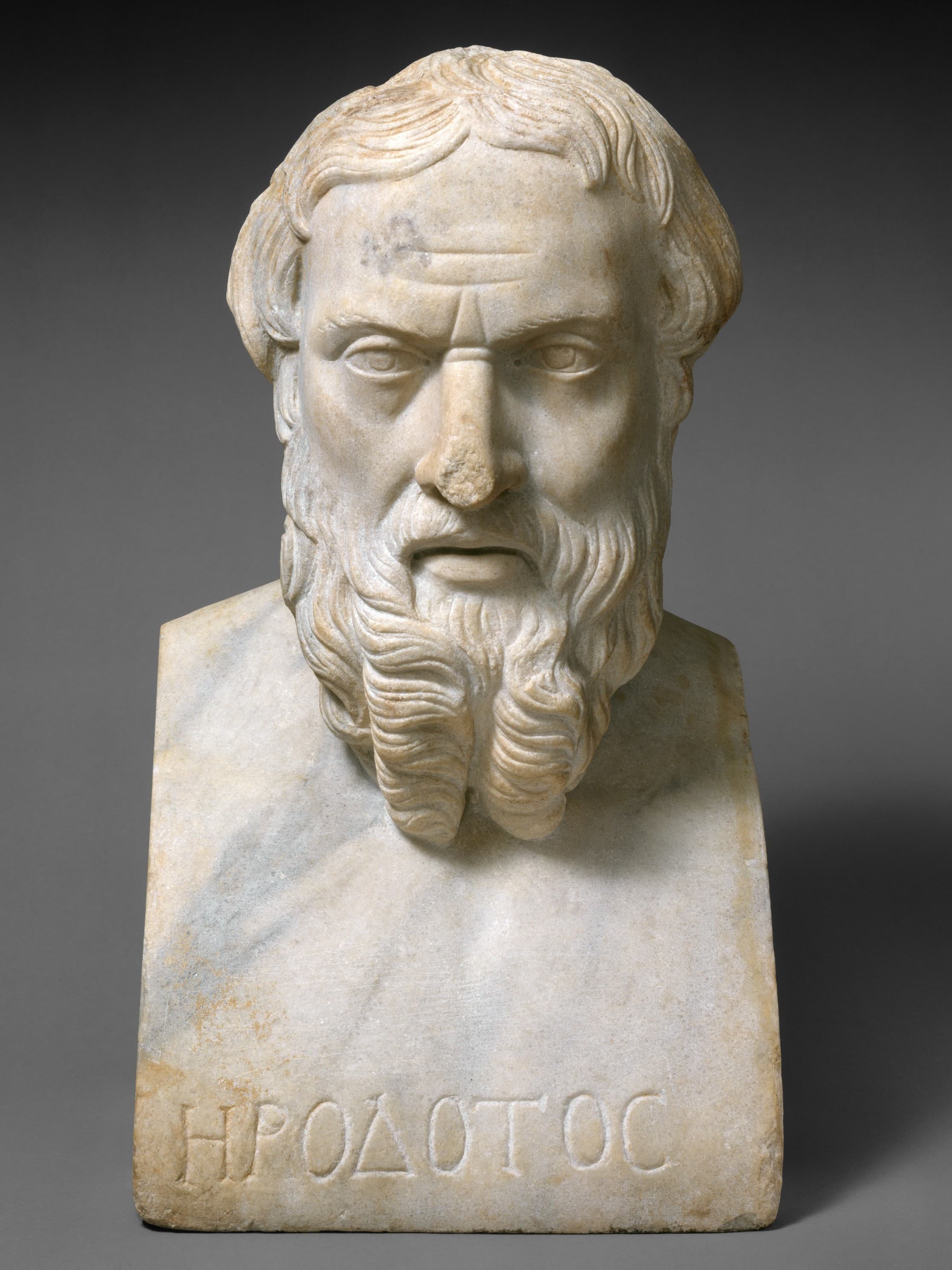
Herodotus
person · 484 BCETo write the history of a world-shaping clash, one must first learn to listen to the world itself.
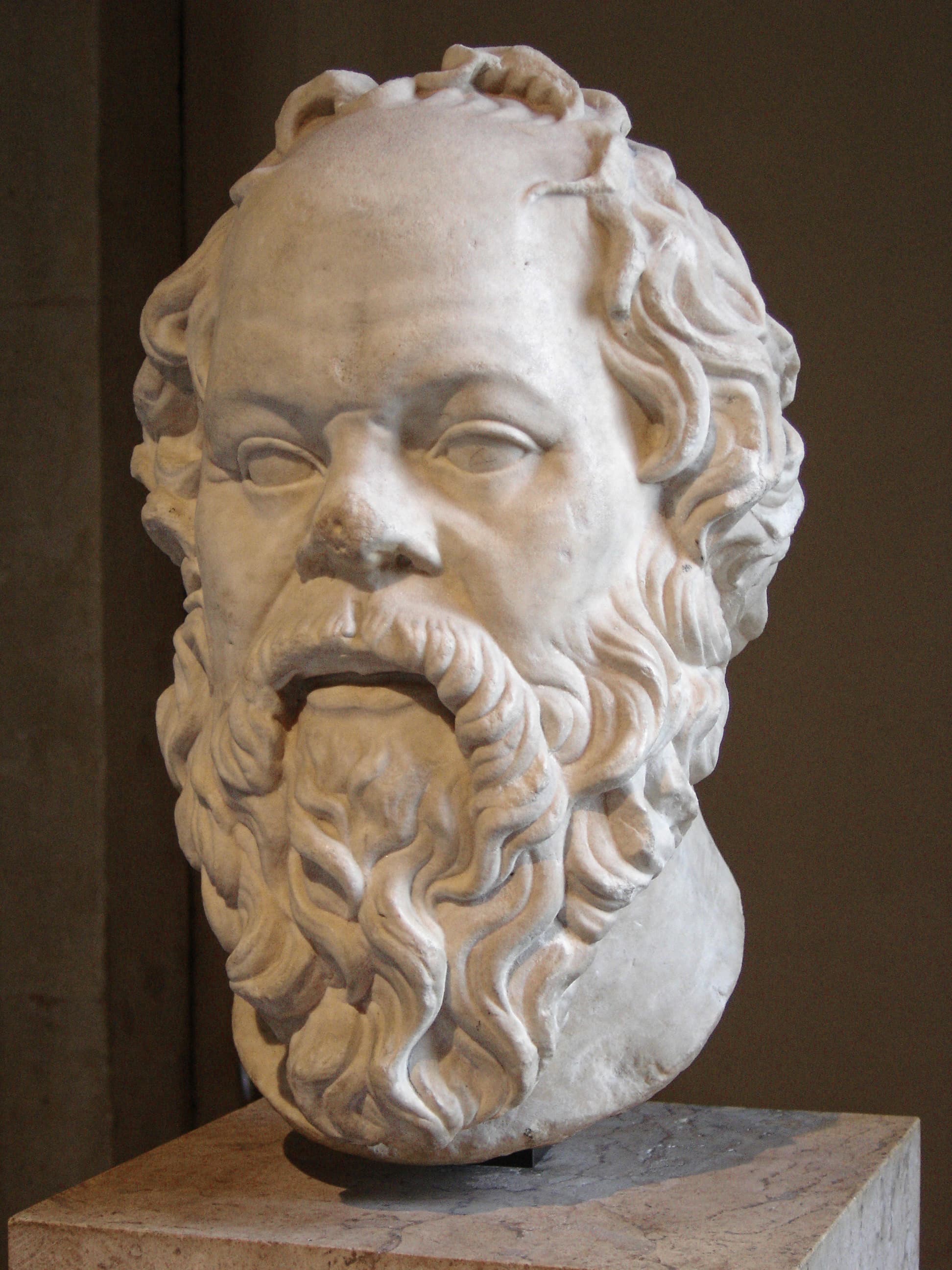
Socrates
person · 470 BCEIn ancient Athens, a man who wrote absolutely nothing managed to permanently reshape the trajectory of human thought.
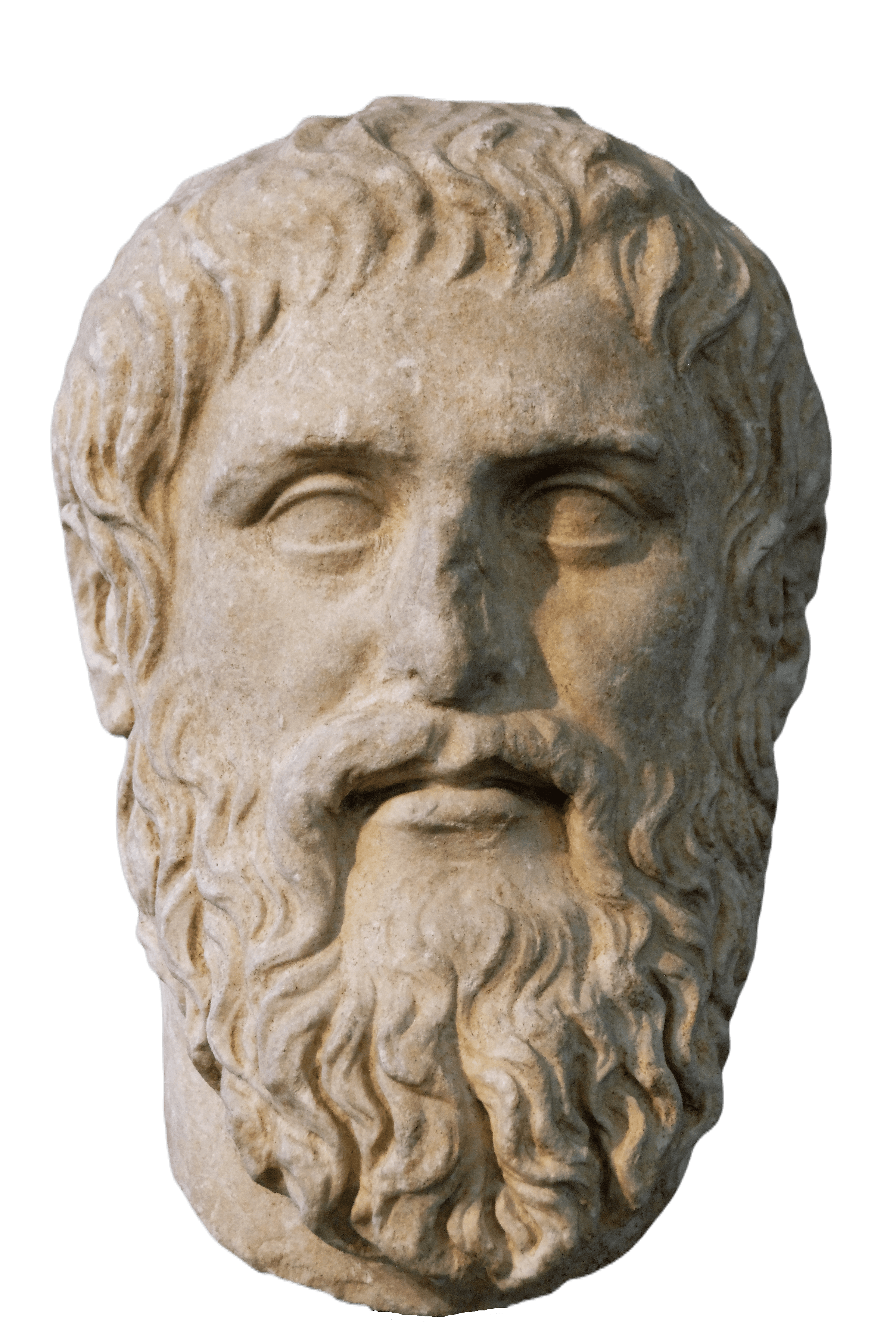
Plato
person · 430s BCETo burn one’s own tragedies and lyric poems after a single encounter with a teacher is the act of a young man experiencing a quiet intellectual revolution.
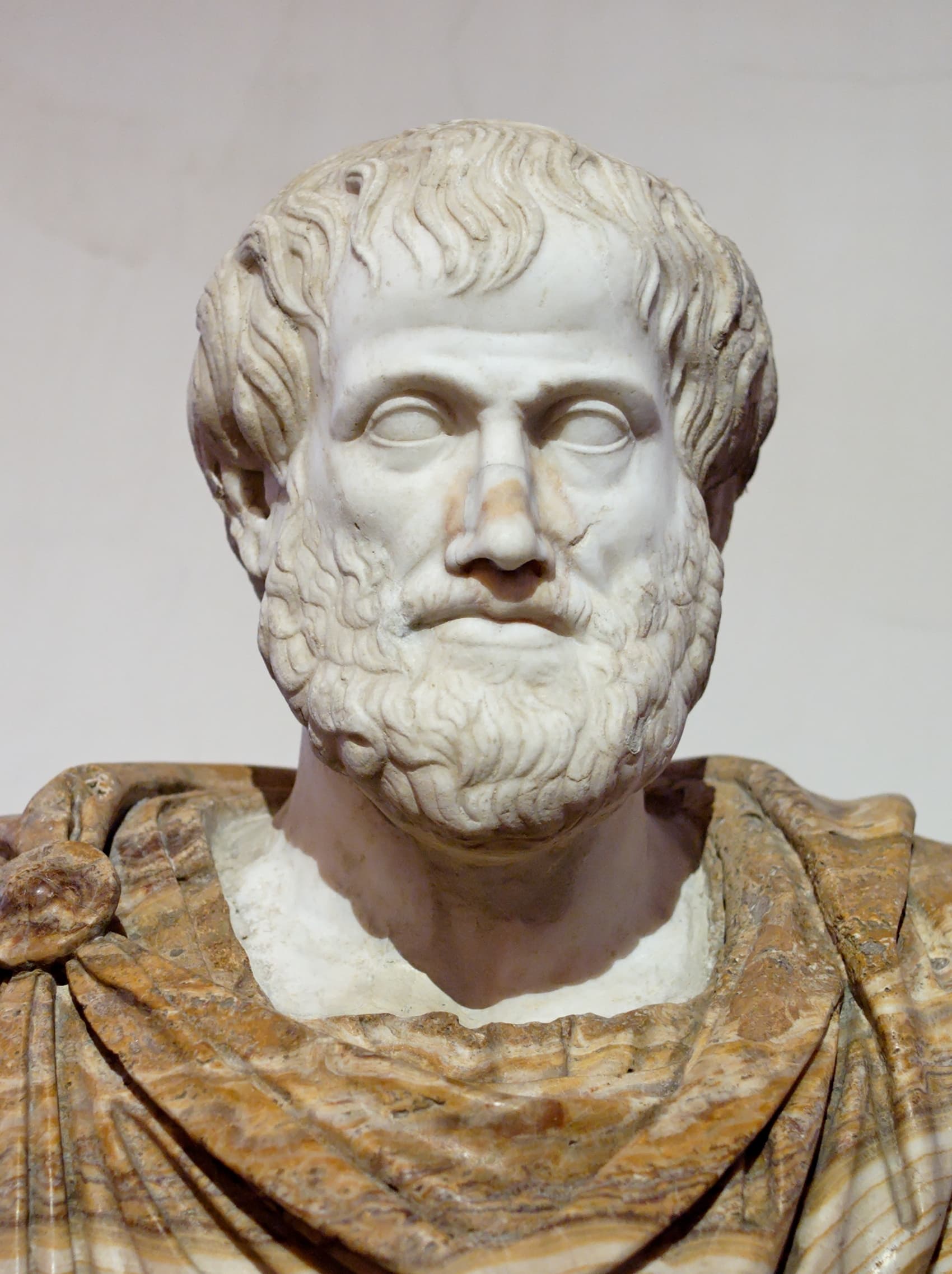
Aristotle
person · 384 BCEWe possess only a fraction of the words written by the man medieval scholars called simply "The Philosopher," and none of what survived was ever meant for the public eye.
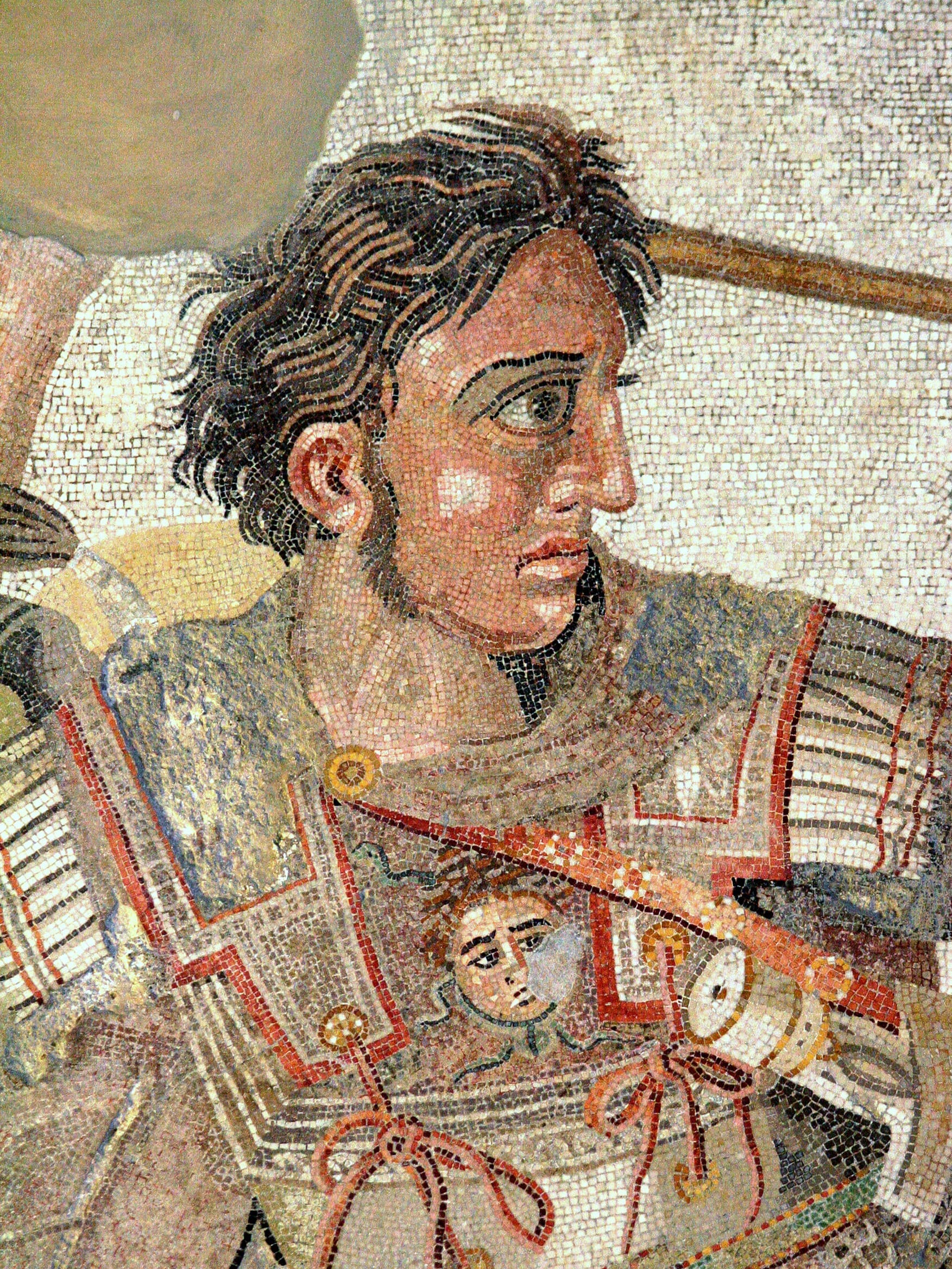
Alexander the Great
person · 356 BCEBy the time he was thirty years old, Alexander III of Macedon had carved an empire out of the ancient world that stretched from the Adriatic Sea to the waters of the Indus River.
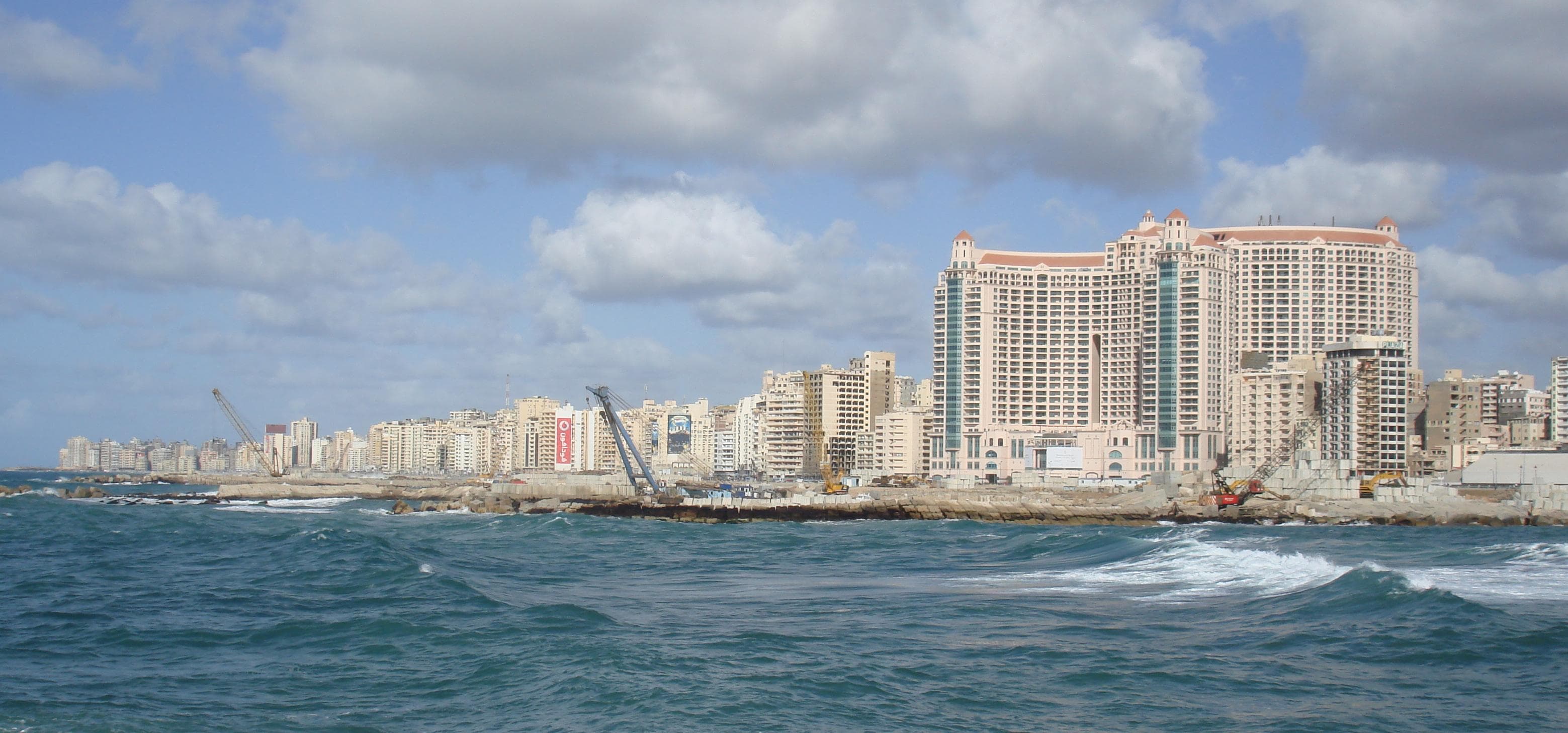
Alexandria
place · 331 BCETo understand the ancient Mediterranean is to understand the city that rose from the western edge of the Nile River Delta, near an Egyptian settlement named Rhacotis.
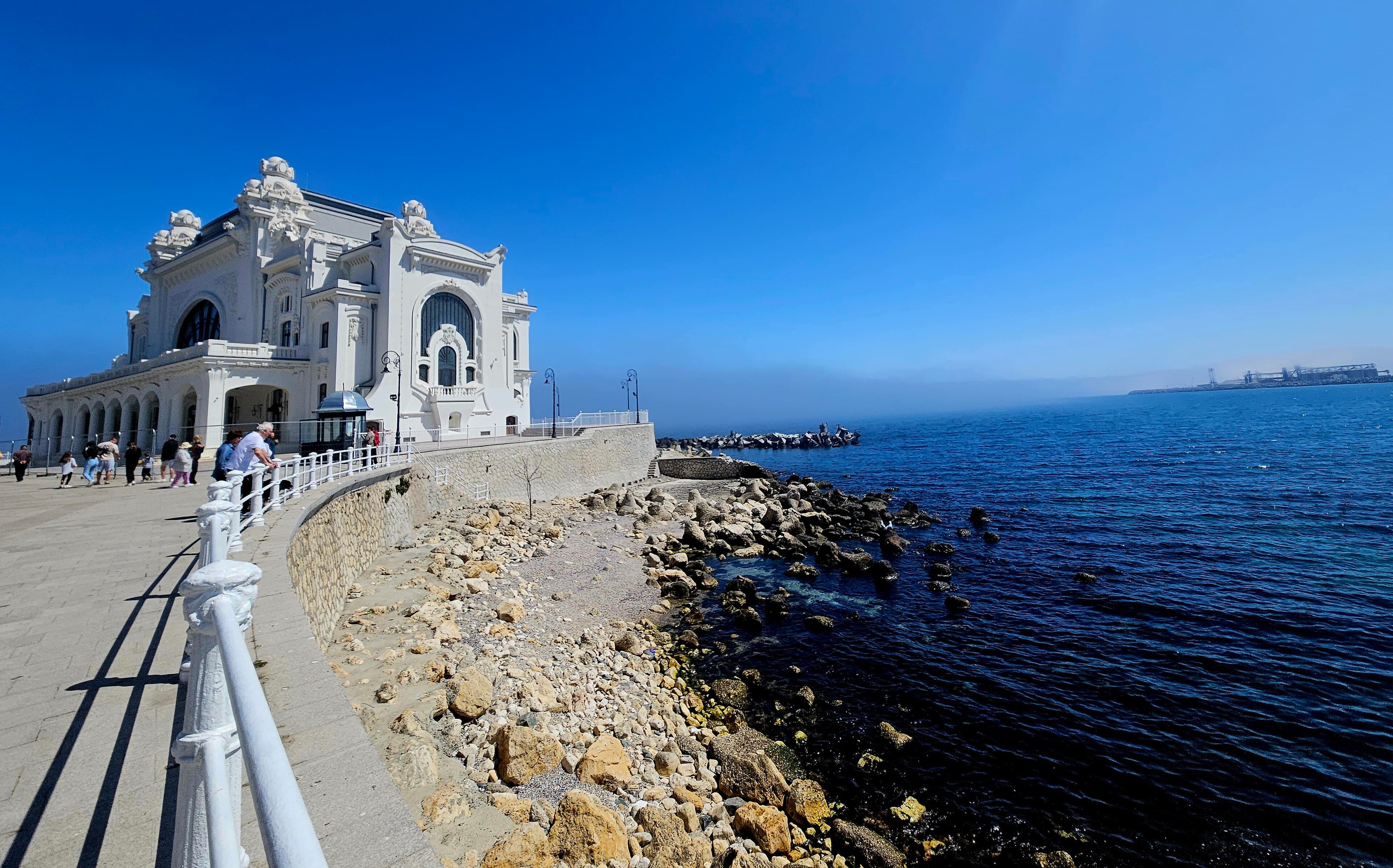
Constanța
place · 3rd c. BCECenturies before it bore its current name, the Romanian port of Constanța was known to the Greek world as Tomis, a colony anchored to a high-cliffed peninsula on the edge of the Black Sea.
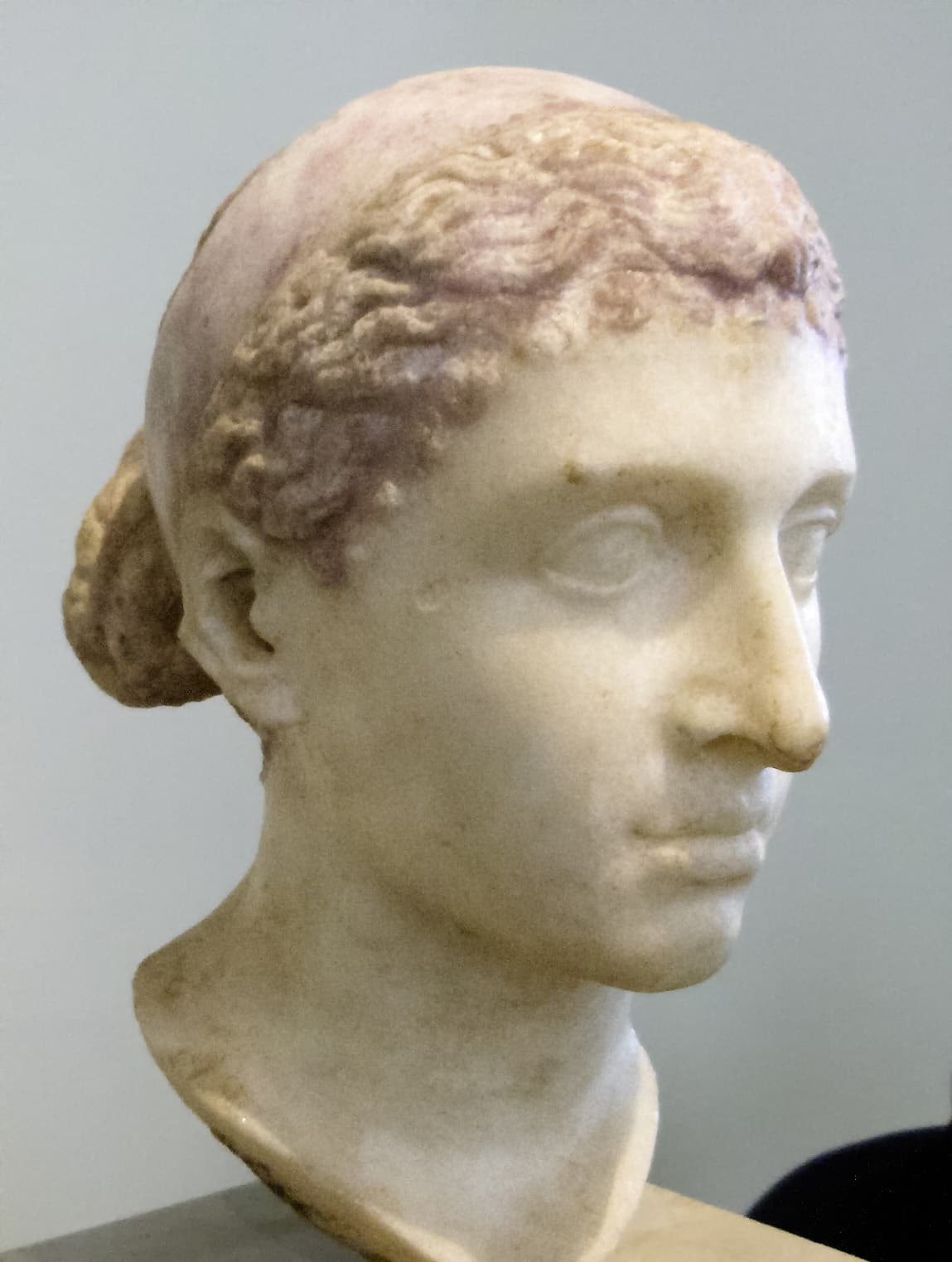
Cleopatra
person · 69 BCEThe Ptolemaic rulers of Egypt had governed from Alexandria for nearly three centuries, yet not one of them bothered to learn the language of the people they ruled—until Cleopatra VII Thea Philopator.