Civilization · 1100 CE – 1665 CE · 9 entries
Central African Kingdoms
Medieval
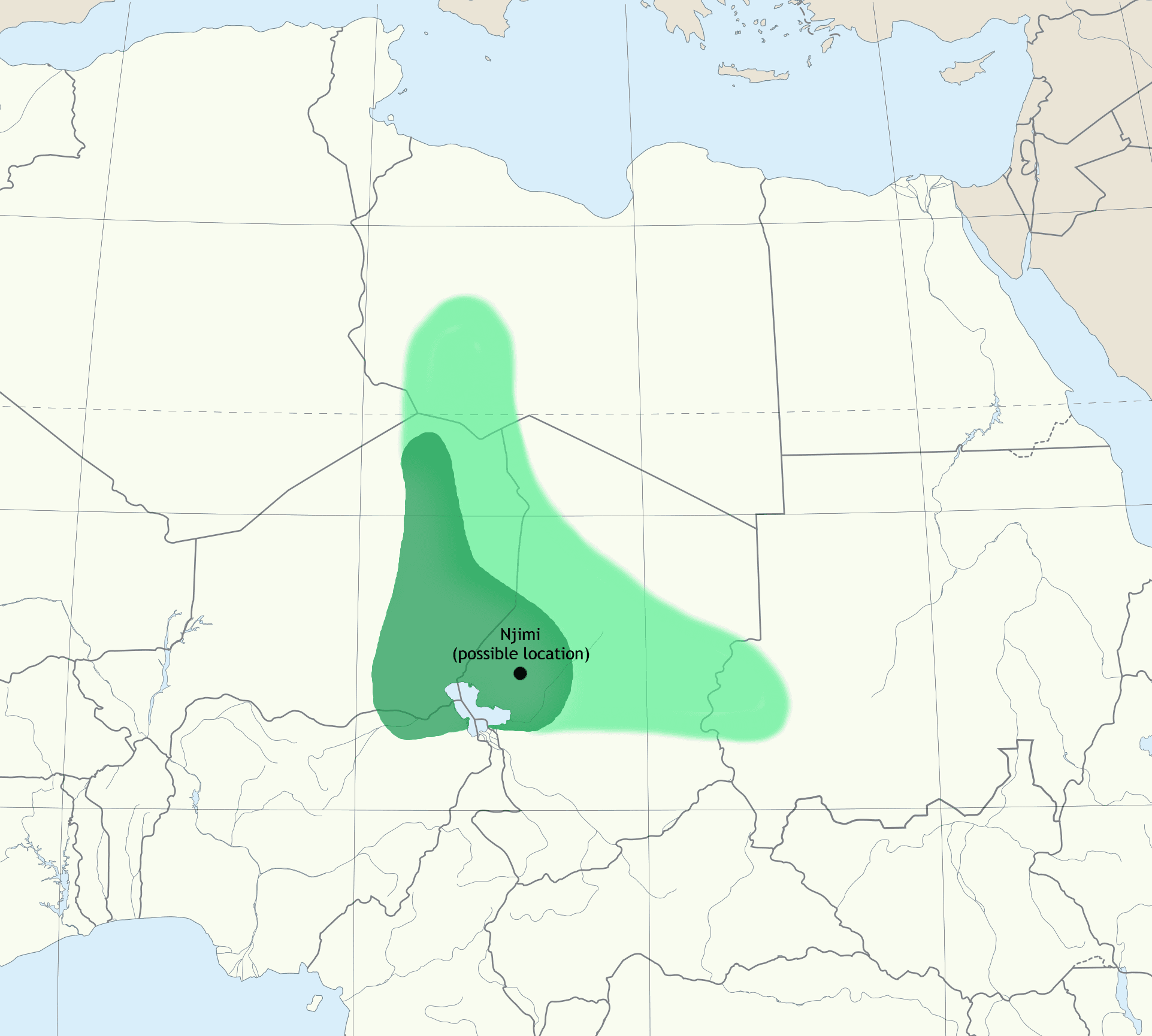
Kanem-Bornu Empire
event · 11th c. CEFor eight centuries, the political and economic life of Central Africa revolved around the shifting waters of Lake Chad.

Kingdom of Kongo
event · 1395 CEBefore Portuguese caravels ever sighted the West African coast, a sophisticated network of power was quietly consolidating along the banks of the Congo River.
Early Modern

Kingdom of Loango
event · 1550 CEFor centuries along the Atlantic coast of Central Africa, a traveler tracing the shoreline north of the Congo River would encounter a domain built on cloth, copper, and clever diplomacy.
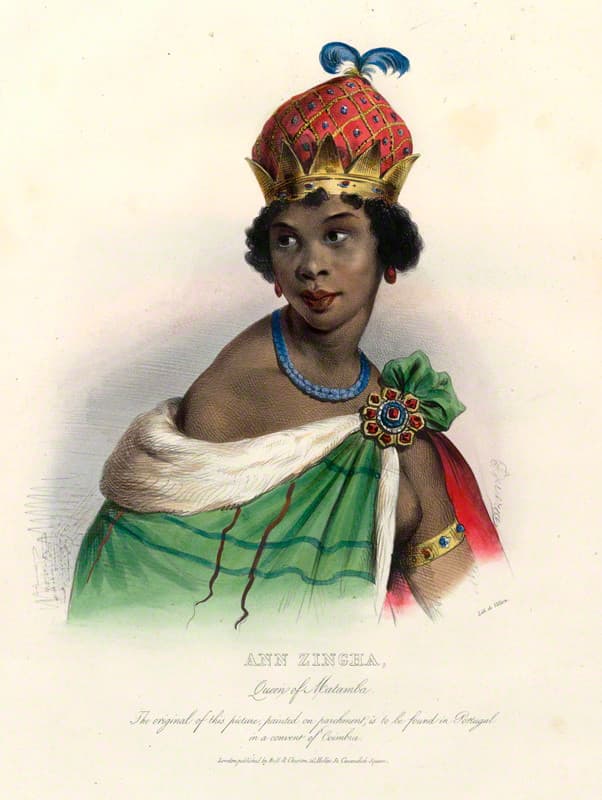
Nzinga of Ndongo and Matamba
person · 1582 CELegend has it that she was born with her umbilical cord twisted around her neck—a sign to the Mbundu people of central West Africa that the newborn girl would grow to possess spiritual gifts, pride, and immense power.
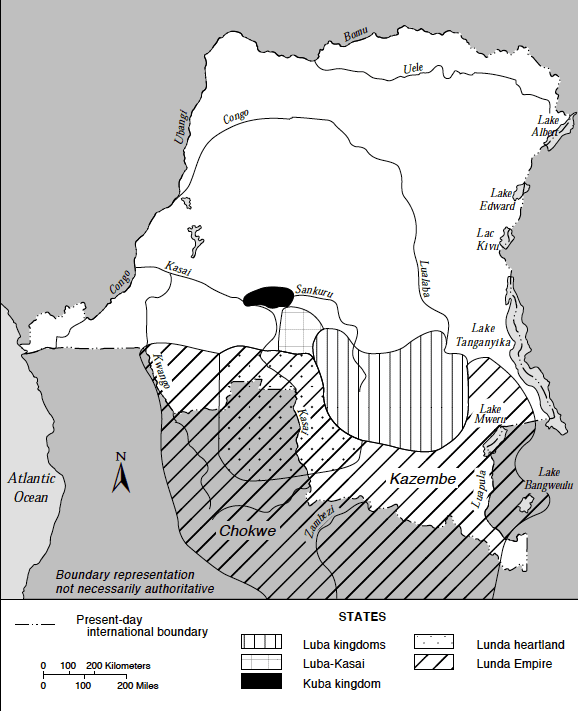
Luba Empire
event · 1585 CECenturies before the rise of their empire, the people of the Upemba Depression were already master technologists of the wetlands.