Civilization · 6000 BCE – 1200 BCE · 5 entries
Bronze Age Collapse
Ancient
Ugarit
place · 6k BCEBeneath the coastal soil of northern Syria, ten kilometers north of modern Latakia, lies the accumulated debris of some seven thousand years of continuous human habitation.
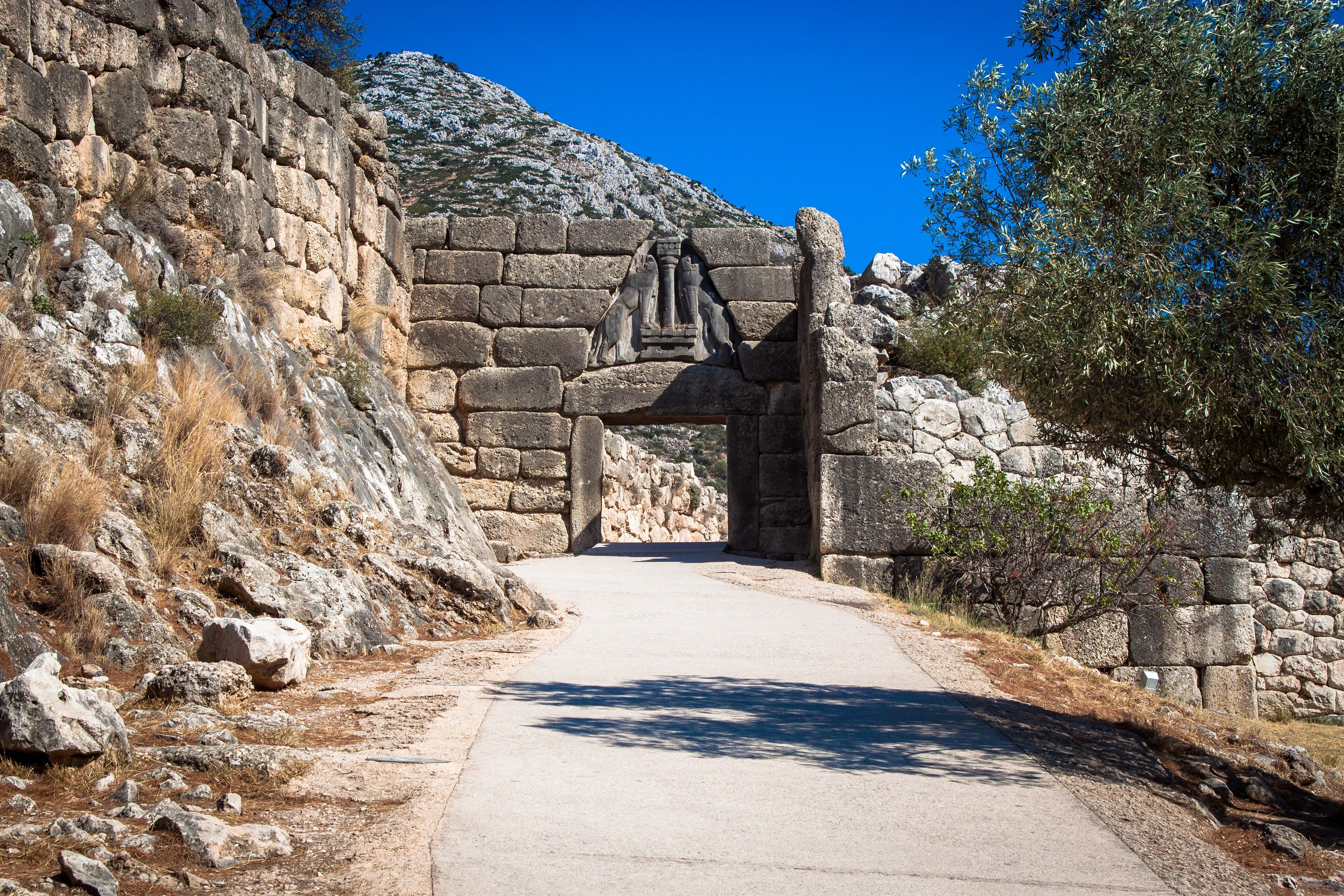
Mycenae
place · 30th c. BCEHigh on a hill rising 274 meters above the Argive plain, the ruins of Mycenae command the strategic routes leading to the Isthmus of Corinth.
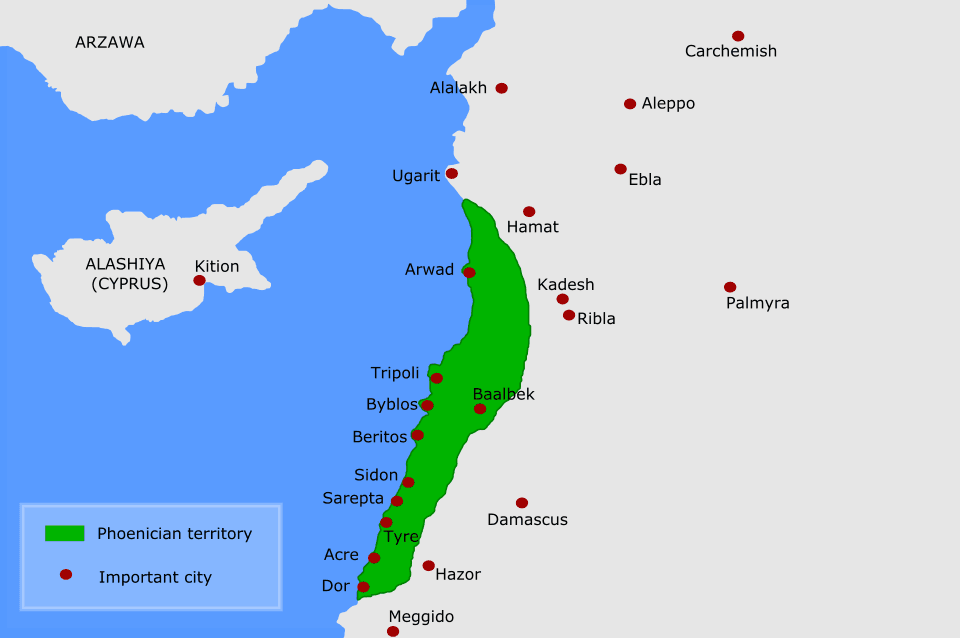
Phoenicia
event · 2500 BCEBefore the Greeks named them, the people of the eastern Mediterranean coast called themselves Canaanites.
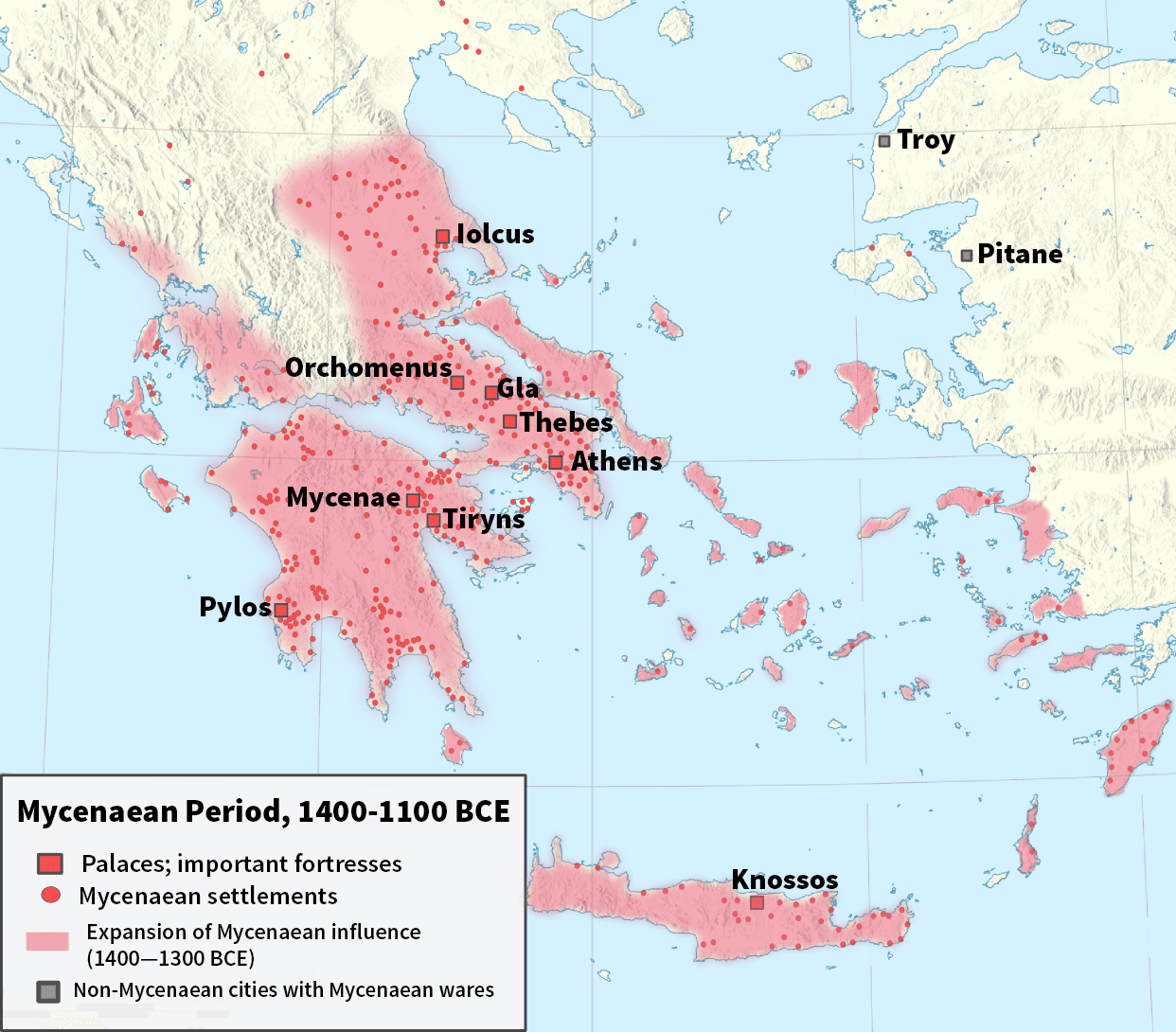
Mycenaean Greece
concept · 1600 BCECenturies before the philosophers of Athens debated in the agora, a warrior elite ruled the Greek mainland from monumental palace-states like Pylos, Tiryns, and Mycenae itself.
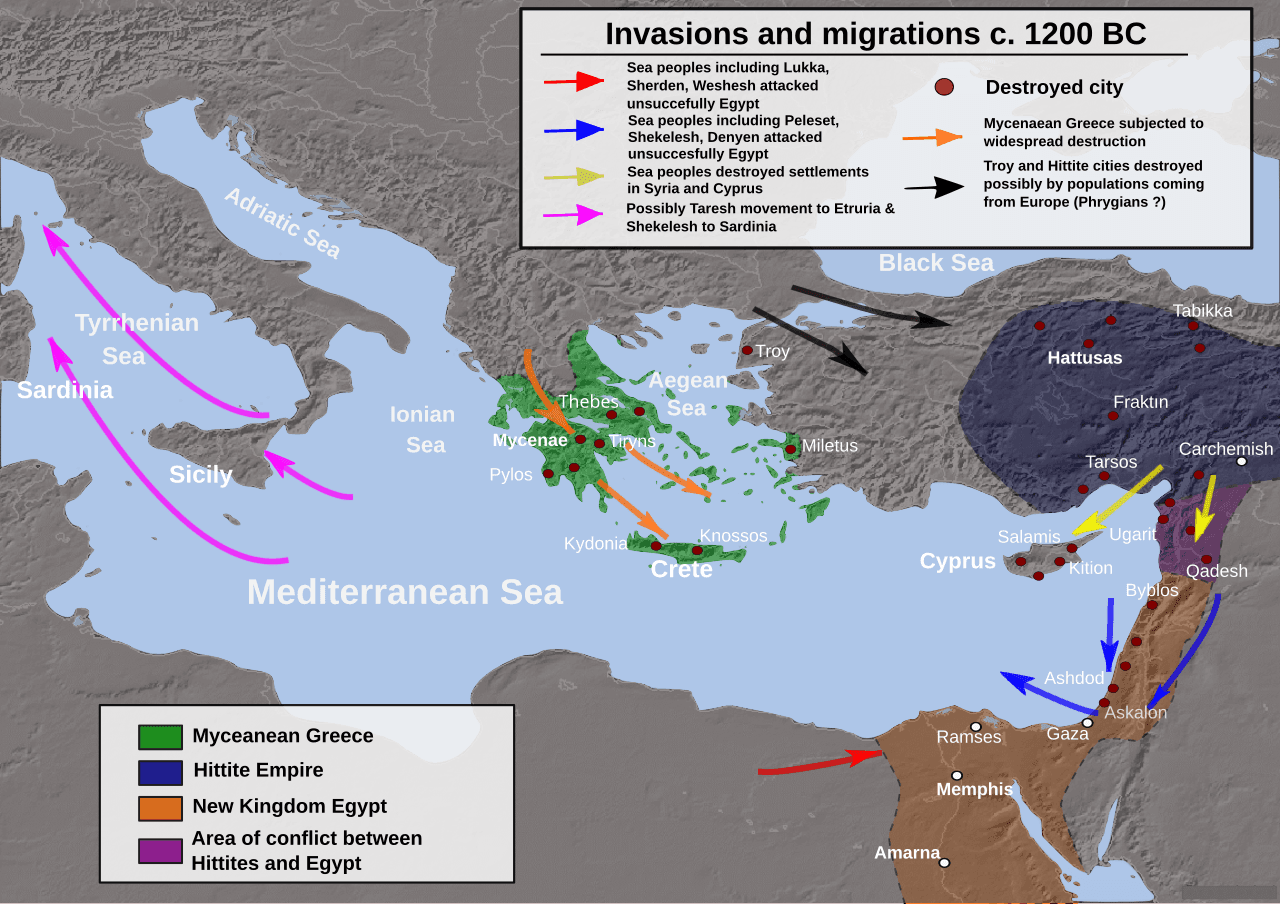
Bronze Age collapse
event · 1200 BCEBetween 1200 and 1150 BCE, a sudden and violent rupture fractured the ancient world, shattering the great, interconnected powers of the Eastern Mediterranean and the Near East.