Civilization · 1 CE – 1738 CE · 12 entries
Andean Civilizations
Classical
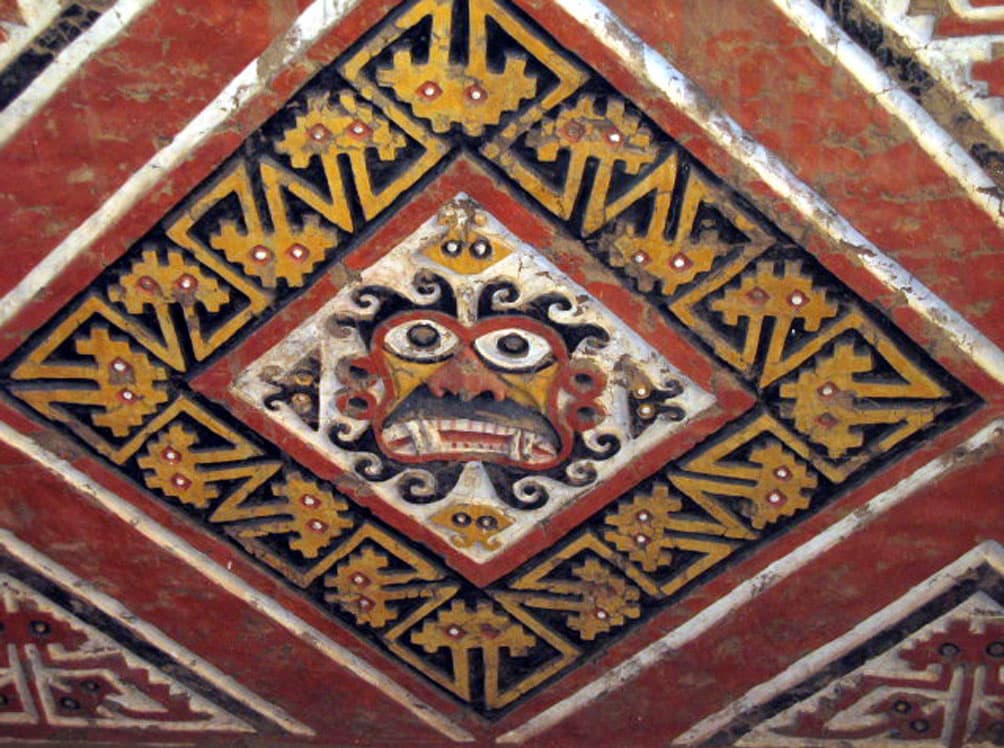
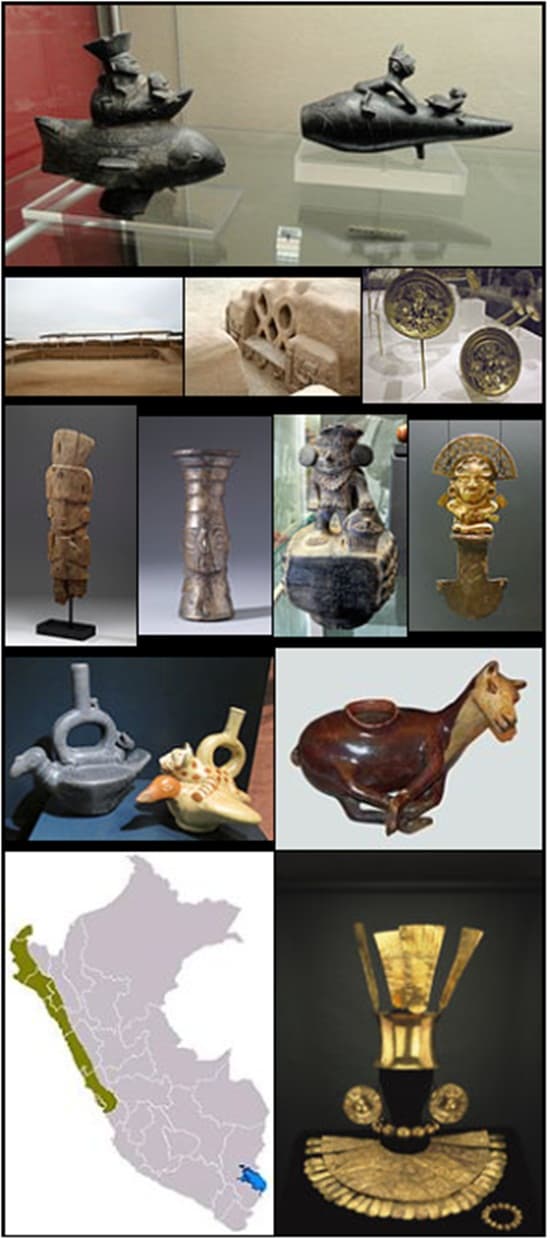
Moche culture
concept · 1 CEAlong two hundred and fifty miles of Peru’s arid northern coastline, a network of river valleys nurtured a civilization bound not by a single crown, but by a shared and vivid imagination.
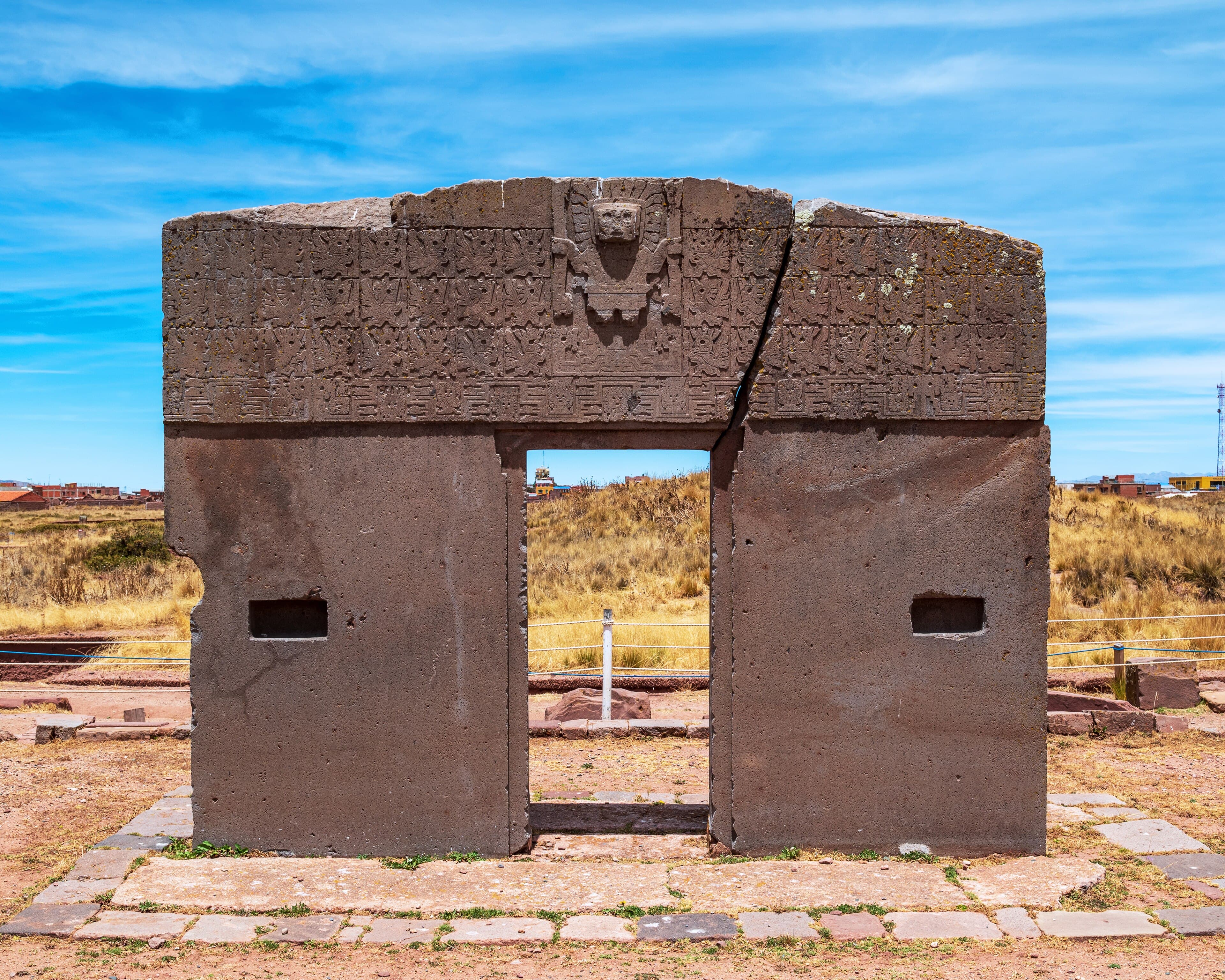
Tiwanaku
place · 400 CEHigh in the Andean altiplano of western Bolivia, near the shores of Lake Titicaca, lie the megalithic blocks and monumental structures of an ancient city that once considered itself the literal midpoint of existence.
Medieval
Chimor
event · 900 CEOut of the dry, coastal deserts of northern Peru, where rivers carved fertile plains through the sand, the Kingdom of Chimor built the largest empire of South America’s Late Intermediate Period.
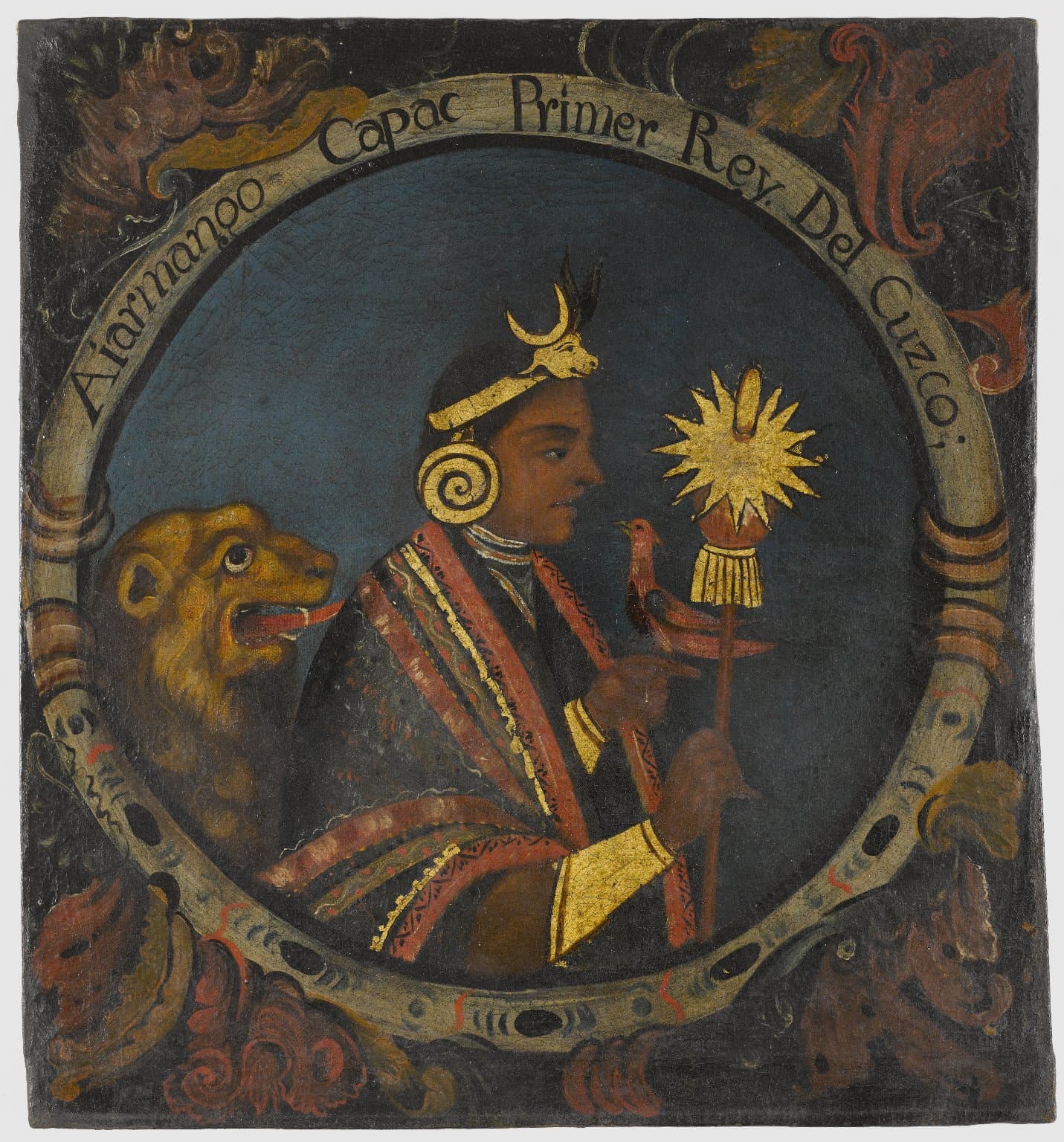
Manco Capac
person · 12th c. CEThe birth of the Inca Empire began not with vast armies, but with a nomadic band of several dozen families fleeing war, led by a chieftain named Manco Cápac.
Pachacuti
person · 1391 CEIn the high valleys of the Andes, the name Pachacútec carries the weight of both a man and the monumental geography he helped shape.
Early Modern
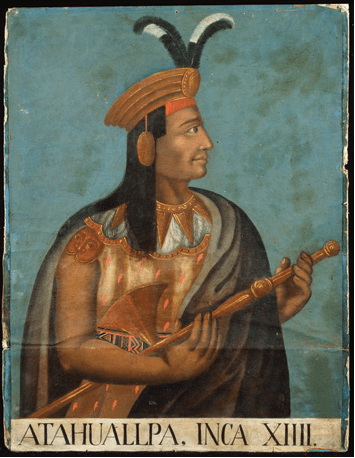
Atahualpa
person · 1500 CEThe sovereignty of the Inca Empire unraveled not from a lack of strength, but from the bitter friction of sibling rivalry.
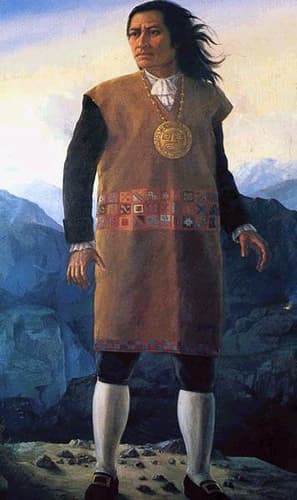
Túpac Amaru II
person · 1738 CEIn the autumn of 1780, a wealthy indigenous nobleman and muleteer named José Gabriel Condorcanqui Noguera took a step from which there was no turning back.