Civilization · 2180 BCE – 69 BCE · 11 entries
Ancient Egypt
Ancient
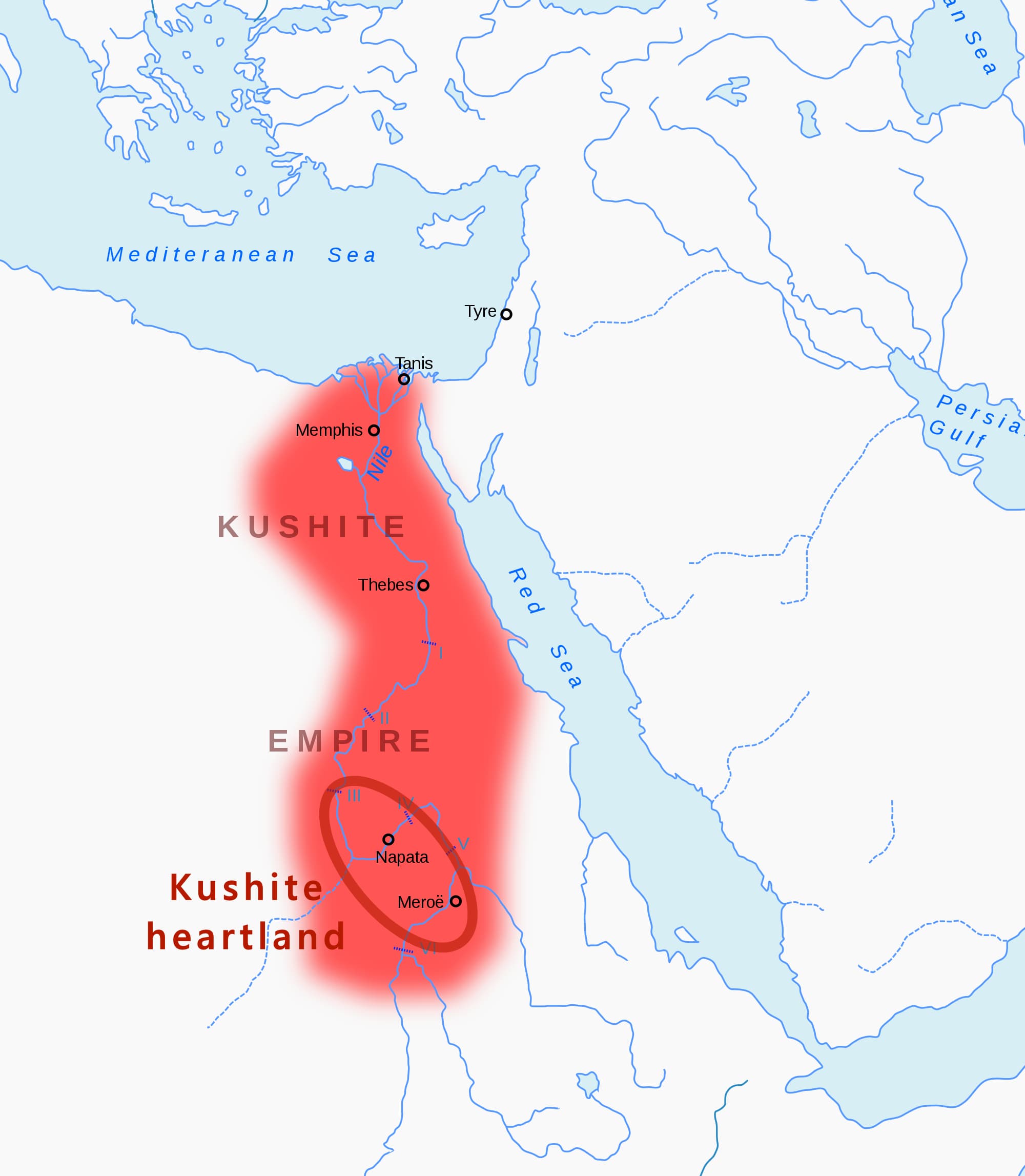
Kingdom of Kush
event · 2180 BCETo the ancient Egyptians, the lands south of the Nile’s first cataract were known as Kush, a distinct world of sophisticated trade, industry, and power that repeatedly challenged and reshaped the destiny of the Nile…
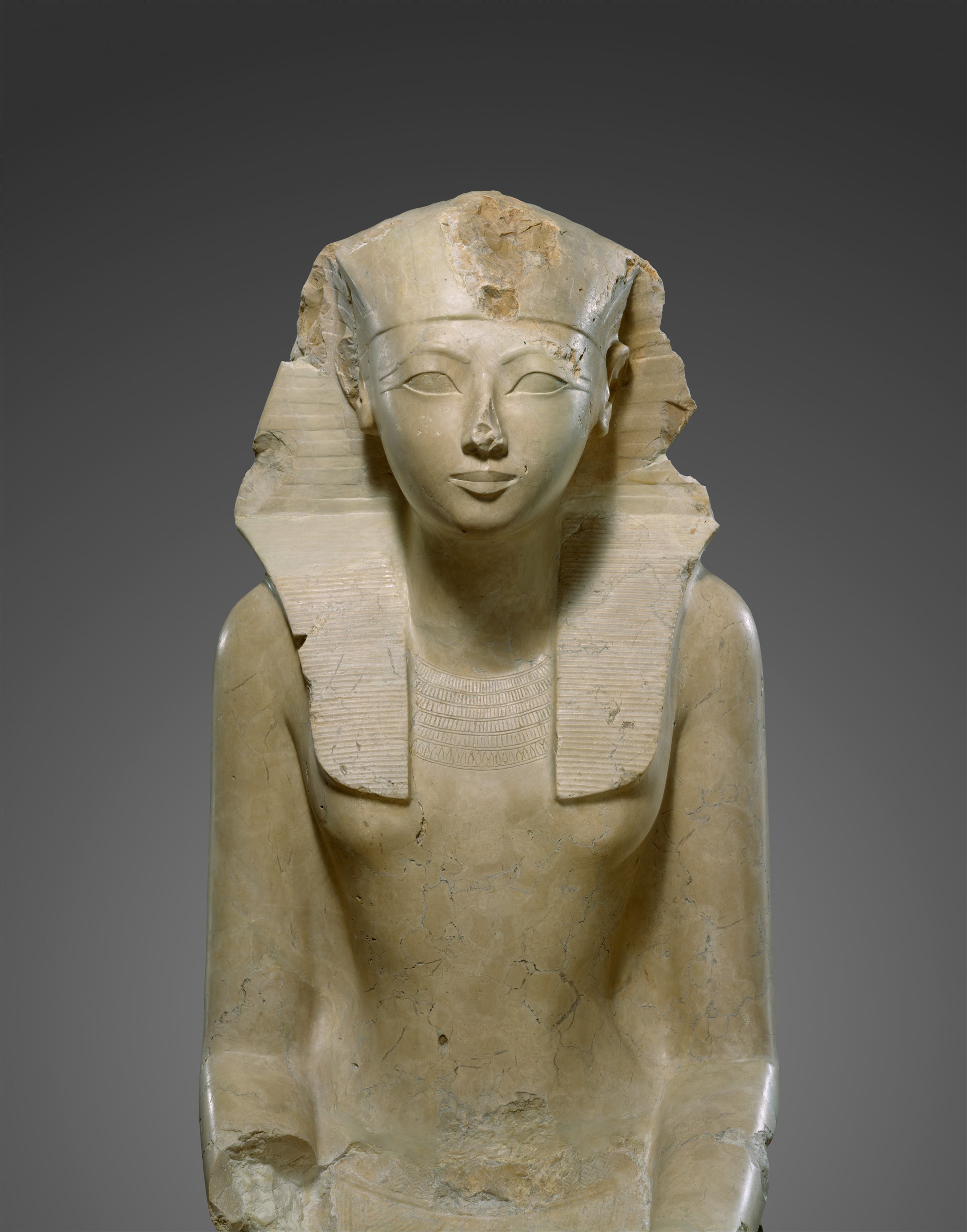
Hatshepsut
person · 1507 BCEWhen the young pharaoh Thutmose II died, the Egyptian crown passed to a toddler, Thutmose III.

Acre
place · 1500 BCEThe measure of an acre was once defined not by abstract geometry, but by the physical limits of muscle, bone, and daylight.

Gaza City
place · 15th c. BCEFew places on the Mediterranean have been so relentlessly claimed, rebuilt, and shattered as Gaza City.
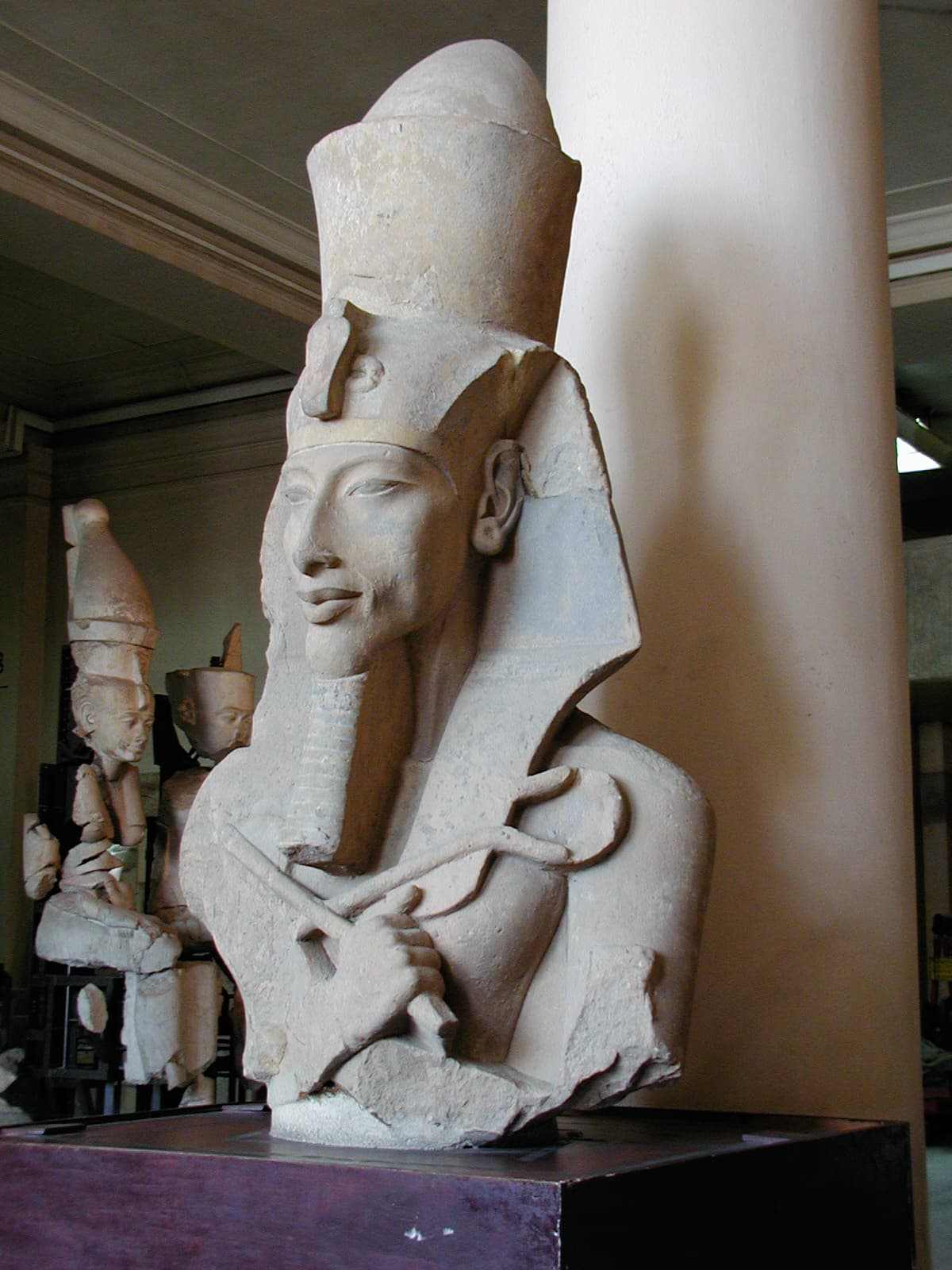
Akhenaten
person · 14th c. BCEIn the fifth year of his reign, the pharaoh Amenhotep IV abandoned the name of his birth, which honored the god Amun, and renamed himself Akhenaten.
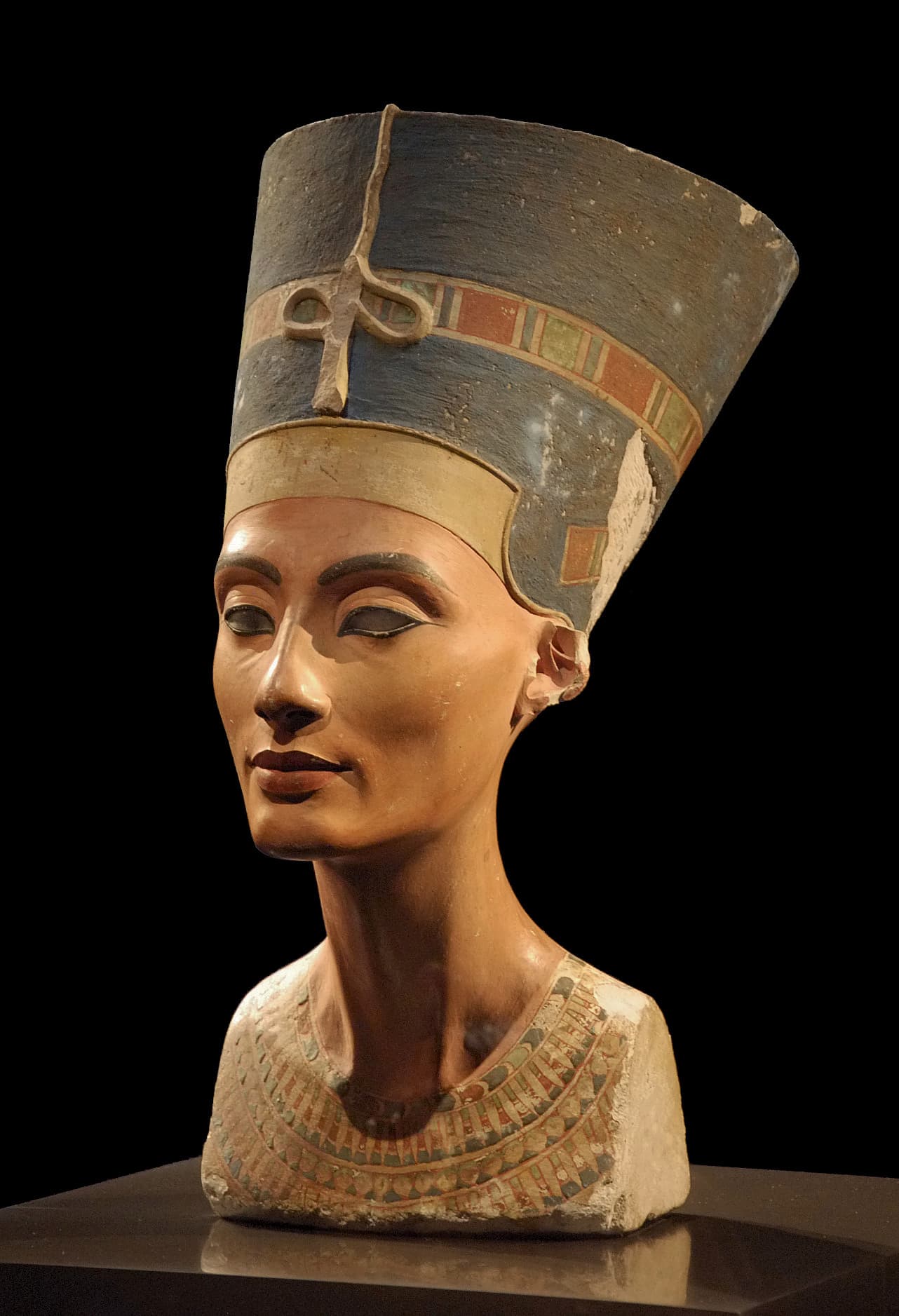
Nefertiti
person · 1370 BCEAt the height of the Eighteenth Dynasty, when Egypt was at its wealthiest and most powerful, a queen emerged who would help dismantle centuries of religious tradition.
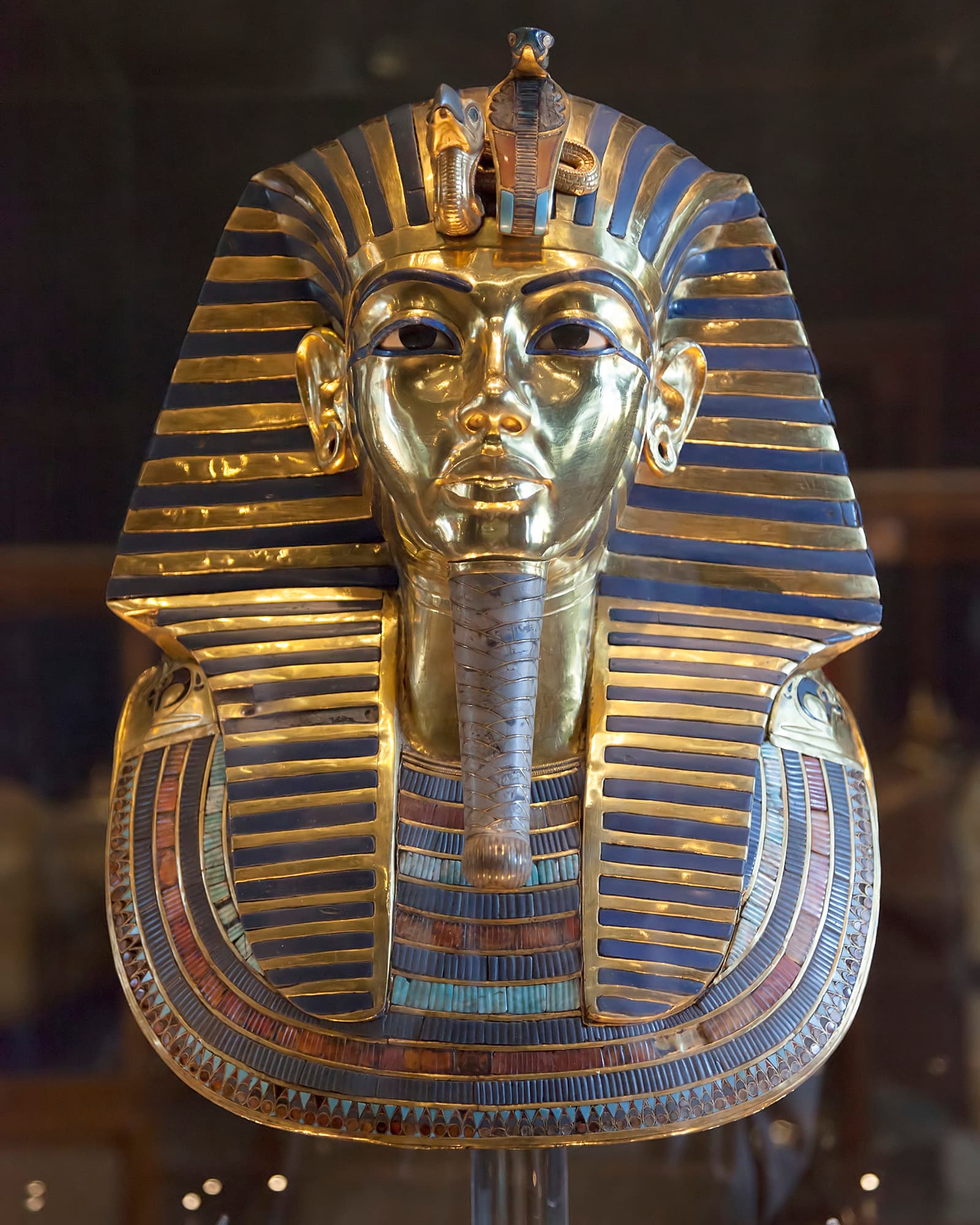
Tutankhamun
person · 1343 BCEWhen the young boy Tutankhaten ascended the throne of Egypt around 1332 BCE, he inherited a fractured kingdom scarred by his predecessor’s radical religious revolution.
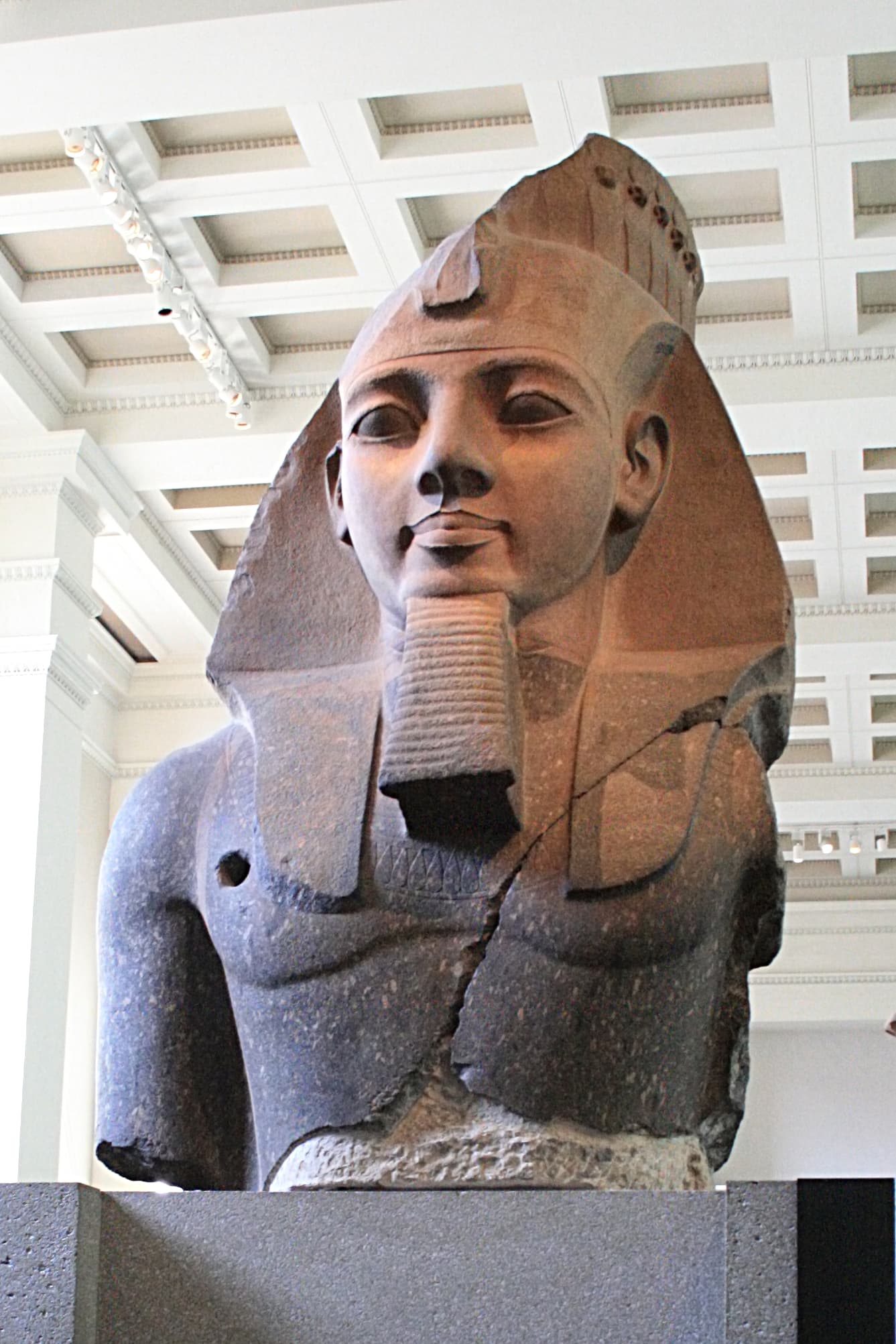
Ramesses II
person · 1303 BCEGreatness in ancient Egypt was measured by the sheer scale of one's shadow, and no pharaoh cast a longer one than Ramesses II.
Classical
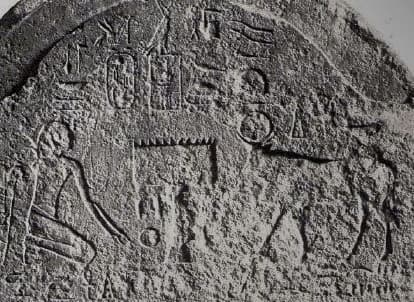
Cambyses II
person · 559 BCEThe shadow of a legendary father is a difficult landscape to navigate, yet Cambyses II expanded the borders of the Achaemenid Empire farther than Cyrus the Great ever managed.

Alexandria
place · 331 BCETo understand the ancient Mediterranean is to understand the city that rose from the western edge of the Nile River Delta, near an Egyptian settlement named Rhacotis.
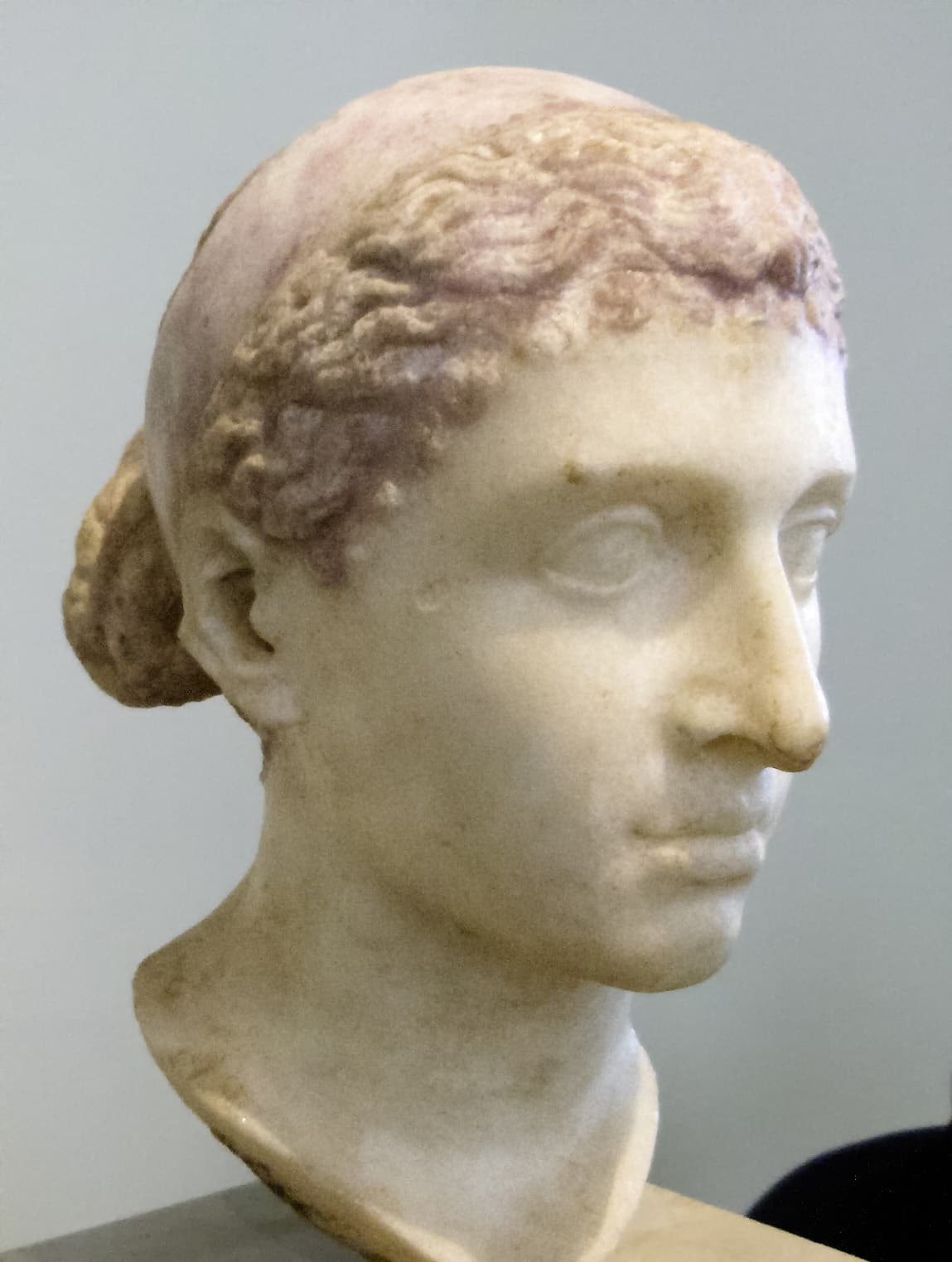
Cleopatra
person · 69 BCEThe Ptolemaic rulers of Egypt had governed from Alexandria for nearly three centuries, yet not one of them bothered to learn the language of the people they ruled—until Cleopatra VII Thea Philopator.